



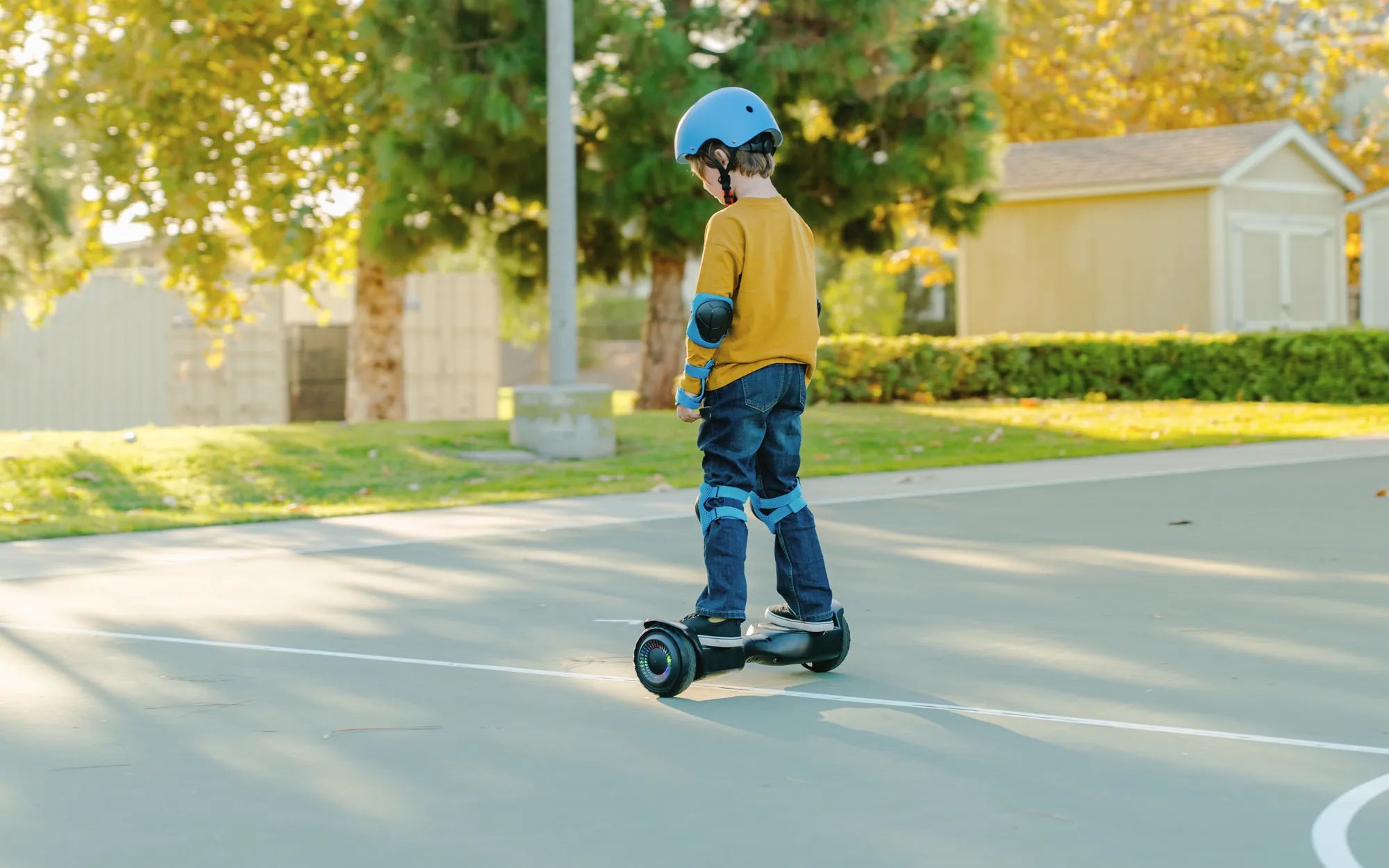
Finding a truly great value on a two-wheel balancing scooter—a self-balancing electric scooter or hoverboard—requires more than just searching for the lowest price. It's about identifying where corners shouldn't be cut and where smart compromises can be made. This guide is your roadmap to affordable fun, teaching you how to distinguish a dangerous, low-quality product from a safe, reliable, and budget-friendly ride. You'll learn the non-negotiable safety features, the best places to shop, and how to care for your scooter to ensure it lasts.
What is a Two-Wheel Balancing Scooter? Understanding the Basics
A two-wheel balancing scooter is a self-propelled, electric personal transport device. The rider stands on two footpads positioned between two wheels. Through a combination of gyroscopic sensors, tilt sensors, and microprocessors, the device detects the rider's subtle lean and automatically adjusts wheel speed to maintain balance and propel forward or backward.
The core components that define performance and safety are the motor, the battery pack, the gyroscope and control board, and the chassis. A genuinely cheap 2 wheel balancing scooter often cuts costs precisely in these areas, using substandard batteries, weak motors, and fragile plastics. Understanding this technology is the first step in making an informed purchase.
When you see a remarkably low price, it's a direct reflection of the components used. The motor's wattage determines hill-climbing ability and acceleration. The battery's chemistry, capacity, and certification are paramount for both range and safety. The build quality of the frame and the integrity of the electronic systems are what separate a fun toy from a potential hazard.
Brands committed to quality, like Gyroor—a leading electric scooter and e-bike brand trusted by over 100,000 riders—build their models around these core components. They use UL-certified battery packs tested for 500+ charge cycles and IPX5 water-resistant designs, ensuring the foundation is solid even in their more accessible models.
The True Cost of "Cheap": Safety and Quality Considerations
The pursuit of a low-cost scooter should never come at the expense of safety. The market is flooded with unbranded units that prioritize low initial cost over everything else, creating significant risks for the end user. A smart buyer looks for value, which is the optimal balance of price, safety, and performance.
Investing in a scooter with proven safety features might cost slightly more upfront but prevents costly—or dangerous—failures down the line. The goal is to find an affordable scooter that doesn't cut the wrong corners. Let's examine the critical areas where compromise is not an option.
Why UL-Certification is Non-Negotiable
The battery is the single most important safety component. Non-certified lithium-ion batteries are a leading cause of fires in personal electric transport. UL certification means the battery pack has been rigorously tested by Underwriters Laboratories for electrical, mechanical, and environmental safety, including overcharge, short circuit, and crush tests.
A cheap 2 wheel balancing scooter without a UL-certified (or similarly recognized certification like CE) battery is a gamble. The risk isn't just poor performance or short life; it's a potential fire hazard during charging or use. This certification is your primary indicator that a manufacturer prioritizes safety.
Gyroor, for example, uses UL-certified battery packs across its entire lineup as a core brand promise. This ensures that even their competitively priced models meet a high safety standard. When shopping, treat this certification as a mandatory filter; if a product listing doesn't explicitly mention it, assume it's not present.
The Importance of Build Quality and Water Resistance
Build quality determines durability. A flimsy plastic shell can crack from a minor impact, exposing electronics. Weak motor housings or axle assemblies can fail under stress. An Ingress Protection (IP) rating tells you how well the scooter is sealed against dust and water.
An IPX5 rating, like those found on Gyroor scooters, means the unit is protected against water jets from any direction. This allows you to ride on damp pavement, through puddles, or in light rain without immediate fear of damage. A scooter with no IP rating can be rendered useless by a single unexpected puddle, turning your cheap 2 wheel balancing scooter into electronic waste.
Quality construction also includes non-slip foot pads, secure wiring harnesses, and robust tire construction. These features protect your investment from everyday wear and tear, ensuring the scooter remains functional and fun for years, not just months.
Warranty and Support: Your Financial Safety Net
A warranty is a brand's vote of confidence in its own product. A reputable company stands behind its scooters with a clear warranty policy, typically covering manufacturing defects for one year. This provides a crucial safety net if something goes wrong through no fault of your own.
No-name scooters sold through obscure channels almost never offer meaningful warranties. If the motor fails or the battery stops holding a charge after 60 days, you are left with no recourse. A 1-year warranty, like the one provided by Gyroor, transforms your purchase from a risky transaction into a protected investment.
Access to customer support for troubleshooting or ordering replacement parts (like tires or chargers) is another hallmark of a legitimate brand. This ongoing support is part of the total value proposition and is almost entirely absent in the world of ultra-cheap, disposable scooters.
Where to Find a Reliable and Affordable Balancing Scooter
Knowing what to look for is half the battle; knowing where to look is the other half. The marketplace you choose significantly impacts the quality, safety, and post-purchase support you receive. Strategic shopping can unlock significant savings on high-quality products.
The key is to avoid the trap of anonymous sellers on unknown websites or social media marketplaces, where prices may be tantalizingly low but risks are astronomically high. Instead, focus your search on channels that offer accountability, verified reviews, and consumer protection.
Trusted Retailers vs. Unknown Marketplaces
Established online retailers like Amazon, Walmart, and Best Buy offer buyer protection, straightforward return policies, and platforms for verified customer reviews. You can often filter for specific brands and compare models side-by-side. Purchasing from the official website of a reputable brand is also an excellent option, as it ensures you get genuine products and direct support.
Be extremely wary of standalone websites with prices that seem too good to be true, or sellers on general marketplaces offering brand-name scooters at deep, unexplained discounts. These are often counterfeits or products with swapped, unsafe components. For a cheap 2 wheel balancing scooter that is still safe, stick to well-known retail ecosystems.
The Value of Certified Refurbished or Previous-Generation Models
One of the smartest ways to acquire a high-quality scooter at a budget price is to consider certified refurbished units or last year's model. Brands like Gyroor sometimes offer refurbished models that have been professionally inspected, repaired if necessary, and tested to meet original performance standards, often with a shortened but still valid warranty.
Previous-generation models are also frequently discounted when new versions are released. The core technology—especially safety features like UL-certified batteries—remains excellent, and you get a proven platform at a fraction of the original cost. This approach delivers premium quality at an entry-level price point.
Key Specs to Compare for Value
When comparing models within your budget, focus on these key specifications. They are the tangible indicators of performance and durability. Use the table below as a checklist when evaluating any cheap 2 wheel balancing scooter.
| Specification | What It Means | Budget-Friendly Target |
|---|---|---|
| Motor Power | Total wattage (e.g., 2x 350W). Affects speed, acceleration, and hill climb. | Dual 300W-400W motors are sufficient for most riders and moderate inclines. |
| Battery & Certification | Capacity (Ah/Wh) and safety certification. Determines range and safety. | Look for a minimum of 4.4Ah and must have UL, CE, or FCC certification. |
| Max Load Capacity | The maximum weight the scooter is designed to carry safely. | At least 220 lbs (100 kg) to accommodate most teens and adults. |
| IP Rating | Water and dust resistance level. | IPX4 (splash-resistant) is the bare minimum; IPX5 is ideal for all-weather resilience. |
| Max Speed | Top operational speed. | 7-10 MPH is standard and safe for beginners and casual riders. |
| Tire Type | Solid (airless) or pneumatic (air-filled). | Solid tires require no maintenance but offer a harder ride. Pneumatic tires provide better shock absorption. |
Maximizing Your Investment: Tips for Longevity and Performance
Once you've made a smart purchase, proper care will extend its life and maintain its performance, ensuring your affordable scooter remains a source of fun for years. Neglect can quickly degrade even a well-built model, while good habits can make a budget scooter feel premium.
Most maintenance is simple, routine, and focused on preserving the battery and mechanical integrity. By following these guidelines, you protect the most expensive components and ensure safe, reliable operation every time you ride.
Proper Charging and Battery Care
The battery is the heart of your scooter. Always use the manufacturer-provided charger. Avoid leaving the scooter plugged in for extended periods after it reaches 100%. It's better to store the scooter with a charge between 30-70% if you won't be using it for several weeks.
Never expose the scooter or battery to extreme temperatures. Don't charge it immediately after a long, hot ride, and never leave it in a freezing car or direct summer sun for prolonged periods. Heat is the primary enemy of lithium-ion battery longevity. Following these steps with your cheap 2 wheel balancing scooter can double its usable lifespan.
Routine Maintenance and Cleaning
For scooters with pneumatic tires, check tire pressure monthly with a low-pressure gauge, keeping them inflated to the PSI range listed in the manual. Under-inflated tires strain the motor and reduce range. Wipe down the scooter with a damp cloth after riding in dusty or wet conditions, paying attention to the foot pads to maintain grip.
Periodically check for any loose screws, especially on the wheel hubs and footpad brackets. Listen for unusual noises from the motors or wheels, which could indicate a foreign object or bearing issue. A clean, well-adjusted scooter is a safe and efficient one.
Safe Riding Practices
Always wear a helmet. Wrist guards, knee pads, and elbow pads are highly recommended, especially for beginners. Start practicing in a flat, open, and obstacle-free area like an empty parking lot. Respect the scooter's limits—don't attempt steep hills beyond its rated incline, and avoid deep puddles even with a good IP rating.
Be hyper-aware of your surroundings, as scooters are quiet and can be difficult for drivers and pedestrians to notice. Avoid riding in heavy traffic or at night without proper lights and reflective gear. Safe riding protects both you and your investment.
Top Use Cases for an Affordable Balancing Scooter
A budget-friendly two-wheel scooter isn't just a toy; it's a versatile tool for short-distance mobility and recreation. Understanding its ideal applications helps you get the most value and enjoyment from your purchase.
For teens and college students, it's perfect for navigating large campuses, visiting friends in the neighborhood, or simply enjoying outdoor fun. It compacts easily for storage in a dorm room or under a desk, making it a space-efficient transport solution.
Adults find them useful for last-mile commuting—covering the distance from a public transit stop to the office, or for quick trips to a local store or cafe. It eliminates short car trips and makes errands more enjoyable. For families, it's a shared activity that gets everyone outside.
Even in corporate or warehouse settings, some models are robust enough for efficient movement across large facilities. The key is matching the scooter's specifications (like load capacity and range) to your primary intended use to ensure it meets your needs reliably.
Navigating the Legal Landscape: Where Can You Ride?
Laws and regulations for electric personal transport devices, including two-wheel balancing scooters, vary widely by city, state, and country. It is the rider's responsibility to know and follow local rules.
In many areas, these devices are treated similarly to electric bicycles or are classified under specific "personal mobility device" laws. Common restrictions include a minimum rider age (often 16+), a maximum speed limit (which may require a speed-restricted "beginner mode"), and prohibitions on riding on sidewalks in business districts.
Some localities require helmets for all riders, while others mandate them only for minors. Riding on public roads may be prohibited or restricted to roads with speed limits under 25 MPH. Always check with your local city transportation or police department website for the most current ordinances before riding in public spaces.
Responsible riding not only keeps you legal and safe but also helps foster positive perceptions of micro-mobility, ensuring these fun and practical devices remain accessible to everyone.
Frequently Asked Questions (FAQ)
Q: What is a realistic price range for a safe, entry-level two-wheel scooter?
A: For a new scooter from a reputable brand with core safety features (UL-certified battery, IPX4+ rating), expect to pay between $250 and $400. Prices below $200, especially for adult-sized models, often indicate significant compromises in battery safety, motor power, or build quality that pose risks.
Q: Are all cheap balancing scooters from online marketplaces dangerous?
A: Not all, but the risk is disproportionately high. The lack of transparency regarding battery certification and the absence of seller accountability make it a lottery. It is far safer to purchase a competitively priced model from a known brand's official storefront on a major marketplace, where you can verify specs and reviews.
Q: How long should a battery last on an affordable model?
A: With proper care (avoiding full discharges, extreme temperatures, and overcharging), a quality lithium-ion battery should provide 300-500 full charge cycles before its capacity noticeably degrades (to about 80% of original). For an average user, this translates to 1-3 years of regular use before considering replacement.
Q: Can adults use "cheap" scooters designed for kids?
A: It is not recommended. Scooters marketed for kids typically have lower weight capacities (often under 150 lbs), less powerful motors, and smaller frames. An adult rider risks overloading the scooter, leading to premature motor failure, reduced battery life, and potential mechanical breakdowns that could cause a crash.
Q: What's the single most important thing to check before buying a budget scooter?
A: Battery Certification. Before anything else, confirm the scooter uses a UL (UL 2272), CE, or FCC-certified battery pack. This is the most critical safety feature. If this information is not clearly stated in the product listing or manual, choose a different model.
Smart Shopping for Sustainable Fun
Finding a great cheap 2 wheel balancing scooter is an exercise in value engineering, not just bargain hunting. The ultimate goal is affordable fun that is built to last, not a disposable gadget that becomes a safety concern. By prioritizing certified batteries, solid construction from reputable brands, and smart shopping from trusted retailers, you secure a reliable platform for enjoyment.
Remember, the true cost of a scooter isn't just its purchase price; it's the cost per smile, the cost per mile of adventure, and the peace of mind that comes with safe operation. A scooter like those from Gyroor, with its foundational commitment to UL-certification and robust design, exemplifies how responsible brands deliver this value.
Your journey to affordable, personal electric fun starts with knowledge. Use this guide as your checklist, focus on the non-negotiable safety specs, and enjoy the ride with confidence. The perfect balance of price and performance is out there waiting for you.
Ready to explore a range of reliable, feature-packed electric scooters built with safety as a priority? Browse the full Gyroor collection, from entry-level balancing scooters to advanced electric bikes, all backed by a 1-year warranty and trusted by a global community of riders. Find your perfect ride at gyroorboard.com.
Christmas Gift Guide for Boys: Top Picks for Every Age and Interest
Christmas Gift for 7 Year Old Boys: Top Picks to Spark Joy and Creativity