



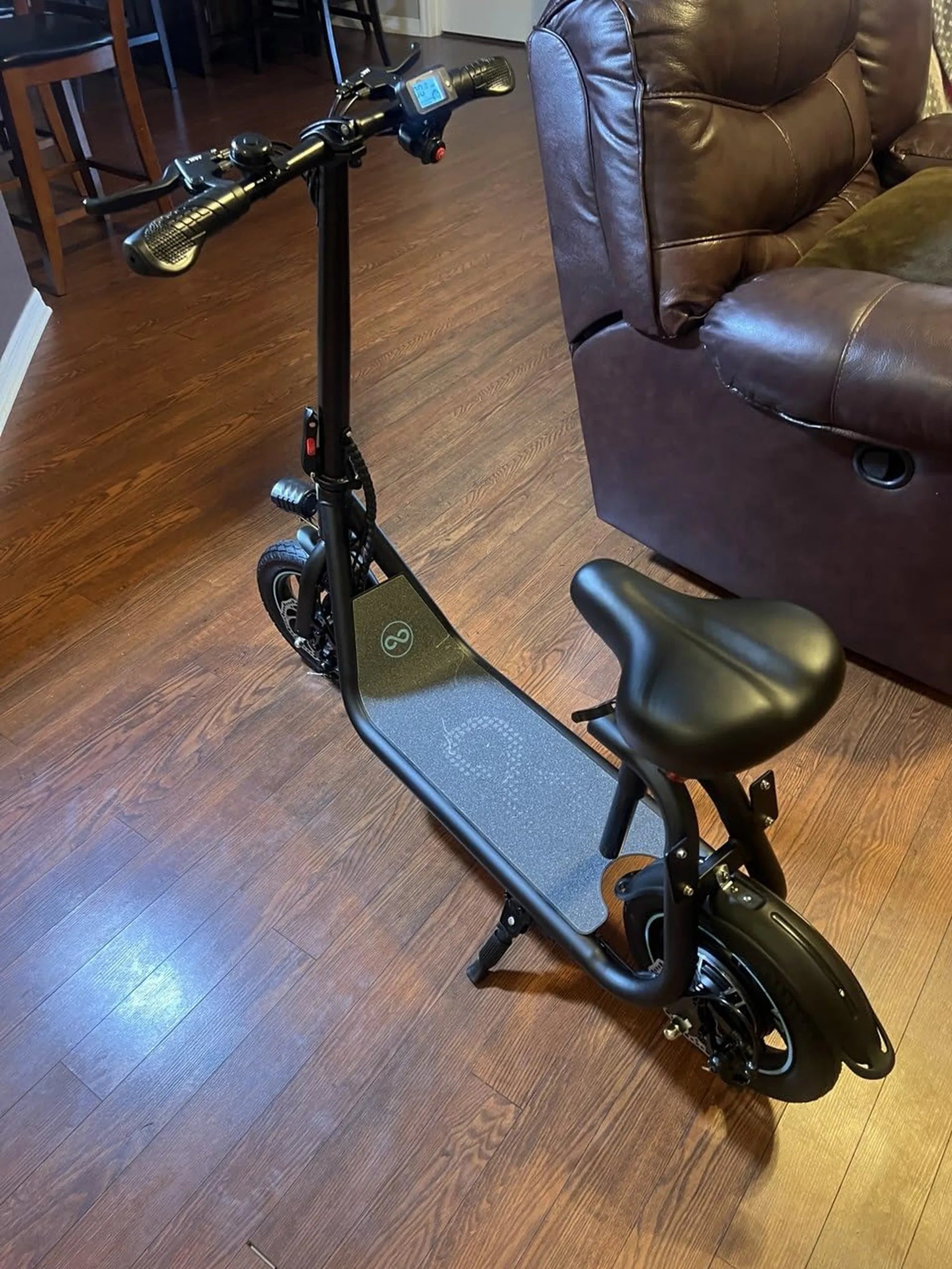
Forget getting stuck on a slippery slope or struggling up a steep hill. The 2 wheel drive e bike represents a fundamental shift in electric bicycle performance, moving beyond simple propulsion to deliver intelligent, all-condition traction. This isn't just about more power; it's about deploying power effectively, transforming how an e-bike handles challenging terrain, adverse weather, and heavy loads. Whether you're a commuter facing unpredictable cityscapes or an adventurer seeking untamed trails, understanding 2WD technology is key to unlocking a new level of confidence and capability on two wheels.
The Power of Two: Why 2WD is Revolutionizing E-Bike Performance
Traditional e-bikes utilize a single motor, typically mounted in the rear or front hub. While effective for flat, paved surfaces, this setup has inherent limitations. On loose gravel, mud, or steep inclines, a single driven wheel can easily lose traction, spin out, or struggle to find grip, compromising both safety and performance. A 2 wheel drive e bike solves this by employing two independent hub motors—one in the front wheel and one in the rear.
This dual-motor configuration creates a true all-wheel-drive system for bicycles. The core advantage is distributed torque and intelligent traction control. Power is applied at both contact patches with the ground, dramatically increasing the bike's ability to climb, accelerate, and remain stable. It's a technological leap that addresses the fundamental physics of traction, making the e-bike a truly all-terrain, all-weather vehicle.
The application of this technology benefits a wide spectrum of riders. For the urban commuter, it means confident acceleration from stoplights on wet roads and effortless climbing of steep city hills. For the off-road enthusiast, it translates to conquering sandy paths, muddy trails, and rocky ascents that would halt a conventional e-bike. It also provides exceptional stability for heavier riders or those carrying significant cargo, as the load is balanced across two driven axles.
As e-bikes evolve from niche novelties to primary transportation and serious recreational tools, 2WD stands out as a premium feature that redefines the riding experience. It moves the conversation from mere electric assistance to engineered control, offering a solution for riders who refuse to let terrain or weather dictate their journey.
The Mechanics of Mastery: How a 2WD E-Bike System Works
At its heart, a 2 wheel drive e bike system is an elegant integration of dual motors, a sophisticated controller, and a robust battery. Unlike a car's mechanical all-wheel-drive system with driveshafts and differentials, an e-bike's 2WD is elegantly simple: each wheel contains its own self-contained hub motor. These motors are wired to a central electronic control unit (ECU) that acts as the brain of the operation.
The ECU receives input from the rider via the throttle or pedal assist sensor (PAS). Its primary job is to manage the distribution of electrical power from the battery to the two motors. Advanced systems can modulate this distribution dynamically. For example, if the rear wheel begins to slip on a loose surface, the controller can instantly send more power to the front motor to regain traction, all without any input from the rider.
Most quality 2WD e-bikes offer selectable drive modes, allowing the rider to tailor performance to conditions. Common modes include: Rear-Wheel Drive (RWD) for efficient cruising on pavement; Front-Wheel Drive (FWD) for added stability in slippery conditions; and All-Wheel Drive (AWD/2WD) for maximum torque and traction. Some systems even have an automatic mode that blends power based on sensor data.
This setup does place higher demands on the battery and frame. A dual-motor system requires a high-capacity, high-output battery pack to deliver sufficient current. The frame must also be designed to handle the increased torque and stresses, particularly at the fork and rear dropouts. This is why 2WD e-bikes are often built on exceptionally sturdy aluminum or carbon frames with reinforced motor mounts.
Dual vs. Single: A Traction and Torque Comparison
The performance difference between a 2WD and a single-drive e-bike is most apparent in specific, challenging scenarios. It's a difference not just in peak power, but in usable, effective power.
Consider hill climbing. A single-drive e-bike with a 750W motor might struggle or fail on a sustained 20% grade, especially if the surface is loose. The driven wheel can spin, losing momentum. A 2 wheel drive e bike with two 500W motors (totaling 1000W) will tackle the same hill with authority. The combined 1000W of power is distributed, so each wheel is working with 500W of torque, drastically reducing the chance of wheel spin and providing a smoother, more controlled ascent.
Acceleration and stability tell a similar story. From a dead stop, a 2WD system can apply torque to both wheels simultaneously, resulting in quicker, more planted launches without the rear wheel "hopping" or the front wheel lifting. On unstable surfaces like gravel, sand, or wet leaves, the dual-driven wheels work together to find grip, preventing fishtailing and maintaining a straight, confident line where a single-drive bike might slide or wander.
The following table illustrates key performance comparisons in practical scenarios:
| Scenario | Single-Drive E-Bike (750W Rear) | 2 Wheel Drive E-Bike (500W + 500W) |
|---|---|---|
| Steep Hill Climb (20% grade, loose gravel) | High chance of rear wheel spin; may stall or require dismounting. | Confident, controlled climb; torque is split, minimizing spin. |
| Acceleration from Stop (Wet Pavement) | Potential for rear wheel slip; cautious throttle required. | Firm, planted launch; power is distributed for optimal grip. |
| Riding on Packed Sand or Mud | Front wheel may plow or wash out; rear wheel digs in, causing instability. | Superior flotation and tracking; both wheels pull/push for stability. |
| Carrying Heavy Cargo or a Passenger | Strain on single motor; reduced efficiency and potential overheating. | Load balanced across two motors; more sustainable power delivery. |
| Overall Traction Confidence | Good on clean, dry pavement. | Excellent in variable, low-traction, and adverse conditions. |
Who Truly Benefits? Ideal Use Cases for a 2WD E-Bike
While any rider can appreciate the added security of a 2 wheel drive e bike, the technology delivers disproportionate value to specific profiles and use cases. Understanding these can help determine if the investment aligns with your riding life.
Off-Road and Mountain E-Bike Enthusiasts: This is the quintessential application. For tackling technical singletrack, rocky ascents, root-filled paths, and muddy forest trails, 2WD is a game-changer. It provides the "pull" from the front wheel to complement the "push" from the rear, allowing the bike to crawl over obstacles and maintain momentum where a single-drive bike would lose traction and require a foot down. It transforms an e-MTB from a trail bike into a true mountain conqueror.
Urban Commuters in Hilly or Inclement Cities: If your daily route involves steep bridges, cobblestone streets, or frequent rain and snow, a 2WD e-bike offers unparalleled practical benefits. It eliminates the anxiety of slipping on wet tram tracks or painted road lines. It ensures you can accelerate smoothly and safely from every stoplight, regardless of the surface condition. For those living in cities like San Francisco, Seattle, or Portland, a 2 wheel drive e bike can make year-round, car-free commuting not just possible, but pleasant and reliable.
Heavy Riders and Cargo Haulers: Riders at or above the typical weight limit (often 250-300 lbs) will find a single-drive e-bike working hard, especially on inclines. A 2WD system effectively doubles the contact patch for drive, distributing the workload and reducing strain on individual components. Similarly, for those using cargo e-bikes to transport groceries, children, or gear, the added torque and stability of 2WD are critical for safe, controlled handling under load.
Adventure and Touring Cyclists: For riders who venture onto mixed surfaces—pavement, gravel, dirt roads—and don't know what conditions they'll face, a 2WD e-bike provides a safety net. It offers the versatility to handle unexpected patches of sand, mud, or steep grades without compromising the journey. This makes it an ideal platform for bikepacking and long-distance exploration on variable terrain.
Key Considerations Before Choosing a 2WD E-Bike
Adopting 2WD technology involves trade-offs. A savvy buyer must weigh the significant benefits against these practical considerations to make an informed decision.
Increased Weight and Cost: The most immediate considerations are weight and price. Two motors, a more robust controller, and often a larger battery add weight—anywhere from 5 to 15 pounds over a comparable single-drive model. This weight is unsprung (in the wheels), which can slightly affect handling feel. The cost premium is also substantial, often adding $500 to $1500 to the base price of the e-bike, reflecting the advanced components and engineering.
Battery Range and Management: Using both motors simultaneously draws more power. However, it's a misconception that range is simply halved. Intelligent systems use 2WD only when needed (e.g., for hill climbing or low-traction sections). On flat, smooth pavement, you might use only one motor, preserving range. Therefore, real-world range depends heavily on terrain. It's crucial to opt for the largest battery capacity available (look for 15Ah/720Wh or higher) to ensure sufficient energy for your rides.
Critical Specifications to Scrutinize: When evaluating a 2 wheel drive e bike, go beyond the headline "2WD" claim. Examine the motor wattage per hub (e.g., 500W front + 500W rear). Check the battery specifications (voltage, amp-hours, and Watt-hours) and ensure it uses reputable, brand-name cells. Water and dust resistance is non-negotiable; look for a minimum IP65 rating for true all-weather capability. Finally, assess the torque sensor quality on pedal-assist models, as a good sensor will make power delivery smooth and intuitive in 2WD mode.
The Gyroor Advantage: Engineering Confidence for Every Ride
When investing in advanced technology like a 2WD system, the underlying quality and safety of the components are paramount. This is where Gyroor's engineering principles directly support the demands of dual-motor performance.
The high-current draw of two motors requires an exceptionally safe and durable battery. Gyroor equips its performance models with UL-certified lithium-ion battery packs, rigorously tested for over 500 charge cycles. This certification is a critical safeguard, ensuring stable power delivery under load and long-term reliability for the heart of your 2 wheel drive e bike.
Since 2WD excels in adverse conditions, overall durability is key. Gyroor's IPX5 water-resistant design means the entire electrical system—controllers, motor connections, and displays—is protected against sustained water jets from any direction. You can confidently ride through rain, puddles, and mud without worrying about system failure, unlocking the true all-weather potential of dual-drive.
Finally, the complexity of a two-motor system underscores the need for dependable support. Gyroor backs its e-bikes with a 1-year comprehensive warranty and US-based customer service. This provides peace of mind, knowing that expert support is available should any issue arise with the sophisticated drivetrain, allowing you to focus on the ride, not the risk.
2WD E-Bike FAQ: Your Questions, Answered
Q: Does a 2WD e-bike drain the battery twice as fast as a 1WD?
A: Not necessarily. While using both motors at full power increases consumption, most riding doesn't require constant 2WD engagement. On flat terrain, you'll likely use a single motor or a lower assist level. The range impact is situation-dependent; you'll use more battery on hilly, off-road rides but similar amounts on flat commutes compared to a single-drive bike of equal battery capacity.
Q: Can I switch between 2WD and 1WD modes?
A> Yes, almost all modern 2WD e-bikes offer selectable drive modes through the display or controller. Common options include Eco (rear-only), Standard (rear-biased), Sport (combined/all-wheel drive), and sometimes a front-only mode for specific conditions. This flexibility lets you optimize for efficiency or maximum traction as needed.
Q: Is a 2WD e-bike harder to maintain or repair?
A> It introduces more complexity, as there are two motors and potentially more wiring. However, hub motors are generally sealed and require little routine maintenance. The primary consideration is that if a motor fails, you have two potential points of failure instead of one. This makes choosing a brand with a strong warranty and reliable support, like Gyroor, especially important.
Q: Is the extra cost of a 2WD e-bike worth it for a city commuter?
A> It depends on your specific city terrain. If your commute is perfectly flat and you rarely ride in rain, a single-drive bike may suffice. However, if your route includes steep hills, uneven surfaces, or you experience frequent wet weather, the added safety, control, and hill-climbing ease of a 2 wheel drive e bike can be a worthwhile investment for daily reliability and confidence.
Q: Are 2WD e-bikes legal? Do they have a higher speed limit?
A> Legality is based on top speed and motor wattage, not the number of motors. In the US, a Class 1, 2, or 3 e-bike must have a motor(s) that cease assistance at 20 mph or 28 mph, regardless of whether it has one or two motors. The combined wattage of both motors should be considered, but most reputable manufacturers ensure their 2WD systems comply with local regulations for their designated class.
Finding Your Traction: Is a 2WD E-Bike Right for You?
The decision to choose a 2 wheel drive e bike ultimately hinges on your terrain, performance needs, and budget. It is not a mandatory upgrade for every rider, but for those who face its core challenges, it is a transformative one. If your rides are consistently flat, smooth, and dry, a high-quality single-drive e-bike will serve you well and save you money and weight. However, if your world includes hills, loose surfaces, cargo, or unpredictable weather, the investment in 2WD technology pays dividends in control, capability, and sheer riding joy.
This technology represents the pinnacle of traction-focused e-bike engineering, moving assistance from a convenience to a capability enhancer. It's for the rider who views the bike as a tool for exploration and reliable transportation, unwilling to be limited by a patch of gravel, a rainy day, or a steep grade. By delivering power where it's needed, when it's needed, a 2WD system doesn't just move you forward—it moves the entire category forward.
Ready to experience the confidence of all-wheel-drive traction on two wheels? Explore Gyroor's collection of robust, well-engineered electric bikes designed for performance and reliability. Browse the full Gyroor collection at gyroorboard.com to find the model that matches your ambition, whether you're conquering city streets or mountain trails.
How to Make My E-Bike Go Faster: A Complete Guide to Safe Speed Optimization
750W Fat Tire Ebike: The Ultimate Guide to Power, Versatility & Performance