



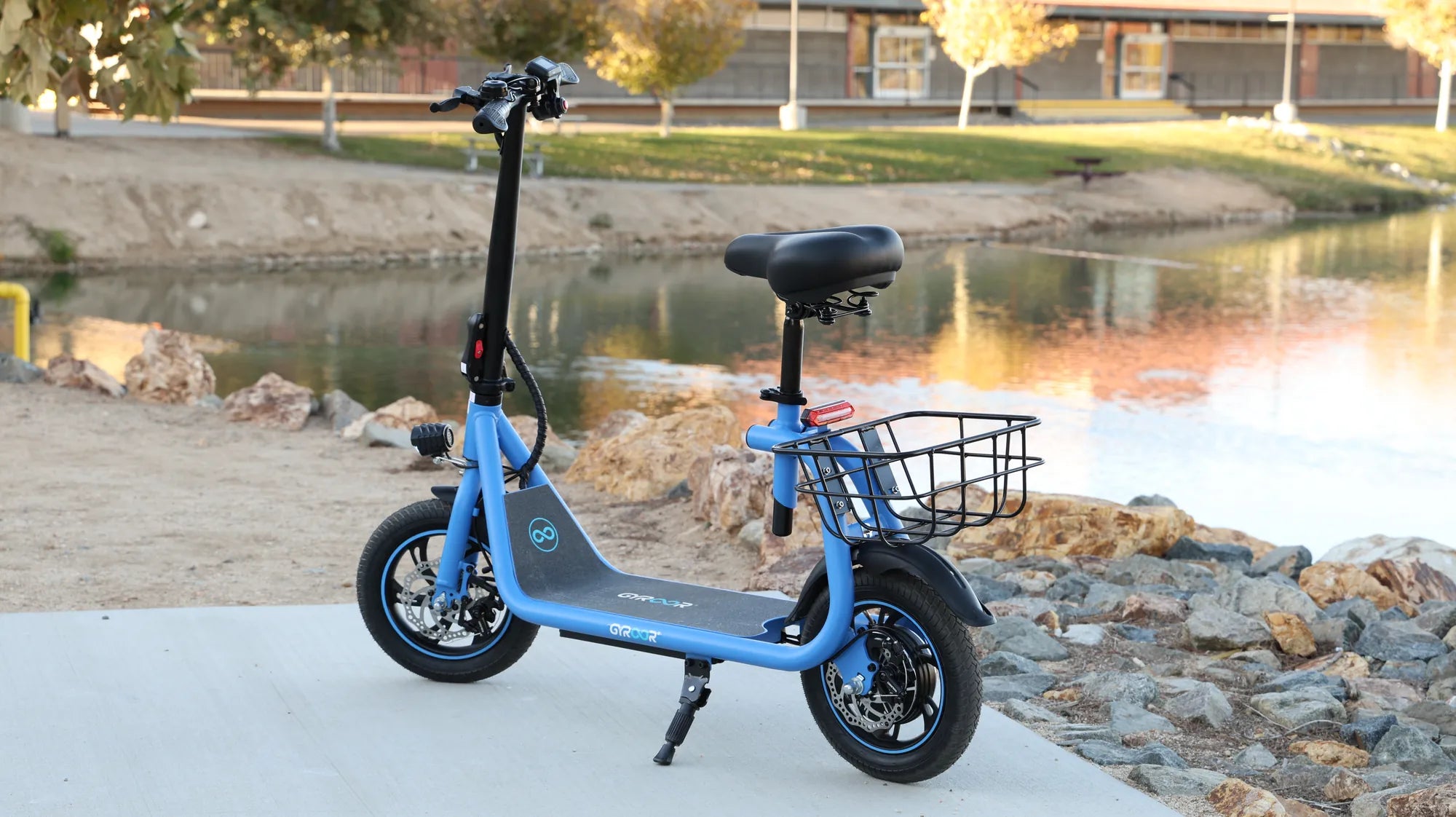
Introduction: The Rise of Two-Wheel Electric Scooters
City streets are clogged, public transit is crowded, and the environmental cost of traditional commuting is unsustainable. A quiet revolution on two wheels is offering a compelling solution. The 2 wheel electric scooter has emerged from a niche gadget to a mainstream mobility tool, fundamentally reshaping how people navigate dense urban environments. This article explores why this mode of transport is not just a trend, but a cornerstone of the future of urban mobility.
We will examine the data-driven advantages, from slashing commute times to reducing carbon footprints. You will learn what features define a safe, reliable scooter, using industry benchmarks like those set by leading brands. For over 100,000 riders across North America and Europe, brands like Gyroor have demonstrated that with proper engineering and safety standards, electric scooters provide a dependable, accessible, and transformative way to move.
Why 2-Wheel Electric Scooters Are Dominating City Streets
The rapid adoption of electric scooters is not accidental. It is a direct response to specific, growing urban challenges. These vehicles address core issues of cost, time, space, and environmental impact with a single, elegant solution. Their dominance is built on delivering tangible benefits that resonate with the daily realities of city dwellers.
Unlike bulkier personal vehicles, electric scooters integrate seamlessly into multi-modal commutes. They solve the "last-mile" problem—the frustrating gap between a transit stop and a final destination—with ease. This utility, combined with their low operational cost, creates a powerful value proposition that public transit or car ownership cannot match for short urban trips.
Unbeatable Commuting Efficiency
Time is the ultimate urban currency. Studies of micromobility consistently show that for trips under 5 miles in congested city centers, electric scooters often provide the fastest point-to-point travel time. They bypass standstill traffic, utilize bike lanes and pathways, and require zero time searching for parking.
The economic efficiency is equally compelling. The cost per mile for electricity to charge a scooter is a fraction of the cost of fuel, public transit fares, or ride-sharing services. With no parking fees, minimal maintenance, and no insurance mandates in most regions, the total cost of ownership remains remarkably low, paying for itself within months for a regular commuter.
Eco-Conscious and Sustainable Travel
Urban sustainability goals are driving cities to incentivize zero-emission transport. 2 wheel electric scooters produce zero direct tailpipe emissions, immediately improving local air quality. When charged on an average electrical grid, their lifecycle carbon footprint is significantly lower than that of passenger vehicles, even electric cars, due to their vastly smaller material and energy requirements.
This environmental benefit scales with adoption. As more commuters switch from cars to scooters for short trips, aggregate reductions in traffic congestion and greenhouse gas emissions can be substantial. Choosing a scooter is a direct, personal contribution to a city's carbon reduction targets, aligning individual convenience with collective environmental responsibility.
Compact Design and Urban Agility
The physical form factor of the modern electric scooter is its superpower in a crowded city. Foldable designs transform a vehicle into a portable package in seconds, allowing riders to bring it into offices, apartments, cafes, and onto public transit. This eliminates the risk of theft and the hassle of external parking.
This agility extends to the ride. With a narrow profile and tight turning radius, scooters can navigate through stalled traffic, crowded streets, and spaces inaccessible to cars. This maneuverability makes them ideal for the stop-and-go rhythm of urban centers, providing a sense of freedom and direct control over one's commute that is lost in a sealed vehicle or a packed train car.
Key Features to Look for in a Reliable E-Scooter
Not all electric scooters are created equal. The market ranges from disposable toys to serious commuter vehicles. Understanding key specifications and build qualities is essential for a safe, satisfying, and long-lasting ownership experience. The right features translate directly to reliability, safety, and performance on city streets.
Focusing on components that affect daily use and long-term durability will guide you to a worthwhile investment. Brands that prioritize these aspects, such as Gyroor with its focus on UL-certified batteries and robust warranties, demonstrate a commitment to the rider's safety and satisfaction, setting the standard for what a reliable scooter should be.
Safety and Certification: The Non-Negotiables
Safety is the paramount concern. The most critical component is the battery. Insist on a scooter with a UL-certified battery pack. This independent certification rigorously tests for electrical, mechanical, and fire safety, drastically reducing the risk of battery failure. It is the single most important indicator of a responsibly manufactured product.
Equally important is braking performance. A combination of braking systems—typically an electronic brake paired with a mechanical disc or drum brake—provides reliable stopping power in all conditions. Bright front and rear lights, reflectors, and an audible bell are essential for being seen and heard. Never compromise on these fundamental safety features.
Built for the Real World: Durability and Warranty
An urban commuter vehicle must withstand potholes, rain, and daily use. Look for a high IP (Ingress Protection) rating for water and dust resistance. An IPX5 rating, common in quality commuter models, means the scooter can withstand water jets from any direction, making it safe to ride in light rain and through wet streets.
The frame should be constructed from aerospace-grade aluminum or similar robust materials. A comprehensive warranty is a direct reflection of the manufacturer's confidence in their product. A 1-year warranty covering the motor, battery, and controller, like that offered by Gyroor, provides essential peace of mind and protects your investment from manufacturing defects.
Performance That Matches Your Lifestyle
Performance specs should align with your commute. Range is the most asked-about metric. Advertised ranges are often under ideal conditions; for real-world planning, assume 70-80% of the stated range, factoring in rider weight, hills, and temperature. A 15-20 mile real-world range is sufficient for most urban commutes.
Motor power, measured in watts, determines hill-climbing ability and acceleration. A 350W-500W motor handles moderate gradients common in cities. Speed should be appropriate for your local laws, which often cap scooter speeds at 15-20 mph. Finally, consider ride comfort: pneumatic (air-filled) tires and a suspension system absorb road vibrations far better than solid tires, making longer rides less fatiguing.
The Data-Driven Case: E-Scooters vs. Traditional Commuting
To understand the transformative potential of electric scooters, a quantitative comparison with traditional modes is essential. The following analysis uses conservative estimates and averages to illustrate the stark differences in cost, time, and environmental impact. These numbers make a compelling, objective argument for the shift toward personal electric micromobility.
The savings are multidimensional, affecting personal finances, daily schedules, and the urban environment. While individual circumstances vary, the directional trends are clear and powerful, demonstrating that for a significant portion of urban trips, the 2 wheel electric scooter is a superior choice across multiple metrics.
Cost Comparison Over One Year
The financial advantage of an electric scooter becomes apparent within the first year. The following table compares estimated annual costs for a 5-mile one-way commute (10 miles round trip), 220 days per year.
| Commute Mode | Upfront Cost | Annual Operating Cost (Fuel/Charge/Fare) | Annual Parking & Fees | Estimated Maintenance/Insurance | Total First-Year Cost |
|---|---|---|---|---|---|
| Personal Car (Gas) | $0 (owned) | $1,320 ($0.30/mile fuel) | $1,200 ($5/day) | $1,200 (insurance, upkeep) | $3,720 |
| Ride-Sharing | $0 | $4,400 ($20/day) | $0 | $0 | $4,400 |
| Public Transit | $0 | $1,100 ($5/day pass) | $0 | $0 | $1,100 |
| Electric Scooter | $700 | $22 ($0.01/charge) | $0 | $50 (tire, brake pad) | $772 |
As shown, even with a quality upfront investment, the electric scooter's first-year cost is significantly lower than car ownership or ride-sharing, and competitive with or cheaper than public transit when considering the added flexibility and door-to-door convenience.
Time and Carbon Savings Analysis
Time savings are highly city-dependent but consistently significant. In dense downtown corridors, average car speeds can drop below 10 mph during rush hour. An electric scooter maintaining a steady 15 mph in bike lanes can cut a 3-mile commute by 10-15 minutes each way, saving nearly an hour per week.
Environmentally, the savings are quantifiable. A gasoline-powered car emits roughly 411 grams of CO2 per mile. For our 10-mile daily commute, that's over 4.1 kg of CO2 per day, or nearly 900 kg per year. An electric scooter, charged on the U.S. average grid, is responsible for approximately 50-100 grams of CO2 per mile when accounting for electricity generation. This results in a reduction of over 800 kg of CO2 annually per commuter—a direct and meaningful contribution to cleaner air.
Integrating E-Scooters into the Urban Ecosystem
For 2 wheel electric scooters to fulfill their potential as the future of urban mobility, thoughtful integration into city infrastructure and policy is crucial. This goes beyond individual adoption to encompass public planning, regulation, and shared community norms. Successful integration benefits all city residents, not just scooter riders.
Cities leading in micromobility are creating dedicated, protected lanes, designating parking corrals, and establishing clear, safety-focused regulations. These measures reduce conflicts between riders, pedestrians, and cyclists, creating a safer and more predictable environment for everyone. The future urban street is multimodal, and the electric scooter is a key component of that design.
Infrastructure and Policy: Building the Pathway
The most critical infrastructure need is protected, connected bike and micromobility lanes. These dedicated pathways separate lighter, slower vehicles from car traffic, dramatically improving safety and rider confidence. Cities like Paris and Barcelona have demonstrated that expanding these networks directly increases scooter and bicycle usage.
Clear, sensible regulations are equally important. These often include speed limits (15-20 mph in bike lanes, lower on sidewalks), age requirements, prohibitions against sidewalk riding in busy areas, and rules against riding under the influence. Consistent enforcement and public education ensure these rules are understood and followed, fostering a culture of responsible ridership.
Shared Mobility vs. Private Ownership
The urban scooter landscape features two models: dockless shared scooters for short, spontaneous trips, and privately owned scooters for daily, reliable commuting. Shared fleets provide accessibility and trial, introducing the concept to a wide audience. However, they face challenges with maintenance, clutter, and shorter lifespans due to heavy use.
Private ownership, particularly of higher-quality models from trusted brands, offers superior performance, hygiene, constant availability, and better long-term cost efficiency for regular users. The most mature urban mobility systems will likely see a hybrid model, where shared fleets serve tourists and one-off trips, while private ownership dominates the daily commuter market, supported by secure parking and charging facilities at transit hubs.
Advanced Technologies Shaping the Next Generation
The evolution of the 2 wheel electric scooter is accelerating, driven by advancements in battery science, connectivity, and vehicle dynamics. The next generation of scooters will be smarter, safer, and more integrated into the digital fabric of the city. These innovations will further solidify their role as a primary urban transport solution.
From self-diagnosing systems to advanced driver-assistance features, technology is poised to enhance every aspect of the riding experience. These developments will also address lingering concerns about safety and theft, making scooters an even more attractive and reliable choice for the urban commuter of tomorrow.
Battery and Connectivity Innovations
The heart of the scooter is its battery. Solid-state battery technology, on the horizon, promises higher energy density, meaning longer ranges from similarly sized packs, along with improved safety and faster charging times. Wireless charging pads embedded in parking spots could also become a reality, enabling effortless top-ups.
Connectivity through Bluetooth and 4G/5G modules will enable features like digital locking, real-time location tracking via GPS, theft alerts, and remote diagnostics. Integrated smartphone apps will provide ride metrics, navigation, and maintenance reminders, turning the scooter into a connected device that actively manages its own health and security.
Enhanced Safety and Stability Systems
Future scooters will incorporate more automotive-grade safety technology. Electronic Stability Control (ESC) can prevent wheel slip during acceleration or on wet surfaces. Adaptive front lighting can illuminate corners. Proximity sensors could warn riders of vehicles in blind spots.
Advanced braking systems with combined braking (applying both brakes from a single lever) and anti-lock braking (ABS) will become more common, preventing skids and maximizing stopping power. These systems work to make the ride inherently safer, protecting both the experienced rider and the novice, and reducing accident rates as adoption grows.
Addressing Common Concerns: FAQs for New Riders
Prospective riders often have practical questions. Addressing these directly helps build confidence and ensures a safe, legal, and enjoyable start to scooter commuting.
1. Are electric scooters difficult or dangerous to learn?
Most adults can learn the basics of riding a 2 wheel electric scooter in under 30 minutes in a safe, open area. The key is starting slow. Use a model with a beginner or eco mode that limits speed. Always wear a helmet, and practice braking, turning, and balancing at low speeds before venturing into traffic. The learning curve is significantly gentler than for bicycles or motorcycles.
2. Where am I allowed to ride and park?
Laws vary by city and country. You must check your local regulations. Generally, scooters are permitted in bicycle lanes and on streets with speed limits at or below 25-30 mph. Riding on sidewalks is often prohibited in business districts. For parking, always use a designated scooter/bike rack if available. Never block sidewalks, ramps, building entrances, or accessible pathways. When in doubt, treat parking like you would a bicycle.
3. How do I maintain my scooter for longevity?
Regular maintenance is simple but crucial. Keep tire pressure at the recommended PSI (check weekly for pneumatic tires). Regularly inspect brakes for wear and ensure they engage crisply. Keep the scooter clean, especially the braking surfaces. For the battery, avoid leaving it at 0% or 100% charge for extended periods; storing it at 50-80% is ideal for long-term health. Follow the manufacturer's specific guidelines.
4. What is the best way to prevent theft?
Portability is your best defense—fold and take it with you whenever possible. When you must lock it, use a high-quality, hardened steel U-lock or heavy-duty chain lock, securing the frame (not just the wheel) to a fixed, immovable object. GPS trackers integrated or added to the scooter provide a powerful recovery tool. Never rely on a scooter's built-in electronic lock alone in a public place.
5. Can I ride in the rain?
This depends entirely on the scooter's IP rating. A rating of IPX5 or higher (like many Gyroor models) means the scooter is protected against water jets and is safe to ride in light to moderate rain and on wet roads. However, always exercise extreme caution: reduce speed, avoid puddles (which may hide potholes), brake earlier and more gently, and never submerge any part of the scooter. Scooters with lower IP ratings should not be ridden in the rain.
Conclusion: Embracing a Smarter, Greener Commute
The evidence is overwhelming. 2 wheel electric scooters offer a direct, practical, and powerful response to the inefficiencies of 20th-century urban transport. They save time and money, reduce environmental impact, and reclaim the joy of moving through a city. They represent a shift toward personal, efficient, and sustainable mobility that scales to the needs of modern urban life.
Choosing the right scooter is the first step. Prioritize safety certifications like UL for the battery, robust construction with proper water resistance, and the backing of a reliable warranty. Brands that stand behind their products, such as Gyroor with its commitment to UL-certified batteries and comprehensive 1-year coverage, provide the reliability needed for a true commuting partner. The future of urban mobility is electric, agile, and on two wheels. It's time to join the movement and redefine your commute.
Ready to transform your urban commute? Explore a range of durable, safety-certified options designed for the real world. Browse the full Gyroor collection at gyroorboard.com.
Top Selling Electric Scooters: The Ultimate Guide to Choosing the Best Ride
Top Selling Electric Scooters: The Ultimate Guide to Choosing the Best Ride