

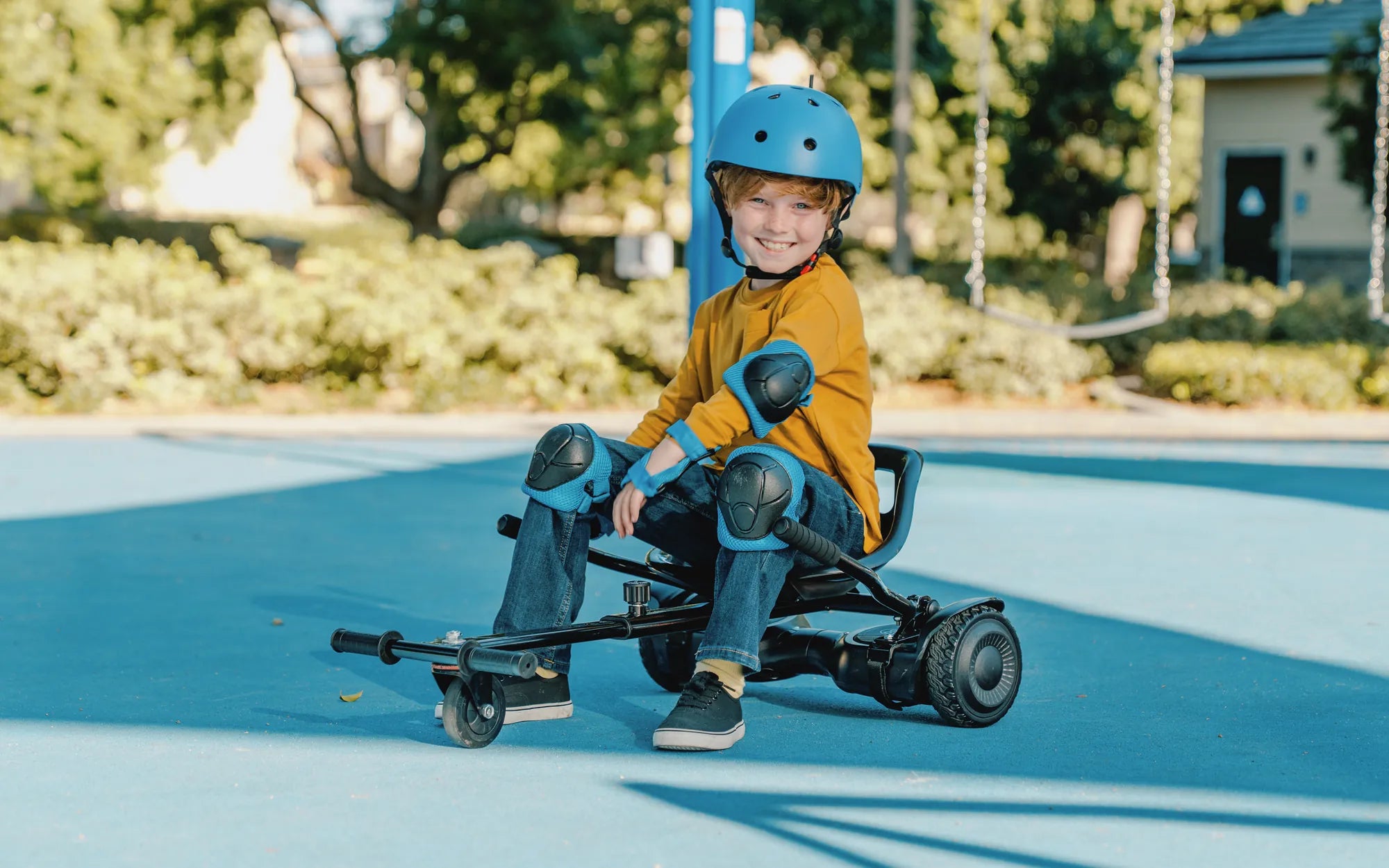
Introduction: Why a 2-Wheel Scooter Bike is a Milestone for Kids
A 2 wheel scooter bike for kids represents a fundamental leap in childhood mobility and development. This hybrid vehicle, often called a balance bike or kick bike, serves as the critical bridge between tricycles and traditional bicycles. It eliminates the fear and complexity of pedals, allowing children to focus entirely on mastering balance and steering.
This guide will provide you with comprehensive data on selecting, using, and maintaining these vehicles. You will learn how to identify key safety features, compare models for different age groups, and implement proven teaching methods. The goal is to transform a simple purchase into an investment in your child's confidence, coordination, and long-term love for active play.
Understanding the mechanics and benefits of a 2 wheel scooter bike for kids is the first step. These tools are engineered not just for fun, but for foundational skill development. Research indicates that children who start on balance bikes often transition to pedal bikes faster and with less anxiety than those using training wheels.
We will analyze everything from frame geometry to tire composition. The right choice combines ergonomic design with robust safety engineering. This ensures every ride contributes to physical development while minimizing risk.
Understanding the 2-Wheel Scooter Bike: More Than Just a Toy
A 2 wheel scooter bike for kids is fundamentally different from both a standard kick scooter and a pedal bicycle. The core design principle is simplicity: a frame, two wheels, a seat, and handlebars. Propulsion comes solely from the child's feet pushing against the ground, which naturally teaches weight distribution and dynamic balance.
The absence of pedals and drivetrain is intentional. It reduces mechanical complexity and potential points of failure. This design allows a toddler or young child to concentrate on the essential skills of leaning, steering, and stopping without cognitive overload. The seated position also offers more stability than a stand-up scooter, making it ideal for beginners.
These bikes are categorized by wheel size, which directly correlates to the child's height and inseam. Common sizes range from 10-inch wheels for 18-month-olds to 16-inch wheels for 6-year-olds. The progression through sizes mirrors the child's growth, providing a consistent learning platform.
The market includes both purely mechanical balance bikes and electric-assist models for older children. The electric variants, like those engineered by Gyroor, incorporate low-speed motors and intuitive controls to extend the fun while teaching responsible power management. However, the core focus for early learners remains on the non-powered balance bike.
Key Safety Features Every Parent Must Look For
Safety is the non-negotiable foundation of a good 2 wheel scooter bike for kids. Beyond a sturdy appearance, specific design elements work in concert to protect your child. Prioritizing these features dramatically reduces the risk of falls and injuries, turning a potential hazard into a controlled learning environment.
A comprehensive safety assessment looks at adjustability, frame design, braking, and tire systems. Each component must be appropriate for the child's age, strength, and coordination level. Compromising on any of these areas can undermine the entire riding experience and delay skill acquisition.
Adjustable Seat and Handlebar Height
Proper fit is paramount for control and safety. An ideal 2 wheel scooter bike for kids features easily adjustable seat posts and handlebar stems. The child should be able to sit on the saddle with both feet flat on the ground and a slight bend in the knee (approximately a 25-30 degree angle).
This "flat-footed" posture provides immediate stability and confidence. The handlebars should be at or slightly below seat height, allowing for a comfortable, upright riding position without straining the back or shoulders. Adjustability ensures the bike can grow with the child for 2-3 years, offering a high return on investment.
Frame Design and Weight
The frame's geometry and mass are critical for handling. A lightweight frame, typically constructed from aluminum alloy or high-grade composite materials, is essential. A bike that weighs more than 30% of the child's body weight will be difficult to control, maneuver, and recover from a tip.
Look for a low-step or step-through design. This allows for easy mounting and dismounting, especially in sudden stops. The frame should have no sharp edges, protrusions, or pinch points. Rounded tubing and capped ends are indicators of thoughtful, child-centric design that prioritizes safety during play.
Tire Type: Air vs. Foam/Polymer
Tire choice dictates ride quality, traction, and maintenance. Pneumatic (air-filled) tires offer superior shock absorption, providing a smoother ride on uneven surfaces like sidewalks, gravel paths, and grass. They also provide better grip, which enhances control during turns and braking.
Never-flat foam or polymer (EVA) tires are maintenance-free and puncture-proof, ideal for strictly smooth, indoor or paved surfaces. However, they offer a rougher ride and less traction. For a versatile 2 wheel scooter bike for kids that can handle varied terrain, pneumatic tires are generally the safer, more comfortable option despite requiring occasional air checks.
Reliable Braking System
A controlled stop is as important as a steady ride. For very young beginners (under 3), a foot-drag brake—using their shoes on the ground—is sufficient as they are not achieving high speeds. For children aged 3.5 and up, a hand-operated brake is a crucial safety feature to learn.
A rear hand brake with a short-throw, easy-squeeze lever teaches proper braking technique early. The brake should offer progressive stopping power, not a sudden lock-up. Models from reputable brands like Gyroor often feature adjustable brake levers to fit small hands, ensuring the child can actuate the brake comfortably and effectively.
Why Gyroor's Approach to Kids' Mobility Stands Out
Gyroor brings its engineering philosophy from adult electric mobility into the kids' segment, emphasizing safety, durability, and thoughtful design. As a brand trusted by over 100,000 riders across North America and Europe, their commitment to certified safety standards provides unparalleled peace of mind for parents.
This approach is evident in their material choices and construction. While offering robust electric models for older kids, the principles translate to their non-powered balance bike designs: robust frames, reliable components, and user-centric adjustability. The brand's reputation is built on avoiding shortcuts in manufacturing and quality control.
A cornerstone of Gyroor's ethos is battery safety. For their electric-assist models, they exclusively use UL-certified battery packs tested for 500+ charge cycles. This certification is a rigorous third-party validation of fire and electrical safety, a critical consideration often overlooked in children's products. It reflects a proactive approach to risk mitigation.
Furthermore, features like IPX5 water-resistant designs on applicable models mean puddles or light rain won't end the fun or cause damage. Backed by a reliable 1-year comprehensive warranty, investing in a Gyroor product means investing in a tool designed for lasting performance and safety, allowing parents to focus on their child's joy and development.
Choosing the Right Model: A Data-Driven Comparison for Different Ages
Selecting the correct 2 wheel scooter bike for kids requires matching the bike's specifications to the child's physical dimensions and developmental stage. The following table provides a clear, data-driven comparison to guide your decision. Always prioritize the child's inseam measurement over age alone, as children grow at different rates.
| Age Range | Child Height | Wheel Size | Key Features Focus | Ideal Use Case |
|---|---|---|---|---|
| 18 mos - 2.5 yrs | 30" - 34" (76 - 86 cm) | 10" - 12" | Ultra-lightweight frame (< 7 lbs), low seat height (10"), no brake, foam tires. | Indoor floors, smooth patios, controlled environments. |
| 2.5 - 3.5 yrs | 34" - 38" (86 - 96 cm) | 12" | Lightweight frame (8-10 lbs), adjustable seat (12"-16"), foot brake, air or foam tires. | Driveways, smooth park paths, backyard riding. |
| 3.5 - 5 yrs | 38" - 44" (96 - 112 cm) | 14" | Durable aluminum frame, hand brake (rear), pneumatic tires, full steering rotation limit. | Sidewalks, paved trails, gentle slopes with supervision. |
| 5 - 7 yrs | 44" - 50" (112 - 127 cm) | 16" | Robust frame, front & hand brakes, air tires, potential for electric-assist (e.g., Gyroor models). | Neighborhood exploration, longer rides, varied terrain. |
For beginners, the primary goal is building confidence. A bike that is too tall or heavy will discourage use. The 12" to 14" wheel category is often the most utilized, serving children for multiple years of critical development. As children graduate to 16" wheels, introducing a simple electric-assist model can renew interest and extend the bike's useful life.
Consider the primary riding surface. For exclusively smooth pavement, polymer tires are low-maintenance. For any off-curb use, grass, or gravel, pneumatic tires are a mandatory safety feature for control and comfort. The inclusion of a hand brake in the 3.5+ age range is essential for teaching speed modulation and safe stopping habits.
Top Tips for Teaching Your Child to Ride Safely
Effective instruction transforms a new bike from a daunting object into a source of independence. The process should be patient, positive, and progressive. Start by ensuring all safety gear—a properly fitted helmet, knee pads, and elbow pads—is non-negotiable and worn before every session.
Begin in a safe, controlled environment. A flat, smooth, paved area free of traffic, like an empty tennis court, schoolyard, or cul-de-sac, is ideal. Avoid grass initially, as the added resistance makes gliding and balancing more difficult. Let your child first walk with the bike between their legs to get a feel for its weight and steering.
Encourage a "scoot and glide" motion. Have them push off strongly with both feet and lift their feet onto footrests (if present) or let them dangle. The goal is to achieve longer and longer balanced glides. Celebrate these glides, not speed. Phrases like "long legs!" or "super glide!" make it a game.
Introduce steering and braking gradually. Set up wide, gentle slalom courses using chalk or soft cones. For braking, practice at a slow walk, having them squeeze the hand brake and feel the stopping power. Always end sessions on a high note, before frustration sets in. Consistent, short, positive practices are far more effective than occasional long ones.
Frequently Asked Questions (FAQs)
Q1: What is the ideal age to start with a 2-wheel scooter bike?
Children can start as early as 18 months, provided they are steady walkers and the bike fits their inseam (feet flat on the ground). The 2-3 year old range is most common. The key indicator is physical readiness, not a specific birthday.
Q2: How do I know if the bike is the right size for my child?
Measure your child's inseam (barefoot from crotch to floor). The bike's minimum saddle height should be 1-1.5 inches less than this measurement. This ensures they can sit comfortably and plant both feet firmly for stability and pushing off.
Q3: Are balance bikes better than training wheels?
Data and developmental experts strongly favor balance bikes. Training wheels teach a child to pedal but prevent them from learning to balance, creating a second learning hurdle when the wheels come off. Balance bikes teach natural balance and steering from day one, leading to a faster, more confident transition to a pedal bike.
Q4: Can my child use it on rough or grassy terrain?
This depends on the bike's tires. Models with pneumatic (air-filled) tires can handle mild off-road terrain like hard-packed dirt, gravel, and short grass. Bikes with solid foam/polymer tires are for smooth pavement only, as they lack traction and shock absorption for rough surfaces.
Q5: What maintenance does a scooter bike require?
Regular maintenance is simple but crucial. For pneumatic tires, check air pressure weekly. Monthly, inspect bolts (especially on the handlebar and seat post) for tightness, check the brakes for function and pad wear, and lubricate any moving parts like the steering headset with a dry lubricant. Wipe down the frame after dirty or wet rides.
Conclusion: Investing in Confidence and Joy
A well-chosen 2 wheel scooter bike for kids is far more than a toy; it is a developmental tool that builds core strength, coordination, and self-assurance. The skills learned—balance, spatial awareness, risk assessment—have lifelong benefits. By prioritizing adjustable safety features, appropriate sizing, and quality construction, you lay the foundation for countless hours of healthy, active outdoor play.
The journey from tentative first pushes to confident, gliding turns is a milestone worth celebrating. It represents a child's growing independence and mastery over their environment. Equip them with a vehicle that is safe, reliable, and fits them perfectly, and you remove barriers to their success.
Ready to find the perfect model to start your child's adventure? Explore a range of thoughtfully designed options that prioritize safety and durability. Browse the full Gyroor collection at gyroorboard.com to discover bikes engineered for fun, growth, and peace of mind.
Top Kids Scooter: The Ultimate Guide for Parents and Kids
Best Buy Self Balancing Scooter: The Ultimate Guide to Choosing the Perfect Ride