



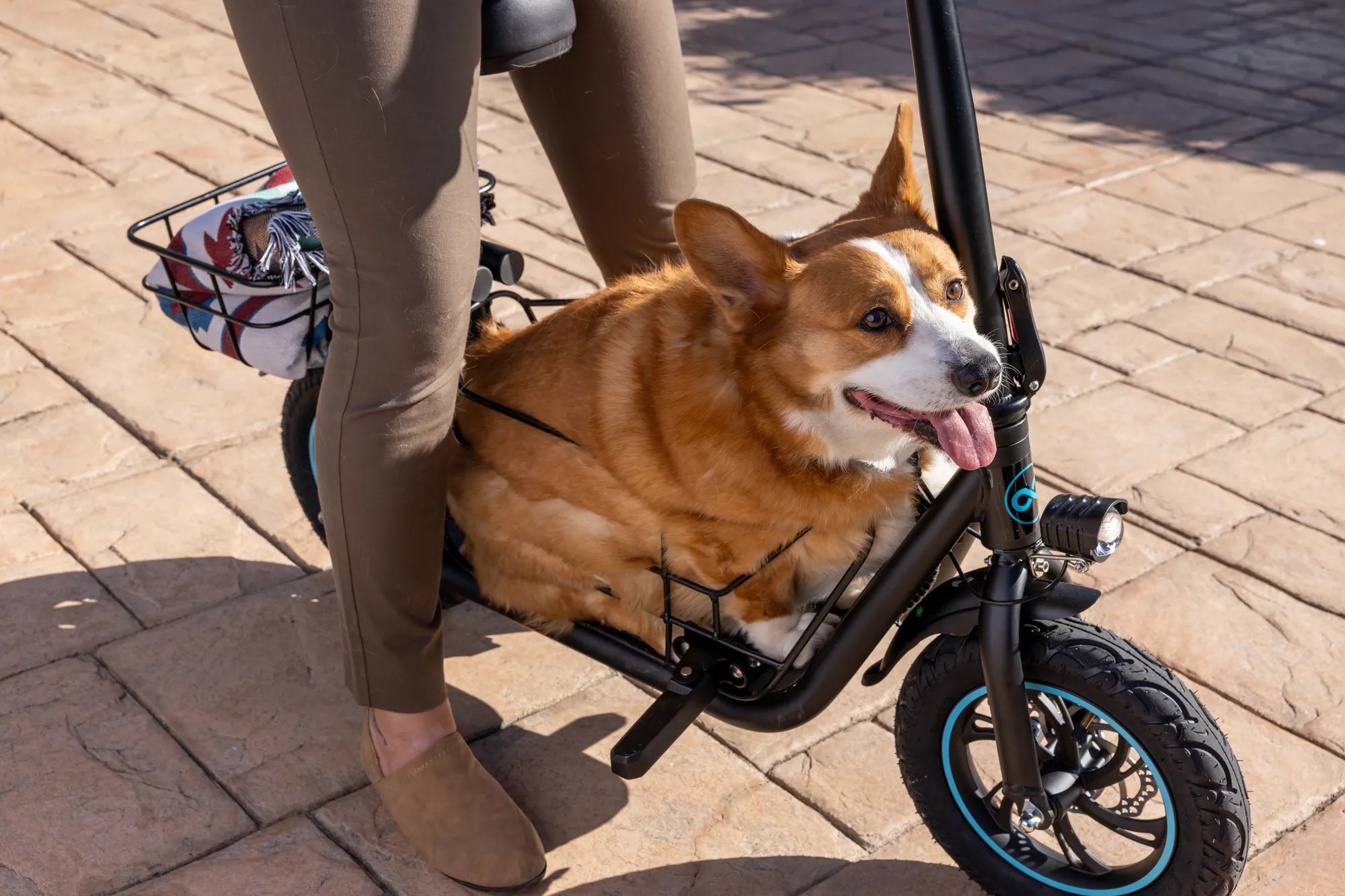
Introduction: The 20 MPH Sweet Spot for Electric Scooters
Choosing an electric scooter often starts with speed, and 20 mph has emerged as the ideal benchmark for urban mobility. This speed represents the perfect balance between practical commuting pace and manageable power, offering a significant upgrade over pedestrian speeds without venturing into territory that requires special licensing in many areas. Understanding the 20 mph electric scooters price landscape requires looking beyond the initial number to examine the components, safety features, and long-term reliability that determine true value.
This guide will provide a comprehensive breakdown of what influences cost, from motor specifications and battery certifications to warranty coverage and durability features. We'll explore different market tiers, analyze the total cost of ownership, and help you identify which features deliver the best return on investment for your specific needs. The 20 mph electric scooters price conversation is fundamentally about value engineering—determining which scooter delivers reliable performance, safety, and longevity at various price points.
Whether you're commuting to work, navigating a college campus, or running local errands, a 20 mph scooter can transform your daily routine. However, not all scooters in this speed category are created equal. The market ranges from bare-bones models with questionable durability to well-engineered vehicles built for years of reliable service. By the end of this guide, you'll understand exactly what you're paying for and how to make an informed purchasing decision.
Understanding the 20 MPH Electric Scooter Market
The 20 mph electric scooter occupies a strategic position in the personal electric vehicle ecosystem. Compared to slower models (typically 15-18 mph), it provides noticeably faster trip times and better hill-climbing capability. Against faster scooters (25+ mph), it often represents better regulatory compliance, lower insurance concerns, and more manageable power for everyday riders. This speed class has become particularly popular among commuters, students, and last-mile travelers who need efficient urban transportation.
From a regulatory perspective, many municipalities treat 20 mph as a threshold speed. Scooters capable of exceeding 20 mph may face different classification, insurance requirements, or even riding restrictions in certain areas. By targeting this specific speed, manufacturers create products that are more likely to be street-legal and acceptable for use on bike lanes and urban pathways. This practical consideration significantly influences both design choices and 20 mph electric scooters price structures across the industry.
The typical rider profile for this category includes urban professionals with 3-8 mile commutes, college students navigating large campuses, and residents of dense urban areas who use scooters for local errands and connections to public transit. These users prioritize reliability, portability, and sufficient range for daily use over extreme performance. The market has responded with focused engineering that optimizes for these specific use cases rather than pursuing maximum speed at all costs.
When evaluating the 20 mph electric scooters price in this segment, it's essential to recognize that you're not just paying for speed capability. You're investing in a complete transportation solution that includes safety systems, durability features, battery technology, and manufacturer support. The best models in this category offer thoughtful engineering that balances performance with practical everyday usability, creating products that genuinely enhance urban mobility rather than simply providing a thrill ride.
Key Factors That Influence Price Beyond the Sticker Tag
The advertised price of a 20 mph electric scooter tells only part of the story. True cost analysis requires understanding the components and features that differentiate basic transportation from a reliable daily companion. Manufacturers allocate their budgets across several critical systems, and where they invest—or cut corners—directly impacts both performance and longevity. Savvy buyers learn to read between the specification sheets to identify genuine value.
Price variations often reflect differences in materials, engineering sophistication, safety certifications, and after-sales support. A scooter that costs $100 more might include a significantly better battery management system, more durable tires, or a more comprehensive warranty—all of which contribute to lower long-term costs and better user experience. The initial 20 mph electric scooters price represents just the beginning of your financial relationship with the product.
Understanding these factors helps explain why two scooters with identical top speed specifications might have substantially different price tags. One might achieve 20 mph with a poorly regulated motor and minimal safety systems, while another maintains that speed with sophisticated electronic controls, thermal protection, and premium components designed for consistent performance. The latter approach requires more engineering investment but delivers substantially better reliability.
As we examine specific components in the following sections, remember that the most expensive individual part isn't necessarily the best indicator of overall quality. Rather, it's the integration of well-matched components into a cohesive system that determines true value. A scooter with a premium motor but inadequate brakes, or an excellent battery with poor weather protection, represents compromised engineering that will likely lead to problems down the road.
Motor Power & Battery Performance
The propulsion system represents one of the most significant cost drivers in any electric scooter. For 20 mph models, motor power typically ranges from 350W to 500W, with higher wattage generally providing better acceleration and hill-climbing capability. However, wattage alone doesn't tell the full story—motor efficiency, thermal management, and controller quality all contribute to real-world performance. A well-engineered 400W system can sometimes outperform a poorly designed 500W motor.
Battery technology represents an even more critical cost and safety factor. Capacity (measured in watt-hours or amp-hours) directly impacts range, but cell quality and battery management systems (BMS) determine safety and longevity. Premium scooters use high-quality lithium-ion cells from reputable manufacturers, coupled with sophisticated BMS that monitor temperature, voltage, and current to prevent overcharging, deep discharge, and thermal runaway.
The importance of UL certification for batteries cannot be overstated. This independent safety certification involves rigorous testing for electrical, mechanical, and environmental hazards. Brands like Gyroor that invest in UL-certified battery packs (tested for 500+ charge cycles) provide significantly better protection against fire risks and ensure consistent performance over time. This certification adds to manufacturing costs but represents non-negotiable safety value for informed buyers.
When evaluating the 20 mph electric scooters price in relation to battery performance, consider both the stated range and the conditions under which it's achieved. Manufacturer range claims often represent ideal conditions (flat terrain, moderate temperature, light rider). Real-world range can be 20-40% lower depending on hills, rider weight, temperature, and riding style. Higher-quality batteries with better thermal management maintain their performance across a wider range of conditions.
Build Quality & Durability Features
Frame construction represents another major differentiator in scooter pricing. Entry-level models often use basic steel or lower-grade aluminum alloys, while premium scooters employ aircraft-grade aluminum or reinforced alloys that provide better strength-to-weight ratios. The manufacturing process also matters—welded joints versus bolted assemblies, reinforcement at stress points, and overall fit and finish all contribute to durability and affect the 20 mph electric scooters price.
Suspension systems add both comfort and cost. Basic models may offer only pneumatic tire cushioning, while better scooters include spring or hydraulic suspension at one or both wheels. Effective suspension not only improves ride comfort on uneven surfaces but also reduces stress on the frame and components, extending the scooter's lifespan. The quality of suspension components—particularly their seals and lubrication—determines how well they maintain performance over time.
Braking systems represent a critical safety investment that directly impacts pricing. Options range from basic foot brakes and electronic regenerative braking to mechanical disc brakes and hydraulic systems. For 20 mph scooters, a combination of electronic and mechanical braking provides optimal safety, with disc brakes offering superior stopping power in wet conditions. Better braking systems include features like adjustable levers and wear indicators that enhance both safety and maintenance awareness.
Water resistance ratings (IP codes) significantly affect both durability and price. An IPX5 rating, like those found on Gyroor scooters, indicates protection against water jets from any direction—meaning the scooter can handle riding in light rain and through puddles. Achieving this rating requires careful sealing of electrical components, waterproof connectors, and protected ventilation systems. This feature adds manufacturing complexity but dramatically increases the scooter's all-weather usability and long-term reliability.
Safety, Warranty, and Support
The warranty terms offered with a scooter provide valuable insight into the manufacturer's confidence in their product—and directly impact the effective 20 mph electric scooters price. A comprehensive 1-year warranty that covers the motor, battery, controller, and frame indicates substantial engineering investment and quality control. Shorter warranties or those with numerous exclusions often signal potential reliability issues or planned obsolescence.
Customer support infrastructure represents another hidden cost factor. Brands with US-based support teams, readily available replacement parts, and clear repair documentation invest significantly in post-purchase customer experience. While this investment increases operational costs, it provides tremendous value when issues arise. The availability of genuine replacement parts—and their pricing—directly affects the scooter's long-term maintenance costs.
Safety features beyond basic components include lighting systems, reflectors, audible alerts, and stability enhancements. Premium scooters often feature brighter LED headlights with better beam patterns, integrated brake lights, side reflectors, and turn signals. These features increase manufacturing costs but significantly improve visibility and safety, particularly for urban commuting during dawn, dusk, or nighttime hours.
Documentation and compliance markings also indicate quality investment. Proper safety certifications (UL, CE, RoHS), clear user manuals with maintenance guidelines, and accurate specification labels all require engineering validation and administrative effort. While these elements don't directly affect performance, they demonstrate a manufacturer's commitment to product safety and regulatory compliance—qualities that typically correlate with better overall build quality and reliability.
Price Range Breakdown: What to Expect for Your Budget
The electric scooter market segments into distinct price tiers, each offering different combinations of features, performance, and build quality. Understanding what's realistically achievable within your budget helps set appropriate expectations and identify the best value propositions. The 20 mph electric scooters price spectrum ranges from entry-level models with significant compromises to premium products designed for years of reliable service.
Below is a comprehensive comparison of what different price tiers typically deliver. This table illustrates how component quality, features, and manufacturer support evolve across the pricing spectrum:
| Feature Category | Budget Tier ($300-$500) | Mid-Range/Value Tier ($500-$800) | Premium Tier ($800+) |
|---|---|---|---|
| Motor Power | 250W-350W nominal (may struggle on hills) | 350W-500W reliable performance | 500W+ with advanced controllers |
| Battery Quality | Basic cells, minimal BMS, no safety certs | Branded cells, decent BMS, sometimes UL-certified | Premium cells, advanced BMS, UL-certified standard |
| Real-World Range | 8-12 miles (ideal conditions) | 12-20 miles (mixed conditions) | 20-30+ miles (mixed conditions) |
| Frame & Build | Basic materials, minimal reinforcement | Aluminum alloy, decent welding/finish | Aircraft-grade aluminum, reinforced stress points |
| Suspension | Pneumatic tires only | Front or dual spring suspension | Hydraulic or advanced spring systems |
| Braking System | Foot brake or basic e-brake | Electronic + mechanical (drum/disc) | Dual disc brakes, sometimes hydraulic |
| Water Resistance | Minimal (IPX4 or unspecified) | IPX5 standard for all-weather use | IPX5 or higher, fully sealed components |
| Warranty Coverage | 90 days to 6 months, limited parts | 1 year comprehensive (motor, battery, frame) | 1-2 years comprehensive, sometimes extended options |
| Support & Parts | Limited availability, long lead times | Reasonable parts availability, decent support | Excellent parts inventory, responsive support |
This comparison reveals how the 20 mph electric scooters price correlates with substantial differences in component quality and long-term reliability. While all tiers may technically achieve 20 mph under ideal conditions, their ability to maintain that performance consistently over time varies dramatically based on these underlying quality factors.
Budget Tier ($300 - $500)
The budget tier represents the entry point into the 20 mph electric scooter market. Models in this range typically achieve their price point through component compromises, simplified designs, and reduced manufacturing costs. While they can provide functional transportation, buyers should understand the limitations and potential trade-offs associated with this pricing level.
Motor performance in this tier often focuses on achieving the advertised speed rather than sustained power delivery. You might find 350W motors that can reach 20 mph on flat ground but struggle significantly on inclines. Battery systems typically use lower-grade cells with minimal battery management, resulting in faster degradation and more significant range reduction over time. The 20 mph electric scooters price in this tier reflects these engineering simplifications.
Build quality and durability features represent significant compromises. Frames may use thinner materials with less reinforcement at stress points. Suspension is often limited to pneumatic tire cushioning, and braking systems typically rely on basic mechanical or electronic systems with limited stopping power. Water resistance, if specified at all, is usually minimal (IPX4 or lower), making these scooters unsuitable for wet conditions.
Warranty and support are typically limited in this tier. Coverage periods range from 90 days to 6 months, often with numerous exclusions. Replacement parts can be difficult to source, and customer support may be limited to email communication with slow response times. For riders with very limited budgets who understand these compromises and have flat, short commutes in dry conditions, budget models can provide basic functionality. However, the total cost of ownership may be higher than expected when considering potential repairs and shortened lifespan.
Mid-Range / Value Tier ($500 - $800)
The mid-range tier represents the optimal balance of performance, quality, and affordability for most commuters—the true sweet spot in the 20 mph electric scooters price spectrum. This is where brands like Gyroor compete most effectively, offering well-engineered scooters with reliable components, proper safety features, and reasonable long-term durability. For the majority of urban riders, this tier delivers the best overall value proposition.
Motor systems in this range typically feature 350W-500W motors with decent controllers that provide consistent performance and adequate hill-climbing ability. Battery technology improves significantly, with better cells and more sophisticated battery management systems. Many models in this tier now offer UL-certified battery packs, providing crucial safety assurance that's worth the additional investment.
Build quality sees substantial improvements over budget models. Frames utilize better aluminum alloys with proper reinforcement at critical joints. Suspension systems often include front or dual spring setups that significantly improve ride comfort on uneven surfaces. Braking typically combines electronic regeneration with mechanical disc or drum brakes, providing reliable stopping power in various conditions. IPX5 water resistance becomes standard, enabling all-weather riding capability.
Warranty coverage expands to a comprehensive 1-year period covering the motor, battery, controller, and frame—a clear indication of manufacturer confidence. Customer support improves with better response times and more readily available replacement parts. The total cost of ownership in this tier is typically lower than budget options due to better reliability and longer component lifespan. For riders seeking dependable daily transportation without premium features, this tier represents the optimal investment.
Premium Tier ($800+)
The premium tier caters to riders who prioritize maximum durability, advanced features, and superior ride quality. While these scooters share the same 20 mph speed classification, they achieve it through over-engineered components that provide exceptional reliability, comfort, and longevity. The 20 mph electric scooters price in this tier reflects materials, engineering, and features designed for intensive use and extended service life.
Motor systems often exceed the minimum requirements, with 500W+ motors and advanced controllers that provide smooth acceleration and excellent thermal management. Battery technology represents the current state of the art, with high-density cells, sophisticated management systems, and robust safety certifications. Range capabilities often extend well beyond typical commuting needs, reducing charge frequency and battery stress.
Build quality approaches light vehicle standards, with aircraft-grade aluminum frames, precision welding, and excellent fit and finish. Suspension systems utilize hydraulic or advanced spring designs with adjustable settings for different riding conditions. Braking systems feature dual disc setups, sometimes with hydraulic actuation, providing exceptional stopping power and modulation. Weather protection extends beyond IPX5 to include better sealing of all electrical connections and components.
Additional premium features may include integrated digital displays with Bluetooth connectivity, mobile applications for ride tracking and settings adjustment, enhanced lighting systems with automatic functions, and superior portability features like more effective folding mechanisms. Warranty coverage often extends to 2 years or includes optional extensions, with premium customer support channels and rapid parts availability. For riders who use their scooters intensively or simply want the most reliable and feature-rich option, the premium tier justifies its higher initial cost through exceptional long-term value.
Maximizing Your Investment: Total Cost of Ownership
Smart scooter purchasing requires looking beyond the initial 20 mph electric scooters price to consider the complete financial picture over the vehicle's usable lifespan. Total cost of ownership includes purchase price, maintenance expenses, potential repair costs, battery replacement, and even resale value. A slightly higher initial investment in quality components often translates to significantly lower long-term costs and better overall value.
Maintenance represents the most predictable ongoing expense. All scooters require periodic tire replacements, brake adjustments or pad replacements, and general cleaning and lubrication. Premium models with better components often have longer service intervals and lower maintenance frequency. For example, hydraulic disc brakes may require less frequent adjustment than mechanical systems, and premium tires often offer better wear characteristics and puncture resistance.
Battery degradation represents another significant long-term cost factor. All lithium-ion batteries lose capacity over time and with charge cycles. Higher-quality batteries with better thermal management and sophisticated charging systems typically maintain their capacity longer and sustain more charge cycles before requiring replacement. The cost of a replacement battery—and its availability—should factor into your purchasing decision, particularly for scooters without user-replaceable battery packs.
Unexpected repairs present the most variable cost component. Scooters with better build quality, proper weather sealing, and robust components experience fewer failures. A comprehensive warranty provides crucial protection during the initial ownership period, but what happens afterward matters equally. Brands with good parts availability and reasonable pricing for replacement components keep long-term repair costs manageable. The initial 20 mph electric scooters price should be evaluated in context with these potential future expenses.
Resale value represents the often-overlooked component of total cost. Well-built scooters from reputable brands with good market recognition typically retain more of their value over time. This is particularly true for models known for reliability and those with transferable warranty coverage. When the time comes to upgrade or change vehicles, a higher resale value effectively reduces your net ownership cost compared to a scooter that has little residual value.
Frequently Asked Questions (FAQ)
Prospective buyers consistently raise several important questions when evaluating 20 mph electric scooters. Addressing these concerns directly helps clarify common misunderstandings and provides practical guidance for making informed decisions. The answers below reflect current market realities and engineering principles rather than marketing claims.
Is a 20 mph scooter fast enough for my 5-mile commute?
Absolutely. For a typical 5-mile urban commute, a 20 mph scooter provides an ideal balance of speed and practicality. At an average moving speed of 15-18 mph (accounting for stops, traffic, and acceleration), a 5-mile trip takes approximately 17-20 minutes. This compares favorably with car travel in congested urban areas, where average speeds often drop below 20 mph during peak hours.
The efficiency advantage becomes even more apparent when considering parking. Scooters can typically be parked immediately at your destination, eliminating the time spent searching for parking spaces and walking from distant parking lots. For commutes involving public transportation connections, a 20 mph scooter dramatically expands your effective range from transit stations, making previously impractical locations accessible within reasonable timeframes.
Beyond simple time calculations, 20 mph represents a speed that most riders can comfortably manage in urban environments. It's fast enough to keep pace with bicycle traffic in dedicated lanes but not so fast as to require exceptional reaction times or create excessive risk. This speed class aligns well with the design parameters of urban infrastructure, making it a practical choice for daily commuting in most cities.
Are more expensive 20 mph scooters really worth it?
The value proposition of higher-priced scooters becomes apparent when considering durability, safety, and long-term reliability. While a budget scooter might technically achieve 20 mph, it often does so with components operating at their limits, leading to faster wear and potential failures. More expensive models typically use over-engineered components that operate well within their design parameters, resulting in longer service life and fewer unexpected issues.
Safety features represent another critical differentiator. Premium scooters invest in better braking systems, improved lighting, robust frames, and certified battery packs. These features don't just enhance the riding experience—they provide tangible safety benefits that are difficult to quantify but invaluable in real-world use. The peace of mind that comes with knowing your scooter has proper safety systems and certifications justifies premium pricing for many riders.
Long-term cost analysis often reveals that mid-range and premium scooters offer better value over their entire lifespan. Their higher initial 20 mph electric scooters price is frequently offset by lower maintenance costs, longer component life, better warranty coverage, and higher resale value. For riders who depend on their scooters for daily transportation, investing in quality pays dividends in reliability and reduced downtime.
What does the IPX5 water resistance rating mean for me?
The IPX5 rating indicates protection against water jets from any direction, a specification that has significant practical implications for scooter usability. In everyday terms, this means your scooter can handle riding in light to moderate rain, through puddles, and in conditions where water might be sprayed from the road surface. It doesn't mean the scooter is submersible or suitable for heavy downpours, but it provides substantial protection against typical urban wet conditions.
This rating matters because water exposure represents one of the most common causes of electrical failures in personal transportation devices. Achieving IPX5 requires careful engineering: sealed battery compartments, waterproof connectors, protected ventilation, and proper gasketing at all openings. Brands that invest in proper weather protection, like Gyroor with their IPX5-rated designs, demonstrate attention to real-world usability that goes beyond basic specifications.
For commuters and daily riders, weather resistance transforms a fair-weather novelty into reliable transportation. The ability to ride home in unexpected rain or through damp morning streets without worrying about immediate damage significantly increases the scooter's practical utility. When evaluating the 20 mph electric scooters price, consider whether weather protection aligns with your climate and riding patterns—for many urban riders, it's an essential feature rather than a luxury.
How important is the UL certification for the battery?
UL certification represents one of the most important safety considerations in electric scooter purchasing. This independent certification involves rigorous testing for electrical safety, mechanical integrity, and environmental hazards specific to battery systems. Certified batteries have undergone evaluation for overcharge protection, short circuit response, temperature management, and containment of thermal events—all critical factors in preventing fires and ensuring safe operation.
The importance of this certification cannot be overstated, as battery-related incidents represent the most significant safety risk in personal electric vehicles. UL-certified batteries use higher-quality cells, better battery management systems, and more robust construction than uncertified alternatives. Brands that invest in certification, like Gyroor with their UL-certified battery packs tested for 500+ charge cycles, demonstrate a commitment to safety that goes beyond minimum compliance.
From a practical perspective, certification provides assurance that the battery has been designed and manufactured to recognized safety standards. It also typically indicates better overall quality and longevity, as the certification process evaluates not just safety but also performance characteristics. When considering the 20 mph electric scooters price, battery certification should be viewed as a non-negotiable safety feature rather than an optional extra, particularly for scooters that will be charged indoors or in multi-occupancy buildings.
How long should a quality 20 mph scooter last with proper maintenance?
A well-built 20 mph scooter from a reputable manufacturer should provide reliable service for 2-4 years with proper maintenance and normal use. The key variables affecting lifespan include build quality, component selection, maintenance adherence, and riding conditions. Premium models with over-engineered components and better corrosion protection often reach the upper end of this range, while budget models may show significant wear within 1-2 years.
The battery typically represents the component with the most predictable lifespan. Quality lithium-ion batteries maintain useful capacity for 300-500 full charge cycles before significant degradation occurs. For a commuter using their scooter daily, this translates to approximately 2-3 years of service before considering replacement. Batteries with better thermal management and sophisticated charging systems often exceed these benchmarks, while poorly designed systems may degrade more rapidly.
Mechanical components like motors, bearings, and suspension elements can last considerably longer with proper care. Brushless hub motors commonly used in quality scooters often exceed 10,000 miles of service with minimal maintenance. The frame and structural components should last indefinitely unless subjected to crashes or extreme abuse. The initial 20 mph electric scooters price strongly correlates with these longevity expectations, making investment in quality a rational decision for riders planning extended ownership.
Conclusion: Smart Buying is About Value, Not Just Price
The journey to finding the right 20 mph electric scooter requires balancing immediate budget constraints with long-term value considerations. As we've explored throughout this guide, the initial purchase price represents just one component of the total ownership experience. Components like UL-certified batteries, IPX5 weather resistance, robust frames, and comprehensive warranties contribute significantly to safety, reliability, and long-term satisfaction—factors that ultimately determine whether you've made a wise investment.
Brands that prioritize these fundamentals, like Gyroor with their focus on certified safety systems and durable construction, offer products designed for real-world use rather than just specification sheet appeal. Their approach—trusted by over 100,000 riders across North America and Europe—demonstrates that sustainable value comes from engineering integrity rather than cost-cutting compromises. When you evaluate the 20 mph electric scooters price, consider how each dollar contributes to your safety, reliability, and riding enjoyment over the scooter's entire lifespan.
Your ideal scooter should match not just your budget but your specific needs, riding environment, and maintenance willingness. Urban commuters facing varied weather conditions benefit tremendously from IPX5-rated designs, while hilly terrain demands adequate motor power and braking capability. Daily riders should prioritize durability and warranty coverage, while occasional users might accept different trade-offs. By aligning the scooter's capabilities with your actual use patterns, you maximize the value of your investment.
Ready to explore scooters that balance performance, safety, and value? Browse the full Gyroor collection at gyroorboard.com to discover models featuring UL-certified batteries, IPX5 water-resistant designs, and reliable 1-year warranties—all engineered to deliver the perfect 20 mph commuting experience without compromising on quality or safety.
Fast Electric Scooters for Adults Sale: Speed, Style, and Savings
Best Cheap Electric Scooters 2024: Affordable Rides for Every Budget