


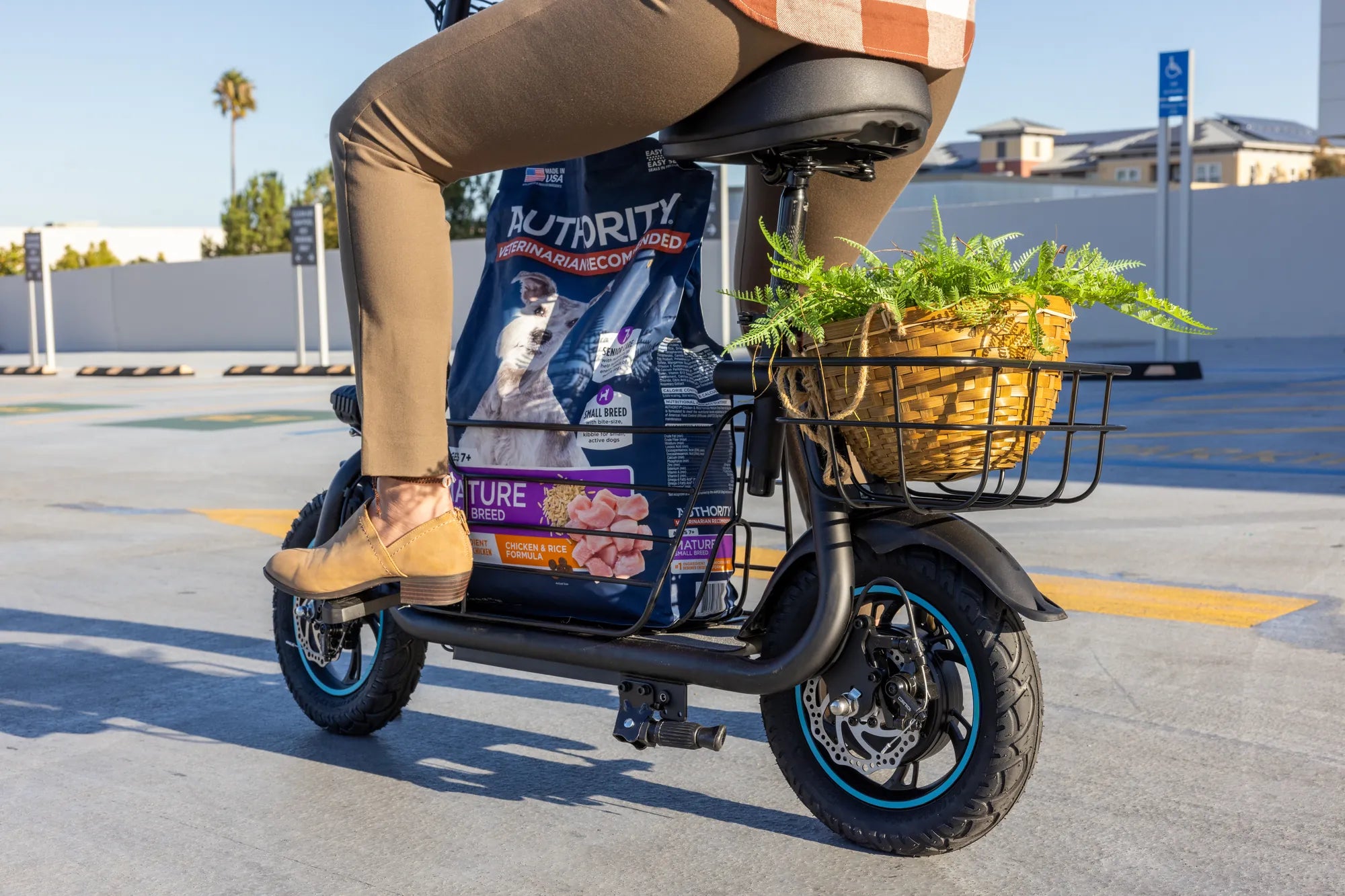
Remember the early 2000s when electric scooters with seats started popping up on city streets? These sleek, futuristic rides promised a new way to navigate urban life—comfortably, efficiently, and with zero emissions. Fast forward to today, and their influence is undeniable. Let’s take a deep dive into the world of 2000s electric scooters with seats and why they still matter.
The Birth of a Revolution
The 2000s marked a turning point for personal electric vehicles. As cities grew more congested and environmental concerns mounted, the electric scooter with seat emerged as a practical solution. Unlike standing scooters, these models offered a seated riding experience, blending the convenience of a bicycle with the ease of an electric motor. Riders could zip through traffic without breaking a sweat, making them ideal for commuters and casual riders alike.
Key Features That Defined the Era
What set the 2000s electric scooter with seat apart from its predecessors? Here are the standout features:
- Comfortable Seating: The addition of a seat transformed the riding experience, reducing fatigue and making longer trips feasible.
- Extended Battery Life: Advances in battery technology allowed for longer ranges, often between 15-30 miles on a single charge.
- Foldable Designs: Many models featured compact, foldable frames, perfect for urban dwellers with limited storage space.
- Quiet Operation: Electric motors provided a near-silent ride, a stark contrast to noisy gas-powered alternatives.
Why They Captured the Market
The appeal of these scooters wasn’t just about functionality—it was about lifestyle. They represented a shift toward sustainable, tech-savvy living. Commuters loved the freedom to bypass traffic jams, while eco-conscious riders appreciated the reduced carbon footprint. Plus, the sleek designs and futuristic vibe made them a status symbol for early adopters.
Challenges and Limitations
Despite their popularity, 2000s electric scooters with seats weren’t without drawbacks. Limited charging infrastructure meant riders had to plan their routes carefully. Early models also struggled with weight limits and uneven terrain, making them less versatile than modern iterations. Yet, these challenges paved the way for innovations that define today’s electric mobility market.
Legacy and Modern Influence
The impact of these scooters is still felt today. They laid the groundwork for the electric vehicle boom, proving that compact, efficient transportation could be both practical and desirable. Modern e-scooters and e-bikes owe much to their 2000s ancestors, from battery advancements to user-friendly designs.
From crowded city streets to suburban bike paths, the 2000s electric scooter with seat left an indelible mark on how we move. Whether you’re a nostalgia buff or a curious newcomer, there’s no denying these rides were ahead of their time—and their legacy is still rolling strong.
Discovery Electric Bike Battery: The Future of Sustainable Commuting
Which Electric Scooter Have Removable Battery: Top Picks and Buying Guide