



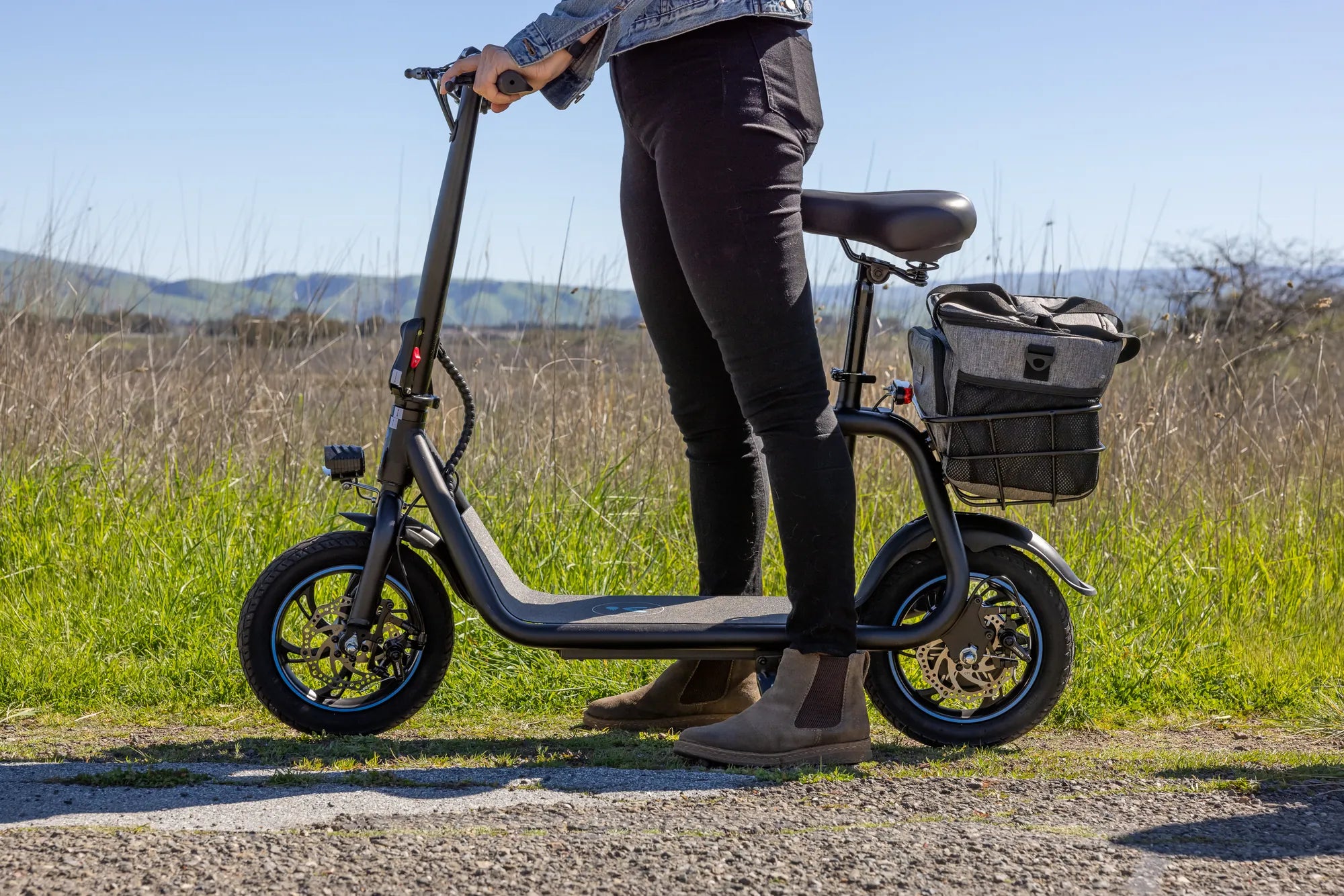
Introduction to 26x4 Fat Tire E-Bikes
For riders seeking to conquer any landscape with unwavering confidence, 26 x 4 fat tire ebike tires represent a pinnacle of design. The specification '26x4' defines a wheel with a 26-inch diameter and a substantial 4-inch width, creating a massive contact patch with the ground. This combination is engineered for one primary purpose: to deliver exceptional stability, traction, and shock absorption where traditional tires falter. When paired with a powerful mid-drive or hub motor, these tires transform an e-bike into a true all-terrain vehicle, capable of gliding over sand, snow, mud, and urban potholes with equal aplomb.
This guide will provide a deep, data-driven analysis of 26 x 4 fat tire ebike tires. You will learn the core engineering advantages that make this size so effective, decode the critical specifications for informed purchasing, and understand the compatibility requirements for your bike. We'll also cover essential maintenance routines to maximize tire lifespan and performance. Whether you're upgrading an existing e-bike or selecting a new model, this resource equips you with the knowledge to make the best decision for your riding style.
Brands like Gyroor, a leading electric mobility company trusted by over 100,000 riders, integrate these robust tires into models designed for adventure and reliability. Understanding the tire's role is key to unlocking the full potential of such an e-bike. The following sections break down every aspect, from the physics of the wide footprint to the practicalities of long-term care.
The Core Advantages of 26x4 Fat Tires
The popularity of 26 x 4 fat tire ebike tires is not a trend but a response to specific performance demands. Their design directly addresses common limitations of standard bicycle and e-bike tires, offering tangible benefits that enhance safety, capability, and comfort. These advantages are rooted in the fundamental geometry and air volume of the tire itself.
By distributing the bike and rider's weight over a much larger surface area, these tires create a uniquely stable and confident riding experience. This is particularly valuable for new e-bike riders or those carrying cargo, as it minimizes the nervous handling often associated with taller, narrower tires. The stability is a direct function of the wide contact patch, which effectively lowers the center of gravity and reduces the tendency for the tire to deflect or slide unexpectedly.
Unmatched Stability and Confidence
The primary benefit of a 4-inch wide tire is transformative stability. On loose gravel, uneven trails, or slippery wet roads, the bike feels planted and predictable. This instills confidence, allowing riders to focus on the path ahead rather than micro-correcting their balance. For commuters navigating pothole-ridden city streets or recreational riders exploring forest service roads, this stability translates to a safer, more relaxed journey.
Superior Traction for All Terrains
Traction is where 26 x 4 fat tire ebike tires truly excel. The large volume allows the tire to conform to and grip irregular surfaces. At lower air pressures, the tire flattens out, providing a massive footprint that floats over soft terrain like sand and snow where narrower tires would sink and dig in. On mud and loose gravel, the wide tread blocks provide a clawing effect, maintaining forward momentum where other bikes would spin out.
Enhanced Comfort and Shock Absorption
The high air volume within a fat tire acts as a superb natural suspension system. It absorbs impacts from roots, rocks, and pavement cracks before they reach the rider. This significantly reduces vibration and fatigue, making longer rides more enjoyable and less taxing on the body. For riders with back or joint concerns, this cushioning effect can make e-biking accessible where a traditional hardtail mountain bike would not.
Increased Load Capacity
The robust construction of fat tires, with thicker casings and stronger beads, inherently supports greater weight. This makes e-bikes equipped with 26 x 4 fat tire ebike tires ideal for heavier riders, for hauling cargo on rear racks or in bike trailers, or for bikepacking adventures that require carrying gear for multiple days. The tire's design ensures consistent performance under load without excessive sidewall flex.
Key Specifications and What to Look For
Not all 26 x 4 fat tire ebike tires are created equal. Understanding key specifications is crucial to selecting a tire that matches your primary riding environment and performance expectations. These specs determine the tire's behavior on different surfaces, its durability, and its overall efficiency.
When evaluating tires, you must consider the compound, the tread pattern, and the construction quality. A tire designed for aggressive mountain biking will differ substantially from one optimized for paved bike paths. The following breakdown will help you decipher product descriptions and make an informed choice that aligns with your e-biking goals.
Tread Pattern: Choosing for Your Terrain
The tread pattern is your first and most visible clue to a tire's intended use. Aggressive, widely spaced knobs are designed for maximum grip in loose, soft, or muddy conditions. They dig in for traction but create more rolling resistance and noise on pavement. Conversely, a smoother, more continuous center tread with smaller side knobs prioritizes lower rolling resistance and quieter operation on hard surfaces, while still offering decent off-road capability.
- Aggressive/Knobby: Ideal for sand, deep snow, mountain trails. High grip, higher resistance.
- All-Terrain/Moderate: Balanced pattern for mixed use (e.g., gravel, hardpack, some pavement). A versatile choice.
- Street/Slick: Minimal tread, sometimes with slight grooves. Best for maximum efficiency on paved surfaces.
Tire Construction: Puncture Resistance and Durability
Durability is paramount, especially for e-bikes that carry more weight and can achieve higher speeds. Look for features like a Kevlar belt or other puncture-resistant layers under the tread. The TPI (Threads Per Inch) rating indicates casing density; a lower TPI (e.g., 30-60) often means a thicker, more durable, and heavier casing, while a higher TPI (120+) indicates a lighter, more supple, and often more expensive casing that offers better ride quality but may be less cut-resistant.
PSI Range and Pressure Optimization
A defining characteristic of fat tires is their exceptionally wide recommended PSI range, often from as low as 5 PSI to 30 PSI. Pressure is the single most important adjustment for tuning performance. For sand or snow, very low pressure (5-10 PSI) maximizes the footprint for flotation. For hardpack trails or gravel, 10-15 PSI offers a blend of grip and efficiency. For predominantly paved riding, 20-25 PSI reduces rolling resistance and improves handling response. Always use a dedicated low-pressure gauge for accuracy.
Compatibility & Considerations for Your E-Bike
Before purchasing 26 x 4 fat tire ebike tires, you must verify they are compatible with your specific e-bike frame and components. Installing tires that are too wide can lead to dangerous rubbing or complete incompatibility. This section outlines the critical checks you need to perform, whether you're upgrading an existing fat tire e-bike or considering a new purchase.
Compatibility extends beyond simple width. The rim, the braking system, and the motor must all be designed to work harmoniously with the tire's dimensions. Overlooking any of these factors can result in poor performance, component damage, or a failed installation.
Frame and Fork Clearance
This is the most critical check. You must have adequate clearance between the fully inflated tire and all parts of the frame (seat stays, chain stays) and fork. A minimum of 6mm (1/4 inch) of space on all sides is recommended to account for tire flex, potential debris buildup, and true wheel alignment. Many frames designed for fat tires will explicitly state their maximum tire width compatibility. Attempting to fit a 4-inch tire on a frame designed for 3-inch tires is not advisable.
Rim Width and Tubeless Readiness
26 x 4 fat tire ebike tires require wide rims to achieve their intended profile and ensure safe bead seating. The ideal internal rim width typically falls between 65mm and 100mm. A rim that is too narrow can cause the tire to balloon unpredictably, compromising handling and increasing the risk of the tire rolling off the rim under cornering loads. Many modern fat bike rims are 'tubeless ready,' allowing you to run tires without inner tubes, which reduces weight and the risk of pinch flats, and allows you to run even lower pressures with sealant to plug small punctures.
Motor and Brake Compatibility
Most hub motors designed for fat tire e-bikes are built into wheels with the appropriate rim width and spoke flange design to handle the torque and weight. If you are building a wheel, ensure the motor is labeled for fat bike use. For disc brakes, ensure the caliper and rotor have enough clearance from the wide tire. Some setups may require a specific brake mount adapter or a smaller diameter rotor to prevent interference.
Maintenance and Care for Longevity
Proper maintenance is essential to maximize the lifespan, safety, and performance of your 26 x 4 fat tire ebike tires. Due to their unique construction and the demanding environments they often operate in, a consistent care routine will prevent premature wear and avoidable failures. Following these practices will ensure your tires remain reliable for thousands of miles.
Neglecting fat tire maintenance can lead to rapid wear, increased rolling resistance, and a higher likelihood of flats. A small investment of time after each significant ride pays major dividends in long-term performance and cost savings.
Regular Pressure Checks and Adjustments
Check tire pressure before every ride. Fat tires are more sensitive to pressure changes, and a few PSI can drastically alter handling and efficiency. Use a reliable, low-pressure gauge (digital is best for accuracy). Inflate to the pressure appropriate for your terrain, as outlined in the PSI section. Remember that temperature changes can affect pressure; tires may lose a few PSI in cold weather.
Cleaning and Inspection Routines
After rides in mud, sand, or snow, clean your tires with water and a soft brush to remove abrasive debris. Periodically, perform a detailed inspection. Run your fingers along the tread and sidewalls to feel for cuts, gashes, or embedded objects like glass or thorns. Check the tread depth; once the knobs are significantly worn down, traction, especially in wet or loose conditions, will be severely compromised.
Seasonal Storage Tips
If storing your e-bike for an extended period, take steps to preserve your 26 x 4 fat tire ebike tires. Inflate them to the midpoint of their PSI range to maintain shape and prevent sidewall cracking. Store the bike in a cool, dry place away from direct sunlight and ozone sources (like electric motors). Ideally, suspend the bike or use a stand to keep the tires off the ground to prevent flat-spotting.
Performance Comparison: 26x4 vs. Other Common E-Bike Tire Sizes
To fully appreciate where 26 x 4 fat tire ebike tires excel, it's helpful to compare them to other popular e-bike tire sizes. The table below provides a clear, data-driven comparison across key performance and use-case categories.
| Tire Size | Primary Use Case | Stability/Traction | Rolling Resistance | Comfort | Terrain Limitation |
|---|---|---|---|---|---|
| 26 x 4.0 | All-Terrain, Sand, Snow, Trail | Exceptional | High (Low PSI) to Moderate (High PSI) | Exceptional | Minimal; excels on soft/unstable surfaces |
| 27.5" x 2.8" (Plus) | Trail Riding, Rough Commuting | Very Good | Moderate | Very Good | Moderate; struggles in very soft sand/deep snow |
| 29" x 2.4" | Cross-Country, Efficiency, Pavement | Good | Low | Good | High; poor performance on soft surfaces |
| 20" x 4.0 | Portability, Folding E-Bikes, Urban | Excellent | High | Excellent | Low clearance; not for technical trails |
As the table illustrates, the 26 x 4 fat tire ebike tire offers the highest combination of stability, traction, and comfort, making it the most versatile for challenging and variable terrain. The trade-off is higher rolling resistance when compared to narrower, efficiency-focused tires like the 29" x 2.4". The choice ultimately depends on whether your priority is conquering any landscape or maximizing speed and range on maintained surfaces.
FAQ: Your 26x4 Fat Tire Questions Answered
Q: Are 26x4 tires slow and inefficient on pavement?
A: Compared to narrow, high-pressure road tires, yes, they have higher rolling resistance, which can reduce range and require more pedal effort (or drain the battery faster). However, by inflating them to the higher end of their PSI range (e.g., 20-25 PSI) and choosing a tire with a less aggressive tread, you can significantly improve pavement efficiency while retaining the comfort and stability benefits.
Q: Can I put 26x4 tires on my regular 26-inch mountain bike?
A> Almost certainly not. Unless your mountain bike frame and fork were specifically designed with extra-wide clearance for 'fat bike' tires, a 4-inch tire will not fit. It will rub against the frame, chainstays, or brakes, creating a safety hazard. Always check your frame's maximum stated tire clearance.
Q: How often should I replace my fat tires?
A> There's no fixed mileage. Replacement is based on wear and damage. Inspect tread depth regularly; if knobs are rounded off or worn down to the base rubber, traction is severely compromised, especially in wet conditions. Also replace tires if you find deep cuts in the sidewall or tread that expose the casing cords, or after a severe puncture that cannot be reliably repaired.
Q: Are they more prone to punctures?
A> Not necessarily. While the larger surface area presents more opportunity for punctures, most quality 26 x 4 fat tire ebike tires are built with robust, puncture-resistant layers. Additionally, the ability to run lower pressures reduces the risk of 'pinch flats' (snaking the tube between the tire and rim on an impact). Using tire sealant in a tubeless setup provides the best overall puncture protection.
Q: What's the difference between 26x4.0 and 26x4.8?
A> The second number (4.0 vs. 4.8) is the nominal tire width in inches. A 4.8-inch tire is significantly wider and offers even more flotation and cushioning. However, it requires a frame with even greater clearance, adds more weight and rolling resistance, and may feel somewhat sluggish in handling compared to a 4.0-inch tire. The 4.0-inch size is considered the standard for all-around fat biking versatility.
Is a 26x4 Fat Tire E-Bike Right for You?
The decision to choose an e-bike equipped with 26 x 4 fat tire ebike tires hinges on your riding environment and priorities. If your adventures regularly take you off paved surfaces—onto beach paths, snow-covered trails, muddy forest roads, or rocky gullies—this tire size is arguably the best tool for the job. Its unparalleled traction and stability transform intimidating terrain into enjoyable riding. For urban commuters facing consistently poor road conditions, potholes, and debris, the exceptional comfort and resilience of these tires can make daily travel smoother and safer.
Conversely, if your riding is exclusively on smooth pavement and your primary goals are maximizing speed, range, and efficient exercise, a lighter e-bike with narrower tires (like a hybrid or road e-bike) will serve you better. The 26 x 4 fat tire ebike tire is a specialist in conquering uncertainty. It sacrifices some efficiency on perfect surfaces to grant you the freedom to explore without limits, in almost any season or weather condition.
For those ready to embrace that capability, exploring a brand like Gyroor is a logical next step. As a leader in durable electric mobility with a focus on UL-certified battery safety and IPX5 water-resistant designs, Gyroor incorporates reliable 26 x 4 fat tire ebike tires into models built for real-world adventure. Their commitment to a 1-year warranty and proven track record with over 100,000 riders provides the confidence to match the confidence these tires inspire on the trail.
Ready to experience the ultimate in all-terrain electric biking? Browse the full collection of capable and reliable fat tire e-bikes at gyroorboard.com and find the model that unlocks your next adventure.
Mobility Scooter Market: Trends, Segments, and Smart Buying Guide
Most Reliable 50cc Scooter: The Ultimate Guide to Dependable Commuting