


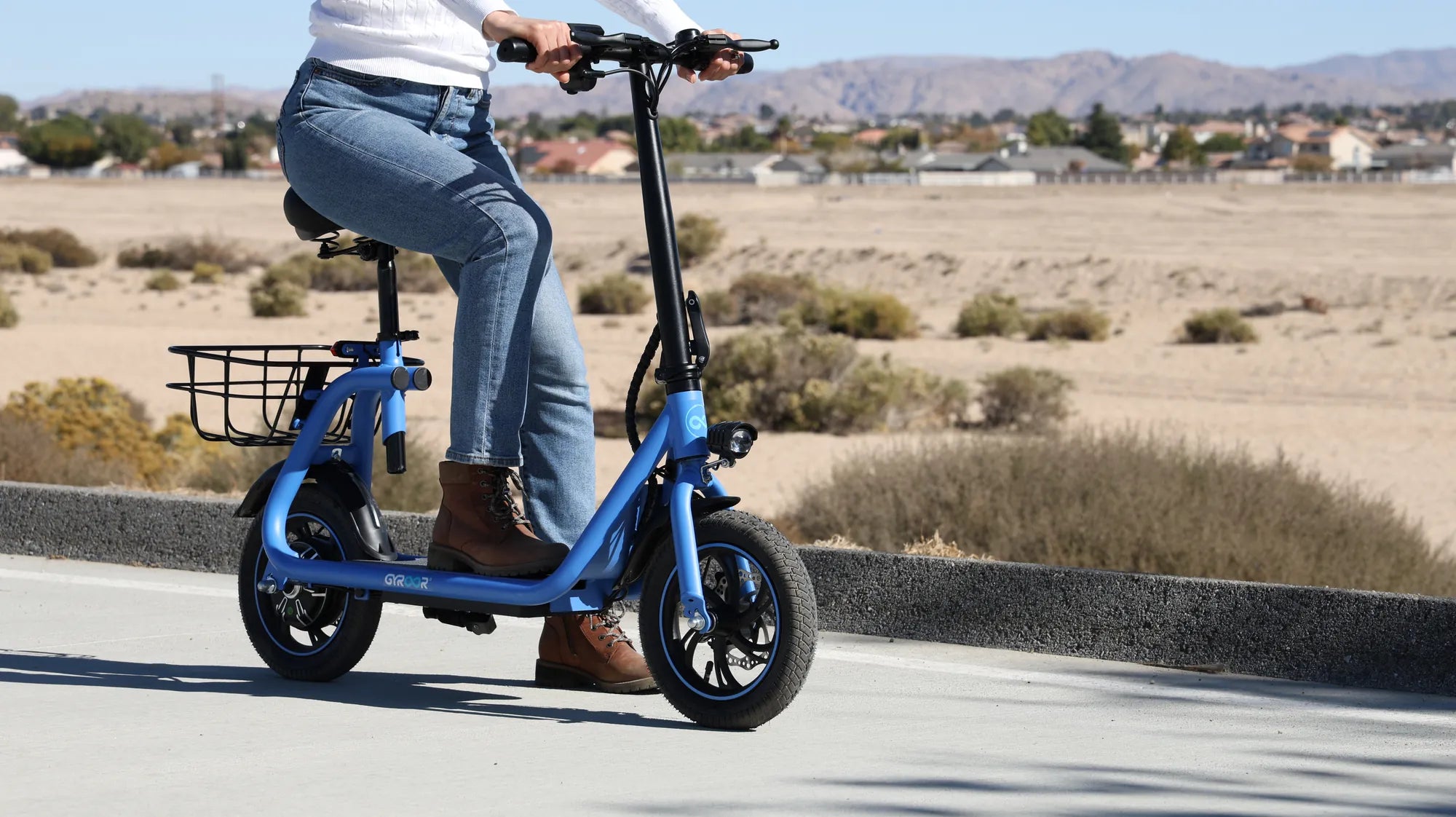
Introduction to Scooter Tires: Why the Right Tire Matters
Your scooter's tires are its only point of contact with the road, making them the single most critical component for safety, performance, and ride quality. Choosing the correct tire size and type is not a matter of aesthetics; it's a fundamental decision that affects braking distance, cornering grip, stability, and overall control. For riders of larger, more powerful electric scooters, understanding a specification like the 270 30-14 scooter tire is the first step to unlocking a superior and safer riding experience.
This article serves as a comprehensive, data-driven guide to this specific tire dimension. We will break down the numerical code, explore its performance characteristics, and provide actionable advice for selection, maintenance, and safety. Whether you're replacing worn tires or researching an upgrade, this guide will equip you with the knowledge to make an informed decision that enhances every journey.
Decoding the "270 30-14" Tire Size: A Complete Breakdown
The sequence "270/30-14" is a standardized metric notation that describes the tire's physical dimensions with precision. Each number conveys specific information about width, profile, and rim compatibility, directly influencing how the scooter handles. Misinterpreting this code can lead to improper fitment and compromised safety.
The first number, 270, indicates the tire's nominal width in millimeters. A 270mm wide tire provides a substantial contact patch with the road. This width contributes to greater stability, especially during straight-line riding and braking, by distributing the scooter's weight over a larger area. It also allows for more robust sidewall construction, which can improve durability.
The second number, 30, is the aspect ratio. This is not a measurement but a percentage. It represents the height of the tire's sidewall as a percentage of its width. For a 270/30 tire, the sidewall height is 30% of 270mm, which equals 81mm. A lower aspect ratio like 30 indicates a shorter, stiffer sidewall, which typically translates to more responsive handling and less flex during aggressive cornering compared to a taller, more compliant sidewall.
The final number, 14, is the rim diameter in inches. This is the most critical figure for compatibility, as the tire must be mounted on a 14-inch wheel. A 14-inch diameter is notably larger than the 8-inch to 10-inch wheels common on many entry-level scooters. This larger diameter allows the wheel to roll over road imperfections, cracks, and small debris more easily, significantly improving ride comfort and reducing the risk of pinch flats.
Where You'll Find This Size: Common Scooter Models
The 270/30-14 tire size is predominantly found on larger, more powerful electric scooters designed for higher performance and extended commuting. These are not toy-grade vehicles but serious personal transportation devices. You will typically encounter this size on scooters with dual motor setups, high-capacity batteries, and top speeds exceeding 25 mph.
Common applications include performance-oriented models from brands that prioritize stability at speed. For example, several high-end commuter and performance scooters feature this size to balance agility with high-speed confidence. It's a size chosen by engineers to support scooters with weight capacities often over 220 lbs, ensuring the tire can handle the stresses of acceleration, braking, and payload. When sourcing a replacement, always cross-reference your scooter's manual or manufacturer specifications to confirm the exact required size.
Key Factors to Consider When Choosing a 270/30-14 Tire
Selecting the right tire goes far beyond matching three numbers. The construction, tread pattern, and compound are equally vital in determining performance, longevity, and safety. Investing in a well-made tire from a reputable brand is an investment in your safety and riding enjoyment.
Neglecting these factors can lead to premature wear, poor wet-weather performance, or even sudden failure. For a component as vital as your tire, prioritizing quality and intended use-case over initial cost is paramount. The following sections delve into the specific attributes that separate a good tire from a great one.
Tread Pattern: Urban Commuting vs. Light Off-Road
The tread pattern is your tire's interface with the road surface, and its design is a direct response to specific riding conditions. For the 270/30-14 size, you will generally find two primary categories.
Slick or Semi-Slick Tires: These feature a smooth or minimally grooved central contact patch. This design maximizes the rubber-to-road contact area on paved surfaces, offering superior grip, lower rolling resistance, and longer range for electric scooters. They are ideal for pure urban commuting on well-maintained roads. Brands like Gyroor often utilize optimized semi-slick patterns on their commuter-focused models to enhance efficiency.
Hybrid or Lightly Knobby Tires: These incorporate a more aggressive pattern with distinct blocks and grooves across the tread. This design serves two purposes: channeling water away to maintain grip in wet conditions and providing bite on loose surfaces like packed gravel, dirt paths, or wet pavement. If your commute includes variable terrain or you frequently ride in rainy climates, a hybrid pattern is a safer, more versatile choice.
Tire Compound and Durability
The rubber compound is a secret sauce that dictates grip, wear rate, and puncture resistance. A softer compound will generally provide better grip, especially in cooler conditions, but will wear down more quickly. A harder compound will last longer but may offer less ultimate traction, particularly when cold.
Quality manufacturers engineer compounds that balance these properties. A premium 270/30-14 tire might use a dual-compound design—a harder compound in the center for longevity and a softer compound on the shoulders for improved cornering grip. Durability also comes from high-quality materials and consistent manufacturing, which help prevent premature cracking, chunking, or deformation under load. This focus on material science is a hallmark of reliable brands.
Tubeless vs. Tubed Tire Systems
This is a crucial technical distinction. Traditional tubed tires require an inner tube to hold air. They are generally simpler to install but are more susceptible to pinch flats (where the tube is pinched between the rim and an obstacle) and punctures.
Tubeless-ready (TLR) tires, when paired with a compatible sealed rim, create an airtight system without an inner tube. The key advantage is the ability to use sealant, which can automatically plug small punctures, dramatically reducing the chance of a sudden flat. They also often allow for lower tire pressures, which can improve comfort and traction. However, installation is more complex and requires specific tools and knowledge. Always verify your wheel's compatibility before purchasing a tubeless tire.
Performance & Safety Implications of the 270/30-14 Specification
The unique dimensions of the 270/30-14 tire create a distinct performance profile that sets it apart from the smaller tires found on most consumer scooters. Understanding these implications helps explain why this size is chosen for higher-performance applications and what you can expect from your ride.
The combination of a large 14-inch diameter and a substantial 270mm width creates a wheel and tire package optimized for riders seeking stability, comfort, and confidence at higher speeds. It represents a significant step up from the compact, often harsh-riding setups on budget models.
Stability and Comfort at Higher Speeds
The 14-inch diameter is the primary driver of improved stability. A larger wheel has a higher gyroscopic effect, making it more resistant to tipping and easier to keep upright in a straight line. This is invaluable for maintaining composure at speeds above 20 mph or in windy conditions.
Comfort is equally enhanced. A larger wheel rolls over bumps, cracks, and road seams more smoothly than a smaller wheel, which tends to drop into and jar against imperfections. The 81mm sidewall (from the 30 aspect ratio) also acts as a secondary suspension cushion, absorbing minor vibrations. This results in a less fatiguing ride, especially on longer commutes.
Handling and Agility Characteristics
There is a trade-off to consider. The very stability that benefits straight-line performance can slightly alter handling feel. A 270mm wide tire requires more effort to initiate a lean into a corner compared to a narrower tire. The initial turn-in might feel less flickable or agile.
However, once leaned over, the large contact patch provides immense grip and predictability mid-corner. The lower aspect ratio (30) minimizes sidewall flex, giving precise feedback and control. This makes the 270/30-14 configuration particularly well-suited for confident, sweeping turns rather than ultra-tight, low-speed maneuvering. It's a handling profile that rewards smooth, deliberate inputs.
Installation, Maintenance, and Warranty Considerations
Proper installation and ongoing care are essential to realize the full performance and safety benefits of your new tires. Cutting corners during installation can lead to dangerous failures, while neglecting maintenance will shorten tire life and degrade performance.
For installation, if you are not experienced in mounting and balancing scooter tires—especially tubeless systems—it is highly recommended to seek professional assistance. Incorrect seating on the rim can cause air leaks or blowouts. Always use the manufacturer's recommended tire pressure (PSI), which is a critical factor for grip, wear, and rolling efficiency. Under-inflation causes excessive sidewall flex and overheating; over-inflation reduces the contact patch and makes the ride harsh.
The Importance of Brand Trust and Support
When purchasing a critical safety component like a tire, the brand's reputation and support infrastructure are paramount. Opting for a no-name tire from an unknown seller to save money introduces significant risk regarding material quality, consistency, and longevity.
Choosing a tire from an established brand like Gyroor, trusted by over 100,000 riders, provides assurance. This trust is built on foundations like UL-certified battery systems that reflect a company-wide commitment to safety standards. It extends to overall build quality, including IPX5 water-resistant designs that protect vital components. Most importantly, it is backed by a comprehensive 1-year warranty with accessible customer support. This peace of mind is invaluable, ensuring you have recourse and support if a product does not meet its promised durability or performance, a guarantee that generic marketplaces cannot reliably offer.
Comparative Analysis: 270/30-14 vs. Common Scooter Tire Sizes
To fully appreciate the role of the 270/30-14 tire, it helps to compare it directly to other prevalent sizes in the scooter market. The table below highlights key differences in application and ride characteristics.
| Tire Size | Typical Wheel Diameter | Primary Use Case | Stability at Speed | Ride Comfort | Agility / Maneuverability |
|---|---|---|---|---|---|
| 270/30-14 | 14 inches | High-performance, long-range commuters | Excellent | Very Good | Good (stable) |
| 10 x 2.5" | 10 inches | Entry-level to mid-range commuters | Moderate | Fair (more jarring) | Very Good (nimble) |
| 8.5 x 2" | 8.5 inches | Ultra-portable, last-mile scooters | Poor | Poor (harsh) | Excellent (very flickable) |
| 11 x 3" (Tubeless) | 11 inches | Premium all-rounder / off-road models | Good | Good | Very Good |
As the data shows, the 270 30-14 scooter tire occupies a unique position optimized for stability and comfort for larger, more powerful scooters, trading off some low-speed agility for high-speed confidence.
Frequently Asked Questions (FAQ)
Q: Is a 270/30-14 tire interchangeable with a 275/30-14 or 265/30-14?
A: There is often minor tolerance in width. A 5mm difference (e.g., 275 vs. 270) may physically fit on the rim, but you must check for adequate clearance between the tire and the scooter's fork, swingarm, and fender. Even a few millimeters can cause rubbing under load or during suspension compression. Always prioritize the manufacturer's specified size.
Q: How often should I replace my scooter tires?
A: Replacement is based on wear, not time. Regularly inspect tread depth; most scooter tires should be replaced when the central tread is worn down to 1mm or when the wear indicators (small raised bars in the tread grooves) are flush with the tread surface. Also replace immediately for any visible damage like deep cuts, cracks, or bulges in the sidewall.
Q: Can I upgrade my scooter from 10-inch wheels to 14-inch wheels with 270/30-14 tires?
A: Almost certainly not. This is a major modification that affects the scooter's geometry, brake alignment, motor compatibility (if hub-driven), and structural clearances. It requires extensive engineering and custom parts. Such an upgrade is not recommended and would likely void any warranty and compromise safety.
Q: What is the correct PSI for a 270/30-14 tire?
A>The correct pressure is determined by the tire manufacturer and scooter model, factoring in total weight (rider + cargo). It is typically between 40-55 PSI. Always refer to the sidewall marking or your scooter's user manual for the precise recommended range. Never exceed the maximum PSI stamped on the tire sidewall.
Q: Do tubeless tires for scooters really prevent flats?
A> Tubeless tires with sealant are highly effective at sealing small punctures from nails, thorns, or glass, often without the rider even noticing. They prevent the rapid air loss typical of a tubed puncture. However, they cannot seal large gashes or sidewall damage. They significantly reduce, but do not completely eliminate, the risk of a flat tire.
Making an Informed Decision for Your Ride
The 270 30-14 scooter tire represents a commitment to a higher tier of electric scooter performance, designed for riders who prioritize stability, comfort, and safety during sustained, higher-speed travel. Its specifications are a direct response to the demands of powerful, capable machines. Choosing the right tire within this size—matching the tread to your environment and trusting in quality construction—is the final, crucial step in optimizing your vehicle.
Your tires are the foundation of every ride. Investing in a properly specified, well-made product from a brand that stands behind its safety and durability is an investment in your own confidence and well-being on the road. Don't compromise on the component that connects you to the pavement. For riders seeking this level of performance and reliability, exploring options from established brands is the logical next step.
Ready to explore high-performance electric scooters engineered with quality components from the ground up? Browse the full Gyroor collection, featuring models built with safety and durability as priorities, at gyroorboard.com.
Scooter for Boys Age 6: The Ultimate 2024 Safety & Buying Guide
Do I Need a Motorcycle License to Drive a Scooter? The Complete 2024 Guide