


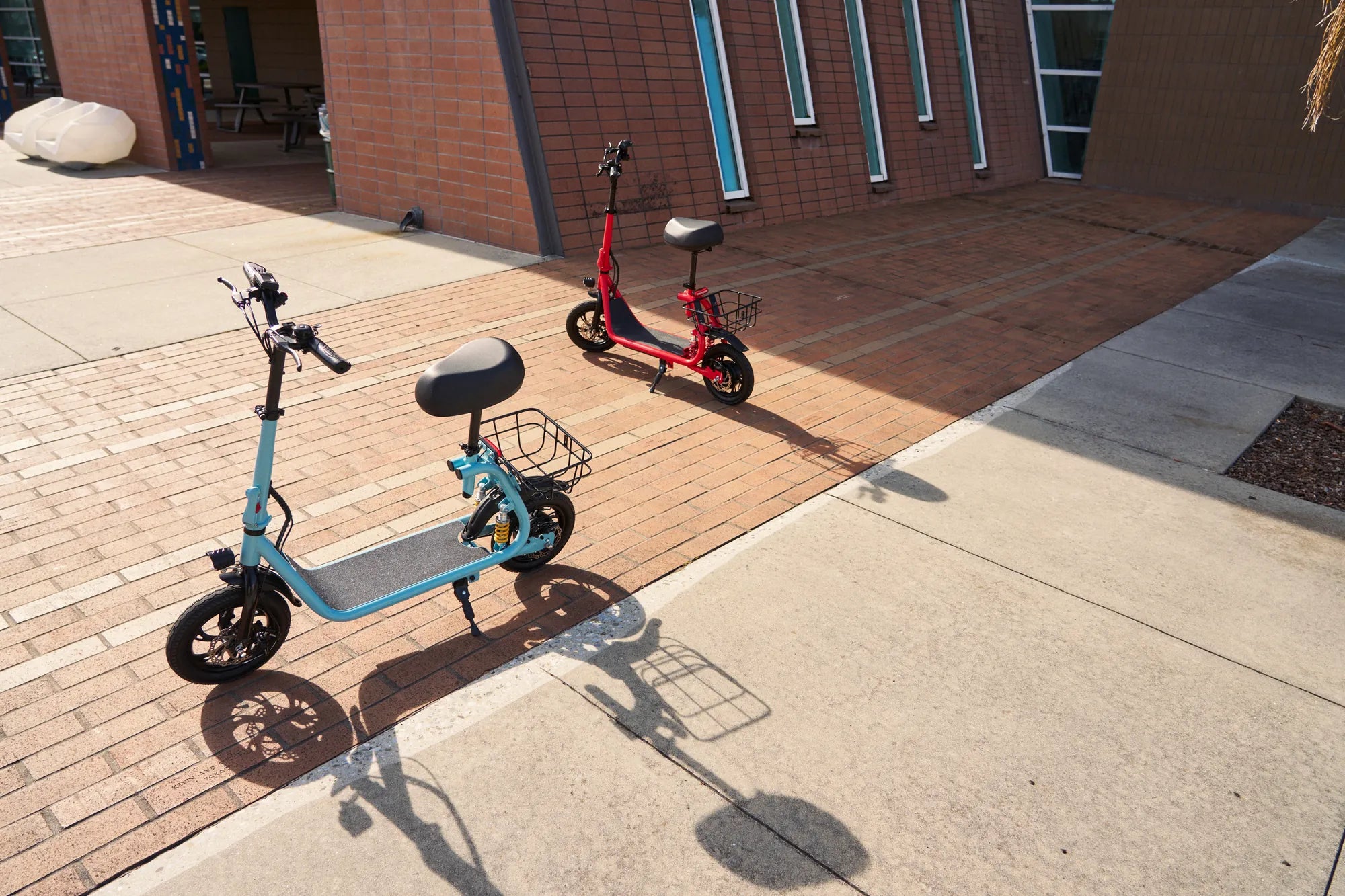
Understanding the 28mph E-Bike
A 28mph e bike represents a significant leap in personal electric mobility. Defined as a Class 3 electric bicycle in the United States, it provides pedal-assisted power up to 28 miles per hour. This speed transforms it from a recreational vehicle into a legitimate car alternative for daily commuting and fitness. The category's popularity stems from its perfect balance of speed, efficiency, and accessibility, offering a thrilling yet practical ride.
These e-bikes are engineered for riders who need to cover ground quickly. Whether navigating city streets or extending the range of a weekend adventure, the 28mph capability reduces travel time substantially. For a leading brand like Gyroor, trusted by over 100,000 riders, this means integrating high-performance components with rigorous safety standards. The goal is to deliver a vehicle that is both exhilarating and dependable for daily use.
The core distinction lies in its operational mode. To reach the full 28mph, the rider must be pedaling; the motor provides assistive power. This pedal-assist requirement differentiates it from lower-class e-bikes that may offer a throttle-only mode at lower speeds. It's this combination of human effort and electric power that creates an engaging, efficient, and legally compliant high-speed experience.
Choosing a 28mph e bike is about investing in time and freedom. It shrinks distances, makes hills negligible, and allows riders to keep pace with urban traffic flow safely. For the modern commuter or enthusiast, it's not just a bike; it's a powerful tool for redefining daily travel.
The Legal Landscape: Where and How You Can Ride
Operating a 28mph e bike comes with specific legal responsibilities that vary by jurisdiction. In the U.S., the three-class system is widely adopted. A Class 3 e-bike is defined as having a motor that provides assistance only when the rider is pedaling and ceases assistance at 28 mph. Understanding and adhering to these rules is crucial for safe and lawful riding.
Generally, Class 3 e-bikes are permitted on roads and in bicycle lanes. However, they may be prohibited on certain multi-use paths, trails, or sidewalks, where lower-speed Class 1 e-bikes are allowed. Local municipal laws can override state guidelines, so checking with your city's transportation department is essential. Age restrictions are common; most states require riders to be at least 16 years old.
Helmet laws are significantly stricter for Class 3 e-bikes. While a helmet is always recommended, it is legally mandatory for all Class 3 riders in many states, regardless of age. This underscores the increased responsibility that comes with higher-speed operation. Rider awareness and adherence to traffic laws—stopping at signs, signaling turns, using lights at night—are non-negotiable.
The legal framework aims to integrate these faster vehicles safely into the existing transportation ecosystem. As a rider, your primary duty is to know the rules in your area. A reputable brand like Gyroor designs its e-bikes to comply with these standards, but ultimate compliance rests with the informed rider.
Key Regulations and Mandatory Safety Gear
Beyond classification, specific equipment is often required by law for a 28mph e bike. A speedometer is a standard requirement for Class 3, allowing the rider to monitor and maintain legal speeds. The bike must also be equipped with operational front and rear lights, reflectors, and an audible signal like a bell or horn for use on public roads.
Safety gear extends beyond the bicycle itself. A properly fitted bicycle helmet certified for higher speeds is the most critical piece of personal protective equipment. High-visibility clothing, gloves, and eye protection are strongly recommended, especially for commuting in traffic or during low-light conditions. These items are not just accessories; they are integral components of a safe high-speed riding strategy.
It's important to note the throttle distinction. Many Class 3 e-bikes may include a throttle, but its operation is typically limited to 20 mph, classifying that feature under Class 2 rules. Achieving the full 28mph top speed legally requires active pedaling with motor assist. This design encourages rider engagement and aligns with regulatory intent for higher-speed vehicles.
Performance and Practical Benefits: The 28 MPH Advantage
The decision to choose a 28mph e bike over a slower model is driven by tangible, real-world benefits. The most immediate impact is on commute time. Converting a 30-minute car commute into a 35-minute e-bike ride is a game-changer, offering exercise, fresh air, and bypassing traffic without adding significant time. The 28mph speed allows seamless integration with the flow of city traffic, increasing safety and rider confidence.
Hill climbing is transformed from a strenuous workout into a controlled, effortless ascent. The robust motor and torque found in quality 28mph models flatten hills, making longer or more varied routes feasible and enjoyable. This expands the practical radius for commuting, shopping, and exploration far beyond what a traditional bicycle or slower e-bike can offer.
For fitness enthusiasts, the higher speed allows for more intense cardio workouts in less time. The adjustable pedal assist levels let riders dial in the exact amount of effort they want to exert, from a light assist on a recovery day to maximum power for interval training. The e-bike becomes a versatile fitness tool that encourages more frequent use.
The practical benefits also include cost savings and environmental impact. Compared to a car, the operating cost is negligible—just pennies per charge. Parking is simplified, and the reduced carbon footprint is significant. For many, a 28mph e bike offers the perfect synergy of performance, utility, and sustainability.
Data-Driven Comparison: Commute Time & Range Efficiency
To quantify the advantage, consider a direct comparison between a 20mph (Class 1) and a 28mph (Class 3) e-bike for common urban commute distances. The time savings are substantial and increase with distance.
| Commute Distance | 20mph E-Bike Time | 28mph E-Bike Time | Time Saved |
|---|---|---|---|
| 5 miles | 15 minutes | ~10.7 minutes | ~4.3 minutes |
| 10 miles | 30 minutes | ~21.4 minutes | ~8.6 minutes |
| 15 miles | 45 minutes | ~32.1 minutes | ~12.9 minutes |
However, speed impacts range. Riding consistently at the maximum 28mph assist level will consume battery power faster than a moderate 20mph pace. This is where battery quality and capacity are critical. A high-watt-hour (Wh) battery from a reputable manufacturer using UL-certified cells, like those in Gyroor e-bikes, provides the sustained power output needed for high-speed riding while maintaining reliable range. A rider might get 35 miles at top speed but over 50 miles using lower assist levels, highlighting the importance of managing power based on trip needs.
Essential Features for a Quality 28mph E-Bike
Not all e-bikes are built to handle sustained 28mph travel safely and reliably. Specific engineering and component choices separate a durable performance vehicle from a basic model. When evaluating a 28mph e bike, these features are non-negotiable for safety, longevity, and ride quality.
The foundation is a robust, well-welded frame made from aluminum alloy or steel. This frame must handle the stresses of higher speeds and more dynamic riding. Integrated cable routing and sturdy mounting points for racks and fenders indicate thoughtful design for daily use. The overall geometry should promote stable handling, not twitchy or nervous steering at speed.
Weather resistance is another key factor. An IPX5 water-resistant rating, a standard in Gyroor's design philosophy, ensures the electrical components can withstand rain and road spray. This is essential for commuters who ride in all conditions and for protecting the investment from the elements.
Motor Power, Torque, and Responsive Control
The motor is the heart of the performance. A nominal power rating of 500W to 750W is typical for a reliable 28mph e bike, with peak power often higher. More important than peak wattage is torque, measured in Newton-meters (Nm). Higher torque (e.g., 80 Nm or more) translates to better acceleration from a stop and powerful hill-climbing ability, which is crucial for maintaining speed in varied terrain.
The motor should be paired with a responsive pedal assist sensor. A cadence sensor is common, but a torque sensor is superior for a natural riding feel. A torque sensor measures how hard you are pedaling and provides proportional motor power, making the bike feel like an extension of your own effort, especially important for precise control at higher speeds.
Battery Safety, Capacity, and Management
The battery is the most critical safety component. For a 28mph e bike, a high-quality lithium-ion pack with UL 2271 or UL 2842 certification is mandatory. This certification, which Gyroor uses for all its models, means the battery has passed rigorous tests for electrical, mechanical, and environmental safety, drastically reducing fire risk.
Capacity is measured in watt-hours (Wh). A larger Wh number generally means more range. For high-speed commuting, a battery in the 500Wh to 700Wh range provides a good balance of capacity and weight. Look for batteries from reputable cell manufacturers (like Samsung or LG) and a battery management system (BMS) that protects against overcharge, over-discharge, and overheating.
Braking Systems and Suspension for High-Speed Stability
Stopping power is paramount. Hydraulic disc brakes are the gold standard for a 28mph e bike. They offer superior modulation (control over braking force) and consistent performance in all weather conditions with minimal maintenance. High-quality mechanical disc brakes can be adequate, but hydraulic systems provide the confidence needed for frequent high-speed stops.
Suspension smooths out the ride. A front suspension fork with at least 60mm of travel is highly recommended to absorb impacts from potholes and cracks, improving control and comfort. Some performance-oriented models may include a full-suspension design. Properly inflated, high-volume tires (e.g., 2.2" wide or more) also contribute significantly to ride comfort and traction.
Gyroor's Engineering Philosophy for High-Speed E-Bikes
Gyroor approaches the 28mph e bike category with a focus on integrated safety, reliability, and rider trust. With over 100,000 riders across North America and Europe, the brand's philosophy is built on delivering performance without compromising on the fundamentals of safe electric mobility. This is achieved through certified components, thoughtful design, and robust customer support.
Every Gyroor e-bike destined for high-speed use is built around a UL-certified battery pack. These batteries are tested for over 500 charge cycles, ensuring long-term reliability and peace of mind. The IPX5 water-resistant construction is not an afterthought but a core design principle, protecting the electrical system from rain and daily wear, which is crucial for a vehicle used in real-world conditions.
The frames are engineered for stability at speed, with geometry that promotes confident handling. Components are selected for durability, from the motor and brakes to the display and wiring harnesses. This holistic approach ensures that the e-bike performs consistently, ride after ride, whether on a short commute or a longer weekend journey.
Comprehensive Warranty and Rider Support
A strong warranty reflects the manufacturer's confidence in its product. Gyroor backs its 28mph e bikes with a reliable 1-year comprehensive warranty on the frame, battery, motor, and electrical components. This coverage, supported by US-based customer service, provides significant protection for the rider's investment.
This warranty is a critical differentiator in the high-speed e-bike market. It signals that the brand stands behind the durability of its components under the stresses of 28mph operation. For the rider, it translates to long-term value and support, ensuring that their e-bike remains a dependable asset for years to come.
Frequently Asked Questions (FAQ)
Q: Do I need a license, registration, or insurance for a 28mph e bike?
A: In most U.S. states, Class 3 e-bikes do not require a driver's license, vehicle registration, or mandatory insurance. They are regulated as bicycles. However, laws vary by state and municipality, so it is imperative to check your local regulations. Some regions may have specific insurance recommendations or requirements.
Q: How far can I realistically travel on a single charge at 28mph?
A: Real-world range depends heavily on several factors: rider weight, terrain, wind, tire pressure, and the level of pedal assist used. While riding consistently at the maximum 28mph assist, range will be at its lowest. A typical 28mph e bike with a 500Wh battery might achieve 25-35 miles at top speed, but 40-60+ miles using lower assist levels. Always consult the manufacturer's range estimates, which are based on specific test conditions.
Q: Are 28mph e-bikes safe for everyday commuting?
A> When ridden responsibly by a trained cyclist on appropriate routes, they are a safe and efficient commuting tool. Their safety is directly tied to the bike's build quality (brakes, frame, tires), the rider's use of proper safety gear (especially a helmet), and adherence to traffic laws. Choosing a model from a reputable brand that prioritizes these components is the first step toward safe commuting.
Q: Can I use a throttle to go 28mph, or do I always have to pedal?
A> By definition in the U.S. Class 3 system, the motor must cease assistance at 28mph, and assistance is only provided when the rider is pedaling. Many Class 3 e-bikes include a throttle, but its operation is legally capped at 20 mph (making it a Class 2 feature). To reach and sustain 28 mph, active pedaling with motor assist is required.
Q: What maintenance does a 28mph e bike require compared to a regular bike?
A> It requires all the standard bicycle maintenance—keeping the chain lubricated, brakes adjusted, tires properly inflated, and bolts tightened—but with added attention to the electrical system. Periodically check cable connections for wear, keep the battery contacts clean and dry, and store the bike (especially the battery) in a cool, dry place. Following the manufacturer's maintenance schedule for the motor and battery is crucial for long-term health.
Making the Decision: Is a 28mph E-Bike Your Ideal Ride?
The 28mph e bike stands as a pinnacle of practical electric personal transportation. It offers a compelling blend of speed, efficiency, and utility that can genuinely replace car trips for millions of people. The reduction in commute time, the joy of effortless hill climbing, and the freedom to explore further are transformative benefits that slower e-bikes cannot match.
This capability comes with a clear set of responsibilities. Understanding and obeying local laws, investing in high-quality safety gear, and riding with heightened awareness are part of the package. The vehicle itself must be up to the task, built with components engineered for sustained high-speed use—powerful brakes, a robust frame, a high-torque motor, and, most importantly, a certified safe battery system.
For riders ready to embrace this level of performance, the focus should be on quality and safety certifications. Prioritize brands that transparently use UL-certified batteries, offer comprehensive warranties, and design for all-weather durability. This approach ensures your high-speed e-bike is a source of reliable joy, not unexpected concern.
If the promise of cutting your commute time, boosting your fitness, and experiencing a new kind of freedom resonates with you, the 28mph e bike category deserves your serious consideration. Explore models built to last from trusted manufacturers who prioritize your safety on every ride. Discover the difference that engineering excellence makes at high speed. Browse the full collection of high-performance, UL-certified e-bikes at gyroorboard.com.
150cc Scooter Body Kits: The Ultimate Guide to Customization and Performance
Electric Tricycle With Dual Suspension System: The Ultimate Ride for Comfort and Stability