



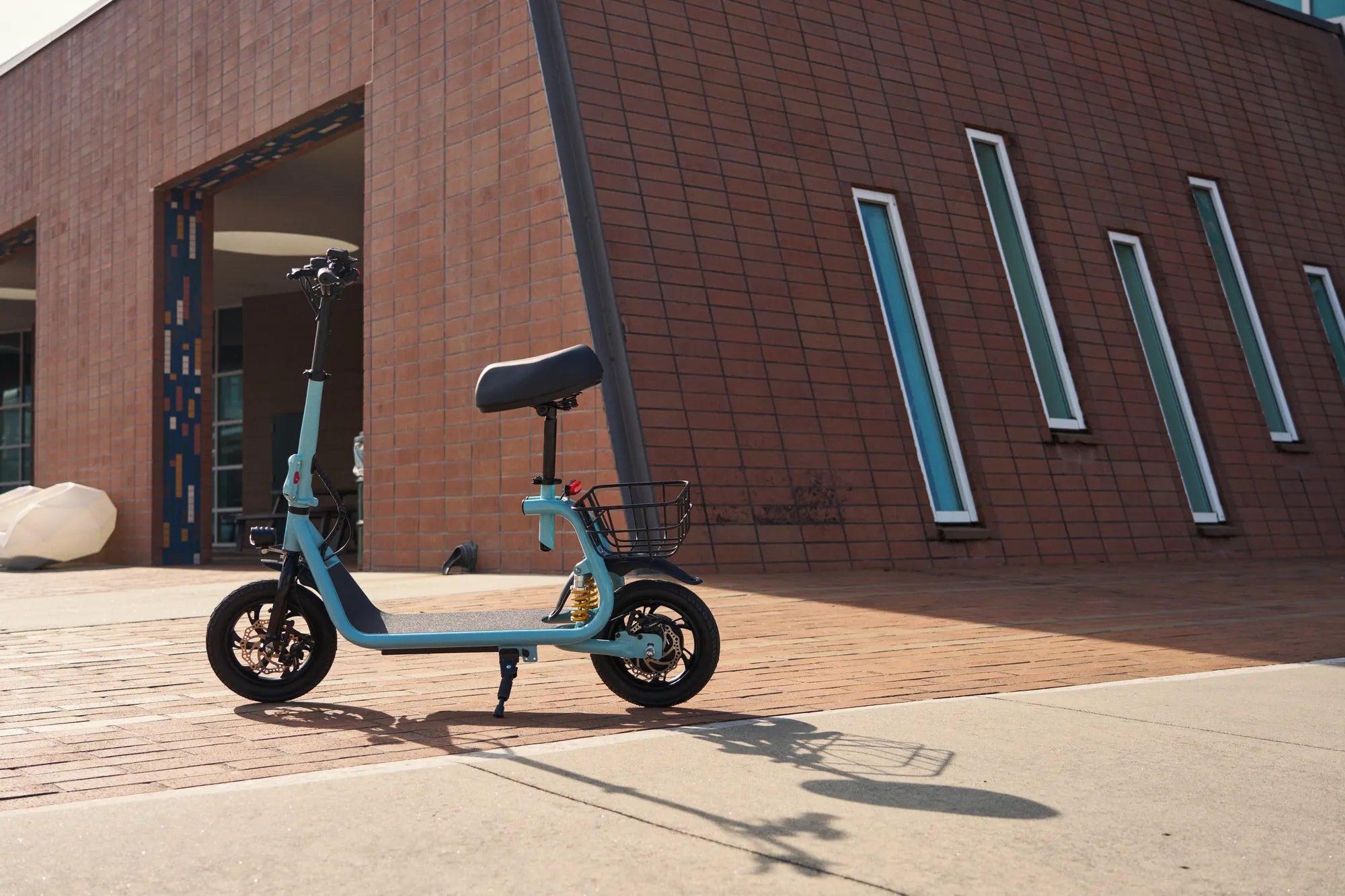
Introduction to 3.50x10 Scooter Tires: The Unsung Hero of Your Ride
Your ride's performance, safety, and efficiency hinge on a component often taken for granted: the tires. For owners of many popular electric scooters, 50cc gas mopeds, and even some compact e-bikes, the 3.50x10 scooter tire is the vital contact patch between machine and road. This specific size has become a industry standard for a reason, offering a balanced blend of stability, agility, and load capacity for urban mobility.
Understanding your 3.50x10 scooter tire is not just for mechanics. It empowers you to make informed decisions about maintenance, replacement, and upgrades. A worn or incorrect tire can drastically reduce braking distance, compromise wet-weather grip, and even damage your scooter's motor or drivetrain. This guide will provide a comprehensive, data-driven look at everything you need to know.
We'll decode the numbers, explore performance characteristics, and provide a practical maintenance guide. We'll also highlight how leading brands like Gyroor integrate high-quality tires into their vehicle design philosophy, ensuring that every component from the UL-certified battery to the 3.50x10 scooter tire works in harmony for a reliable ride. Your journey to becoming a more knowledgeable and safer rider starts here.
Decoding the Numbers: What Does 3.50x10 Actually Mean?
The alphanumeric code on your tire sidewall is its precise identifier. For a 3.50x10 scooter tire, the system is straightforward but rooted in imperial measurements. The first number, "3.50," denotes the nominal width of the tire from sidewall to sidewall when mounted and properly inflated. This measurement is in inches.
The "10" that follows the "x" indicates the wheel or rim diameter that the tire is designed to fit. This is also measured in inches. Therefore, a 3.50x10 scooter tire is designed for a 10-inch diameter rim and has a nominal width of approximately 3.5 inches. It's crucial to understand that the actual mounted width can vary slightly depending on the rim width and tire construction.
This inch-based sizing is common on smaller personal electric vehicles and scooters. It differs from the metric sizing system (e.g., 80/90-10), though the two are often comparable and sometimes interchangeable. The metric system expresses width as a percentage of the aspect ratio, leading to more precise but less intuitive numbers for the average rider.
Key Dimensions and Fitment Compatibility
Physically, a typical 3.50x10 scooter tire will have an overall diameter of roughly 16 inches (about 406mm) when mounted and inflated. The exact diameter can vary by brand and tread pattern. This dimension directly affects your scooter's speedometer calibration, ground clearance, and overall gearing.
This tire size is exceptionally common across several vehicle categories. It is the standard fitment for most 50cc gas-powered scooters and mopeds. In the electric vehicle world, numerous adult electric scooters designed for commuting and urban use utilize this reliable size. Certain models of light-duty mobility scooters and compact e-bikes also employ the 3.50x10 scooter tire for its stability and compact form factor.
Compatibility goes beyond just the physical dimensions. You must also match the tire's load index and speed rating to your vehicle's specifications. Exceeding the scooter's weight capacity or top speed on a tire not rated for it is a significant safety hazard. Always consult your owner's manual first, then cross-reference the sidewall codes on your current tire.
Performance Characteristics: What to Expect from a 3.50x10 Tire
The dimensions of the 3.50x10 scooter tire create a distinct performance profile. A 3.5-inch width provides a substantive contact patch, offering more stability and confidence than narrower tires commonly found on kick scooters. This width effectively balances straight-line stability with manageable low-speed maneuverability, making it ideal for navigating city streets.
Riders can expect predictable handling characteristics. The tire's profile allows for sufficient lean angle during turns without feeling overly tippy. The grip level is largely determined by the rubber compound and tread pattern, but the size itself provides a stable platform for both acceleration and braking forces. This is critical for the stop-and-go nature of urban commuting.
Compared to a wider tire (like a 120/70-10), the 3.50x10 scooter tire may offer slightly less ultimate cornering grip and cushioning over bumps. However, it is generally lighter, which can reduce unsprung rotational mass, potentially improving acceleration and range on electric models. It strikes a practical compromise between performance, weight, and cost for daily use.
On-Road vs. Off-Road Tread Patterns
The tread design is where tire performance is fine-tuned for specific conditions. For the 3.50x10 scooter tire, the primary divide is between on-road (street) and off-road (knobby) patterns.
Street/Slick Tires: These often feature a central rib or minimal siping (small grooves). The goal is to maximize the rubber-to-pavement contact area for superior dry grip, shorter braking distances, and smoother, quieter rolling. They are the optimal choice for pure urban and suburban commuting on paved surfaces. Many high-performance electric scooters come equipped with street-oriented 3.50x10 scooter tire models.
Off-Road/Knobby Tires: Characterized by large, blocky tread lugs with deep grooves, these tires are designed to bite into loose surfaces like dirt, gravel, and grass. They provide essential traction for light trail riding or navigating unpaved paths. The trade-off is increased rolling resistance on pavement (reducing range), louder operation, and often faster and less even wear on hard surfaces. Some riders choose a hybrid pattern that offers moderate off-road capability without sacrificing too much on-road manners.
The Gyroor Advantage: Built for Reliability in Every Condition
At Gyroor, every component is selected and engineered as part of a holistic system designed for real-world reliability. The choice of a robust 3.50x10 scooter tire on applicable models is intentional. It complements the brand's core engineering principles: UL-certified battery safety, IPX5 water-resistant construction, and a reliable 1-year warranty. A vehicle is only as dependable as its weakest link, and tires are a fundamental part of the safety equation.
Gyroor's design philosophy recognizes that a commuter's scooter faces daily challenges—potholes, wet roads, debris, and varying temperatures. Therefore, specifying tires that can handle these conditions is non-negotiable. It's part of creating a product trusted by over 100,000 riders across North America and Europe. The tire is not just an accessory; it's an integrated component of a safe, durable mobility solution.
This systems approach means the tire works in concert with the scooter's suspension, weight distribution, and motor power. For instance, the torque delivery of a Gyroor electric scooter is matched to the grip level expected from its stock tires, ensuring controlled acceleration without excessive wheel spin. This integrated design is what separates a thoughtfully built vehicle from a mere assembly of parts.
Durability and Safety Features to Look For
When evaluating a 3.50x10 scooter tire, whether as original equipment or a replacement, several construction features directly impact durability and safety.
Reinforced Sidewalls: Look for tires with strengthened sidewalls to resist damage from curb impacts and provide stability during cornering. This is often indicated by terms like "reinforced" or "extra load."
Puncture Resistance: Many premium tires incorporate a layer of puncture-resistant material, such as Kevlar or other high-density fabrics, beneath the tread. This "belt" helps deflect nails, glass, and thorns, a major concern for urban riders.
Compound Technology: The rubber compound determines grip, wear rate, and performance in different temperatures. A high-silica compound is excellent for wet-weather traction, while a harder compound may prioritize mileage. Quality manufacturers balance these properties for all-weather capability.
Tread Wear Indicators (TWI): These small raised bars in the tread grooves become flush with the tread surface when the tire is legally worn out (typically at 1.6mm of remaining tread). They provide a clear, visual cue for necessary replacement.
Maintenance, Replacement, and Troubleshooting Guide
Proper tire care extends their life, ensures safety, and maintains optimal performance. For your 3.50x10 scooter tire, a simple routine can prevent most major issues.
Tire Pressure: This is the single most important maintenance item. Check pressure at least every two weeks when the tires are cold. The correct PSI range is usually found on the scooter's frame sticker or in the manual, typically between 35-50 PSI for this size. Under-inflation causes excessive wear on the shoulders, increases rolling resistance (killing range), and can lead to dangerous sidewall failure. Over-inflation reduces the contact patch, leading to poor grip and a harsh ride.
Visual Inspection: Before every ride, do a quick visual check. Look for embedded objects (nails, screws), cracks in the sidewall or tread, bulges or blisters (indicating internal damage), and uneven wear patterns. Uneven wear can signal alignment issues, suspension problems, or incorrect tire pressure.
Tread Depth Check: Use a tread depth gauge or the built-in Tread Wear Indicators. Once the tread is worn down to the level of the TWI bars, the tire has reached the end of its safe service life and must be replaced immediately. Riding on bald tires, especially in wet conditions, is extremely hazardous due to drastically reduced hydroplaning resistance.
Step-by-Step: How to Choose Your Next 3.50x10 Tire
When replacement time comes, follow this decision matrix to select the right tire for your needs.
- Identify Your Primary Use Case: Are you a daily commuter (prioritize street/slick tires for range and wet grip), a recreational rider who hits park paths (consider a hybrid pattern), or someone needing light off-road capability (knobby tires)?
- Assess Your Climate: If you frequently ride in rain, prioritize tires with siping and high-silica compounds designed for wet traction. In predominantly dry climates, a standard compound may suffice.
- Balance Mileage vs. Grip: Harder compounds last longer but may offer less ultimate grip. Softer compounds provide better traction but wear faster. Most quality commuter tires strike a middle ground.
- Verify Load Index & Speed Rating: The sidewall code (e.g., 51J) contains this data. The number (51 = 195 kg load capacity per tire) and letter (J = 100 km/h speed rating) must meet or exceed your scooter's original specifications. Do not downgrade.
- Consider Tubeless vs. Tubed: Many modern 3.50x10 scooter tire applications are tubeless, which can offer better puncture resistance and easier sealing with a repair kit. If your rims are designed for tubeless tires, use them. If they require a tube, ensure you get the correct tube size (e.g., 3.50/4.10-10).
Comparison Table: 3.50x10 Tire Types and Applications
| Tire Type | Tread Pattern | Best For | Key Advantages | Trade-offs & Considerations |
|---|---|---|---|---|
| Street / Commuter | Smooth center rib, minimal siping | Urban pavement, daily commuting, maximum range | Excellent dry/wet pavement grip, low rolling resistance, quiet, long tread life | Poor performance on loose surfaces (dirt, gravel) |
| Hybrid / All-Round | Moderate block pattern with channels | Mixed city/paved path use, occasional hard-packed trails | Versatile, decent wet grip, some off-road capability | Slightly higher rolling resistance than pure street tires |
| Off-Road / Knobby | Aggressive, deep block lugs | Light trail riding, grass, dirt, gravel paths | Superior traction on loose and soft surfaces | High noise/vibration on pavement, faster/uneven wear, reduced range |
Frequently Asked Questions (FAQ)
Q1: Is a 3.50x10 tire the same as an 80/90-10 tire?
They are extremely similar and often used interchangeably in practice, but they are not identical. An 80/90-10 is a metric designation where 80mm is the width and 90% of that (72mm) is the sidewall height. A 3.50x10 scooter tire (3.5" ≈ 89mm wide) is typically slightly wider and may have a different profile. Always check your owner's manual for the approved size, but in many cases, they will fit the same rim. The load and speed ratings are more critical than the minor dimensional difference.
Q2: How often should I replace my scooter tires?
Replace based on condition, not just time or mileage. Inspect tread depth monthly. Replace when tread is at the wear indicators (1.6mm) or if you find any cracks, bulges, or damage. As a general guideline, even with minimal use, the rubber compounds degrade over time. It is advisable to consider replacement every 2-3 years due to aging, regardless of visible tread wear, especially if the scooter is stored outdoors and exposed to UV light and ozone.
Q3: Can I put a wider tire on my 3.50x10 rim?
Proceed with extreme caution. A slightly wider tire (e.g., a 90/90-10) may physically fit, but it can alter the handling geometry, potentially causing the tire to rub against the swingarm or fender under compression. It will also change the effective gearing, making your speedometer read inaccurately (showing a slower speed than you are actually traveling). For safety and performance, it is strongly recommended to stick with the OEM-specified tire size.
Q4: Why do my new 3.50x10 tires feel slippery?
This is common and normal. New tires have a mold release agent on their surface—a lubricant used in manufacturing to separate the tire from the mold. This coating is slick and must be worn off. Practice cautious riding for the first 20-30 miles. Perform gentle accelerations, smooth braking, and avoid sharp cornering at the limit until the tires develop a slight matte appearance and full grip is established.
Q5: Can I repair a puncture in my scooter tire, or must I replace it?
Small punctures in the central tread area can often be repaired reliably using a proper tubeless plug/patch kit or, for tubed tires, by replacing or patching the inner tube. However, sidewall punctures or cuts, or any puncture larger than 1/4 inch (6mm), are not safely repairable. The sidewall flexes constantly, and a repair there is likely to fail. When in doubt about the safety of a repair, replacement is the only responsible choice.
Conclusion: Investing in Your Contact Patch for a Safer Journey
The 3.50x10 scooter tire is far more than a simple ring of rubber; it is a sophisticated, load-bearing, grip-generating component that dictates the fundamental relationship between your vehicle and the road. Its size, compound, and tread pattern directly influence braking distance, cornering stability, range efficiency, and overall rider confidence. Neglecting tire health is a risk no informed rider should take.
By understanding the specifications, performing regular maintenance, and choosing quality replacements that match your riding needs, you actively invest in your safety and enhance your riding experience. Whether you're commuting daily on a Gyroor electric scooter built with integrated reliability or maintaining a vintage moped, the principles remain the same: prioritize the condition of your contact patches.
View your tires as a crucial consumable, like brake pads or motor oil. Their performance degrades gradually, making proactive inspection and timely replacement essential. Choose tires that align with your primary use case and climate, and never compromise on the specified load and speed ratings. Your journey depends on it.
Ready to explore reliable electric mobility solutions built with attention to critical components like the 3.50x10 scooter tire? Browse the full Gyroor collection, featuring UL-certified batteries, IPX5 water-resistant designs, and a commitment to rider safety, at gyroorboard.com.
Smart Trike 4-in-1: The Ultimate Growth Companion for Modern Families
What Does Scooter Mean: From Kick-Powered Toy to Electric Urban Revolution