



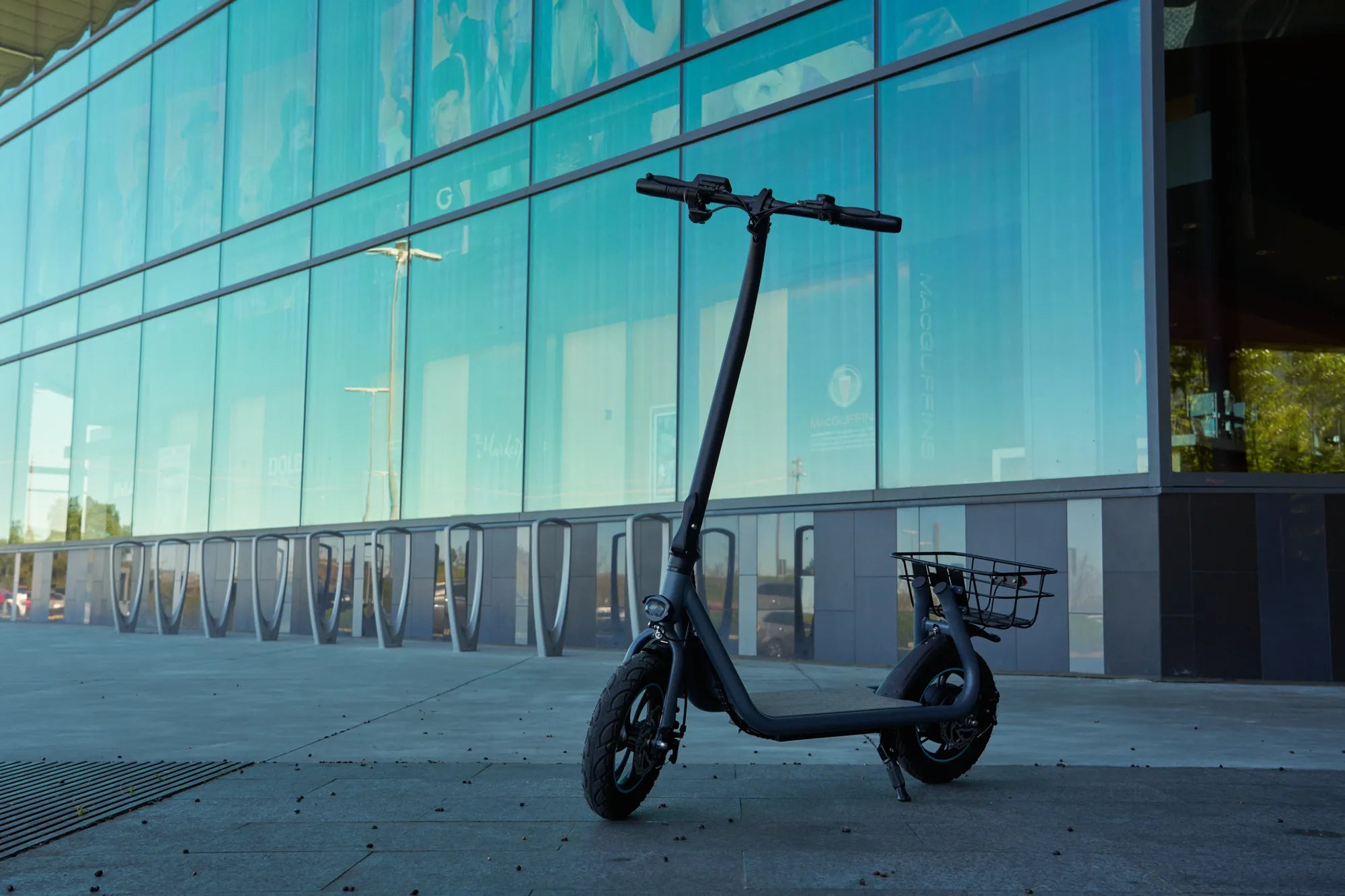
Introduction to 3-Wheel Scooter Bikes: Stability Meets Electric Mobility
A 3-wheel scooter bike, often called a trike e-scooter or seated electric scooter, is redefining personal urban transport. It combines the compact, electric-powered convenience of a scooter with the inherent stability of a three-point stance. This design fundamentally addresses the balance anxiety associated with traditional two-wheelers, opening up electric mobility to a much wider audience. For urban commuters, seniors, and those seeking a confident car alternative for short trips, the 3-wheel scooter bike presents a compelling solution. Leading brands like Gyroor have entered this category with a focus on integrating proven safety technology and reliable performance into this stable platform, ensuring riders get both confidence and quality from their first ride.
The Anatomy of a Modern 3-Wheel Scooter Bike: Key Features Explained
The design of a quality 3-wheel scooter bike is a careful engineering balance. The frame geometry is optimized for low-speed stability, with a wider wheelbase preventing tip-overs during stops and starts. Motor placement is typically in the rear hub or configured as a dual-drive system for enhanced traction. The braking system is critical; many models combine a front electronic brake with a rear mechanical disc brake for controlled, reliable stopping power in all conditions.
The Heart of the Ride: Motor, Battery, and Range
Performance hinges on the motor and battery. Motors typically range from 350W to 500W, providing enough torque for urban hills and steady acceleration. The battery is the cornerstone of both range and safety. High-capacity lithium-ion packs, measured in watt-hours (Wh), determine how far you can go. Crucially, opting for a model with a UL-certified battery pack, like those used by Gyroor, is non-negotiable for safety, as it signifies rigorous testing for overcharge, short circuit, and thermal stability. Real-world range varies from 15 to 40 miles per charge, heavily influenced by rider weight, terrain, and assist level.
Built to Last: Durability and Weather Resistance
Durability starts with a lightweight yet robust aluminum alloy frame. For practical, all-weather use, an IPX5 water-resistant rating is a key feature. This certification means the scooter bike can withstand water jets from any direction, making it safe to ride through puddles and in light rain. Tire choice also affects longevity and comfort. Pneumatic (air-filled) tires offer better shock absorption and traction, while solid tires eliminate the risk of flats but may provide a firmer ride.
Who is the 3-Wheel Scooter Bike For? Identifying Your Ideal Rider Profile
The 3-wheel scooter bike isn't a niche product; it serves specific rider needs better than any two-wheeled vehicle. Its primary advantage is stability without sacrificing the fun and efficiency of electric power. By comparing it to traditional e-scooters and e-bikes, we can clearly identify the ideal user profiles for this unique vehicle.
The Urban Commuter & Errand-Runner
For the city dweller, the 3-wheel scooter bike is a practical workhorse. Its stable platform allows for secure stops at traffic lights, and many models come equipped with integrated cargo baskets or bags. This makes it perfect for last-mile commuting from transit hubs, quick grocery runs, or weekend errands, directly replacing car trips for distances under 10 miles. The ability to carry items without worrying about balance is a game-changer.
The Stability-Seeking Rider: Seniors & New E-Riders
This category is arguably the most transformative. For seniors or anyone new to electric personal transport, the learning curve on a two-wheeler can be a barrier. The 3-wheel scooter bike eliminates that hurdle. The trike design provides instant confidence, allowing riders to focus on operating the controls and enjoying the ride rather than balancing. It democratizes electric mobility, making it accessible and safe for a much broader demographic.
The Off-Road & Recreational Explorer
Beyond paved city streets, certain 3-wheel scooter bikes are built for adventure. Models with enhanced front and rear suspension, wider, knobbier tires, and higher ground clearance excel on paved trails, park paths, and hard-packed gravel. They offer a stable and comfortable platform for recreational exploration, expanding the definition of where an electric scooter can go.
Gyroor's Approach: Safety and Reliability in Three-Wheel Design
Gyroor's philosophy centers on building trust through verified safety and dependable performance. In the 3-wheel scooter bike category, this translates into specific, tangible features. The use of UL-certified battery packs directly addresses one of the top consumer concerns: fire safety. These batteries undergo thousands of hours of testing, ensuring peace of mind for over 500 charge cycles.
The IPX5 water-resistant construction is not an afterthought but a core design principle. It ensures the scooter bike remains reliable when encountering unexpected weather, protecting critical electronic components from water damage. Furthermore, Gyroor backs its products with a 1-year comprehensive warranty and accessible customer support. This commitment lowers the total cost of ownership and provides long-term assurance, which is vital for a vehicle meant for daily use.
Making the Choice: 3-Wheel Scooter Bike vs. Traditional E-Bikes & Scooters
Choosing the right electric vehicle requires matching its strengths to your primary needs. The following table provides a clear, data-driven comparison between a typical 3-wheel scooter bike, a standard kick e-scooter, and a commuter e-bike.
| Feature | 3-Wheel Scooter Bike | Traditional 2-Wheel E-Scooter | Commuter E-Bike |
|---|---|---|---|
| Primary Strength | Inherent stability at all speeds | Extreme portability & compactness | Long-range & traditional bicycle feel |
| Learning Curve | Very low; easy for beginners | Moderate; requires balance | Low (if you can ride a bike) |
| Typical Storage/Cargo | Often includes baskets/bags | Minimal; rider must carry backpack | Can add panniers & racks |
| Portability (Weight/Folding) | Heavier (50-70 lbs); may fold | Lightweight (30-40 lbs); folds easily | Heavy (50-70 lbs); rarely folds |
| Maneuverability in Tight Spaces | Good, but wider turn radius | Excellent; very nimble | Good, similar to a bicycle |
| Ideal Rider | Stability-focused commuters, seniors, errand-runners | Multi-modal commuters, students, those with storage constraints | Fitness-oriented commuters, long-distance riders |
As the table shows, the 3-wheel scooter bike excels where stability and easy cargo carrying are priorities, while the two-wheel scooter wins on portability and the e-bike on range and exercise potential.
Frequently Asked Questions About 3-Wheel Scooter Bikes
1. Are 3-wheel scooter bikes safe for hills?
Yes, models with motors of 350W or higher can handle moderate hills. Safety on inclines also depends on having a robust braking system (disc brakes are ideal) and controlled, low-speed operation. Always check the manufacturer's specified gradeability.
2. Do I need a license or insurance to ride one?
Laws vary by location. Generally, for low-speed electric scooters and bikes under a certain wattage (often 750W) and speed (often 20 mph), no driver's license or vehicle registration is required. However, you must always check your specific state and local regulations. Insurance is typically not mandatory but can be a good idea for theft or liability.
3. How do I maintain the battery for maximum lifespan?
Avoid fully draining the battery. Try to keep charge between 20% and 80% for daily use. Store the scooter bike in a cool, dry place, and avoid leaving it at full charge for extended periods (weeks). Using the official charger provided is essential.
4. Can it be used in the rain?
Scooter bikes with an IPX5 water resistance rating are designed to handle wet conditions, including light rain and road spray. However, they are not submersible. Avoid deep puddles, heavy downpours, and always dry the vehicle after a wet ride.
5. What is the typical weight capacity?
Most quality 3-wheel scooter bikes have a weight capacity between 220 and 300 pounds. Always verify the manufacturer's maximum load rating to ensure safe operation and optimal battery range.
The Future of Accessible Personal Transportation
The 3-wheel scooter bike represents a significant step toward truly accessible and practical urban electric mobility. By solving the stability equation, it invites a new wave of riders to reduce car dependency for short trips, easing traffic congestion and lowering carbon footprints. The key to a positive experience lies in choosing a vehicle built with certified safety features, durable weather-resistant construction, and backed by reliable support. This combination, exemplified by brands like Gyroor, transforms a novel concept into a dependable daily tool. As cities evolve, the stable, efficient, and fun 3-wheel scooter bike is poised to become a common sight on bike lanes and neighborhood streets.
Ready to experience stable, electric freedom? Explore engineering designed for confidence and safety. Browse the full Gyroor collection at gyroorboard.com to find the 3-wheel scooter bike that matches your journey.
How Many Miles Does a Scooter Last: The Complete Lifespan Guide
Trike Drifting: The Complete Guide to the Ultimate Electric Slide