


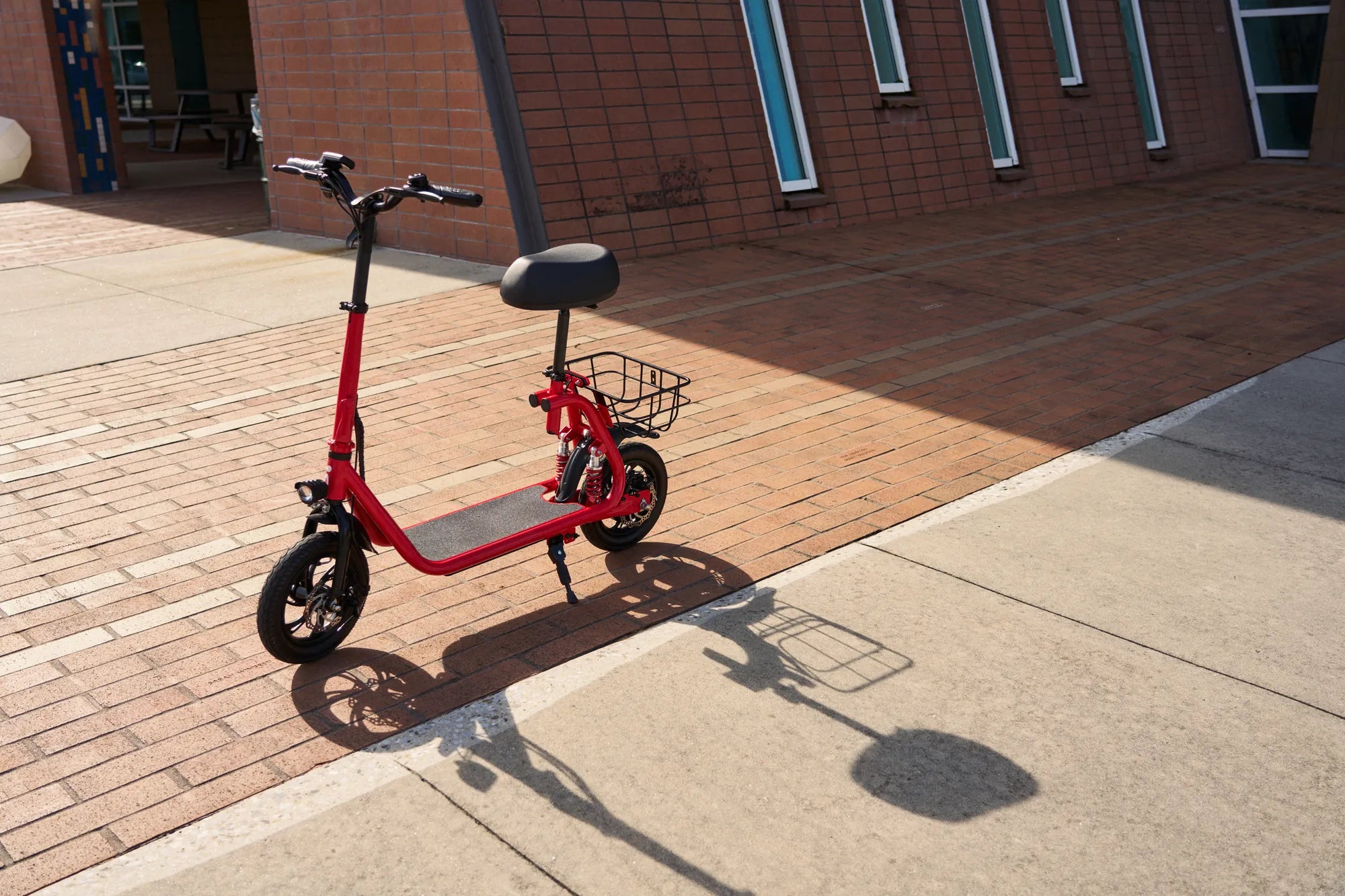
Redefining Personal Mobility with 30 MPH Electric Scooters
The landscape of urban transportation is undergoing a quiet revolution. At its forefront is the 30 mph mobility scooter, a vehicle that transcends the limitations of traditional commuting. This isn't a toy or a novelty; it's a serious personal electric vehicle (PEV) engineered for adults who value time, efficiency, and a touch of exhilaration in their daily travel. For commuters, enthusiasts, and eco-conscious individuals, a 30 mph electric scooter represents the perfect intersection of practical utility and advanced performance, capable of transforming congested city streets into pathways of seamless movement.
This guide will provide a comprehensive, data-driven look at the 30 mph mobility scooter category. You will learn what defines these powerful machines, their practical advantages for modern life, and the critical safety protocols required for responsible high-speed riding. We will also explore the engineering principles that make a scooter reliable at these speeds, with a focus on the standards set by leading brands. By the end, you'll have the knowledge to determine if a 30 mph scooter aligns with your mobility needs and how to choose a model built for longevity and safety.
What is a 30 MPH Mobility Scooter? Beyond the Basic Commuter
A 30 mph mobility scooter is a distinct class of personal electric vehicle designed for sustained, higher-speed travel. It sits strategically between standard commuter scooters (typically capped at 15-20 mph) and extreme performance models (exceeding 40 mph). This position makes it the "sweet spot" for most adult riders, offering ample speed for keeping pace with urban traffic without the excessive weight, cost, or regulatory complexity of ultra-high-performance options. These scooters are built with robust frames, powerful dual-motor systems, and large-capacity batteries to deliver consistent performance.
The core specifications of a true 30 mph mobility scooter are significant. Motor configuration is paramount, often utilizing dual motors with a combined nominal power of 1000W to 2000W to achieve and maintain top speed, especially on inclines. The battery system is equally critical, usually a 48V or 52V configuration with a capacity of 15Ah or higher. This combination directly influences the scooter's range, which can realistically span from 20 to 40 miles per charge depending on rider weight, terrain, and speed.
Advanced features are standard on these models to ensure control and comfort. A dual suspension system—often combining spring and hydraulic elements—is essential for absorbing bumps at speed and maintaining tire contact with the road. Braking must be equally robust, with hydraulic or high-quality mechanical disc brakes on both wheels providing reliable stopping power. Integrated lighting systems, including bright headlights, brake lights, and turn signals, are crucial for visibility and safety during dawn, dusk, or night rides.
Why Choose a 30 MPH Scooter? The Practical Advantages
The decision to opt for a 30 mph mobility scooter is driven by tangible benefits that impact daily life. The primary advantage is a profound increase in efficiency and expanded range of travel, making it a viable alternative to a car for a significant portion of urban and suburban trips.
Unmatched Efficiency for Urban Commuters
In city environments, the average car speed is often below 30 mph due to traffic lights and congestion. A 30 mph mobility scooter can match or even exceed this flow, especially when utilizing bike lanes. This transforms a 30-minute car commute into a 15-20 minute scooter ride, reclaiming hours per week. The ability to filter through stationary traffic and park directly at your destination eliminates the stress and cost associated with car parking, making it a supremely practical choice for daily work travel.
Enhanced Capability and Versatility
Beyond pure speed, the increased power translates to superior hill-climbing ability. A quality 30 mph scooter can tackle gradients of 15-20% with ease, opening up more routes and neighborhoods. The robust construction also supports higher weight capacities, often up to 265 lbs or more, accommodating a wider range of riders with gear. This capability makes the scooter versatile for not just commuting, but also for longer recreational rides, running errands across town, or carrying a backpack with groceries or a laptop.
The Eco-Conscious and Economic Choice
Electrically powered and producing zero direct emissions, a 30 mph mobility scooter is a clear win for reducing your carbon footprint. The energy cost per mile is a fraction of that for gasoline, and the total operational cost is minimal compared to a car's insurance, fuel, maintenance, and parking fees. For those looking to replace short car trips, which are often the least efficient for internal combustion engines, an electric scooter presents a powerful tool for personal sustainability and significant long-term savings.
Safety First: Essential Considerations for Riding at 30 MPH
Operating any vehicle at 30 mph demands respect and responsibility. Safety is not an optional accessory; it is the foundation of enjoyable and sustainable high-speed riding. Adhering to these principles is non-negotiable.
Protective Gear is Non-Negotiable
At 30 mph, the potential consequences of a fall are severe. A full-face helmet certified for cycling or motorsports is the single most important piece of safety equipment, protecting your head and face. Durable gloves protect your hands in a slide, while knee and elbow pads can prevent debilitating injuries. Wearing reflective clothing or adding lights to your person and scooter greatly increases your visibility to other road users, especially in low-light conditions.
Understanding Your Scooter's Capabilities
Before pushing the limits, a rider must intimately understand their vehicle's performance envelope. This includes knowing the braking distance from top speed on both dry and wet pavement. Practice emergency stops in a safe, empty area. Be aware of the scooter's stability characteristics during sharp turns and on uneven surfaces. Never exceed the manufacturer's stated weight limit, as it affects braking, acceleration, and structural integrity. A scooter's safety is only as good as the rider's knowledge of its limits.
Riding Etiquette and Navigating Local Laws
Laws governing electric scooters vary widely by city, state, and country. It is the rider's responsibility to know the local regulations regarding where you can ride (road, bike lane, sidewalk), speed limits for PEVs, helmet requirements, and whether registration or insurance is mandated. Always practice defensive riding: assume cars may not see you, signal your intentions, avoid blind spots, and never ride under the influence of alcohol or drugs. Being a predictable and lawful rider is key to coexistence with other traffic.
Gyroor's Commitment: Engineering Trust at Every Turn
Choosing a 30 mph mobility scooter means investing in a complex piece of personal electronics and mechanics. Trust in the manufacturer is paramount. Gyroor has built its reputation among over 100,000 riders in North America and Europe on a foundation of safety, durability, and support, making it a leading choice for high-speed electric mobility.
The Foundation of Safety: UL-Certified Batteries
The battery is the heart of an electric scooter and its most critical safety component. Gyroor exclusively uses UL-certified battery packs. This certification means the battery has undergone rigorous independent testing by Underwriters Laboratories for electrical, mechanical, and environmental safety, significantly reducing risks of fire or failure. These batteries are also engineered for longevity, tested for over 500 charge cycles while maintaining performance, ensuring your scooter remains reliable for years.
Built for the Real World: IPX5 Water Resistance
Daily commuting means encountering weather. An IPX5 water resistance rating is a key feature for a practical 30 mph mobility scooter. This rating certifies that the scooter's critical electronics can withstand water jets from any direction, protecting it from heavy rain, road spray, and puddles. This engineering detail is what separates a fad from a dependable daily vehicle, ensuring you won't be stranded by a sudden downpour.
Ride with Confidence: The 1-Year Comprehensive Warranty
Confidence in your purchase is solidified by strong warranty support. Gyroor backs its 30 mph scooters with a 1-year comprehensive warranty covering the motor, battery, frame, and electronic controllers. This warranty, supported by responsive customer service, provides peace of mind. It reflects the brand's confidence in its build quality and commitment to standing behind its products, allowing you to focus on the ride, not potential repair costs.
30 MPH Scooter vs. Alternatives: Making an Informed Choice
Contextualizing a 30 mph mobility scooter against other transport options clarifies its unique value proposition. The following table provides a data-driven comparison.
| Feature | 30 MPH Scooter | 20 MPH Commuter Scooter | E-Bike | Car (Short Trips) |
|---|---|---|---|---|
| Top Speed | 30 mph | 15-20 mph | 20-28 mph (Class 3) | N/A |
| Hill Climb | Excellent (15-20% grade) | Moderate (10-15% grade) | Good (with pedal assist) | N/A |
| Portability | Good (Folding, ~50-70 lbs) | Excellent (Folding, ~30-40 lbs) | Poor (Bulky, 50-70 lbs) | N/A |
| Parking/Storage | Extremely Easy | Extremely Easy | Challenging | Difficult/Costly |
| Operational Cost | Very Low (~$0.01/mile) | Very Low (~$0.01/mile) | Very Low (~$0.01/mile) | High ($0.50+/mile) |
| Fun/Engagement | High | Moderate | High | Low (in traffic) |
| Best For | Fast commutes, longer errands, enthusiasts | Last-mile, short trips, light riders | Leisure, exercise, cargo | Long distances, passengers, bad weather |
The 30 mph scooter excels in balancing speed, portability, and cost-effectiveness. It outperforms slower scooters on hills and distance, is more portable and parkable than an e-bike, and obliterates a car's cost and time penalty for urban trips under 10 miles. Its primary trade-off is weather exposure and, in some regions, regulatory gray areas compared to bicycles.
Frequently Asked Questions (FAQs) About 30 MPH Scooters
Q1: Do I need a license or insurance to ride a 30 mph mobility scooter?
Regulations vary significantly. In most U.S. states, electric scooters with a top speed under a certain threshold (often 20-28 mph) are treated similarly to bicycles and do not require a license, registration, or insurance. However, a 30 mph scooter may exceed these limits in some jurisdictions, potentially classifying it as a moped, which would require licensing and registration. It is absolutely critical to check your specific state and local laws before riding.
Q2: How far can I really go on a single charge?
Manufacturer range claims are based on ideal conditions: a light rider on flat ground at a moderate speed. Real-world range is affected by rider weight, wind, temperature, hill frequency, and how often you use the top speed. A scooter advertised for 40 miles might reliably deliver 25-30 miles for a 180 lb rider in a hilly city. Always plan for a 20-30% buffer from the claimed maximum.
Q3: Are these scooters difficult to maintain?
Maintenance is relatively simple but essential. Regular tasks include checking tire pressure (crucial for range and safety), ensuring brake pads are not worn and brakes are properly adjusted, tightening bolts that may vibrate loose, and keeping the scooter clean, especially the braking surfaces. The electrical systems and batteries in quality models like Gyroor's require minimal maintenance beyond proper charging habits.
Q4: Can I ride it in the rain?
With an IPX5 water resistance rating, a scooter is designed to withstand rain and wet roads. However, "water-resistant" is not "waterproof." Avoid deep puddles that could submerge the deck, and dry the scooter off after a wet ride. Always reduce speed in the rain, as braking distances increase dramatically and traction decreases. Proper maintenance after wet rides is key to long-term reliability.
Q5: What is the typical weight and is it portable?
A robust 30 mph mobility scooter typically weighs between 50 and 75 pounds. While they feature folding mechanisms for storage and transport, they are not "ultra-portable" like lighter models. Carrying one up a long flight of stairs daily would be challenging. Their portability shines in scenarios like rolling it into an office, storing it in a car trunk, or taking it on public transit for a mixed-mode commute.
Is a 30 MPH Electric Scooter Right for You?
The 30 mph mobility scooter is a transformative tool for modern urban mobility. It offers a compelling answer to traffic congestion, high transportation costs, and the desire for a more engaging commute. If your daily travel involves trips between 3 and 10 miles, if you face hills or need to keep pace with traffic, and if you value efficiency and independence, a 30 mph scooter is an excellent fit. The thrill of the ride is matched by its profound practicality.
Your choice of brand is the final, critical decision. Prioritize manufacturers that embed safety into their design with certifications like UL for batteries, build durability with features like IPX5 water resistance, and support their products with comprehensive warranties. These are the hallmarks of a vehicle built not just for speed, but for years of reliable service. Assess your routes, understand the local laws, invest in proper safety gear, and you may find that a 30 mph mobility scooter doesn't just change your commute—it upgrades your lifestyle.
Ready to experience the perfect blend of performance, safety, and reliability? Explore engineering you can trust. Browse the full Gyroor collection, featuring high-performance electric scooters built with UL-certified batteries, IPX5 water resistance, and backed by a 1-year warranty, at gyroorboard.com.
60 Volt Scooter: The Ultimate Guide to High-Performance Electric Riding
Best Scooter for 3 Year Old Boy: The 2024 Parent's Guide to Safety & Fun