

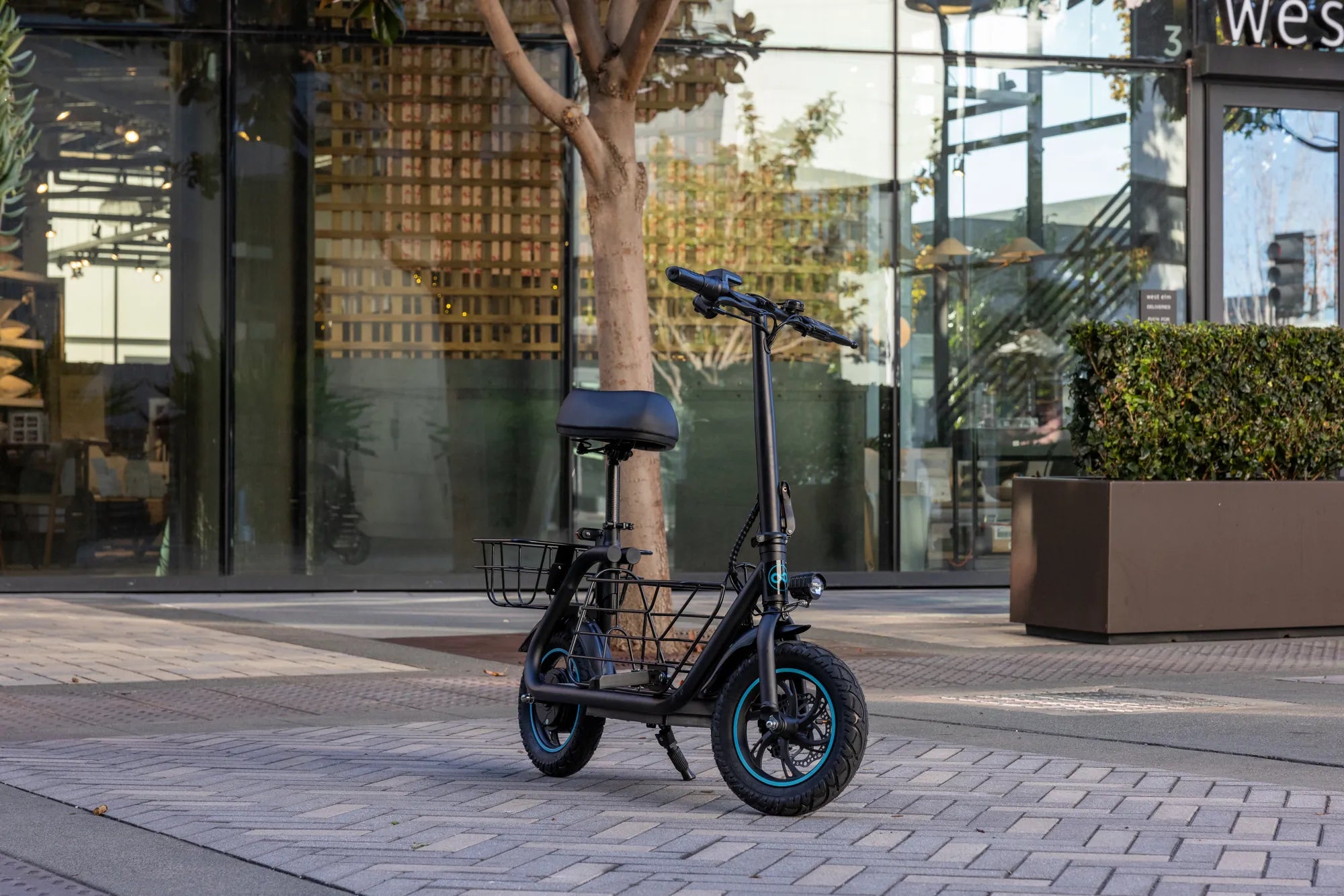
Introduction to 36V 20Ah E-Bike Batteries
Your e-bike's performance, range, and reliability are directly powered by its battery. The 36v 20ah ebike battery represents a specific and highly popular configuration that balances substantial energy capacity with manageable voltage. This combination makes it a cornerstone for commuter, city, and light trail e-bikes, offering a blend of power and endurance that meets the needs of a vast majority of riders.
At its core, a 36v 20ah ebike battery is a lithium-ion battery pack. The "36V" denotes its nominal voltage, which influences the motor's power and potential speed. The "20Ah" stands for 20 Amp-hours, a unit measuring the battery's energy storage capacity, which is the primary determinant of your potential riding range. Together, these specs create a 720 watt-hour (Wh) energy unit (36V x 20Ah = 720Wh).
This guide will dissect what these numbers mean for your ride, why build quality is paramount, and how to ensure you're investing in a safe, long-lasting power source. We'll move beyond basic specifications to explore the engineering, safety standards, and practical care that define a superior 36v 20ah ebike battery.
Choosing the right battery is not just about initial cost; it's about safety, longevity, and consistent performance. A high-quality 36V 20Ah pack from a trusted brand is an investment in years of dependable, worry-free riding.
Key Specifications and What They Mean for Your Ride
The numbers on a battery label tell a specific story about its capabilities. Understanding the relationship between voltage and amp-hours is key to setting realistic expectations for your e-bike's behavior and planning your journeys effectively.
These specifications are not marketing fluff but precise engineering metrics. They allow you to calculate potential range, compare different models, and match a battery to your riding style and local terrain with confidence.
Understanding Voltage (36V): Power and Speed
Voltage can be thought of as the electrical "pressure" available to the motor. A 36V system is a common standard for entry-level to mid-performance e-bikes. It provides sufficient power for efficient urban commuting, tackling moderate inclines, and achieving comfortable cruising speeds typically between 15-20 mph, depending on local regulations and motor wattage.
This voltage level offers an excellent balance. It delivers more torque and hill-climbing ability than a 24V system, while generally being more affordable and generating less heat than higher-voltage 48V or 52V systems. For most daily commuters and recreational riders, a 36v 20ah ebike battery provides all the necessary power without unnecessary complexity or cost.
The motor controller is designed to work with a specific voltage range. Using a 36V battery on a system designed for 36V ensures optimal efficiency and protects the motor from potential damage caused by under or over-voltage scenarios.
Understanding Amp-Hours (20Ah): The Key to Range
While voltage relates to power, amp-hours (Ah) are all about capacity—the size of your bike's "fuel tank." A 20Ah rating means the battery can, in theory, deliver 20 amps of current for one hour before being depleted, or 10 amps for two hours, and so on.
In practical terms, a higher Ah rating directly translates to a longer potential range between charges. The 36v 20ah ebike battery, with its 720Wh capacity, is a high-capacity option in the 36V category. It is specifically chosen by riders who have longer commutes, want to use higher levels of pedal assist more freely, or simply dislike the anxiety of frequent recharging.
It's important to note that the actual current draw varies constantly based on rider input, terrain, and assist level. Therefore, Ah is best used as a comparative metric: a 20Ah battery will typically provide significantly more range than a 10Ah battery of the same voltage, all else being equal.
Calculating Your Potential Range
Estimating range starts with the total energy capacity in watt-hours (Wh). For a 36v 20ah ebike battery, this is 36V x 20Ah = 720Wh. A general rule of thumb is that an e-bike consumes between 15-30 watt-hours per mile (Wh/mi), depending on conditions.
Using this range, a 720Wh battery could theoretically deliver between 24 to 48 miles of range. However, real-world factors heavily influence this number. Rider weight, cargo, wind resistance, tire pressure, terrain (flat vs. hilly), and the level of pedal assist or throttle use all play a critical role.
For a realistic estimate, consider the following typical consumption scenarios:
- Eco/Pedal Assist Level 1 (Minimal Assist): ~15 Wh/mi → Potential range: ~48 miles.
- Standard Commuting (Moderate Assist): ~20-25 Wh/mi → Potential range: ~29-36 miles.
- High Power/Throttle-Only (Max Assist): ~30+ Wh/mi → Potential range: ~24 miles or less.
Therefore, a rider using moderate assist on mixed terrain can reliably expect 30-40 miles from a quality 36v 20ah ebike battery, making it ideal for multi-day commutes or extended leisure rides without range anxiety.
Why Battery Quality Matters: Beyond the Numbers
Two batteries can share the same 36V 20Ah label but offer wildly different experiences in terms of safety, lifespan, and consistent performance. The internal components, construction quality, and protective systems are what separate a reliable power source from a potential hazard.
Investing in a quality battery is an investment in peace of mind. It ensures the pack will deliver its rated capacity consistently over hundreds of charge cycles, protect itself and your bike from electrical faults, and withstand the rigors of daily use.
The Critical Importance of UL-Certification
UL (Underwriters Laboratories) certification is the gold standard for electrical safety. For an e-bike battery, this means the entire pack—cells, BMS, casing, and connectors—has undergone rigorous independent testing for overcharge, short circuit, impact, and abnormal operation.
A UL-certified 36v 20ah ebike battery, like those used in Gyroor e-bikes, has passed these stringent tests. This certification is a non-negotiable safety benchmark, drastically reducing the risk of thermal runaway, fire, or failure. It is a direct reflection of a manufacturer's commitment to safety over cutting corners.
When purchasing a battery or an e-bike, always verify UL certification. It is the most important single indicator of a responsibly engineered product.
Cell Quality and Battery Management System (BMS)
The heart of any battery is its lithium-ion cells. High-quality packs use name-brand cells from manufacturers like LG, Samsung, or Panasonic. These cells offer better energy density, more consistent performance, and longer cycle life compared to generic, uncertified cells.
The Battery Management System (BMS) is the brain. A smart BMS continuously monitors every cell in the pack for voltage and temperature. It performs critical functions: balancing cell voltages to prevent overcharging of individual cells, cutting off power to prevent over-discharge (which permanently damages cells), and providing protection from over-current and short circuits.
A quality BMS is essential for maximizing the lifespan of a 36v 20ah ebike battery and ensuring it delivers its full capacity safely throughout its life.
Build Quality: Water Resistance and Durability
An e-bike battery lives in a harsh environment, exposed to vibrations, dust, and moisture. Build quality determines its resilience. A robust, impact-resistant casing protects the delicate cells from physical damage.
Water resistance is crucial. An IP rating describes this protection. For example, an IPX5 rating (a standard for Gyroor batteries) means the battery can withstand water jets from any direction, making it safe to ride in rain or through puddles. This prevents internal corrosion and electrical shorts, ensuring reliability in all weather conditions.
Quality connectors that securely lock the battery to the bike also prevent power interruption from vibration and ensure a consistent, high-current connection to the motor.
Comparing Your 36V 20Ah Battery Options
When evaluating different batteries, looking beyond the basic specs to design, features, and brand support will lead you to the best long-term value. Here is a comparison of key decision factors.
| Feature | Option A: Integrated Battery | Option B: Removable Battery | Why It Matters |
|---|---|---|---|
| Design & Aesthetics | Built into the frame; sleek, integrated look. | Mounted externally (e.g., downtube); more utilitarian appearance. | Integrated offers a cleaner look but can make servicing harder. |
| Charging Convenience | Must charge the entire bike near an outlet. | Battery can be removed for easy charging anywhere. | Removable batteries offer superior flexibility, especially for apartment dwellers. |
| Security & Theft | Difficult to steal; requires tampering with the bike. | Can be locked to the bike or taken with you. | Removable batteries allow you to secure the most valuable component separately. |
| Replacement & Upgrade | Often requires professional service; model-specific. | Typically user-replaceable; may offer upgrade paths. | Removable designs simplify replacement at end-of-life and can extend bike usability. |
| Weight Distribution | Often placed low and centered for optimal handling. | Weight placement varies; often on downtube for a low center of gravity. | Both designs aim for a low center of gravity, which is key for stable handling. |
For most riders, the convenience and security of a removable 36v 20ah ebike battery outweigh the slight aesthetic advantage of an integrated design. It provides control over charging logistics and protects your investment from theft.
Warranty and Support as a Quality Indicator
The length and terms of a battery warranty are a direct signal of the manufacturer's confidence in their product. A strong warranty typically covers defects in materials and workmanship for a defined period, often pro-rated based on time.
A reputable brand like Gyroor backs its UL-certified 36v 20ah ebike battery with a clear 1-year warranty, supported by accessible customer service. This commitment means you have recourse if an issue arises, ensuring you are not left with a costly paperweight.
Always review the warranty details before purchasing. A lack of meaningful warranty coverage is a major red flag regarding the expected lifespan and reliability of the battery.
Maximizing the Life and Performance of Your Battery
Proper care can easily double the functional lifespan of your lithium-ion battery. Following these data-driven best practices will help your 36v 20ah ebike battery retain its capacity and deliver reliable performance for years.
Lithium-ion batteries degrade from age, heat, and stress from very high or very low states of charge. Your usage habits directly influence the rate of this natural degradation.
Best Practices for Charging and Storage
Avoid routinely draining the battery to 0% or charging to 100% and leaving it plugged in for days. The stress points are at the extreme ends of the charge spectrum. For daily use, charging to 80-90% and recharging when it reaches 20-30% is ideal for longevity.
If storing the battery for more than a month, charge it to approximately 50-60% and store it in a cool, dry place. Avoid storing it fully charged or completely depleted, as both states accelerate capacity loss during storage.
Temperature is critical. Never charge a battery that is below freezing (32°F / 0°C). Always charge and store your battery at room temperature. Avoid leaving it in a hot car or in direct sunlight for extended periods, as heat is the primary enemy of lithium-ion cells.
Routine Maintenance and Care
Keep the battery casing clean and dry. Wipe it down with a damp cloth to remove dirt and grime, especially around the electrical contacts. Ensure the charging port is free of debris.
Periodically inspect the battery casing for any cracks, bulges, or signs of physical damage. A bulging battery is a failed battery and should be safely disposed of immediately—do not charge or use it.
Ensure the battery is securely locked to the bike frame before every ride to prevent damage from vibration or an accidental drop. Check that the electrical contacts on the battery and bike are clean for optimal performance.
Frequently Asked Questions (FAQ)
Q1: How long does a 36V 20Ah battery typically last before needing replacement?
A1: Lifespan is measured in charge cycles. A quality UL-certified battery using name-brand cells is rated for 500+ full charge cycles (from 0-100%). With proper care (partial charging), you can exceed this. If you ride 30 miles per charge, 500 cycles equate to 15,000 miles. For a daily commuter, this translates to 3-5 years of service before capacity noticeably diminishes to around 70-80% of its original rating.
Q2: Can I use a 36V 20Ah battery on a different brand's e-bike?
A2: Only if the electrical and physical compatibility is exact. You must match: 1) Voltage (must be 36V), 2) Connector type and polarity, 3) Physical dimensions and mounting system, and 4) Ensure the new battery's discharge current rating meets or exceeds the motor's demand. Using an incompatible battery can damage your e-bike's electronics or the battery itself and will void warranties. Always consult your e-bike manufacturer first.
Q3: What's the average charging time for a battery of this size?
A3: Charging time depends on the charger's output. A standard charger for a 36v 20ah ebike battery is often 2 amps (A). Charging time (in hours) is roughly Battery Capacity (Ah) / Charger Output (A). So, 20Ah / 2A = 10 hours for a full charge from empty. A faster 4A charger would cut this to about 5 hours. Never use a charger not specified for your battery, as incorrect voltage or current can cause a fire.
Q4: How does cold weather affect my battery's range and performance?
A4> Cold temperatures (below 50°F / 10°C) significantly reduce lithium-ion battery efficiency. Chemical reactions within the cells slow down, reducing the available capacity. You may experience a 20-30% reduction in range on a cold day. Performance (power output) can also feel sluggish. To mitigate this, store the battery indoors at room temperature until just before your ride. Insulating the battery with a neoprene cover can help retain its operating temperature during the ride.
Q5: Is it safe to leave my e-bike battery charging overnight?
A5> While modern batteries with a quality BMS have automatic cut-off features, it is not considered best practice. The safest protocol is to charge your battery in a well-ventilated area, on a non-flammable surface, and while you are awake and present. Unplug it once the charger indicates a full charge. This minimizes any risk in the extremely unlikely event of a malfunction.
Conclusion: Investing in a Reliable Power Source
The 36v 20ah ebike battery is more than just a component; it's the heart of your electric biking experience. Its 720Wh capacity offers a superb balance of practical range and manageable power, making it the ideal choice for the committed commuter and the adventurous weekend explorer alike. However, the label "36V 20Ah" is merely a starting point.
The true value lies in the unseen engineering: the UL-certified safety testing, the high-quality name-brand cells, the intelligent Battery Management System, and the robust, water-resistant construction. These are the features that transform a generic power pack into a dependable and safe asset for your vehicle.
Brands that stand behind their products with comprehensive warranties and accessible customer support, like Gyroor with its 1-year coverage and trusted reputation among over 100,000 riders, demonstrate a commitment to your long-term satisfaction and safety. Your choice in a battery directly impacts your ride's reliability, your personal safety, and your total cost of ownership.
Ready to power your journeys with confidence? Explore the full range of reliable, UL-certified e-bikes and scooters designed around quality power systems. Browse the full Gyroor collection at gyroorboard.com to find the perfect ride for your needs.
How Fast is a 1000cc Dirt Bike? Top Speed & Performance Data
Ebike Battery Charging Time: The Complete Guide for 2024