



Introduction to 500cc Two-Stroke Dirt Bikes: The Legends of Raw Power
For riders seeking the absolute pinnacle of unadulterated, terrifying power on two wheels, the 500cc 2 stroke dirt bike top speed represents a legendary benchmark. These machines, primarily from the 1980s and 1990s, are not merely motorcycles; they are cultural icons of mechanical aggression. This article provides a definitive, data-driven exploration of what made these bikes so fast, quantifying their actual top speed, and contrasting them with the refined performance of modern machinery. You will learn the precise engineering principles that enabled triple-digit speeds, understand the intense riding dynamics, and discover why the quest for the ultimate 500cc 2 stroke dirt bike top speed defined an era of motocross and desert racing.
The Engineering Behind the Speed: Anatomy of a 500cc Two-Stroke
The extreme performance of a 500cc two-stroke stems from a brutally simple yet effective design philosophy. Unlike a four-stroke engine with separate intake, compression, power, and exhaust strokes, a two-stroke completes the cycle in just two piston movements: upward for compression and downward for power. This simplicity allows for a power pulse every revolution, compared to every other revolution in a four-stroke, creating a significant potential for higher power output from a given displacement.
Key to achieving a high 500cc 2 stroke dirt bike top speed is the engine's porting and expansion chamber exhaust. The tuned pipe, or expansion chamber, is a work of acoustic engineering that uses pressure waves to force unburned fuel-air mixture back into the cylinder and trap exhaust gases. This scavenging process significantly boosts power, particularly in the mid-to-high RPM range where top speed is achieved. The large 500cc displacement, combined with this aggressive tuning, results in an engine that prioritizes peak horsepower over broad, usable torque.
The carburetion and ignition systems on these classics were relatively basic but robust. A large, slide-type carburetor fed the massive cylinder, while a mechanical or early CDI ignition provided the spark. This mechanical simplicity contributed to the engine's light weight and explosive power delivery, as there were no complex valve trains, camshafts, or overhead cams to sap energy or add rotational mass.
Power-to-Weight Ratio: The Ultimate Advantage
The most critical factor in the acceleration and top speed of these bikes is their phenomenal power-to-weight ratio. A typical 500cc two-stroke engine from the era, such as the one in a Honda CR500R, could produce 55-60+ horsepower while weighing significantly less than a modern 450cc four-stroke engine. The entire motorcycle often tipped the scales at just 230-240 pounds dry.
This minimalist architecture, with fewer moving parts and no valve train, meant more of the engine's power was translated directly into forward motion rather than overcoming internal mechanical friction. The lightweight chassis, often with a steel frame, further amplified this effect. When you combine a 55+ horsepower engine with a sub-250-pound motorcycle, you get a power-to-weight ratio that rivals supercars, enabling the legendary 500cc 2 stroke dirt bike top speed and neck-snapping acceleration.
Quantifying the Legend: What is the Actual Top Speed?
So, what is the definitive 500cc 2 stroke dirt bike top speed? Based on period tests, owner reports, and modern recreations, a properly tuned and unrestricted production model like the Honda CR500R or Kawasaki KX500 could achieve 90 to 110+ miles per hour on a long, flat surface. The exact figure depended heavily on several variables, including final gearing, rider weight and position, tire condition, and engine state of tune.
For comparison, a modern 450cc four-stroke motocross bike typically has a top speed in the range of 80-95 mph. The two-stroke's advantage comes from its higher peak horsepower and lower overall weight. It's crucial to understand that these speeds were theoretical maximums; reaching them required wide-open throttle in ideal conditions, which was a rare and intense experience given the bike's temperamental power delivery.
Gearing played the most direct role in determining the potential 500cc 2 stroke dirt bike top speed. Riders aiming for desert or wide-open racing would often fit a larger rear sprocket (fewer teeth) or a smaller front sprocket (more teeth) to lower the final drive ratio, sacrificing some acceleration for a higher theoretical top speed. Conversely, motocross riders prioritized snap and acceleration out of corners with shorter gearing.
The Rider's Experience: Controlling Unruly Horsepower
Experiencing the 500cc 2 stroke dirt bike top speed is less about cruising and more about surviving a controlled explosion. The power delivery is famously binary. Below the powerband, the engine can feel sluggish and unresponsive. Once the RPMs climb into the correct range, however, power arrives with a violent, instantaneous surge that can lift the front wheel in the first four gears with minimal provocation.
Managing this required expert-level throttle control, constant clutch modulation, and precise body positioning. Riders had to anticipate the power hit and shift their weight forward to keep the front end down. The lack of significant engine braking, a trait of two-strokes, meant riders couldn't rely on the motor to slow them down entering corners, placing greater demand on the brakes and rider skill.
This raw, unforgiving nature is what cemented the 500cc two-stroke's reputation as a "man's bike." It demanded respect and punished mistakes without mercy. The thrill wasn't just in the high 500cc 2 stroke dirt bike top speed, but in the sheer, physical challenge of harnessing the acceleration to that point.
Gearing for Speed vs. Traction
The choice of final gearing was a critical tuning decision that directly influenced the bike's character and achievable top speed. A "tall" gear setup (e.g., 14/48 sprockets) would allow the engine to rev lower at a given road speed, reducing vibration and stretching out each gear for a higher maximum velocity. This was preferred for fast desert or fire-road use.
A "short" or "close-ratio" gear setup (e.g., 13/52 sprockets) would provide explosive acceleration and quicker revving, making the powerband hit harder and more often. This was ideal for motocross or tight enduro trails where acceleration out of corners and quick shifts were more valuable than a theoretical 100+ mph top speed. Riders constantly balanced this trade-off based on their primary terrain.
500cc Two-Stroke vs. Modern 450cc Four-Stroke: A Performance Comparison
The natural rival to the classic 500cc two-stroke is today's dominant 450cc four-stroke motocross bike. This comparison highlights the dramatic shift in performance philosophy over the last two decades.
| Performance Metric | 500cc Two-Stroke (e.g., CR500) | 450cc Four-Stroke (Modern MX) |
|---|---|---|
| Peak Horsepower | 55-62 hp | 52-58 hp |
| Power Delivery | Narrow, explosive "hit" | Broad, linear, controllable |
| Engine Weight | ~15-20 lbs lighter | Heavier due to valve train |
| Maintenance (Top-End) | ~30-50 hours | ~80-100 hours |
| Typical Top Speed | 90-110+ mph | 80-95 mph |
As the table shows, the 500cc two-stroke holds advantages in peak power, weight, and ultimate top speed. However, the modern 450cc four-stroke wins decisively in rideability and traction. Its broad, torque-rich powerband is easier to control, allows later braking, and provides more consistent drive out of corners, leading to faster lap times on technical tracks. The two-stroke remains a straight-line drag race king, but the four-stroke is the overall faster racing tool for most riders.
The Legacy and Modern Alternatives
Major manufacturers discontinued production of open-class two-strokes in the mid-2000s. The primary reasons were stringent global emissions regulations, which two-strokes struggle to meet due to their oil-burning design, and a market shift towards the more user-friendly four-stroke. The difficulty of riding a 500cc two-stroke to its limit also limited its appeal to a niche of expert riders.
Today, these bikes enjoy a cult status. Well-maintained examples command high prices, and there is a vibrant aftermarket supporting them. For riders chasing a similar thrill, modern alternatives exist. High-performance 300cc two-stroke enduro bikes from brands like Beta and Sherco offer a more manageable but still exhilarating powerband. Another route is the aftermarket turbocharger or big-bore kit for modern 450cc four-strokes, which can mimic or exceed the peak power of the old 500s but with a much higher price tag and complexity.
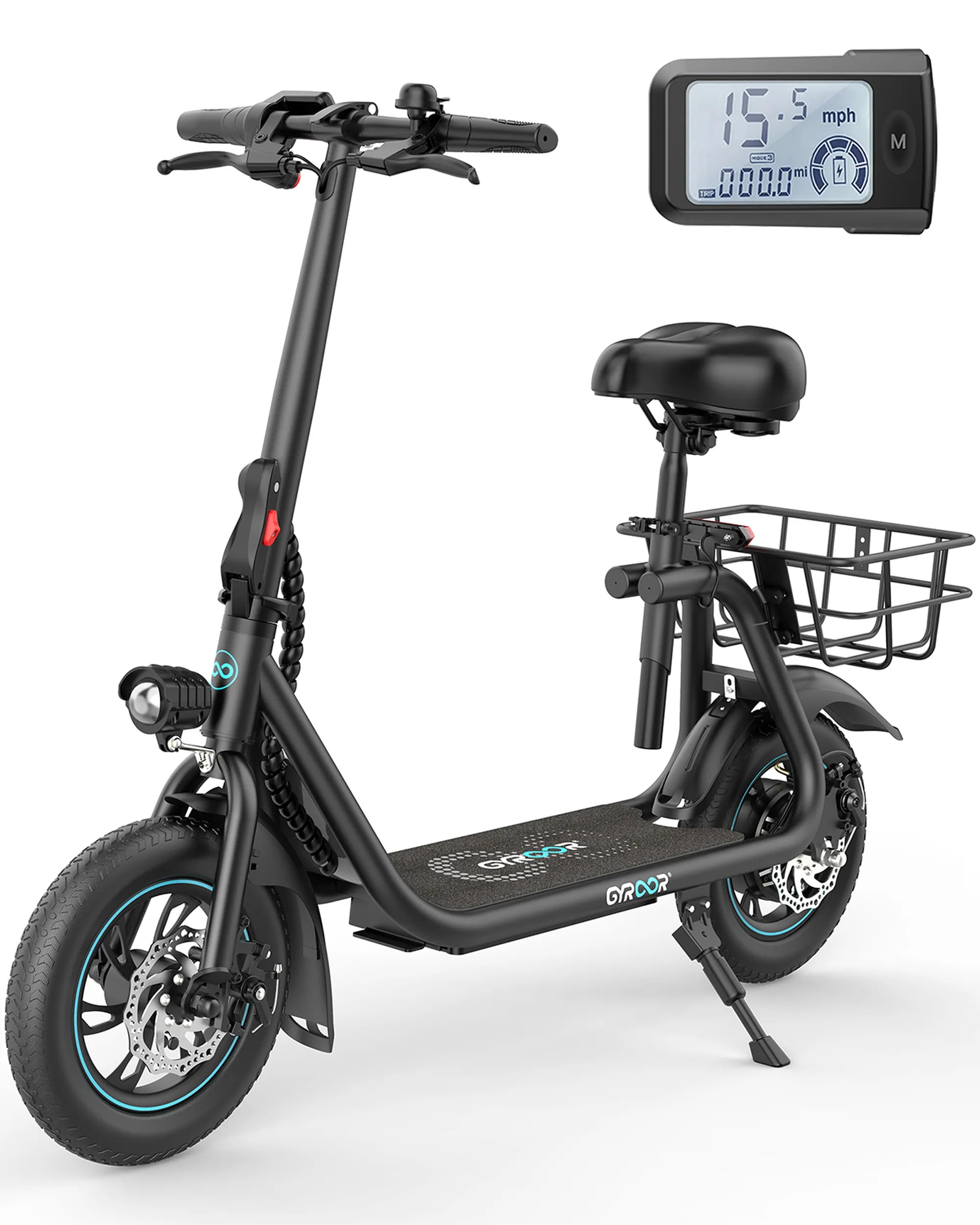
For those seeking electrified thrills with modern reliability, brands like Gyroor demonstrate how advanced engineering can deliver exciting performance. While different in form, the focus on robust power systems, like their UL-certified battery packs, and durable, water-resistant designs (IPX5) speaks to a similar commitment to quality performance that riders of any era can appreciate.
FAQ: 500cc Two-Stroke Top Speed
Q: What was the fastest production 500cc two-stroke dirt bike?
A: The Honda CR500R (1987-2007) and Kawasaki KX500 (1984-2004) are generally considered the kings, with nearly identical top-speed potential in the 100+ mph range. The KTM 500 SX/GS was also a formidable European contender during its production run.
Q: Is a 500cc two-stroke faster than a 450cc four-stroke in a drag race?
A> Almost invariably, yes. The combination of higher peak horsepower, a lighter engine, and more aggressive power delivery typically gives the 500cc two-stroke the advantage in a pure straight-line acceleration contest to top speed.
Q: Why are 500cc two-strokes notoriously hard to ride?
A> The difficulty stems from the abrupt, narrow powerband. Power is mostly absent at low RPMs, then arrives violently and all at once. This requires precise throttle and clutch control to manage traction and prevent the bike from looping backwards. They offer minimal engine braking and are physically demanding to wrestle.
Q: Can you still buy a new 500cc two-stroke dirt bike today?
A> No, mainstream manufacturers do not produce them new. They are only available on the used market. However, specialty shops like Service Honda historically offered modern-frame "CR500AF" conversions, and companies like TM Racing have produced limited-run 500cc two-stroke models in recent years.
Q: How does maintenance compare to a modern four-stroke?
A> The two-stroke has simpler and cheaper top-end rebuilds (piston, ring, cylinder) needed every 30-50 hours. However, it requires pre-mixing oil with fuel. A modern four-stroke has longer intervals between top-end services (80-100+ hours) but those services are far more complex and expensive, involving valves, camshafts, and timing chains.
Respecting the Peak of Two-Stroke Evolution
The quest for the ultimate 500cc 2 stroke dirt bike top speed produced some of the most iconic and fearsome motorcycles ever built. They represent the zenith of a specific engineering philosophy: maximum power, minimum weight, and zero electronic aids. While modern four-strokes are objectively better racing tools for most, the raw, analog thrill of a 500cc two-stroke remains unmatched. It is a machine that demands and rewards supreme skill, a testament to an era where horsepower was truly earned. For enthusiasts of mechanical passion and historical performance, these bikes will forever be legends.
Whether your passion lies in vintage two-stroke power or the cutting-edge of electric mobility, the pursuit of quality engineering is universal. Explore a different kind of reliable, daily performance by browsing the full Gyroor collection of UL-certified electric scooters and e-bikes at gyroorboard.com.
Is It Hard to Ride a Scooter? A Data-Driven Guide for New Riders
Best 2 Wheel Scooter for 5 Year Old: A 2024 Parent's Guide to Safety & Fun