



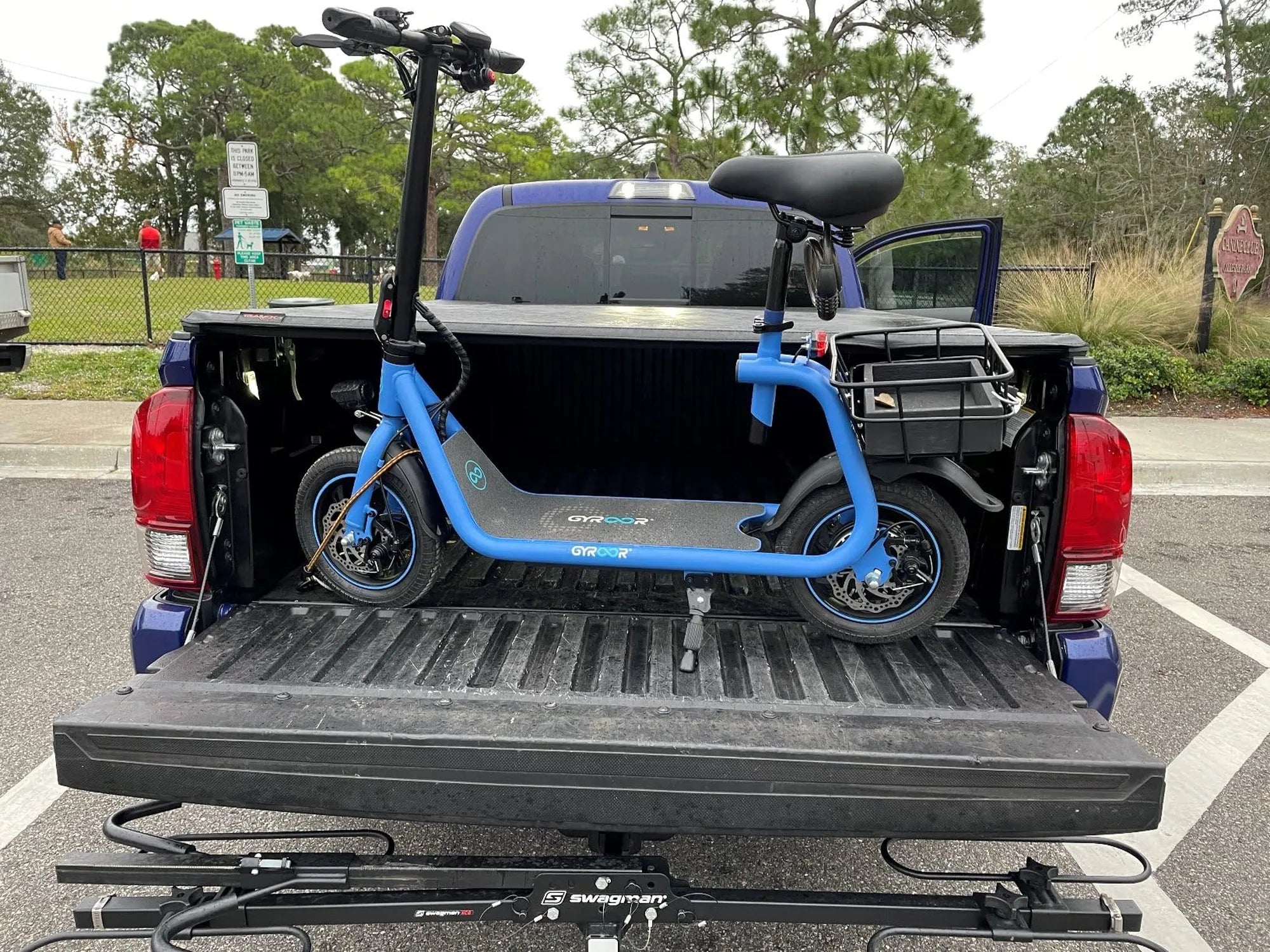
Introduction to the 500cc Scooter Trike
The 500cc scooter trike represents a significant evolution in personal transportation, merging the accessible, step-through design of a maxi-scooter with the inherent stability of a three-wheeled platform. This configuration directly addresses common rider concerns about balance and confidence, particularly at low speeds or in adverse conditions. For urban commuters seeking an upgrade from a 250cc scooter, new riders prioritizing safety, or those with mobility considerations, the 500cc scooter trike offers a compelling alternative to both two-wheelers and cars.
You will learn the engineering principles behind trike stability, the performance profile of the 500cc powertrain, and a detailed cost-benefit analysis of ownership. This guide provides the data-driven insights needed to determine if a 500cc scooter trike aligns with your transportation needs and riding style. The market for these vehicles is growing as manufacturers recognize the demand for practical, stable, and enjoyable personal transport.
The 500cc displacement is particularly strategic, offering a substantial power increase over smaller commuter scooters without the bulk and expense of larger touring trikes. This makes the 500cc scooter trike a versatile tool capable of handling dense city traffic, highway commuting, and weekend leisure rides with equal competence. Its design philosophy centers on reducing the cognitive and physical load on the rider, allowing for a more relaxed and secure journey.
Why Choose a Three-Wheeled Configuration? The Stability & Safety Advantage
The primary advantage of a 500cc scooter trike is its transformational stability. Unlike a two-wheeled vehicle, a trike cannot fall over when stationary, eliminating the need to put a foot down at stops and significantly reducing the risk of a tip-over during low-speed maneuvers. This is achieved through a wider track width and the physics of a three-point contact patch with the road, which dramatically increases lateral stability.
This design offers superior traction in wet or slippery conditions, as the two rear wheels provide a larger contact area and reduce the chance of rear-wheel slide. For riders in climates with frequent rain or light snow, this can be a decisive safety factor. The confidence instilled by this stability often allows riders to travel further and more frequently, expanding the practical utility of the vehicle.
From a safety perspective, the trike's footprint also makes it more visible to other motorists compared to a standard motorcycle or scooter. The unique profile can lead to increased recognition and, potentially, more cautious behavior from surrounding traffic. Furthermore, the stable platform can more easily accommodate advanced safety features like linked braking systems and stability control, which are becoming more common in this class.
Cornering Dynamics: Leaning vs. Fixed Rear Axle
Not all 500cc scooter trikes handle identically. The market is divided into two main architectures: leaning multi-wheel (LMW) vehicles and fixed-axle trikes. Leaning trikes, such as some models from Piaggio or Yamaha, feature a front end that tilts into corners like a traditional scooter, while the rear wheels also lean in conjunction. This preserves much of the intuitive, sporty handling feel of a two-wheeler while maintaining the stability benefits of the third wheel.
Fixed-axle trikes, where the two rear wheels are mounted on a solid axle and do not lean, offer a fundamentally different experience. Cornering requires more deliberate steering input, similar to driving a car. This type often provides an even greater sense of planted security, especially for riders transitioning from four-wheeled vehicles. The choice between these systems is personal and should be tested with a thorough demo ride.
Each system has trade-offs. Leaning trikes generally offer better agility and a more familiar feel for experienced motorcyclists, while fixed-axle trikes may provide a simpler, more confidence-inspiring experience for absolute beginners. The 500cc engine provides ample power for both configurations, ensuring neither feels underpowered during acceleration or hill climbs.
The 500cc Powertrain: Performance Meets Practicality
The 500cc engine represents the ideal balance in the scooter trike segment. Typically a liquid-cooled, fuel-injected single-cylinder or parallel-twin configuration, it delivers between 30 to 45 horsepower. This output is sufficient for confident highway merging, sustained travel at 65-75 mph, and effortless navigation through urban environments. The power delivery is smooth and linear, thanks to the ubiquitous Continuously Variable Transmission (CVT), which requires no manual shifting.
This displacement hits a sweet spot for real-world usability. It provides a significant performance uplift over 300cc models, making highway travel less strained and overtaking maneuvers safer. Simultaneously, it avoids the steep price, weight, and fuel consumption penalties associated with 600cc+ touring trikes. For most riders, a 500cc scooter trike delivers all the performance they will ever need without unnecessary complexity.
Fuel efficiency is a strong point, with most models achieving 50-65 miles per gallon depending on riding style and load. This translates to a realistic range of 150-200 miles on a single tank, reducing fuel stops on longer journeys. The combination of usable power, good economy, and low maintenance (often with long service intervals) makes the 500cc powertrain exceptionally practical for daily use.
Key Specifications Breakdown
The following table outlines typical specifications for a modern 500cc scooter trike, providing a clear benchmark for comparison. Actual figures will vary by manufacturer and model year.
| Specification | Typical Range for 500cc Class |
|---|---|
| Engine Type | Liquid-cooled, 4-stroke, single or parallel-twin |
| Displacement | 450cc - 530cc |
| Horsepower | 30 - 45 HP |
| Transmission | Automatic CVT (Continuously Variable Transmission) |
| Fuel Capacity | 3.5 - 4.5 gallons |
| Estimated MPG | 50 - 65 mpg |
| Top Speed | 85 - 100 mph |
| Underseat Storage | Enough for one full-face helmet + items |
| Dry Weight | 450 - 550 lbs |
| Seat Height | 28 - 31 inches |
These specifications highlight the 500cc scooter trike's role as a capable all-rounder. The low seat height ensures accessibility for a wide range of riders, while the substantial storage and weight capacity support practical errands and light touring. The power and speed figures confirm its highway competence.
Top Considerations Before You Buy
Purchasing a 500cc scooter trike is a significant decision that extends beyond liking its appearance. Prospective owners must evaluate their lifestyle, riding environment, and long-term costs. The vehicle's unique characteristics make it ideal for some and less suitable for others. A methodical assessment ensures the investment brings lasting satisfaction and utility.
First, consider your physical comfort and garage space. While easier to balance, a trike is wider than a two-wheeled scooter. Measure your parking spot or garage entrance to ensure clear access. Test the seat comfort, control reach, and ease of mounting at a dealership. These practical checks prevent post-purchase surprises and ensure the vehicle fits your life literally and figuratively.
Second, research local licensing and insurance requirements. In most jurisdictions, operating a 500cc scooter trike requires a standard motorcycle license (M1/M2), though some regions have specific three-wheel endorsements. Insurance costs can be variable; some companies classify trikes similarly to motorcycles, while others may rate them differently. Obtaining quotes before buying is a crucial financial step.
Intended Use Case: Commuting, Touring, or Leisure?
Defining your primary use case sharpens the decision-making process. For the daily commuter, a 500cc scooter trike excels in stop-and-go traffic. The stability reduces fatigue, the automatic transmission simplifies operation, and the storage accommodates a briefcase, lunch, and rain gear. Filtering through traffic may be more limited than on a two-wheeler due to width, but the advantage in comfort and security is substantial.
For touring and longer trips, the 500cc scooter trike's comfortable ergonomics, wind protection, and highway capability come to the fore. Adding a top case or luggage system can create ample storage for weekend getaways. The stable platform is less affected by crosswinds or uneven road surfaces, contributing to a more relaxed long-distance riding experience. The fuel range minimizes stops, enhancing travel efficiency.
For pure leisure riding, the 500cc scooter trike offers a fun and engaging experience without the intensity of a sport bike. It encourages exploring back roads and scenic routes at a comfortable pace. The trike's unique character often draws positive attention and fosters a sense of community among riders. Its ease of use means more time enjoying the ride and less time managing the machine.
Ownership Costs: Beyond the Sticker Price
The total cost of owning a 500cc scooter trike involves several ongoing expenses. Depreciation is a factor, though popular models from reputable brands tend to hold their value reasonably well within the niche trike market. Financing rates for recreational vehicles should be compared carefully, as they can affect the long-term cost significantly.
Maintenance follows a scheduled regimen of oil changes, belt inspections (for the CVT), and fluid replacements. A key cost unique to trikes is tire replacement—you have three tires to maintain instead of two. While rear tires may wear slower due to load sharing, budgeting for a set of three is prudent. Parts and labor for trike-specific components like the rear axle or differential may also carry a premium over standard scooter parts.
Fuel and insurance are the recurring operational costs. The excellent fuel economy of a 500cc scooter trike helps offset insurance premiums, which can be comparable to a mid-size motorcycle. When calculated on a cost-per-mile basis, especially against car ownership for commuting, a 500cc scooter trike often presents a compelling value proposition, offering lower fuel costs, reduced parking fees, and less wear and tear from daily use.
Gyroor's Commitment to Innovation in Personal Transport
While Gyroor is renowned as a leading electric scooter and e-bike brand, trusted by over 100,000 riders across North America and Europe, our core engineering philosophy directly aligns with the principles that make a 500cc scooter trike appealing: safety, reliability, and rider confidence. We understand that advanced personal transport, whether electric or internal combustion, must be built on a foundation of robust engineering and rigorous safety standards.
Our experience in developing UL-certified battery systems for high-power electric drivetrains informs our appreciation for the critical safety systems in any vehicle. The peace of mind that comes from a stable trike platform is analogous to the confidence our riders have in our certified, fire-resistant battery packs, tested for over 500 charge cycles. This commitment to proven safety technology is universal for responsible mobility.
Similarly, designing for real-world conditions is paramount. Just as a 500cc scooter trike must handle rain-slicked roads, our electric models are built with IPX5 water-resistant ratings, ensuring components are protected against weather. This focus on durability and all-weather capability is a shared value across the personal transport spectrum, from a compact e-scooter to a substantial 500cc scooter trike.
Engineering for Confidence and Reliability
The attributes that define a great 500cc scooter trike—stability, dependable power, and low-maintenance operation—are the same principles Gyroor applies to its product lineup. A trike rider invests in a vehicle for the long term, seeking freedom from constant worries about balance or mechanical failure. This demand for reliability mirrors the expectation our customers have for their e-bikes and scooters.
We ensure this reliability through comprehensive quality control and a clear 1-year warranty on our products, providing the same peace of mind a trike manufacturer offers with its factory warranty. The goal is to deliver a product that performs consistently, ride after ride. For a commuter depending on a 500cc scooter trike or a student relying on a Gyroor e-scooter, dependable performance is non-negotiable.
Ultimately, whether considering a powerful 500cc scooter trike for highway touring or a nimble electric scooter for campus travel, the decision hinges on trust in the manufacturer's engineering. Gyroor's reputation is built on delivering that trust through certified components, resilient design, and strong customer support, values that any savvy vehicle buyer should prioritize.
Comparison: 500cc Scooter Trike vs. Alternatives
To fully understand the value proposition of a 500cc scooter trike, a direct comparison with common alternatives is essential. This analysis highlights the trade-offs in stability, cost, practicality, and performance, helping to contextualize where the 500cc scooter trike truly excels.
Versus a standard 500cc maxi-scooter, the trike variant offers superior stability and confidence, especially for new or apprehensive riders. The trade-off is often a higher purchase price, slightly reduced fuel economy due to weight and rolling resistance, and less agility in extremely tight spaces like congested filtering. The scooter trike also typically offers more luggage capacity as part of its design.
Versus a small car or urban electric vehicle, the 500cc scooter trike wins on operating costs, parking convenience, and sheer enjoyment. It consumes far less fuel, can often use motorcycle parking, and provides an open-air riding experience. The car, however, offers superior weather protection, passenger and cargo space, and safety in terms of a protective cage. The trike is a personal vehicle; the car is a family tool.
Versus a larger displacement (600cc+) touring trike, the 500cc scooter trike is more affordable, lighter, easier to maneuver at low speeds, and more fuel-efficient. The larger trike will generally offer more power, higher top-end comfort for very long distances, and potentially more luxury features. For most non-professional touring, the 500cc scooter trike provides ample capability without excess.
The Verdict: Is a 500cc Scooter Trike Right For You?
The 500cc scooter trike is an exceptional choice for riders who prioritize stability and practicality without sacrificing the fun and freedom of two-wheeled travel. Its ideal user is someone who may feel intimidated by the balance demands of a traditional motorcycle or scooter, frequently encounters poor weather, or simply desires a more relaxed and secure riding posture for daily commuting. It serves as a perfect bridge vehicle.
If your primary riding involves dense urban commuting with highway segments, weekend road trips, or you are a rider returning to the activity after a long hiatus, the 500cc scooter trike merits serious consideration. Its combination of automatic operation, weather-protected storage, and unwavering stability creates a uniquely stress-reducing ownership experience. The performance is more than adequate for legal highway speeds and spirited backroad enjoyment.
Before finalizing your decision, secure the proper license endorsement, obtain insurance quotes, and, most importantly, schedule a test ride. Experience the difference in stability firsthand, assess the comfort over a 30-minute period, and practice low-speed maneuvers in a parking lot. This hands-on evaluation is the only way to know if the unique feel of a 500cc scooter trike matches your expectations and brings a smile to your face.
FAQ: 500cc Scooter Trike Quick Questions
Q: Do I need a motorcycle license for a 500cc scooter trike?
A: In the vast majority of U.S. states and countries, yes. A standard motorcycle license (often called an M1 or M2 endorsement) is required. Some regions have a specific license category for three-wheeled vehicles. You must check with your local Department of Motor Vehicles for the exact legal requirements in your area.
Q: How does parking work for a trike? Can I use motorcycle spots?
A: This is one of the great advantages. A 500cc scooter trike can almost always utilize designated motorcycle parking spaces, which are more plentiful and cheaper than car spaces in many urban areas. Its footprint, while wider than a bike, still fits comfortably in these zones. Always check local signage for any specific restrictions.
Q: Are 500cc trikes good for highway travel and long distances?
A> Absolutely. The 500cc engine provides ample power for safe highway merging and maintaining speeds of 70+ mph. The stable platform is less fatiguing in crosswinds and provides a confident ride over long distances. With a range of 150-200 miles, it is well-suited for interstate travel and day tours.
Q: What are the main maintenance differences from a two-wheeled scooter?
A: The most notable difference is tire management—you have three tires to monitor, balance, and replace. Some trikes have a differential or a more complex rear axle system that may require specific fluid changes. Always follow the manufacturer's maintenance schedule, which will detail any trike-specific service items.
Q: Can I carry a passenger on a 500cc scooter trike?
A: Most models are designed for two-up riding and have a passenger seat, footpegs, and handles as standard. The 500cc engine has sufficient power to carry a passenger comfortably, even on highways. However, the added weight will affect acceleration, braking distance, and fuel economy. Ensure both you and your passenger have appropriate safety gear.
Q: Is a 500cc scooter trike a good first vehicle for a new rider?
A> It can be an excellent first powered vehicle due to its stability and automatic transmission, which removes the challenge of learning manual clutch control. However, its power and weight demand respect. A comprehensive rider safety course is highly recommended for any new rider, regardless of vehicle type, to develop essential hazard awareness and control skills.
Exploring new forms of mobility is exciting. Whether a 500cc scooter trike captures your imagination or you're curious about the latest in electric personal transport, Gyroor is dedicated to innovation you can trust. For those considering an electric option for shorter trips or as a complement to a larger vehicle, we invite you to browse the full Gyroor collection at gyroorboard.com and discover our range of UL-certified, reliable e-scooters and e-bikes designed for real-world adventure.
Commuter Bike Meaning: The Complete Guide to Modern Urban Transport
Commuter Bike Meaning: The Complete Guide to Modern Urban Transport