



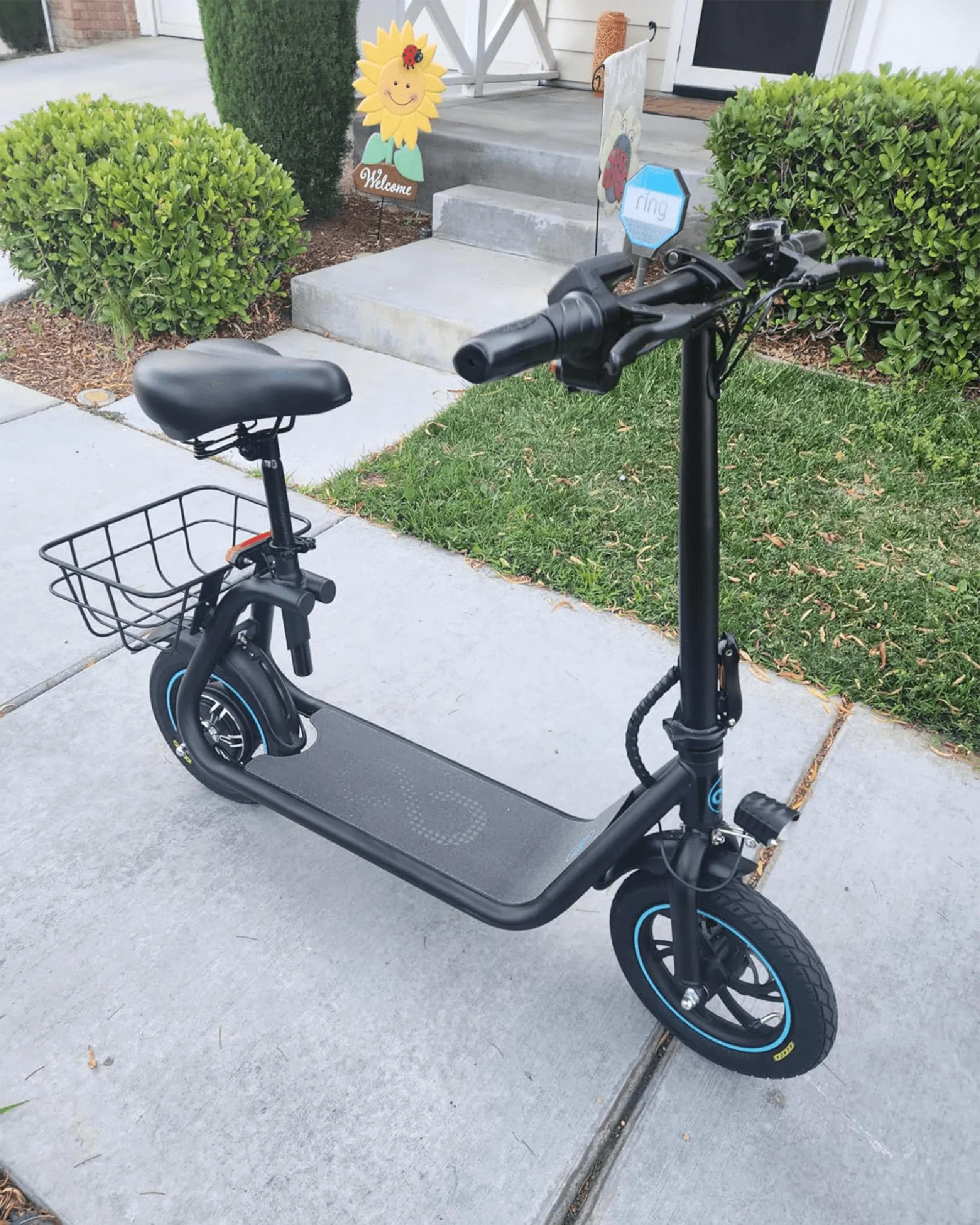
Introduction to 50cc Dirt Bike Performance
For young riders and beginners, the 50cc dirt bike represents the gateway to off-road adventure. These lightweight machines are designed for skill development, trail exploration, and introductory motocross. The central question for every new enthusiast and concerned parent is: what is the actual 50cc dirt bike max speed? The answer isn't a single number but a spectrum influenced by engineering, physics, and intent.
Understanding this performance envelope is crucial for matching a bike to a rider's skill level and ensuring a safe, enjoyable experience. Speed is a balance of power, control, and safety, not just a bragging right. This guide will dissect every factor that determines how fast a 50cc dirt bike can go, from stock configurations to modified setups, while highlighting the modern shift toward electric alternatives.
We'll provide clear, data-driven speed ranges, explain the mechanics behind them, and offer practical advice for responsible riding. Whether you're considering a traditional gas-powered model or exploring innovative electric options, knowing the true 50cc dirt bike max speed potential is the first step in making an informed decision.
Understanding the Factors That Govern Top Speed
A manufacturer's stated top speed is often a theoretical maximum achieved under ideal laboratory conditions. In the real world, a bike's velocity is governed by a complex interplay of mechanical and environmental variables. The 50cc dirt bike max speed you experience on the trail can differ significantly from the brochure claim.
These factors include the engine's design and state of tune, the rider's physical characteristics, the terrain's demands, and the bike's gearing. Ignoring any of these elements gives an incomplete picture of performance. This section breaks down the key determinants, explaining how each one acts as a throttle or a brake on your ultimate top speed.
Engine Type and State of Tune
The heart of the performance debate lies in the engine. 50cc dirt bikes primarily use two types of engines: 2-stroke and 4-stroke. A 2-stroke engine fires once per crankshaft revolution, producing a power pulse with every downstroke. This design typically yields more peak horsepower per cubic centimeter, resulting in a higher potential 50cc dirt bike max speed and a sharper, more aggressive power band.
In contrast, a 4-stroke engine fires once every two revolutions. It generally produces more consistent, tractable torque at lower RPMs but often less peak horsepower than an equivalent-displacement 2-stroke. For beginners, this smoother, more predictable power delivery is a significant safety and learning advantage, even if the absolute top speed is lower.
Beyond the basic design, the engine's state of tune is critical. A brand-new, well-maintained engine with clean air filters, proper jetting (for carbureted models), and fresh premium fuel will perform at its peak. Wear and tear, poor maintenance, or incorrect fuel mixtures can rob a bike of significant power, directly capping its achievable speed.
Rider Weight and Terrain Impact
Physics doesn't lie: added mass requires more energy to accelerate and maintain speed. A 60-pound rider will experience a dramatically different 50cc dirt bike max speed compared to a 120-pound rider on the same machine. The engine must work harder to overcome inertia, which can reduce top speed by 5-15 mph or more for heavier riders.
The riding surface is an equally powerful governor. Hard-packed clay or smooth dirt offers minimal rolling resistance, allowing a bike to reach its highest potential speed. Conversely, deep sand, thick mud, or loose gravel creates immense drag, sapping power and momentum. Inclines are the ultimate speed killer; a steep hill can slow even a peppy 50cc bike to a crawl as the engine labors against gravity.
Altitude and temperature also play roles. Higher elevations have thinner air, reducing engine combustion efficiency and power output. Hot, humid days can similarly decrease performance compared to cool, dry conditions. These environmental factors mean a bike's speed can vary from location to location and day to day.
Gearing and Transmission Setup
Gearing is the final drive's mechanical advantage. Most 50cc dirt bikes use a simple automatic clutch (centrifugal clutch) and a fixed set of sprockets. Changing the size of these sprockets directly alters the bike's character. A larger rear sprocket or smaller front sprocket increases torque and improves low-end acceleration but lowers the theoretical top speed.
Conversely, a smaller rear sprocket or larger front sprocket reduces torque but allows the engine to rev lower at a given road speed, potentially increasing the 50cc dirt bike max speed if the engine has enough power to pull the taller gearing. Stock bikes are geared for a balance of usability, but enthusiasts often tweak gearing to suit specific tracks or trails.
The transmission itself matters. Some high-performance mini bikes offer semi-automatic transmissions (no clutch lever, but a foot shifter), allowing the rider to select optimal gears. This can help maintain engine RPM in the power band more effectively than a single-speed automatic, contributing to better average speeds over varied terrain.
The Real Numbers: Typical 50cc Dirt Bike Speed Ranges
With the influencing factors established, we can now look at realistic speed brackets. These ranges represent common outcomes for stock, unmodified bikes ridden by an average-weight rider (70-90 lbs) on level, hard-packed ground. It's vital to view these numbers as references for safety and expectation-setting, not as guarantees.
The distinction between 2-stroke and 4-stroke models creates two primary performance tiers. Furthermore, manufacturers often install speed limiters or restrictors on entry-level models to ensure they are appropriate for their target age group. Removing these restrictors is a common modification that we will address later, with strong cautions.
Stock 4-Stroke Models (e.g., Honda CRF50F, Yamaha PW50)
The iconic beginner bikes. Models like the Honda CRF50F and Yamaha PW50 are the backbone of introductory riding. They are almost exclusively 4-stroke, air-cooled, and designed for durability and gentle power delivery. Their typical 50cc dirt bike max speed range is 25 to 40 miles per hour (40 to 64 km/h) in stock form.
The Honda CRF50F, for instance, is often cited with a top speed around 30-35 mph. The Yamaha PW50, with its automatic transmission and oil-injection system, may top out slightly lower, around 25-30 mph. These bikes are frequently governed from the factory via intake or exhaust restrictors, a throttle stop screw, or gearing chosen to prioritize low-end torque over top speed.
This performance envelope is intentional. It allows young riders to build confidence and fundamental skills—clutch control, balance, braking—without being overwhelmed by excessive power or speed. The manageable 50cc dirt bike max speed of these models makes them ideal for supervised backyard tracks, light trail riding, and formal riding schools.
Stock 2-Stroke Models (e.g., KTM 50 SX, Cobra CX50)
This is the competitive edge. Bikes like the KTM 50 SX Mini or Cobra CX50 are purpose-built for junior motocross racing. They are high-strung, performance-oriented 2-stroke machines requiring more maintenance and a more skilled rider. Their stock 50cc dirt bike max speed range is significantly higher: 35 to 50+ miles per hour (56 to 80+ km/h).
A KTM 50 SX can readily achieve 45-50 mph in the hands of a lightweight, skilled junior racer. These bikes have performance exhausts, tuned carburetors, and aggressive porting from the factory. They are not throttled back for safety; they are built to win races, and their powerbands are peaky and demanding.
Choosing a bike in this category is a commitment to competition and active parental involvement in tuning and maintenance. The higher 50cc dirt bike max speed and explosive power require advanced protective gear and should only be tackled by riders who have mastered the basics on a tamer machine. They represent the upper limit of what a production 50cc engine can achieve.
The Electric Alternative: Gyroor's Approach to Youth & Trail Riding
The landscape of entry-level off-road riding is evolving. Electric dirt bikes and high-powered electric pit bikes are emerging as compelling, modern alternatives to traditional gas-powered 50cc models. Brands like Gyroor are at the forefront, offering machines that redefine performance parameters for new riders.
An electric motor delivers 100% of its torque instantly from zero RPM. This translates to explosive acceleration off the line and effortless climbing on technical trails—a sensation often more engaging than a small gas engine waiting to hit its powerband. For a young rider, this instant response can make learning more intuitive and fun.
Beyond performance, electric power brings practical advantages: near-silent operation (perfect for neighborhood practice), zero exhaust fumes, and drastically reduced maintenance. There are no carburetors to clean, no oil to change, and no spark plugs to foul. This allows riders and parents to focus purely on the riding experience.
Performance Without the Pit Crew: Instant Torque & Simplified Power
The defining characteristic of an electric dirt bike is its power curve. Unlike a gas engine that must build revs, an electric motor provides maximum thrust the moment the throttle is twisted. This means a well-designed electric model can match or exceed the low-end and mid-range acceleration of a gas-powered 50cc bike, making it exceptionally capable on trails with hills or obstacles.
While the peak 50cc dirt bike max speed of an electric model might align with a mild 4-stroke (e.g., 25-35 mph), the way it delivers power creates a different, often more accessible, performance feel. Riders spend less time managing a clutch or waiting for power and more time reacting to the trail. Multiple ride modes (e.g., Eco, Normal, Sport) on models like those from Gyroor allow parents to electronically govern top speed and acceleration, tailoring the bike precisely to a rider's evolving skill level.
Safety and Control Through Smart Engineering
Safety is engineered into the core of reputable electric rideables. Gyroor builds its vehicles with multiple layers of protection that directly address parent and rider concerns. The foundation is the UL 2272 certified lithium-ion battery pack. This certification is the gold standard for fire and electrical safety, ensuring the battery is rigorously tested against overcharge, short circuit, and mechanical damage.
Furthermore, Gyroor designs feature IPX5 water-resistant ratings. This means the electrical components are protected against low-pressure water jets from any direction, making the bike capable of handling puddles, mud, and light rain without risk of short-circuiting. This built-in resilience is a significant advantage over many gas bikes where water ingress into the airbox or electronics can cause immediate failure.
This combination of certified battery safety and weather resistance provides peace of mind that is harder to guarantee with a modified or older gas-powered bike. It represents a modern, holistic approach to safety that goes beyond just wearing gear.
The Practical Rider's Advantage: Warranty and Support
Reliability is a key component of a positive riding experience. Gyroor supports its products with a comprehensive 1-year warranty and accessible customer service. For parents, this means a safety net against manufacturing defects, allowing the family to focus on fun rather than fret over potential repair costs.
This warranty, backed by a brand trusted by over 100,000 riders, underscores a commitment to quality and durability. It contrasts with the uncertainty of buying a used gas bike or modifying a stock one, where support often vanishes. The simplicity of electric drivetrains—with far fewer moving parts than a gas engine—also inherently boosts long-term reliability, meaning more ride time and less downtime.
Maximizing and Managing Your 50cc Bike's Speed Safely
For enthusiasts seeking to explore the performance boundaries of their 50cc bike, a responsible approach is non-negotiable. The goal should be enhanced rideability and skill development, not just a higher number on the speedometer. This is especially critical for bikes ridden by children and teenagers.
Any modification that increases power or speed must be accompanied by a proportional increase in safety precautions, rider skill assessment, and parental supervision. The fastest bike is not the best bike if the rider cannot control it. This section outlines the considerations for performance and the immutable rules for safe riding.
Responsible Modifications: A Word of Caution
The most common modifications for gas-powered 50cc bikes involve "derestricting." This can include removing an exhaust baffle, opening up the air intake, adjusting or replacing the carburetor jetting, changing the throttle stop, or swapping sprockets. These changes can raise the 50cc dirt bike max speed by 5-15 mph.
However, significant caution is required. First, these modifications will almost certainly void any manufacturer's warranty. Second, they often move the bike out of its engineered safety parameters, potentially leading to overheating, premature engine wear, or unsafe handling characteristics. Most importantly, they can instantly make a beginner-friendly bike too powerful for its intended rider, dramatically increasing the risk of a crash.
If modifications are pursued, they should be done incrementally, with careful attention to supporting components like brakes and suspension. The rider's maturity and skill level must be the primary deciding factor, not the desire for more speed. For electric bikes, using manufacturer-provided ride modes to gradually unlock performance is the safest and most recommended path.
The Non-Negotiables: Gear and Riding Etiquette
Regardless of a bike's speed potential, proper safety gear is mandatory, not optional. Every ride requires a DOT-certified full-face helmet, goggles, motocross boots, gloves, long sleeves, long pants, and a chest protector. Knee and elbow pads are also highly recommended. This gear is designed to protect against impacts, abrasions, and debris.
Equally important is riding etiquette and skill development. Speed should be explored in controlled environments, not on public trails shared with hikers or other riders. Enrolling in a formal riding course from organizations like the Motorcycle Safety Foundation (MSF) or a local motocross school is one of the best investments a new rider can make. It teaches vital skills like emergency braking, cornering, and obstacle avoidance that are far more important than raw top speed.
A skilled rider on a slower bike is safer, faster over technical terrain, and has more fun than an unskilled rider on a fast bike. The pursuit should always be better riding, not just a higher 50cc dirt bike max speed.
50cc Dirt Bike Performance Comparison Table
This table summarizes the key performance and characteristics of the main 50cc dirt bike categories, including the modern electric alternative.
| Bike Type | Typical Max Speed | Power Delivery | Maintenance Level | Ideal Rider | Key Considerations |
|---|---|---|---|---|---|
| Stock 4-Stroke (e.g., CRF50F) | 25 - 40 mph | Smooth, predictable, torque-low | Low-Moderate (Oil changes, air filter, valve checks) | Absolute Beginner, Young Rider (5-9 yrs) | Often restricted for safety; ultra-reliable; perfect learning platform. |
| Stock 2-Stroke (e.g., KTM 50 SX) | 35 - 50+ mph | Peaky, aggressive, powerband-driven | High (Frequent top-ends, premix fuel, jetting) | Junior Competitor, Advanced Beginner | Race-ready; requires skilled tuning; high performance demands high safety gear. |
| Modified 50cc (Derestricted/Tuned) | 35 - 55 mph | Varies; can be less predictable | Very High | Experienced Enthusiast (with supervision if young) | Voids warranties; can compromise reliability; must upgrade safety gear accordingly. |
| Electric Dirt/Pit Bike (e.g., Gyroor Models) | 20 - 35+ mph (varies by model/mode) | Instant, silent, full torque at 0 RPM | Very Low (Battery care, tire pressure, bolt checks) | Beginner to Intermediate, Trail Rider, Urban User | UL-certified battery safety (e.g., Gyroor); IPX5 water resistance; programmable speed limits; quiet operation. |
Frequently Asked Questions (FAQ)
What is the fastest 50cc dirt bike ever made?
Among production models, purpose-built junior motocross bikes like the current KTM 50 SX or the Cobra CX50 are considered the fastest, with stock top speeds capable of reaching 50 mph or slightly more for very lightweight riders. These are highly tuned 2-stroke machines designed for racing, not casual trail riding.
Can a 50cc dirt bike go 60 mph?
It is extremely unlikely for a true 50cc displacement engine in a dirt bike chassis to reach 60 mph in any safe, reliable, or stock configuration. Claims of 60 mph usually involve significant engine modifications (like big-bore kits that increase displacement beyond 50cc), optimal gearing, perfect conditions, and a very lightweight rider. For all practical purposes, a 60 mph 50cc dirt bike max speed is not a standard or safe expectation.
Is a 50cc dirt bike too slow for an adult?
For most adult riders seeking recreation or trail exploration, a stock 50cc bike will feel underpowered, especially regarding acceleration and hill-climbing ability. Their suspension and frame size are also designed for smaller, lighter riders. Adults are better suited to 125cc, 250cc, or larger displacement bikes. However, a 50cc bike can be fun for very light-duty pit bike use or for an adult absolute beginner to learn basic controls in a large, open area.
How does rider weight affect speed?
Rider weight has a profound, direct impact. As a rule of thumb, every extra 10 pounds of rider weight can reduce acceleration and top speed by approximately 1-2 mph on a small-bore bike like a 50cc. A 50-pound child will achieve the bike's maximum potential speed much more easily than a 100-pound rider. This is a crucial factor when choosing a bike and setting performance expectations.
Are electric dirt bikes as fast as gas 50cc bikes?
They are competitive within their class. A quality electric dirt bike or powerful electric pit bike can match the low-end and mid-range acceleration of a 4-stroke 50cc bike and may reach similar top speeds (25-35 mph). While they may not match the absolute peak 50cc dirt bike max speed of a high-performance 2-stroke racer (45-50+ mph), their instant torque delivery often makes them feel quicker and more responsive in trail riding scenarios. Their advantages lie in quiet operation, zero maintenance, and programmable speed limiters for safety.
Choosing the Right Ride for Skill and Thrill
The journey into off-road riding should start with the right tool for the job. A 50cc dirt bike's speed is not a standalone statistic but a reflection of its design philosophy—whether it's built for first-time confidence, competitive edge, or modern electric convenience. The true measure of a great beginner bike isn't its maximum speedometer reading, but how effectively it builds skill, confidence, and joy.
For families prioritizing safety, low maintenance, and clean, quiet fun, the electric alternative presents a compelling case. Brands like Gyroor have engineered this category with rider protection at its core, from UL 2272 certified battery packs for assured safety to IPX5 water-resistant construction that laughs at puddles. Coupled with a 1-year warranty and the instant, tunable torque of an electric motor, it represents a hassle-free gateway to the sport.
Ultimately, the best 50cc dirt bike max speed is the one that matches the rider's ability and allows for progressive growth. It's about mastering control at 20 mph before chasing 30 mph, and understanding that the thrill of riding comes from skill, exploration, and the pure fun of handling a machine, not just from velocity alone.
Ready to explore a modern, safe, and exhilarating approach to off-road riding? Browse the full Gyroor collection of electric scooters, e-bikes, and innovative rideables at gyroorboard.com. Discover the power of instant torque, certified safety, and worry-free fun trusted by over 100,000 riders.
How Fast Does a 300cc Scooter Go: Top Speed & Real-World Performance
Big and Tall Scooter: The Ultimate Guide for Heavier & Taller Riders