

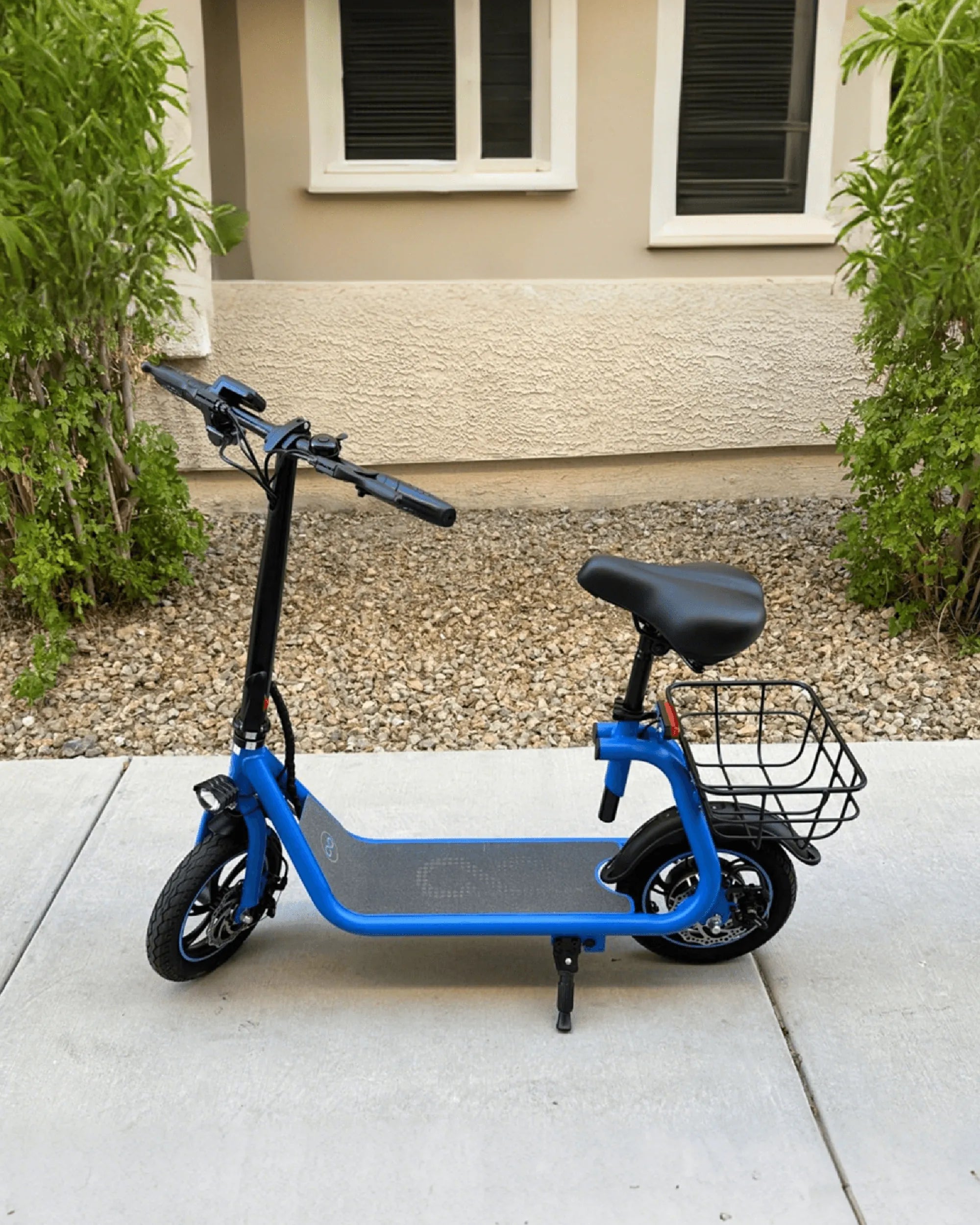
Introduction to 50cc Dirt Bikes: The Gateway to Off-Road Riding
A 50cc dirt bike is the quintessential starter machine for young riders and adults seeking a manageable entry into off-road motorcycling. These small-displacement bikes offer a forgiving powerband, lightweight handling, and a lower seat height, making them ideal for learning fundamentals. However, navigating the 50cc dirt bike price landscape requires understanding more than just the sticker number. This article provides a comprehensive, data-driven breakdown of costs, from initial purchase to long-term ownership, empowering you to make an informed financial decision. You will learn how brand, condition, and hidden expenses dramatically affect total investment, and how to secure the best value whether buying new or used.
Breaking Down the Cost: New vs. Used 50cc Dirt Bikes
The first major price determinant is whether the bike is fresh from the showroom or has prior owners. This choice fundamentally impacts your upfront cost, potential future expenses, and the bike's long-term reliability trajectory.
New Bike Price Ranges
Brand-new 50cc dirt bikes fall into distinct tiers. Entry-level models, often from lesser-known import brands, can start as low as $800 to $1,200. These bikes typically have basic components and require careful assembly. Mainstream offerings from established Japanese brands represent the mid-range, with prices between $1,500 and $2,500. For example, a new Honda CRF50F or Yamaha TT-R50E typically resides in this bracket. The premium tier includes high-performance mini bikes from brands like KTM or Cobra, designed for competitive racing, with prices soaring from $3,000 to over $5,000.
Used Bike Market Analysis
The pre-owned market offers significant savings but requires diligence. A used 50cc dirt bike price can range from $500 for a well-worn, older import to $2,000+ for a lightly used, late-model Japanese bike with documented maintenance. Age, physical condition, and mechanical history are the primary drivers. A 10-year-old bike in excellent shape often costs more than a 3-year-old bike that has been neglected. Modifications can also affect value; professional performance upgrades may increase price, while amateur alterations typically decrease it.
Key Factors That Determine a 50cc Dirt Bike's Price
Beyond the new/used dichotomy, several specific elements create the price variations you'll encounter in the market. Understanding these factors turns you from a passive browser into an informed buyer.
Brand Reputation & Reliability
Brand equity is paramount. Japanese manufacturers (Honda, Yamaha, Kawasaki, Suzuki) command a premium due to decades of proven reliability, extensive dealer networks, and strong resale value. Their bikes are engineered for durability, and replacement parts are universally available. Generic or obscure import brands offer a lower initial 50cc dirt bike price but often suffer from parts scarcity, questionable long-term reliability, and minimal resale value. The brand premium pays for peace of mind and lower total cost of ownership.
Bike Type & Features
Not all 50cc bikes are identical. Models with a semi-automatic transmission (no clutch lever, but foot-shifted) are often more expensive than simple automatic clutch models. Electric start is a premium feature that adds $200-$400 to the cost compared to kick-start-only models. Suspension quality is a major differentiator; bikes with adjustable forks and name-brand components cost more. Finally, the inclusion of name-brand parts like Mikuni carburetors or DID chains indicates a higher-quality build and a correspondingly higher price tag.
Condition & Maintenance History
For used bikes, condition is everything. A bike with a verifiable service history, clean air filter, fresh oil, and unworn sprockets/chain is worth a substantial premium. Key inspection points that affect the 50cc dirt bike price include: frame and swingarm for cracks or bends, fork seals for leaks, wheel bearings for play, and tire tread depth. Engine compression is critical; a bike that starts easily and runs smoothly without smoke is valued significantly higher than one with uncertain mechanical health.
The True Cost of Ownership: Beyond the Sticker Price
The purchase price is just the beginning. Responsible ownership requires budgeting for safety, maintenance, and operational costs. Ignoring these can double your initial financial outlay.
Essential Safety Gear
Riding gear is non-negotiable and represents a major additional cost. A proper DOT/SNELL certified helmet costs $100-$300. Goggles range from $30-$100. Riding gloves are $25-$75. Motocross boots, crucial for ankle protection, start around $150 and can exceed $400. A full set of protective gear (chest protector, knee pads, elbow pads) adds another $100-$250. For a new rider, a complete, quality safety kit typically requires an investment of $500-$1,000 on top of the bike's price.
Initial Setup & Ongoing Maintenance
New bikes may require final assembly and setup, costing $100-$200 if done professionally. The first service (oil change, bolt check) is crucial. Annual maintenance costs for a frequently ridden bike include: oil changes ($30-$50 in materials, 2-3x per season), air filter cleaning/replacement ($20-$40), and chain lubrication. Wear items are a recurring cost: a new chain and sprocket kit is $80-$150, tires are $100-$200 for a set, and brake pads are $20-$40 per axle. Budgeting $200-$500 annually for maintenance and wear parts is realistic for an active rider.
Registration, Insurance, and Riding Locations
Costs here vary by jurisdiction. Some states require off-road stickers or registration for public land use, costing $20-$50 yearly. Liability insurance is highly recommended and can cost $100-$300 annually. Furthermore, the cost of riding locations must be considered. Public land is often free, but dedicated motocross tracks charge entry fees ranging from $20-$50 per day, which can become a substantial annual expense for regular riders.
Smart Shopping Guide: How to Get the Best Value
Armed with knowledge of costs and factors, you can strategically navigate the purchase process to maximize value and minimize risk.
Where to Buy
Authorized dealerships offer new bikes with full warranties and professional setup, but at the highest price. They are the source for current-year models. Online marketplaces (Facebook Marketplace, Craigslist) are the primary venue for used bikes, offering vast selection and negotiation room, but require thorough vetting. Specialty powersports consignment shops offer a middle ground, often curating and inspecting used bikes, providing more security than a private sale for a slightly higher 50cc dirt bike price.
Inspection Checklist for Used Bikes
Never buy a used bike without a physical inspection. Check for straight frame and fork alignment. Look for oil leaks around the engine and fork seals. Pull the dipstick or check the oil sight glass; dirty oil suggests poor maintenance. Check the air filter; a dirty filter indicates neglect. Inspect the chain and sprockets for wear. Most importantly, request a cold start; the bike should start within a few kicks and idle smoothly. Always insist on a test ride to check gear engagement and braking.
Negotiation and Finalizing the Deal
Use inspection findings as leverage for negotiation. Point out needed repairs (worn tires, bad chain) to justify a lower offer. For private sales, cash offers often secure the best price. Always obtain a signed bill of sale detailing the bike's VIN, sale price, date, and both parties' information. For models that are street-legal, ensure the title is present and signed over correctly. This documentation protects both buyer and seller.
Price Comparison: New vs. Used 50cc Dirt Bikes
| Bike Type / Condition | Price Range | Key Considerations | Best For |
|---|---|---|---|
| New, Entry-Level Import | $800 - $1,400 | May require assembly; parts support can be limited; lower resale value. | Budget-conscious buyers who prioritize lowest upfront cost. |
| New, Japanese Brand (e.g., Honda CRF50F) | $1,500 - $2,500 | Full factory warranty; dealer support; excellent reliability and resale. | Buyers seeking peace of mind, reliability, and long-term value retention. |
| Used, Japanese Brand (Good Condition) | $1,000 - $1,800 | Significant savings over new; must verify condition and history; some life used. | Value-focused buyers comfortable with mechanical inspection. |
| Used, Project Bike / Needs Work | $300 - $800 | Very low initial cost but requires immediate investment in parts and labor. | Experienced riders or mechanics looking for a restoration project. |
Frequently Asked Questions (FAQ) on 50cc Dirt Bike Pricing
Q: What is a fair price for a used Honda CRF50F?
A fair price depends heavily on year and condition. A 5-7 year old model in good running order with minor cosmetic wear typically sells for $1,000 to $1,500. Late-model (1-3 years old) examples in excellent condition can command $1,800 to $2,200. Always compare asking prices to the original MSRP and factor in included gear or upgrades.
Q: Are budget import 50cc dirt bikes a worthwhile purchase?
They represent a trade-off. The very low initial 50cc dirt bike price is attractive, but long-term costs can be higher. Reliability is less proven, parts can be difficult to source, and resale value is poor. They can be suitable for very casual, low-intensity use where the rider accepts a higher risk of downtime. For frequent riding or learning fundamentals, a used Japanese bike often provides better long-term value.
Q: How much does it cost to make a 50cc bike faster?
Performance modifications add cost quickly. A simple aftermarket exhaust system costs $150-$300. A high-performance carburetor and intake kit runs $100-$200. Big-bore cylinder kits (e.g., 88cc) with supporting components can cost $300-$500 for parts alone, plus installation. Professional engine work significantly increases the total. It's often more cost-effective to buy a bike with more displacement if speed is the primary goal.
Q: Do 50cc dirt bikes hold their value?
Bikes from major Japanese brands have exceptional value retention, especially when kept in good condition. It's common for a 5-year-old Honda CRF50F to sell for 60-70% of its original MSRP. Generic imports depreciate rapidly, often losing over half their value as soon as they are assembled and ridden. Brand reputation is the single biggest factor in depreciation rates.
Q: What hidden costs should I anticipate in the first year?
Beyond gear and the bike itself, budget for the first service, a tool kit, a stand, fuel stabilizer, and transportation (a truck or trailer). You will likely need to replace consumables like grip glue, tube patches, and cleaning supplies. If riding at tracks, include membership and gate fees. Setting aside an additional 25-30% of the bike's purchase price for these first-year incidentals is a prudent financial strategy.
Conclusion: Investing in the Ride
Understanding the full spectrum of the 50cc dirt bike price—from purchase to protection to maintenance—is key to a rewarding off-road experience. The most financially sound path typically involves selecting a well-maintained used bike from a reputable manufacturer, even if its initial cost is higher than a new import. This approach balances upfront expenditure with long-term reliability, safety, and resale potential. Remember to factor the mandatory cost of quality safety gear into your total budget from the outset. Your investment should prioritize a trustworthy machine that builds confidence and skill, not just the lowest possible entry fee. For those exploring electric alternatives for urban commuting, the same principles of brand reliability and total cost of ownership apply. Discover a range of UL-certified, durable electric mobility options designed for real-world use. Browse the full Gyroor collection at gyroorboard.com to explore electric scooters and e-bikes built with the quality and safety standards that informed riders demand.
Ebike Electric Bicycle Waterproof Headlight: The Ultimate Guide to All-Weather Illumination
Scooter Wheel Lock: Your Essential Guide to Immobilization Security