


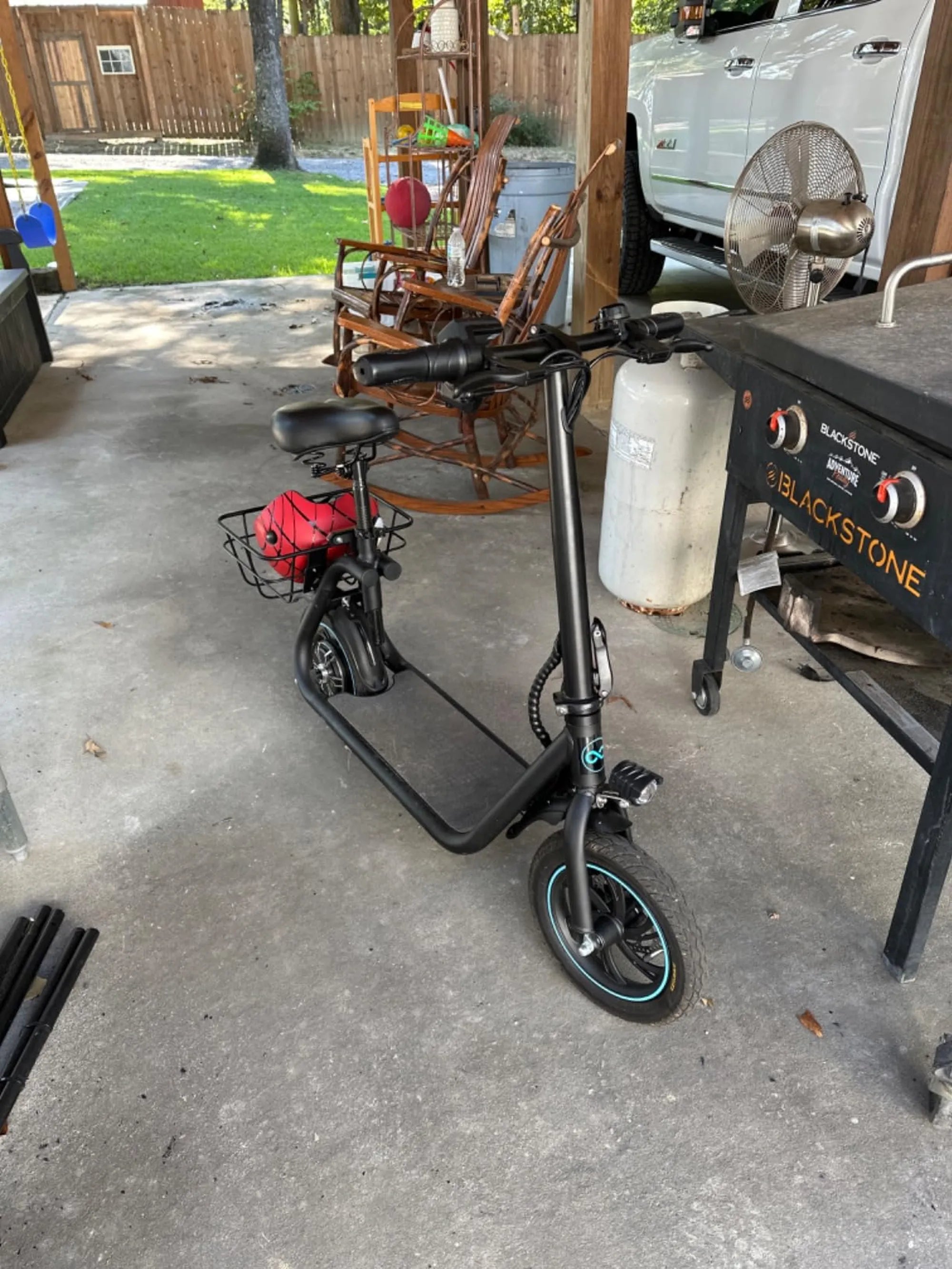
Introduction: Why 60V is the New Benchmark for Electric Scooter Performance
Choosing the right electric scooter hinges on one critical component: the battery. For riders seeking uncompromising power, extended range, and confident hill-climbing, a 60 volt scooter battery represents the definitive performance tier. This guide will dissect the technology, advantages, and practical considerations of 60V systems, providing the data-driven insights you need. We'll explore how this voltage elevates the riding experience beyond common 36V and 48V platforms and examine the engineering standards that ensure safety and reliability, as exemplified by industry leaders like Gyroor.
The evolution of personal electric mobility has rapidly accelerated, with battery voltage serving as a primary indicator of capability. While 48V systems dominate the mid-range market, the jump to 60V delivers a tangible, transformative increase in performance. This isn't merely an incremental upgrade; it's a shift into a category designed for longer commutes, variable terrain, and riders who refuse to compromise on acceleration or top speed.
Understanding the 60 volt scooter battery requires looking past marketing claims and into electrical principles and cell chemistry. We will break down how voltage, amperage, and wattage interact to produce the thrilling ride quality that defines high-end scooters. Furthermore, we'll address the essential safety architecture, including Battery Management Systems (BMS) and certifications, that must accompany such a potent energy source.
By the end of this analysis, you will be equipped to determine if a scooter powered by a 60 volt scooter battery aligns with your needs. You'll also understand why brands that invest in robust engineering, like Gyroor with its UL-certified battery packs and IPX5 water-resistant designs, are the prudent choice for harnessing this level of power safely and durably.
Understanding 60V Battery Technology: More Than Just Voltage
At its core, voltage is the electrical pressure that pushes current through a circuit. A 60 volt scooter battery operates at a nominally higher pressure than a 48V or 36V system. This higher voltage is achieved by connecting more lithium-ion cells in series. A typical 60V nominal pack uses a 16-series (16S) configuration, where 16 cells are linked end-to-end, each contributing approximately 3.7 volts for a total of 59.2V, commonly rounded to 60V.
The critical relationship is defined by the power formula: Power (Watts) = Voltage (Volts) x Current (Amps). A motor designed for 60V can produce more watts for a given amperage than a motor on a lower voltage system. This means the scooter can achieve higher performance—more torque and speed—without necessarily forcing the battery cells to discharge at a higher, more stressful current. It's a more efficient pathway to high power.
It's crucial to distinguish voltage from capacity. Voltage determines the system's power potential, while capacity, measured in Ampere-hours (Ah), indicates the energy storage volume. A 60 volt scooter battery might be paired with a 15Ah, 20Ah, or larger capacity. The total energy is measured in Watt-hours (Wh): Voltage (V) x Capacity (Ah) = Energy (Wh). A 60V 20Ah pack holds 1200Wh, significantly more than a 48V 20Ah pack (960Wh).
This fundamental understanding explains why 60V platforms are synonymous with high-performance. They provide the electrical foundation for motors rated at 1000W, 1500W, and beyond, enabling capabilities that lower-voltage systems struggle to match consistently, especially under the strain of hills, headwinds, or heavier riders.
The Chemistry Behind the Power: Lithium-Ion Deep Dive
The performance of any 60 volt scooter battery is ultimately dictated by the quality and type of its lithium-ion cells. Common formats include cylindrical cells (like 18650 or 21700) and pouch cells. High-drain, high-capacity cells from reputable manufacturers are essential for safely delivering the high power outputs demanded by 60V scooters.
Cell chemistry is paramount. Many high-performance packs use variations like NMC (Nickel Manganese Cobalt) or NCA (Nickel Cobalt Aluminum), which offer an excellent balance of energy density, power output, and cycle life. The specific chemistry influences the pack's maximum continuous discharge rating (in Amps), which directly translates to the scooter's available torque and acceleration.
The unsung hero of any modern pack is the Battery Management System (BMS). This electronic board is the brain of the 60 volt scooter battery. A quality BMS performs critical functions: monitoring individual cell voltages to prevent overcharge and over-discharge, balancing cells to maintain pack health, managing temperature, and controlling maximum current output. A faulty BMS is a leading cause of battery failure and safety hazards.
This is where certification matters. Gyroor's commitment to safety is demonstrated by its use of UL-certified battery packs. This certification involves rigorous testing of the cells, BMS, and overall pack construction for electrical, mechanical, and thermal safety. It's a verifiable benchmark that goes beyond generic claims, ensuring the high-power 60 volt scooter battery is built to last for over 500 charge cycles while mitigating risk.
Key Advantages of a 60V Electric Scooter System
Upgrading to a scooter with a 60 volt scooter battery delivers a suite of tangible benefits that transform the riding experience from functional to exhilarating. These advantages address the most common pain points for commuters and enthusiasts alike.
The most immediate difference is in sheer power delivery. Riders experience a level of responsiveness and capability that makes navigating complex urban environments or enjoying recreational rides significantly more engaging and efficient. The system's efficiency under load also contributes to more predictable range, even when utilizing the scooter's full performance envelope.
For the practical commuter, these advantages translate to shorter trip times, less anxiety about route selection (including hills), and reduced need for mid-day charging. The investment in a 60V system is an investment in daily reliability and performance headroom that lower-tier batteries cannot provide.
Unmatched Torque and Acceleration
Torque is the rotational force that gets the scooter moving from a standstill. Thanks to the higher voltage, a 60V system can deliver immense torque almost instantly. This translates to blistering acceleration that allows you to safely merge with traffic from a stoplight, quickly reach cruising speed on bike paths, and feel a thrilling surge of power on command.
This torque advantage is not just about speed; it's about control and safety. The ability to accelerate decisively can be crucial for maneuvering out of potential hazards. The power is delivered smoothly and authoritatively, without the strained, slow ramp-up characteristic of underpowered scooters struggling at their voltage limit.
Superior Hill-Climbing Capability
Hill-climbing is the ultimate test of an electric scooter's powertrain. A 48V scooter may slow to a crawl on a steep incline, straining its motor and battery. A scooter with a robust 60 volt scooter battery and a matched motor, however, maintains much more of its speed and momentum.
This capability is quantified by gradeability. A high-performance 60V scooter can typically handle grades of 15-25% or more, depending on the motor wattage and rider weight. This means conquering steep urban hills, bridge approaches, and parking ramps without a significant drop in performance, making your route planning far more flexible and your commute consistently faster.
Extended Range and Efficient Operation
While voltage doesn't equal capacity, 60V systems are almost universally paired with high-capacity battery packs (e.g., 60V 20Ah = 1200Wh). This large energy reservoir is the first factor in achieving extended range, often 30-50 miles or more under real-world conditions.
Secondly, operating at a higher voltage can be more electrically efficient. For a given power output (watts), a 60V system draws fewer amps than a 48V system (since Watts = Volts x Amps). Lower current reduces resistive losses as heat in the wiring, connectors, and battery cells themselves. This efficiency gain means more of the stored energy is used for propulsion, particularly beneficial during high-power activities like acceleration and hill climbing, thereby supporting a more consistent and reliable range.
Critical Considerations Before Choosing a 60V Scooter
The performance benefits of a 60 volt scooter battery come with specific trade-offs and requirements. A responsible purchase involves weighing these factors against your individual needs and lifestyle.
Prospective owners must consider the physical and practical implications of a high-performance machine. It's not just about the ride; it's about the entire ownership experience, from storage and transportation to maintenance and safety protocols. Ignoring these considerations can lead to frustration, even if the on-paper performance specs are appealing.
Understanding these factors ensures you select a scooter that enhances your life without becoming a burden. It also highlights why choosing a reputable brand with a strong support infrastructure is not a luxury but a necessity for this product category.
Weight and Portability Trade-offs
The high-capacity battery and robust frame required for a 60V scooter result in increased weight. These scooters often weigh 50-70 pounds or more. This significantly impacts portability.
If your commute involves carrying the scooter up stairs, onto public transit, or storing it in a confined space, the weight is a major factor. While many models feature folding mechanisms, lifting and maneuvering a 60-pound object regularly is physically demanding. Assess your need for true portability versus a scooter that is primarily ridden from point A to B with minimal carrying.
Safety, Certification, and Proper Charging
With great power comes great responsibility. A 60 volt scooter battery stores a substantial amount of energy. Safety is paramount and should be the foremost consideration.
- Certification: Always prioritize scooters with certified battery packs, such as UL or CE. Gyroor's use of UL-certified packs is a critical differentiator, ensuring the cells, BMS, and construction meet rigorous safety standards.
- Build Quality: Look for features like IP water resistance ratings. Gyroor's IPX5 rating means the scooter can withstand water jets from any direction, protecting the electrical system from rain and road spray.
- Charging Practice: Use only the manufacturer-provided charger. Charge on a non-flammable surface in a well-ventilated area, and avoid leaving the scooter plugged in indefinitely after reaching 100%. Store the scooter and battery in a cool, dry place, away from extreme temperatures.
Investment and Value: Upfront Cost vs. Long-Term Performance
Scooters equipped with a high-quality 60 volt scooter battery command a higher upfront cost than entry-level or mid-range models. This price reflects the superior components: the large battery pack, the high-wattage motor, the reinforced frame, and the advanced electronic controllers.
Frame this cost as an investment. For a serious daily commuter or performance enthusiast, the value is realized through long-term reliability, sustained performance, and overall satisfaction. Brands that stand behind their engineering, like Gyroor with its comprehensive 1-year warranty and US-based customer support, provide peace of mind that protects your investment. The cost-per-mile over the scooter's lifespan, coupled with the intangible benefit of a superior riding experience, often justifies the initial outlay for the right user.
Gyroor's 60V Engineering: Built for Reliability and Real-World Use
Gyroor integrates the 60 volt scooter battery technology into a holistic engineering philosophy focused on durability, safety, and rider confidence. Trusted by over 100,000 riders, the brand's approach demonstrates how to properly harness high voltage for everyday use.
Every Gyroor scooter designed around a 60V system begins with the UL-certified battery pack. This certification is not just a sticker; it's the result of exhaustive testing on the cell selection, welding, BMS logic, and enclosure integrity. This foundation ensures the power source is as safe as it is potent, addressing the primary concern with high-energy-density batteries.
The commitment extends to environmental protection. The IPX5 water-resistance rating is engineered into the scooter's design. This means sealed connectors, protected battery compartments, and weather-resistant construction that allows riders to commute confidently in light rain or on wet roads, a practical necessity for real-world transportation.
This engineering is backed by a robust 1-year warranty and accessible customer support. For a rider investing in a high-performance machine, this safety net is invaluable. It reflects Gyroor's confidence in its product's longevity and its commitment to the rider's experience, ensuring that the performance of the 60 volt scooter battery is matched by dependable support throughout the ownership journey.
60V vs. 48V vs. 36V: A Detailed Performance Comparison
To contextualize the 60 volt scooter battery, a direct comparison with common alternatives is essential. The table below outlines key performance and specification differences across voltage tiers.
| Feature | 36V System | 48V System | 60V System |
|---|---|---|---|
| Typical Motor Power | 250W - 500W | 500W - 1000W | 1000W - 2000W+ |
| Primary Use Case | Short, flat commutes; light recreational use. | Moderate commutes (10-15 mi); some hills. | Long commutes (20-40+ mi); steep hills; performance riding. |
| Acceleration & Torque | Adequate for flat starts; can feel sluggish. | Good acceleration; handles mild inclines well. | Excellent, instantaneous acceleration; high torque for steep hills. |
| Hill-Climbing Ability | Struggles on grades >10%. | Manages grades of 10-15% with speed reduction. | Confidently handles grades of 15-25%+. |
| Typical Range* | 10-20 miles | 15-30 miles | 25-50+ miles |
| Scooter Weight | Lightweight (25-40 lbs) | Moderate (40-55 lbs) | Heavy (50-75 lbs+) |
| Relative Cost | Budget-Friendly | Mid-Range | Premium Investment |
*Range varies drastically based on battery capacity (Ah), rider weight, terrain, and speed.
The 60 volt scooter battery clearly occupies the premium tier. It is not merely a linear improvement but a step into a different class of vehicle. The 48V system is a competent all-rounder, but the 60V system is for the rider who encounters performance limitations with 48V and requires the extra headroom for demanding conditions.
Frequently Asked Questions (FAQ)
1. How long does a 60V scooter battery last on a single charge?
Range depends on the battery's capacity (Ah), rider weight, terrain, speed, and weather. A 60V 20Ah (1200Wh) battery can typically provide 25 to 45 miles of real-world range. Conservative riding on flat ground extends range, while aggressive acceleration and hill climbing reduce it. Always check the Watt-hour (Wh) rating for the best comparison between models.
2. Is a 60V scooter battery safe?
Yes, when designed and built with proper safety systems. Key safety features include a high-quality Battery Management System (BMS) for cell protection, robust physical casing, proper fusing, and reputable cell chemistry. Safety is greatly enhanced by third-party certifications like UL, which verify the pack meets stringent electrical and fire safety standards. Always purchase from reputable brands that prioritize these features.
3. Can I upgrade my 48V scooter to a 60V battery?
Generally, no. The scooter's motor, controller, and often the wiring harness and display are designed to operate at a specific voltage range. Installing a 60 volt scooter battery in a 48V system would likely damage the controller and motor, pose a serious fire risk, and void any warranty. Upgrading voltage requires a compatible, integrated system designed by the manufacturer.
4. How long does the battery itself last before needing replacement?
A high-quality lithium-ion 60 volt scooter battery, like those with UL certification from Gyroor, is rated for 500+ full charge cycles while retaining significant capacity (often 70-80% of original). With typical use, this translates to 2-4 years or more of service before a noticeable reduction in range. Proper care (avoiding full discharges, extreme temperatures, and using the correct charger) maximizes lifespan.
5. Are 60V scooters legal for use on public roads and bike paths?
Laws vary by city, state, and country. Many jurisdictions regulate electric scooters based on maximum speed, motor wattage, and where they can be ridden. High-performance 60V scooters often exceed the speed or power limits set for bike paths in some areas. It is the rider's responsibility to know and comply with local regulations, which may restrict use to private property or designated roads.
Conclusion: Is a 60V Electric Scooter Right for You?
The decision to invest in a scooter powered by a 60 volt scooter battery hinges on a clear assessment of your priorities. If your daily commute is long, hilly, or requires robust acceleration to keep pace with traffic, the 60V platform is the definitive solution. It delivers the power, range, and hill-climbing confidence that lower-voltage systems cannot reliably provide.
Conversely, if your rides are short, exclusively on flat terrain, and involve frequent carrying onto buses or up flights of stairs, the added weight and cost of a 60V scooter may be unnecessary. A well-built 48V scooter could be a more practical and portable choice.
For those who choose the high-performance route, prioritizing safety and engineering is non-negotiable. Brands like Gyroor set the standard with UL-certified battery packs, IPX5 water resistance, and strong warranties, ensuring that the thrilling performance of a 60 volt scooter battery is matched by dependable, real-world durability.
Ready to experience the pinnacle of electric scooter performance? Explore the engineering, safety, and power of Gyroor's high-voltage lineup. Browse the full Gyroor collection at gyroorboard.com to find the 60V scooter built for your journey.
250cc Trike Motorcycle: The Ultimate Guide to Stability & Practical Riding
Can a 1 Year Old Ride a Scooter? A Developmental & Safety Guide