


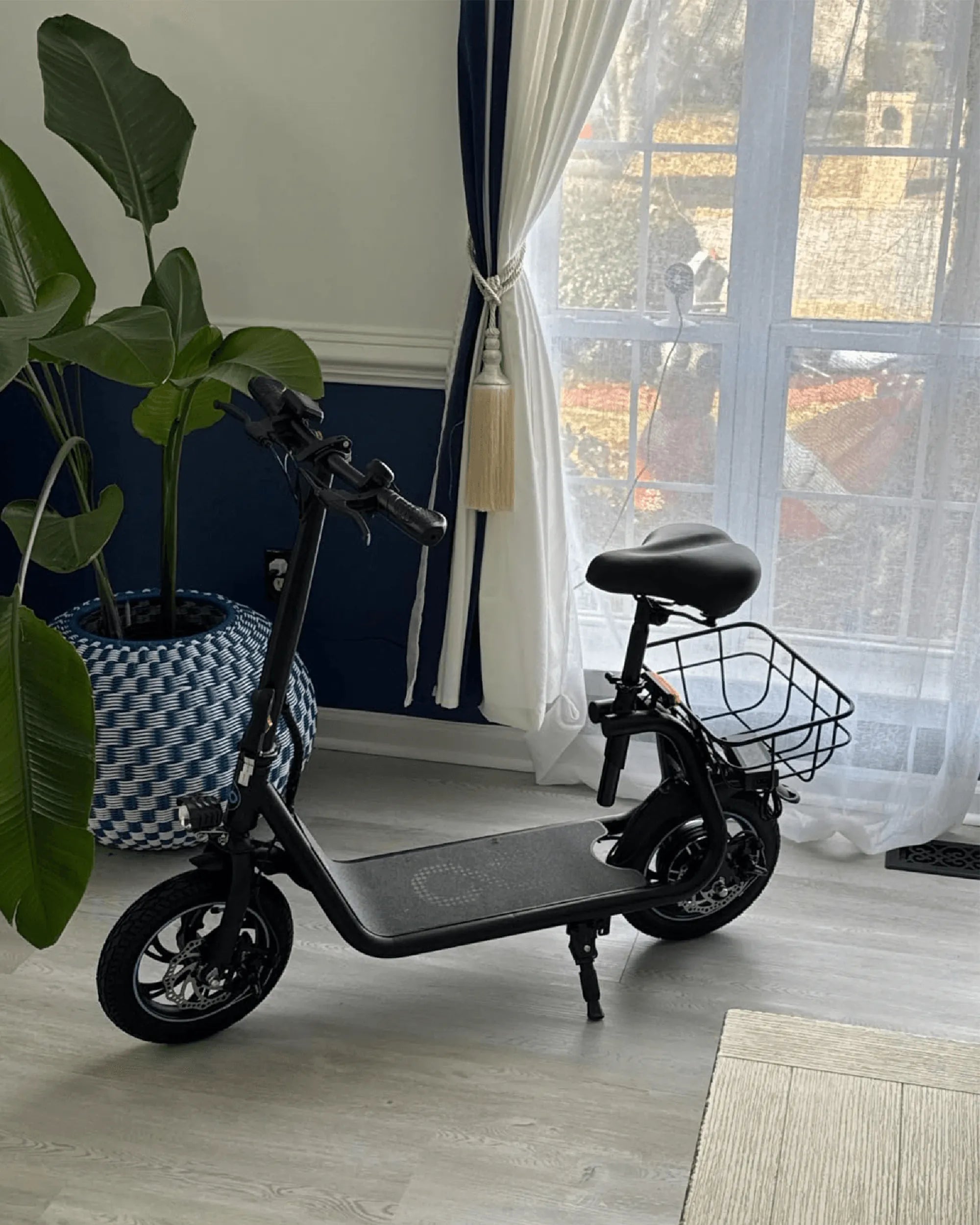
Introduction to High-Power Electric Scooters
The electric scooter landscape is stratified by power, with 8000 watt scooters occupying the absolute peak. These are not mere commuter vehicles; they are engineered performance machines designed for extreme speed, unparalleled hill-climbing, and serious off-road capability. An 8000 watt scooter transforms the riding experience from practical transportation to an adrenaline-fueled activity, demanding respect and specific expertise. This guide will dissect what this immense power means, the technology required to harness it, and the critical considerations for any prospective rider.
Understanding an 8000 watt scooter begins with recognizing its intended purpose: to push the boundaries of electric two-wheeled performance. We will explore the real-world metrics of speed and torque, the non-negotiable safety features, and the legal framework that often restricts their use. By the end, you'll have a comprehensive view of whether this apex predator of the scooter world aligns with your skills, needs, and local regulations.
What Does 8000 Watts Really Mean? Performance Decoded
The "8000 watt" label typically refers to peak power output, a burst capability the motor can achieve under maximum load, such as during a hard acceleration or a steep climb. Sustained or nominal power is often lower but still substantial, usually in the 4000W to 6000W range. This power rating directly translates to torque—the rotational force that propels you forward. Higher wattage and torque mean breathtaking acceleration and the ability to maintain speed on inclines that would stall lesser scooters.
To put it in perspective, an 8000 watt scooter's power output is comparable to a small motorcycle. While a typical commuter scooter might have a 350W motor, an 8000W system is over 22 times more powerful. This power is managed through sophisticated electronic speed controllers (ESCs) that modulate the current from the battery to the motor. The result is performance that blurs the line between scooter and lightweight electric motorcycle, offering a thrilling yet demanding ride.
Understanding Motor Types: Hub vs. Mid-Drive
High-wattage scooters primarily use two motor configurations, each with distinct advantages. Hub motors are integrated into one or both wheels. A dual 8000 watt scooter often features two powerful hub motors, providing direct drive, excellent top-end speed, and simpler maintenance due to fewer moving parts. The downside can be unsprung weight affecting suspension response.
Mid-drive motors, mounted centrally on the scooter's frame, transfer power to the wheel via a chain or belt. This configuration offers superior torque delivery and efficiency, especially for hill climbing, by leveraging the scooter's gearing. It also centralizes weight for better handling. For an 8000 watt scooter focused on extreme off-road and hill performance, a mid-drive or a high-torque geared hub motor configuration is often preferred by enthusiasts for its mechanical advantage.
Real-World Performance: Speed, Range, and Hill Climb
So, what does an 8000 watt scooter actually deliver? Top speeds typically range from 55 mph to over 70 mph (90-115+ km/h), depending on rider weight, terrain, and specific motor tuning. Acceleration is violent, capable of reaching 30 mph in just a few seconds. The hill-climbing ability is where these machines truly separate themselves, capable of conquering grades of 30% or more with ease, making them viable for rugged mountain trails.
Range is heavily dependent on riding style. Aggressive use at top speed can drain a large battery in under 20 miles. Conservative, mixed-terrain riding can extend range to 40-50 miles on a single charge. It's a classic power vs. endurance trade-off. The key is the battery system: an 8000 watt scooter requires a high-voltage (72V or 84V), high-capacity (often 30Ah or more) lithium-ion pack to feed the motors and achieve any practical range.
Key Features and Safety Considerations for 8000W Scooters
The immense power of an 8000 watt scooter necessitates an equally robust foundation of components and safety systems. Compromising on any of these elements is not just a performance issue—it's a significant safety risk. The chassis, brakes, suspension, and electronic management systems must be engineered to handle the stresses of extreme speed and torque.
Ownership demands a mindset shift from casual rider to performance vehicle operator. Every component, from the throttle response to the tire compound, plays a critical role in managing the power safely. Brands that specialize in this segment, like Gyroor, invest heavily in integrating these high-performance features with reliable safety standards, including UL-certified battery packs tested for over 500 charge cycles and IPX5 water-resistant designs for all-weather resilience.
The Power Core: Battery, BMS, and Controllers
The battery is the heart of the 8000 watt scooter. It must be a high-discharge lithium-ion pack, typically with 72V or 84V nominal voltage, to provide the necessary current. Capacity ratings of 30Ah to 40Ah are common to balance power and range. The Battery Management System (BMS) is the brain, protecting against overcharge, over-discharge, short circuits, and individual cell imbalance. A robust BMS is non-negotiable for safety and battery longevity.
The Electronic Speed Controller (ESC) acts as the nervous system, precisely regulating the power flow from the battery to the motor. For an 8000 watt scooter, the ESC must handle extremely high amperage. Quality controllers offer programmable settings for acceleration curves, regenerative braking strength, and top-speed limits, allowing riders to tailor the power delivery to their skill level and riding conditions. This trio—battery, BMS, controller—forms the critical power ecosystem.
Built to Handle the Power: Frame, Suspension, and Brakes
The frame must be constructed from reinforced aluminum alloy or steel to withstand the torsional forces of high-speed cornering and off-road impacts. A weak frame can flex or fail catastrophically. Suspension systems are equally critical; expect high-end components like inverted hydraulic forks and dual rear shock absorbers with adjustable preload and damping to maintain control over rough terrain at speed.
Braking systems must be exceptional. Dual or even triple hydraulic disc brakes are standard, with large rotors (often 160mm or more) for maximum stopping power. Many high-end 8000 watt scooters now incorporate ABS (Anti-lock Braking Systems) to prevent wheel lock-up during emergency braking, a vital feature given the achievable speeds. Regenerative braking can also assist, converting kinetic energy back into battery charge while helping to slow the scooter.
Safety and Stability Systems
Beyond brakes, integrated safety systems are paramount. Bright LED headlights, brake lights, and turn signals are essential for visibility. Some models feature electronic stability control or traction control to prevent rear-wheel spin under hard acceleration, especially on loose surfaces. The IPX5 water-resistant rating, a standard in Gyroor's high-performance line, ensures that the electrical components are protected from water jets from any direction, adding reliability in wet conditions.
Finally, the user interface contributes to safety. A clear, bright digital display that shows speed, battery level, mode, and error codes allows the rider to maintain situational awareness. A responsive, progressive thumb or trigger throttle prevents jerky, unexpected acceleration. These features collectively create a safer platform to harness the scooter's formidable power.
Is an 8000W Scooter Right for You? Use Cases and Rider Profile
An 8000 watt scooter is a specialized tool, not a general-purpose vehicle. The ideal rider is an experienced enthusiast seeking performance that exceeds all standard electric scooters and even rivals some electric motorcycles. This machine is for those who prioritize power, thrill, and off-road capability over practicality, portability, or street legality.
Beginners should avoid starting on an 8000 watt scooter. The power delivery is intense, the weight is substantial (often 90-120 lbs), and the speeds reached require advanced riding skills and reactions. It is strongly recommended to have significant experience with lower-powered electric scooters or electric bikes before considering such a high-performance model. The learning curve is steep and potentially dangerous without proper foundational skills.
Primary Use Cases: Beyond Commuting
The practical applications for an 8000 watt scooter are specific. First and foremost is extreme off-roading and trail riding on private land or designated off-road parks. Its power and suspension make it capable of handling sand, dirt, mud, and steep hills that are impossible for standard models. Second is for use as a performance vehicle on closed courses or private property, where its speed and acceleration can be safely enjoyed.
In some professional contexts, such as delivery in extremely hilly urban environments or on large private estates, the hill-climbing prowess can provide a utility advantage. However, for daily urban commuting on public roads, an 8000 watt scooter is almost always overkill and illegal. Its size, weight, and performance characteristics are mismatched with bike lanes and pedestrian-heavy areas.
Legal and Regulatory Landscape
This is the most critical consideration. In virtually all jurisdictions across North America and Europe, an 8000 watt scooter far exceeds the legal limits for power and speed defined for electric scooters on public roads, bike lanes, or paths. Local laws typically cap motor power at 500W to 1500W and top speed at 15-28 mph.
Therefore, an 8000 watt scooter is generally not street-legal. Riding one on public roads may result in fines, impoundment, or classification as an unregistered motor vehicle requiring license, insurance, and registration. Riders must assume these are for private property or off-road use only and must research their local and state/provincial laws meticulously before purchase.
Required Rider Experience and Gear
Operating an 8000 watt scooter safely demands a full suite of protective gear. A full-face motorcycle helmet certified by DOT or ECE standards is the absolute minimum. This should be complemented by a motorcycle armored jacket, gloves, knee and shin guards, and sturdy boots. The gear is not optional; at speeds exceeding 55 mph, a fall without protection can be life-altering.
Rider experience should include comfort with high speeds, understanding of counter-steering for stability at speed, and practiced emergency braking techniques. Familiarity with basic maintenance, like checking tire pressure and brake pad wear, is also important for safety. The rider must have the maturity to respect the machine's power and understand the consequences of reckless operation.
Comparing the Investment: Cost, Value, and Warranty
An 8000 watt scooter is a significant financial investment, with prices typically ranging from $3,000 to over $6,000. This cost reflects the premium components: high-output motors, large battery packs with quality cells, advanced controllers, hydraulic brakes, and robust suspension. It also covers the engineering required to integrate these components into a reliable, high-performance system.
When evaluating value, look beyond the sticker price. Consider the quality of the battery cells (name-brand like LG, Samsung, or Panasonic are preferred), the reputation of the brand for build quality, and most importantly, the warranty and customer support structure. A low price may indicate compromises on these critical factors, leading to higher long-term costs and potential safety issues.
The Importance of Reliability and Support
With such a complex and powerful machine, post-purchase support is not a luxury—it's a necessity. A comprehensive warranty, like the industry-standard 1-year warranty offered by Gyroor, provides peace of mind against manufacturing defects. Access to responsive, knowledgeable customer service and available replacement parts is crucial for resolving any issues that may arise.
Brands that have established a reputation and a customer base, like Gyroor with over 100,000 riders, are generally a safer bet. They have a track record and are incentivized to maintain their reputation. The value of reliable US-based support cannot be overstated when dealing with high-voltage electronics and performance mechanics, ensuring your investment is protected.
Total Cost of Ownership
The initial purchase is just the beginning. Owners should budget for ongoing maintenance: replacing wear items like tires, brake pads, and potentially brake fluid. High-performance tubeless or off-road tires can be a notable expense. While "fuel" costs (electricity) are minimal, the potential cost of battery replacement after several years of use is significant, though quality UL-certified packs are designed for 500+ cycles.
Comparing total cost to a gasoline-powered alternative like a dirt bike or small motorcycle, the electric scooter often wins on per-mile energy cost and lower routine maintenance (no oil changes, air filters, etc.). However, the potential repair costs for specialized components can be higher. The investment is best viewed as one for a performance hobby or specialized tool, not just transportation.
8000W Scooter Comparison: Key Models & Specs
The following table compares general specifications found in the 8000W scooter segment. Actual models from leading brands will vary. Always verify specs with the manufacturer.
| Feature / Spec | Typical 8000W Scooter Range | Importance / Note |
|---|---|---|
| Motor Power (Peak) | 8000W (Dual 4000W common) | Defines acceleration & hill-climb potential. |
| Top Speed | 55 - 75+ mph | Dependent on voltage, controller, rider weight. |
| Max Range | 25 - 50 miles | Varies drastically with speed and terrain. |
| Battery Voltage | 72V or 84V | Higher voltage enables higher power & efficiency. |
| Battery Capacity | 30Ah - 40Ah | Determines energy storage and potential range. |
| Braking System | Dual/Triple Hydraulic Disc, ABS | Critical safety feature for high-speed stops. |
| Suspension | Inverted Fork + Dual Rear Shock | Essential for off-road control and comfort at speed. |
| Weight | 90 - 120 lbs | Indicative of frame and battery size; not portable. |
| IP Rating | IPX5 or higher | Protects against water ingress for all-weather use. |
| Price Range | $3,000 - $6,000+ | Reflects component quality and brand positioning. |
Frequently Asked Questions (FAQ)
Q: How fast can an 8000 watt electric scooter go?
A: Top speeds typically range from 55 mph to over 70 mph (90-115+ km/h). The actual speed depends on several factors including the specific motor tuning, battery voltage (72V vs. 84V), rider weight, tire pressure, and riding terrain (flat vs. incline).
Q: Can I legally ride an 8000W scooter on the street?
A: In the vast majority of regions, no. An 8000 watt scooter vastly exceeds the power and speed limits defined for legal electric scooters on public roads, bike lanes, or paths. They are generally considered for private property or off-road use only. Always check your local and state/provincial laws.
Q: What's the real-world range on a single charge?
A: Expect 25 to 50 miles under real-world conditions. Aggressive riding at top speed will drain the battery quickly, potentially yielding under 20 miles. Conservative, mixed-terrain riding can extend the range toward the upper end. The large battery capacity (30Ah+) is necessary to provide any useful range given the high power draw.
Q: Is an 8000W scooter safe for a beginner?
A: Absolutely not. The power delivery is extremely intense, the weight is high, and the speeds are dangerous. Beginners lack the reflexes, experience, and respect for the machine required to operate it safely. It is strongly advised to gain significant experience on lower-powered models (e.g., 1000W-2000W) first.
Q: Why is the warranty so important for a high-power scooter?
A: The complex interplay of high-voltage batteries, powerful motors, and sophisticated controllers means there are more potential points of failure. A strong warranty (like a 1-year comprehensive warranty) protects your investment against manufacturing defects. It also signals the brand's confidence in its product's reliability and its commitment to customer support, which is essential for troubleshooting and obtaining genuine parts.
The Apex of Electric Scooter Performance
An 8000 watt scooter stands as the ultimate expression of power and capability in the electric scooter world. It delivers motorcycle-rivaling performance, conquers terrain inaccessible to other scooters, and provides an unmatched thrill for the experienced rider. However, this capability comes with serious responsibilities: a deep respect for its power, a commitment to full safety gear, a clear understanding of its limited legal applications, and a willingness to invest in quality and support.
For the right rider—an experienced enthusiast with access to appropriate riding areas—it represents a thrilling and capable machine. When considering such a purchase, prioritize brands that build with safety and reliability at the core, featuring UL-certified batteries, robust IPX5 water-resistant designs, and strong warranty backing. This ensures that the extreme performance is matched by dependable engineering.
If the world of extreme performance electric scooters calls to you, begin your research with brands that have earned rider trust. Explore engineering that balances raw power with essential safety. Discover the full potential of high-wattage electric mobility by browsing the advanced performance collection at gyroorboard.com, where innovation meets reliability for the serious rider.
Fat Tire Commuter Bike: The All-Weather, All-Terrain Urban Workhorse
Fat Tire Commuter Bike: The All-Weather, All-Terrain Urban Workhorse