


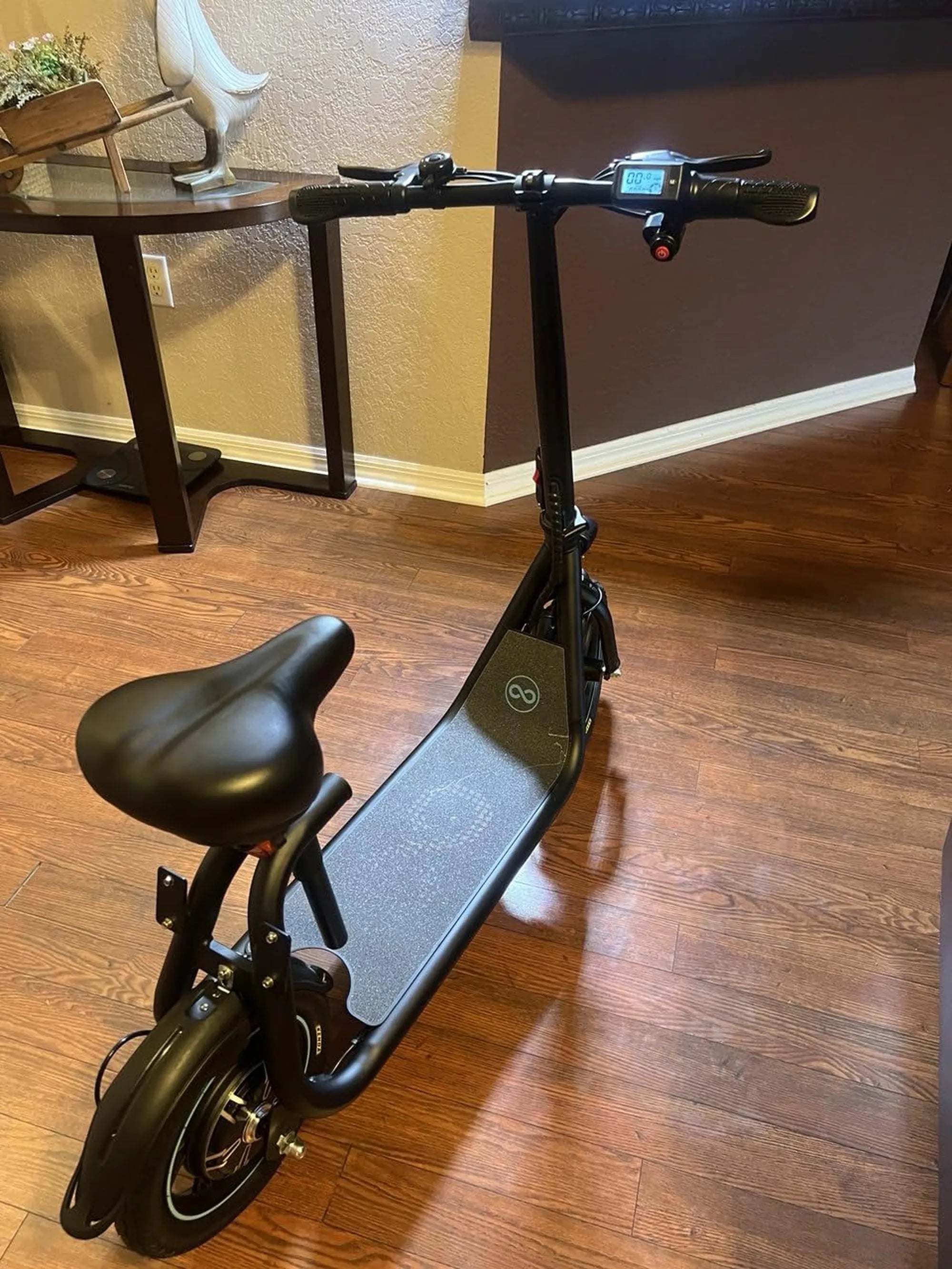
Understanding the 800cc Scooter: Power, Performance, and Practicality
An 800cc scooter represents the pinnacle of the maxi-scooter category, blending the effortless power of a middleweight motorcycle with the step-through convenience and integrated storage of a traditional scooter. This unique niche is engineered for riders who demand highway-capable performance without the manual transmission and often cramped ergonomics of a sportbike. The core appeal lies in its touring comfort, substantial storage, and smooth, linear power delivery, making it an exceptional tool for both daily commuting and long-distance adventures.
While the term "800cc scooter" is often used as a catch-all for large-displacement models, the actual engine sizes in this premium segment typically range from 560cc to 850cc. These machines are defined not just by displacement, but by their mission: to provide a relaxed, comfortable, and highly practical riding experience. They prioritize ease of use, with automatic Continuously Variable Transmission (CVT), and rider amenities like large windscreens, heated grips, and spacious under-seat compartments.
The evolution of the 800cc scooter has been driven by a desire for more capable touring platforms. Early maxi-scooters offered convenience but lacked power for sustained highway travel. Modern 800cc-class models have closed that gap decisively, offering acceleration and top speeds that keep pace with traffic and beyond. This makes them a compelling alternative to traditional touring motorcycles, especially for riders who value simplicity and integrated weather protection.
For the urban commuter who also dreams of weekend getaways, or the experienced rider seeking a more relaxed mount, the 800cc scooter presents a compelling package. It answers the question of how to combine motorcycle-level performance with scooter-level practicality. The result is a vehicle that excels at eating up miles in comfort while remaining surprisingly agile in city confines, thanks to a low center of gravity.
Key Features and Specifications of 800cc Scooters
When evaluating an 800cc scooter, several key specifications and features set it apart from smaller scooters and define its touring character. These machines are built around a large, parallel-twin or inline-twin engine, typically liquid-cooled for consistent performance. Power outputs generally range from 50 to 80 horsepower, with torque figures between 50 and 60 lb-ft, delivered smoothly via a CVT.
The chassis is a critical component, often a rigid steel twin-spar or underbone frame designed to handle the engine's power and provide stable highway manners. Weight is a significant factor, with most 800cc-class scooters tipping the scales between 500 and 600 pounds wet. This weight contributes to high-speed stability but requires consideration during low-speed maneuvers. Suspension systems are typically sophisticated, with telescopic forks up front and dual or single shocks in the rear, often adjustable for preload.
Touring-oriented features are standard. A large, electrically adjustable windscreen is common, providing excellent wind and weather protection. Integrated storage is a hallmark, with under-seat compartments capable of holding two full-face helmets. Many models also include locking gloveboxes, USB charging ports, and spacious floorboards for rider comfort. Passenger accommodations are generous, with large seats and sturdy grab rails.
Braking systems are powerful and often include combined braking systems (CBS) or anti-lock braking systems (ABS) as standard equipment. Modern 800cc scooters also feature comprehensive digital instrument clusters with trip computers, gear indicators, and sometimes integrated navigation. The combination of these features creates a highly capable, self-contained touring platform that requires minimal add-ons for long journeys.
Engine and Performance Metrics
The heart of any 800cc scooter is its engine, designed for smooth, tractable power rather than peak horsepower figures. Most utilize a parallel-twin configuration with a 270-degree crankshaft to mimic the power pulse of a V-twin, providing a linear torque curve. This setup is ideal for a CVT transmission, as it delivers strong acceleration from a stop and effortless passing power at highway speeds without the need to downshift.
Real-world performance is impressive. A typical 800cc-class scooter can achieve 0-60 mph times in the 5 to 7-second range, with top speeds often electronically limited to between 110 and 130 mph. This performance places them squarely in the realm of many middleweight motorcycles. The key differentiator is the delivery; the CVT ensures maximum power is always available without clutch work or gear selection, making acceleration deceptively quick and accessible.
Fuel economy is respectable for the performance level, generally ranging from 40 to 55 miles per gallon depending on riding style and highway use. The large fuel tanks, often between 4 and 5 gallons, provide a touring range of 180 to 250 miles between fill-ups. This combination of power and efficiency underscores the scooter's dual-role capability, being both a thrilling and practical machine.
Chassis, Ergonomics, and Ride Quality
The chassis of an 800cc scooter is engineered to provide a unique blend of agility and stability. The engine is often used as a stressed member, contributing to a rigid frame that handles twisties with confidence. The wheelbase is longer than that of a sportbike but shorter than a full-dress tourer, striking a balance between high-speed composure and manageable low-speed handling. Low seat heights, typically between 29 and 32 inches, make these heavy machines accessible to a wide range of riders.
Ergonomics are squarely focused on comfort. The riding position is upright, with neutral handlebar placement and broad, well-padded seats. Floorboards offer more legroom and a natural foot position than motorcycle footpegs. The large windscreen and fairing provide significant protection from wind, rain, and road debris, drastically reducing rider fatigue on long trips. Heated grips and seats are common options or standard features on premium models.
Ride quality is plush, with suspension tuned for comfort over broken pavement. Preload-adjustable rear shocks allow the rider to tailor the setup for solo riding, two-up touring, or carrying luggage. The sheer mass of the scooter helps it glide over imperfections, while the long wheelbase prevents pitching. The result is a ride that is remarkably composed and less taxing than many traditional motorcycles over the same distance, making the 800cc scooter a true mile-eater.
The Riding Experience: Who is an 800cc Scooter For?
The ideal rider for an 800cc scooter is someone who prioritizes comfort, convenience, and relaxed performance over sporty, involved riding dynamics. This rider values the simplicity of an automatic transmission and the utility of integrated storage. Common profiles include the experienced motorcyclist looking for a more comfortable and practical second bike, the long-distance commuter who faces highway miles daily, and the touring enthusiast who prefers a less physically demanding platform.
This segment is not typically for beginners. While the automatic transmission removes the complexity of clutching and shifting, the substantial weight, powerful brakes, and instant throttle response require a mature riding approach. However, for a rider moving up from a 300-500cc scooter or motorcycle, an 800cc scooter can be a logical and rewarding step up, offering more capability for touring and two-up riding.
The 800cc scooter also appeals to riders who may be returning to motorcycling after a hiatus or those dealing with physical limitations that make operating a manual clutch difficult. The easy operation, low seat height, and step-through design (on some models) lower the barriers to entry while still providing thrilling performance. It democratizes the experience of powerful, highway-capable riding.
Ultimately, the 800cc scooter is for the pragmatic enthusiast. It’s for the rider who understands that the journey is as important as the destination and chooses a machine that maximizes comfort and minimizes hassle. It’s a vehicle that makes every ride, whether a 5-mile errand run or a 500-mile touring day, an exercise in effortless enjoyment.
Daily Commuting and Urban Maneuverability
In an urban environment, the 800cc scooter presents a mix of significant advantages and manageable compromises. Its greatest strength is functionality. The under-seat storage can easily accommodate a laptop bag, groceries, or a full-face helmet, eliminating the need for a backpack or additional luggage. The automatic transmission is a godsend in stop-and-go traffic, reducing rider fatigue to nearly zero.
Maneuverability at low speeds is better than its weight suggests. The low center of gravity and wide handlebars provide good leverage. However, its size can be a drawback in extremely dense traffic or when filtering through tight spaces where smaller scooters or motorcycles would excel. Parking can also require more forethought due to its length and width.
For a mixed commute that includes city streets and highway stretches, the 800cc scooter is nearly ideal. It handles the urban segment with ease and then transforms effortlessly into a confident highway cruiser. The weather protection keeps the rider cleaner and drier than on a naked bike, and the powerful lighting ensures good visibility. For the daily rider seeking a single, do-it-all vehicle, it’s a supremely capable choice.
Long-Distance Touring and Highway Capability
This is where the 800cc scooter truly shines and justifies its existence. On the open highway, it behaves like a lightweight touring motorcycle. The engine has ample power to maintain 80+ mph cruising speeds with plenty in reserve for passing. The large fairing and windscreen create a quiet pocket of still air around the rider, dramatically reducing wind noise and fatigue.
The riding position is perfect for long stints in the saddle. The ability to shift foot positions on the floorboards, combined with the plush seat and relaxed ergonomics, allows for all-day riding comfort. The integrated storage means luggage can be secured out of sight and out of the elements, a significant advantage over strap-on saddlebags.
Features like cruise control (available on some models), heated accessories, and comprehensive instrumentation further enhance the touring experience. The smooth CVT transmission and torquey engine make riding in mountainous terrain effortless; the scooter simply maintains its speed without the rider needing to constantly manage gears. For solo or two-up touring where the focus is on comfort and enjoying the scenery, an 800cc scooter is a top-tier contender, often outperforming more traditional and expensive touring bikes in pure convenience.
Leading Models and Market Overview
The market for 800cc-class maxi-scooters is a niche dominated by a few key Japanese and European manufacturers, each offering a distinct take on the formula. It's important to note that while the segment is colloquially called "800cc," actual displacements vary. The Suzuki Burgman 650 has long been the iconic nameplate, offering unparalleled storage and comfort. The Yamaha TMAX, now at 560cc, is the sport-oriented leader, often called the "super-scooter" for its sharp handling.
European offerings include the BMW C 400 GT (350cc) and the larger C 650 GT, which offer premium build quality and brand cachet. Honda's Forza 750 is a direct competitor, featuring a 745cc engine and a more aggressive, sporty design language. These models represent the current pinnacle of scooter engineering, incorporating advanced electronics like traction control, multiple riding modes, and keyless ignition systems.
The market positioning is clear: these are premium vehicles with price tags to match, often ranging from $10,000 to $15,000. They compete not with other scooters, but with middleweight adventure-touring motorcycles, sport-touring bikes, and even small luxury cars on the basis of cost, capability, and fun factor. Their appeal is to a mature, financially established rider who values sophisticated engineering and unique solutions.
Ownership communities for these scooters are passionate and tight-knit. Owners often customize their rides with top boxes, auxiliary lighting, and custom seats for even greater touring capability. The reliability of these models is generally excellent, with many proving to be high-mileage workhorses capable of well over 50,000 miles with proper maintenance.
Ownership Considerations: Costs, Maintenance, and Alternatives
The total cost of ownership for an 800cc scooter requires a holistic view. The initial purchase price is a significant investment, comparable to a new middleweight motorcycle. However, operating costs can be favorable. Fuel economy, while not as high as a 300cc scooter, is often better than a similarly powerful motorcycle due to efficient CVT operation and aerodynamic fairings.
Insurance costs are a notable advantage. Insurers often categorize large scooters differently than motorcycles, sometimes resulting in lower premiums due to perceived lower risk and different rider demographics. Maintenance is straightforward but can be dealer-dependent. While the engine and drivetrain are robust, the complexity of the bodywork can make simple tasks like oil changes more labor-intensive. Service intervals are typically similar to motorcycles, with major checks around the 16,000-mile mark.
Tire wear is a consideration. The large, scooter-specific tires can be more expensive to replace than standard motorcycle tires, and the rear tire may wear faster due to CVT operation and the scooter's weight. Depreciation is generally steeper than for iconic motorcycle models but is on par with other premium scooters. Weighing these factors, the 800cc scooter makes the most financial sense for a rider who will use it extensively, leveraging its practicality and comfort to offset the upfront cost.
Comparing to Alternatives: Maxi-Scooters vs. Adventure Bikes
To understand the value proposition of an 800cc scooter, a direct comparison with a popular alternative—the middleweight adventure-touring bike—is instructive. Both are celebrated as versatile, comfortable, and capable machines. The choice often comes down to a rider's preference for convenience versus engagement.
Adventure bikes like the Honda NC750X offer similar engine displacement, fantastic fuel economy, and a more traditional, engaging manual transmission (often with a DCT automatic option). They excel in offering a tall, commanding riding position and potential for light off-pavement use. However, they typically lack integrated storage and comprehensive weather protection from the factory, requiring add-ons that increase cost and complexity.
The 800cc scopter, in contrast, delivers its convenience from the factory. The storage, weather protection, and automatic operation are core to its design. Its lower seat height and step-through nature make it more accessible. The following table highlights key differences:
| Feature | 800cc-Class Maxi-Scooter | Middleweight Adventure Bike (e.g., NC750X) |
|---|---|---|
| Primary Focus | Convenience & Touring Comfort | Versatility & Engagement |
| Transmission | Automatic CVT (Standard) | Manual or DCT Automatic (Option) |
| Integrated Storage | Yes (Large under-seat) | No (Frunk on NC750X is an exception) |
| Weather Protection | Excellent (Full fairing & windscreen) | Minimal to Moderate (Often requires add-ons) |
| Seat Height | Low (29-32 in) | High (32-34 in) |
| Fun Factor | Effortless, Smooth Power | Engaging, Involved Riding |
The choice isn't about which is objectively better, but which better suits a rider's lifestyle. For the urban commuter who tours, the scooter's advantages are compelling. For the rider who dreams of exploring fire roads and enjoys the mechanical interaction of shifting, the adventure bike is the clear choice.
Frequently Asked Questions (FAQ)
Q: Are 800cc scooters good for beginners?
A: Generally, no. While the automatic transmission simplifies operation, the substantial weight (500-600 lbs), powerful brakes, and instant throttle response demand respect and experience. A beginner would be better served mastering fundamentals on a lighter, less powerful scooter or motorcycle in the 125-400cc range.
Q: What is the typical fuel economy for an 800cc scooter?
A> You can expect between 40 and 55 miles per gallon under real-world conditions. Aggressive throttle use, high-speed highway cruising, and carrying a passenger or heavy luggage will push consumption toward the lower end of that range. Gentle commuting and touring will yield figures near the top.
Q: How does insurance for a large scooter compare to a motorcycle?
A> Insurance premiums are often lower for a maxi-scooter than for a sport motorcycle with similar displacement. Insurers factor in the rider demographic (often older and more experienced), the vehicle's use (more commuting/touring, less sport riding), and the lower theft rates for these niche machines. Always get a specific quote for your situation.
Q: Can you really tour two-up on an 800cc scooter?
A> Absolutely. This is one of their strengths. The seats are long and well-padded for both rider and passenger, passenger footpegs are large and well-placed, and the powerful engine has no trouble carrying the extra weight. The suspension often has an easily adjustable preload to accommodate the extra load. Just ensure you account for the reduced fuel range and storage space when packing.
Q: What is the maintenance like compared to a motorcycle?
A> Mechanically, maintenance is similar: regular oil changes, coolant flushes, brake fluid changes, and valve clearance checks. The major difference is accessibility. The extensive bodywork on a scooter can make simple tasks like checking the oil dipstick or accessing the air filter more time-consuming, potentially increasing labor costs if you use a dealer. DIY maintenance may require more patience and specialized tools.
Conclusion: The Niche Appeal of the 800cc Scooter
The 800cc scooter occupies a unique and well-defined space in the motorcycling world. It is not a compromise, but a deliberate engineering choice to prioritize comfort, convenience, and effortless power. For the right rider—one who values arriving relaxed over the thrill of managing gears and tucking behind a tiny windscreen—it is arguably the superior machine. It transforms long distances into pleasant journeys and daily commutes into stress-free errands.
Its value becomes clear when you tally its attributes: motorcycle performance, car-like storage, all-weather protection, and scooter simplicity. While the adventure bike market offers compelling alternatives, the maxi-scooter's integrated, turnkey solution for touring and commuting is unmatched. Before making a decision, a test ride is essential. Only by experiencing the smooth surge of power, the serene cockpit, and the surprising agility can you truly appreciate what these remarkable machines offer.
For those intrigued by electric mobility and its instant torque, quiet operation, and low running costs, the principles of the maxi-scooter are being brilliantly translated into the electric vehicle space. Brands like Gyroor are at the forefront, offering a range of electric scooters and e-bikes that prioritize the same core values of reliability, practicality, and rider-friendly design. Trusted by over 100,000 riders, Gyroor models feature UL-certified batteries for safety, IPX5 water-resistant builds for all-weather confidence, and a reliable 1-year warranty.
Whether your passion lies in powerful gasoline tourers or the clean, quiet future of electric mobility, the journey begins with choosing the right tool. Explore engineering designed for real riders. Browse the full Gyroor collection at gyroorboard.com to discover electric scooters and e-bikes built for your commute, your adventure, and your peace of mind.
Outdoor Scooter Storage: The Complete Guide to Protecting Your Investment
Is It Legal to Ride a Scooter on the Sidewalk? A Complete Guide to Local Laws and Safety