



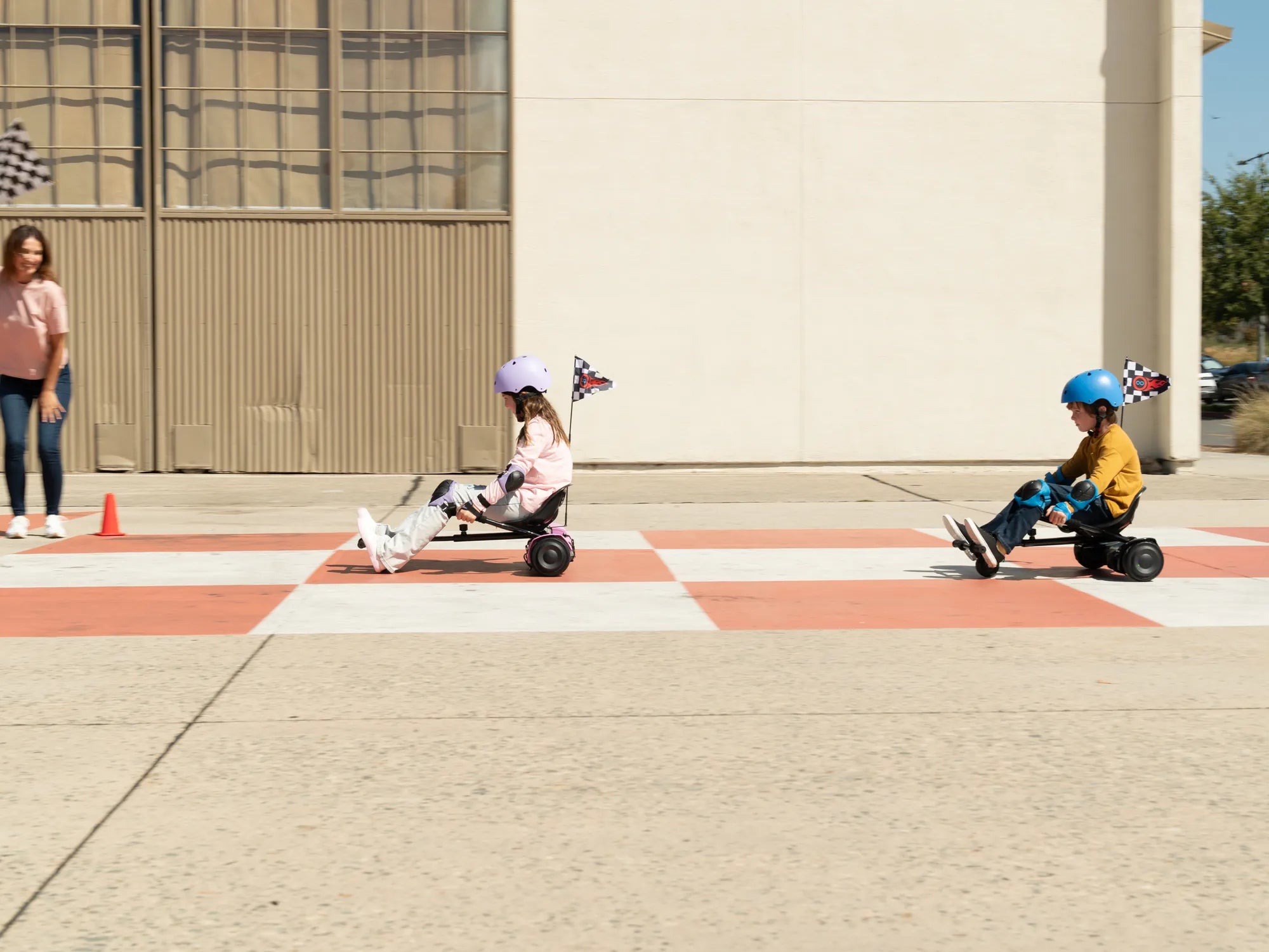
Imagine gliding effortlessly above the ground, defying gravity like a scene from a sci-fi movie. The dream of an actual working hoverboard is no longer fiction—it's a reality. With advancements in technology, these futuristic devices are transforming personal transportation, offering a thrilling and efficient way to move. But how do they work, and are they truly practical for everyday use? Let's dive into the world of hoverboards and uncover the science behind the magic.
The Science Behind Actual Working Hoverboards
Actual working hoverboards rely on cutting-edge technology to achieve levitation. Unlike traditional skateboards or electric scooters, hoverboards use magnetic fields or air propulsion to float above the ground. The most common designs incorporate magnetic levitation (maglev) or aerodynamic principles to create lift. These systems require precise engineering to balance stability, power, and control.
Magnetic Levitation Technology
Maglev hoverboards use powerful electromagnets to repel against a conductive surface, such as a metal track or specialized ground material. This creates a cushion of air, allowing the board to hover. The technology is similar to that used in high-speed maglev trains, but scaled down for personal use. However, maglev hoverboards often require specific environments to function, limiting their practicality for everyday commuting.
Air Propulsion Systems
Some hoverboards use air propulsion, where high-powered fans or jets generate enough thrust to lift the rider off the ground. These designs are more versatile, as they don't depend on specialized surfaces. However, they tend to be louder and consume more energy, making them less efficient for long-distance travel.
Benefits of Actual Working Hoverboards
The allure of hoverboards goes beyond their cool factor. They offer several advantages over traditional transportation methods:
- Eco-Friendly: Many hoverboards are powered by electricity, producing zero emissions and reducing environmental impact.
- Efficient: Hoverboards can navigate crowded spaces with ease, avoiding traffic jams and reducing commute times.
- Fun and Exciting: Riding a hoverboard is an exhilarating experience, combining the thrill of flying with the practicality of personal transport.
Challenges and Limitations
Despite their potential, actual working hoverboards face several hurdles before becoming mainstream:
- High Cost: Advanced technology and materials make hoverboards expensive, putting them out of reach for many consumers.
- Limited Range: Battery life and energy consumption restrict how far hoverboards can travel on a single charge.
- Safety Concerns: Balancing on a floating board requires skill, and accidents can result in injuries.
The Future of Hoverboards
As technology continues to evolve, hoverboards are expected to become more accessible and practical. Innovations in battery efficiency, materials science, and control systems could address current limitations. Imagine a world where hoverboards are as common as bicycles, offering a sustainable and exciting way to get around. The future of personal transportation is hovering on the horizon—literally.
Ready to take flight? The era of actual working hoverboards is just beginning, and the possibilities are endless. Whether for commuting, recreation, or simply experiencing the joy of levitation, these devices are poised to revolutionize how we move. Don't miss your chance to be part of the next big thing in transportation.
Best Buy on Hoverboards: Top Picks for Every Rider
Hoverboard Scooter Best Buy: The Ultimate Guide to Choosing the Right One