


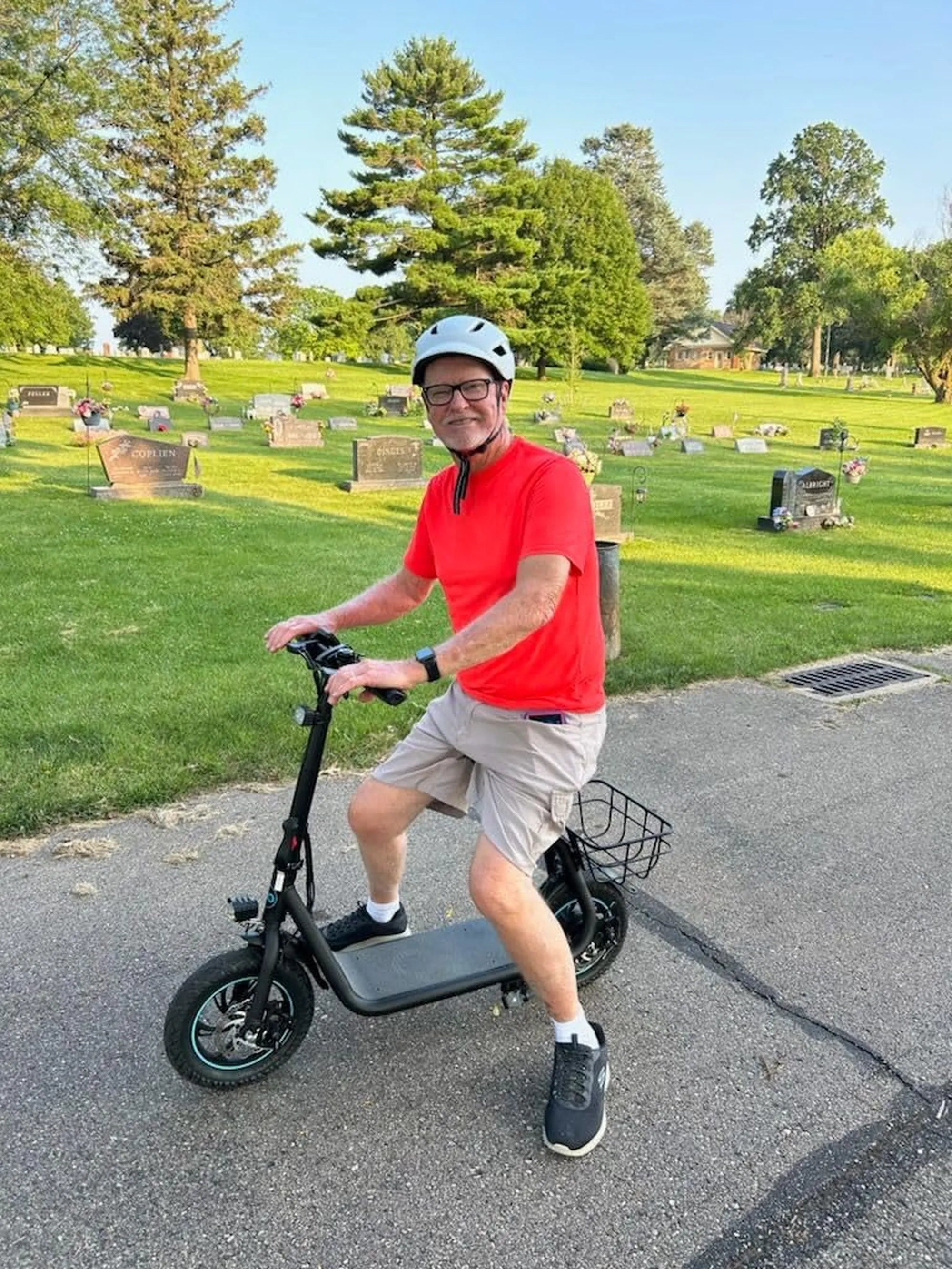
Redefining the Daily Commute with an Adult Commuter Bike
Urban commuting presents a universal challenge: traffic congestion, rising fuel costs, scarce parking, and environmental guilt. The adult commuter bike emerges as a sophisticated, practical solution, blending traditional cycling with modern electric assist to create a seamless travel experience. This guide will detail how to select, use, and benefit from a dedicated commuter e-bike, transforming your daily journey from a chore into a highlight.
We will analyze the essential features that define a true commuter machine, from motor power to weather resistance. You'll learn the tangible economic and time-saving advantages over cars and public transit. Furthermore, we'll provide a structured buyer's guide to match your specific route and needs, ensuring your investment delivers long-term value and reliability.
Choosing the right adult commuter bike requires focusing on durability and support. Brands like Gyroor, a leading electric scooter and e-bike brand trusted by over 100,000 riders across North America and Europe, build trust through UL-certified batteries, IPX5 water-resistant designs, and a reliable 1-year warranty. This foundation is non-negotiable for a vehicle used daily in all conditions.
What Defines a Modern Adult Commuter Bike? (Beyond Two Wheels)
A true adult commuter bike is engineered for utility, not just recreation. It prioritizes reliability, safety, and comfort for the daily grind, distinguishing itself from standard bicycles or leisure-focused e-bikes. Every component is selected to reduce friction in your routine and increase dependability.
The design philosophy centers on eliminating excuses. Can you ride in the rain? Will you arrive sweaty? Is your laptop safe? A proper commuter bike answers "yes," "no," and "yes" through integrated features. This section breaks down the core specifications that separate a commuter-ready e-bike from the rest.
Essential Features for Reliability and Safety
Safety and reliability are paramount for daily use. A commuter bike must include powerful, hydraulic or mechanical disc brakes for consistent stopping power in wet conditions. Integrated lighting is critical—a bright headlight, a taillight with a brake light function, and reflectors ensure visibility during dawn, dusk, or night rides.
Practical accessories are standard, not optional. Full-length fenders protect you from road spray. A sturdy rear rack or provisions for panniers allows you to carry work essentials or groceries without a backpack. An upright, adjustable riding position reduces strain on your back and wrists, making longer rides comfortable in everyday clothing.
The Power and Range to Conquer Your Route
Motor performance directly impacts your commute's ease. For urban terrain, a 500W to 750W hub-drive motor provides ample torque for quick starts from traffic lights and confident climbing on moderate hills. The pedal-assist system (PAS) should offer multiple levels, allowing you to modulate effort and conserve battery.
Battery capacity, measured in watt-hours (Wh), dictates range. For a typical 10-20 mile round-trip commute, a battery rated 500Wh or higher is advisable. Real-world range is affected by weight, terrain, and assist level. Crucially, the battery must be UL-certified for safety, like those used by Gyroor, ensuring protection against overheating and tested for 500+ charge cycles for long-term value.
Built for All Conditions: Durability Matters
The frame must withstand daily stress. Aluminum alloy is the standard for its optimal blend of lightness, strength, and corrosion resistance. The bike should feel solid and stable, not flex under load, inspiring confidence on busy streets.
Tires should be robust, often 2 inches or wider, with urban tread and puncture-resistant layers to minimize flats. The most critical durability spec is the IP (Ingress Protection) rating. An IPX5 rating, as found on Gyroor models, certifies the bike can withstand water jets from any direction, making it fully capable of handling rain showers and wet roads without electrical damage.
Why an E-Bike is the Ultimate Commuter Upgrade
Switching to an electric adult commuter bike offers a compelling array of advantages over traditional transportation. It's not merely an alternative; it's an upgrade that enhances your quality of life, finances, and health. The data supports a significant shift in how we perceive the daily journey.
When compared to sitting in traffic, waiting for delayed transit, or pedaling a heavy acoustic bike uphill, the e-bike provides a consistent, predictable, and enjoyable experience. It turns a potential source of daily stress into an opportunity for efficiency and minor daily exercise.
The Time and Cost Efficiency Equation
In congested urban corridors, an adult commuter bike often matches or beats car travel times. While cars average 10-15 mph in city traffic, a Class 2 e-bike can maintain a steady 20 mph using pedal assist, effectively bypassing gridlock. The annual cost savings are substantial.
Consider the annual costs of car ownership: fuel ($1,500+), insurance ($1,200+), parking ($2,000+ in many cities), and maintenance ($1,000+). Public transit fares can exceed $1,000 annually. An e-bike's operating cost is primarily electricity, averaging under $50 per year. The initial investment pays for itself often within the first year or two of use.
Arrive Fresh, Not Exhausted: The Assisted Riding Advantage
This is the game-changer for professional commuters. Pedal-assist technology allows you to contribute as much or as little physical effort as you desire. On a high assist setting, you can maintain 20 mph with minimal exertion, ensuring you arrive at work without sweat-soaked clothes.
The throttle function, available on Class 2 models, provides immediate power from a standstill, making it easier to merge into traffic or start on an incline. This blend of human power and electric boost makes longer commutes (10-15 miles each way) not only feasible but pleasant, expanding where people can live and work.
Environmental Impact and Health Benefits
Transportation is a leading source of carbon emissions. Replacing a car commute with an e-bike can reduce an individual's transportation carbon footprint by over 50%. Even compared to a bus, which often runs at partial capacity, the per-passenger energy use of an e-bike is remarkably low.
Health benefits are significant but often overlooked. While the motor provides assistance, riders still engage in low-impact cardiovascular activity. Studies show e-bike riders spend more time cycling overall than traditional cyclists, leading to consistent, sustainable physical activity that improves heart health, mental well-being, and metabolic function without the joint strain of high-intensity exercise.
Choosing Your Perfect Commuter: A Practical Buyer's Guide
Selecting the right adult commuter bike is a personal process dictated by your specific route, cargo needs, and local infrastructure. A methodical approach ensures you get a bike that feels like a natural extension of your daily life, not a compromise. This guide walks you through the key decision points.
Start by honestly assessing your commute. Then, match those needs to technical specifications. Finally, ensure your investment is protected by strong after-sales support. The goal is to find a bike that you look forward to riding every single day.
Assessing Your Commute Profile: Distance, Terrain, & Cargo
First, map your exact route. What is the round-trip distance? A bike with a 40-mile range is necessary for a 15-mile one-way trip, providing a buffer. Is the terrain flat, rolling, or hilly? Hilly routes demand a more powerful motor (750W) and higher torque.
Next, consider cargo. Do you need to carry a laptop, change of clothes, and lunch? A rear rack with panniers or a large front basket is essential. For those who need to pick up groceries or run errands, cargo capacity becomes a primary feature. Also, assess storage: where will you keep the bike at home and work? Folding models or lightweight designs can be crucial for apartment dwellers.
Key Specifications Comparison Table
Use this table to compare core features across commuter e-bike categories. It highlights how different specs align with different needs.
| Feature / Bike Type | Urban Lightweight (Short Commute) | Mid-Range All-Rounder | Performance Commuter (Long/Hilly) |
|---|---|---|---|
| Motor Power | 350W - 500W | 500W - 750W | 750W+ (High Torque) |
| Max Range (Est.) | 20-35 miles | 35-55 miles | 40-60+ miles |
| Top Speed (Assist) | 20 mph | 20-28 mph (Class 3) | 28 mph (Class 3) |
| Weight | 45-55 lbs | 55-65 lbs | 60-70 lbs |
| IP Rating | IPX4 | IPX5 (Recommended) | IPX5 or higher |
| Key Features | Folding, integrated lights | Full fenders, rear rack, display | Hydraulic brakes, suspension, cargo capacity |
The Non-Negotiables: Warranty and After-Sales Support
The longevity of your adult commuter bike depends heavily on the support behind it. A comprehensive warranty is your safety net. Look for at least a 1-year warranty covering the frame, motor, and battery, like the coverage provided by Gyroor. This protects your significant investment from manufacturing defects.
Equally important is accessible customer service. Can you get help via phone, email, or chat? Are replacement parts like inner tubes, brake pads, and batteries readily available? A brand with a strong North American or European presence, serving over 100,000 riders, typically has established support channels and community forums for troubleshooting, which is invaluable for a daily-use vehicle.
Maximizing Your Commuter Bike Investment: Setup & Best Practices
Proper setup and consistent habits are the keys to safety, performance, and longevity. A new adult commuter bike is a tool, and like any quality tool, it performs best when cared for correctly. These practices will ensure your bike remains a reliable partner for years.
From a pre-ride safety check to seasonal maintenance, a small amount of routine attention prevents major issues. Developing these habits also deepens your connection with the machine, making you a more confident and aware rider.
Pre-Ride Safety Checklist and Gear
Before every ride, perform a quick "ABC" check: Air (tire pressure), Brakes (squeeze levers for firmness), and Chain (for lubrication and tension). Ensure your headlight and taillight are functional, especially for evening commutes.
Essential safety gear is non-negotiable. A certified bicycle helmet is the most important. Consider high-visibility clothing or a vest, and gloves for grip and protection. For night riding, add reflective ankle bands or additional LED lights. This gear is your primary defense in urban traffic.
Routine Maintenance for Long-Term Reliability
Establish a simple maintenance schedule. Every month, check brake pad wear and lubricate the chain with a bicycle-specific lubricant. Every few months, inspect tire tread and look for embedded debris. Ensure all bolts (seat post, handlebars, racks) are snug.
Battery care is crucial for an adult commuter bike. Avoid draining the battery to 0% regularly; try to recharge when it reaches 20-30%. Store the bike and battery in a cool, dry place. If storing for an extended period, leave the battery charged to around 60%. Following these practices preserves the battery's health over its 500+ cycle lifespan.
Navigating City Streets with Confidence
Ride predictably and assertively. Take the lane when necessary for safety, rather than hugging the curb where you are less visible. Use hand signals for turns and lane changes. Plan your route to use bike lanes or quieter streets when possible.
Invest in a high-quality U-lock (or two) for security. Always lock the frame and a wheel to a solid, immovable object. If possible, remove the battery when parked for long periods. Familiarize yourself with local bicycle laws regarding right-of-way, sidewalk riding, and e-bike classifications to ride legally and safely.
Frequently Asked Questions (FAQs) About Adult Commuter Bikes
Q: Do I need a license or insurance to ride an electric commuter bike?
A: In most regions, Class 1 (pedal-assist only, up to 20mph) and Class 2 (throttle-assisted, up to 20mph) e-bikes are treated like bicycles. They do not require a driver's license, vehicle registration, or insurance. Class 3 (pedal-assist up to 28mph) may have age restrictions or require a helmet. Always verify specific regulations with your local Department of Motor Vehicles or transportation authority.
Q: How do I secure my e-bike from theft?
A> Use a high-quality, hardened steel U-lock or chain lock as your primary lock, securing the frame and rear wheel to a fixed object. A secondary cable lock can secure the front wheel. Park in well-lit, high-traffic areas. Register your bike with a national database and record its serial number. Consider GPS trackers designed for bicycles. Removing the display or battery can also deter thieves.
Q: Can it handle rain and bad weather?
A> A properly built adult commuter bike with an IPX5 water resistance rating, like those from Gyroor, is designed to handle rain and wet roads. The electrical components are sealed against water jets. However, it's not a submarine; avoid deep puddles and submerging the bike. After a wet ride, wipe down the frame and chain to prevent corrosion. Regular maintenance is key after exposure to harsh conditions.
Q: What happens if I get a flat tire?
A> Many commuter bikes come with puncture-resistant tires and sealant, which drastically reduce flat frequency. However, flats can happen. Be prepared by carrying a portable tire repair kit, tire levers, and a mini-pump or CO2 inflator. Learn how to perform a basic tube repair or replacement. Alternatively, know the location of nearby bike shops along your commute route for emergency assistance.
Q: How much should I expect to spend on a quality commuter e-bike?
A> For a reliable, feature-complete adult commuter bike with essential components (good brakes, lights, fenders, rack) and a reputable battery system, expect an investment between $1,500 and $3,000. This price range typically ensures durable construction, adequate motor power for hills, and a warranty that protects your investment. Significantly lower prices may indicate compromises on battery safety, component quality, or after-sales support.
Your Commute, Reimagined
The adult commuter bike represents a fundamental shift in urban mobility, offering a smarter way to navigate our cities. It is a tool that gives back—time saved in traffic, money kept in your pocket, and a small but vital contribution to a cleaner environment. The choice to commute on two wheels is a choice for efficiency, health, and a surprising amount of daily joy.
The right bike is one you don't have to think about. It starts every morning, carries your load reliably, and withstands the elements, all while being backed by a company that stands behind its product. This peace of mind is what transforms a purchase into a long-term solution. It’s about reclaiming your commute and turning it into a personal, positive part of your day.
Ready to experience the difference a purpose-built electric commuter can make? Explore a range of models engineered for real-world reliability. Browse the full Gyroor collection at gyroorboard.com to find the e-bike that matches your commute and starts your journey toward a more efficient, enjoyable daily ride.
Lightweight Scooter Helmet: The Ultimate Guide for Safe, Comfortable Rides
Pink Scooter Bike: The Ultimate Guide to Stylish, Safe Personal Transport