


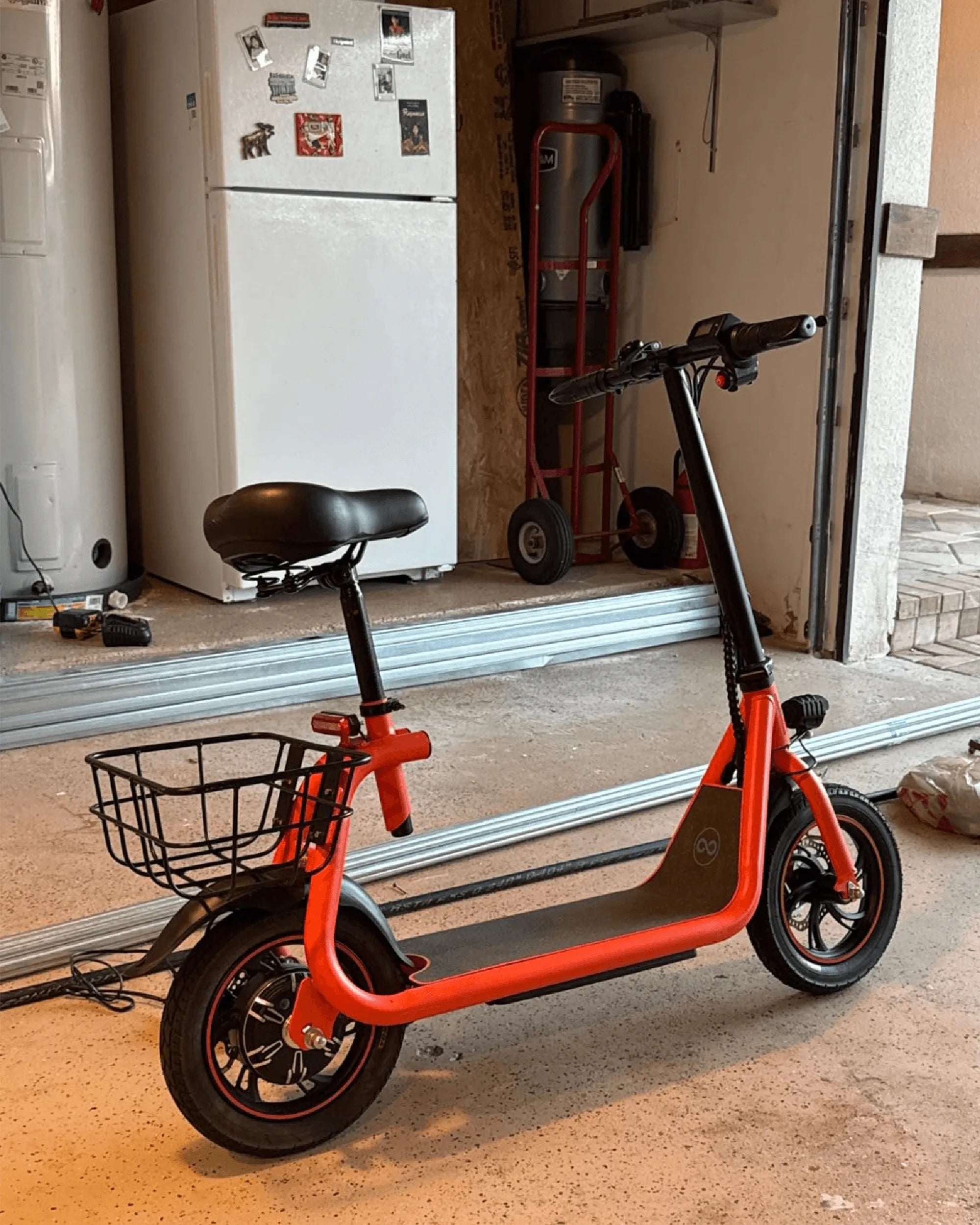
Introduction to Adult Motor Trikes
An adult motor trike is a three-wheeled electric vehicle designed for stability, capacity, and accessible urban mobility. Unlike traditional two-wheeled electric scooters or mobility scooters, these trikes combine the fun of personal electric transport with the practical advantages of a stable triangular base. They are rapidly gaining popularity among commuters, shoppers, and recreational riders seeking a confident and versatile ride.
This guide will provide a detailed examination of the adult motor trike. You will learn about its core benefits, critical specifications for purchase, and how it compares to other micro-mobility options. We will also explore the engineering principles behind reputable brands, ensuring you have the knowledge to choose a safe, reliable model that fits your lifestyle.
Why Choose a Motor Trike? Key Benefits & Use Cases
The decision to choose an adult motor trike over other vehicles hinges on three primary advantages: inherent stability, enhanced practicality, and broader accessibility. These benefits translate directly into specific, real-world applications that make the trike a compelling choice for many adults.
For urban commuters, a motor trike offers a stable platform in stop-and-go traffic, eliminating the need to balance at red lights. Recreational riders enjoy leisurely cruises on park paths without fatigue. The most significant use case is for running errands; the cargo capacity transforms a quick grocery trip into a simple, car-free endeavor.
Furthermore, adult motor trikes serve riders who may have concerns about balance or confidence on two wheels. The stable design provides a lower barrier to entry, opening up electric mobility to a wider demographic. It's a vehicle that prioritizes function and assurance alongside enjoyment.
Stability and Safety: The Three-Wheel Advantage
The fundamental benefit of an adult motor trike is its mechanical stability. The three-point contact with the ground creates a stable triangular footprint, vastly increasing lateral stability compared to two-wheeled vehicles. This design inherently prevents tipping during low-speed maneuvers, sudden stops, or when parked.
A lower center of gravity, often achieved by placing the battery pack low in the frame, further enhances this stability. This physics translates directly to increased rider confidence, especially in wet conditions, on uneven pavement, or when carrying loads. Safety features like wider decks, comprehensive lighting, and robust braking systems are integral to this stable platform.
Practicality Redefined: Cargo and Passenger Space
Utility is where the adult motor trike truly shines. While a standard e-scooter might offer a small basket, trikes are built for capacity. Many models feature large front or rear cargo baskets, integrated storage boxes, and even optional passenger seats. This transforms the vehicle from a simple commuter tool into a practical car replacement for short trips.
Imagine carrying a full week's groceries, a medium-sized pet carrier, or a work bag with a laptop and change of clothes—all securely and stably. Some heavy-duty models boast weight capacities exceeding 300 pounds, accommodating the rider plus significant cargo or a second adult passenger. This practical redefinition is a core reason for the adult motor trike's growing appeal.
What to Look for When Buying an Adult Motor Trike
Selecting the right adult motor trike requires careful evaluation of specifications that directly impact performance, safety, and suitability for your needs. This buyer's guide focuses on the critical data points that separate a capable trike from an underperforming one.
Prioritize specifications that match your primary use case. A commuter facing hills needs robust motor power, while a shopper requires high weight capacity and range. Never compromise on build quality and braking systems, as these are paramount for safety in a vehicle designed to carry more weight at stable speeds.
Core Specifications: Motor Power, Range, and Weight Capacity
Motor power, measured in watts (W), determines hill-climbing ability and acceleration. For an adult motor trike carrying extra weight, a 500W motor is a practical minimum, with 750W or 1000W offering better performance on inclines. Range is dictated by battery capacity (measured in Watt-hours, Wh). A 10-15Ah (approx. 360-540Wh) battery typically offers 15-25 miles of real-world range, but always consider factors like rider weight, terrain, and use of throttle versus pedal-assist.
The Gross Vehicle Weight Rating (GVWR) is arguably the most crucial spec. This is the maximum total weight the trike is designed to safely support: rider, cargo, and the trike itself. Exceeding this rating stresses the frame, motor, and brakes, creating a significant safety hazard. Choose a model with a GVWR that comfortably exceeds your estimated typical load.
Design & Build Quality: Frame, Tires, and Braking Systems
The frame is the trike's skeleton. Look for high-tensile steel or aluminum alloy constructions known for durability. Tire choice affects comfort and traction: pneumatic (air-filled) tires offer a smoother ride over bumps but require maintenance; solid (airless) tires eliminate flats but can provide a harsher ride. Given the trike's stability, comfort-oriented pneumatic tires are often a preferred choice.
Braking is non-negotiable. A reliable adult motor trike should have a multi-brake system. This often includes a front and rear mechanical brake (disc or drum) supplemented by an electronic regenerative brake. This redundancy ensures stopping power is maintained even if one system is compromised, which is essential for a heavier vehicle.
Essential Features for Comfort and Convenience
Beyond core specs, features enhance the riding experience. A suspension system (front or full) dramatically improves comfort on rough surfaces. Comprehensive lighting—a bright headlight, brake light, and turn signals—is vital for visibility and safety in traffic. A clear display panel shows speed, battery level, and mode.
Additional conveniences include multiple speed modes, a walk-assist mode for pushing the trike, and even a reverse gear for easy maneuvering out of tight parking spots. Weather-resistant design elements, such as sealed connectors and waterproof battery compartments, ensure longevity and all-weather capability.
Gyroor's Approach to Three-Wheeled Innovation
As a leading electric mobility brand trusted by over 100,000 riders, Gyroor applies its core engineering principles to the adult motor trike category. Understanding that a trike is a vehicle built for responsibility—carrying cargo, passengers, or riders seeking extra confidence—Gyroor prioritizes safety and reliability above all.
Gyroor's development focuses on integrating its proven technologies into stable, practical trike platforms. This means building upon a foundation of UL-certified battery safety, robust water-resistant construction, and dependable performance that riders can count on for daily use. The brand's commitment is to deliver innovation that empowers, not compromises, the rider's security.
Engineered for Confidence and Reliability
Gyroor's engineering philosophy directly addresses the unique demands of an adult motor trike. Every Gyroor model uses UL-certified battery packs, a critical safety feature for a vehicle that utilizes high-capacity batteries. These packs undergo rigorous testing for over 500 charge cycles, ensuring stable performance and reducing long-term degradation risks.
An IPX5 water-resistant rating protects the trike's vital electrical components from rain and road spray, a key consideration for a practical, all-weather vehicle. Coupled with a sturdy frame design and reliable braking systems, these features are backed by a comprehensive 1-year warranty and accessible customer support, providing long-term peace of mind for your investment.
Adult Motor Trike vs. Traditional E-Scooter: A Situational Comparison
Choosing between an adult motor trike and a traditional two-wheel e-scooter depends entirely on your primary need. The following table and analysis highlight the key differences to guide your decision.
| Feature | Adult Motor Trike | Traditional E-Scooter |
|---|---|---|
| Primary Strength | Stability & Utility | Portability & Agility |
| Balancing Required | Minimal to None | Required |
| Cargo/Passenger Capacity | High (Dedicated baskets/seats) | Low (Small basket, if any) |
| Best For | Errands, commuting with gear, riders with balance concerns, leisure cruising | Last-mile commuting from transit, quick solo trips, easy storage/carrying |
| Typical Weight | Heavier (70-100+ lbs) | Lighter (30-50 lbs) |
| Maneuverability in Tight Spaces | Good (stable, but larger turn radius) | Excellent (more nimble) |
If your priority is a stable platform for carrying groceries, a passenger, or simply riding with maximum confidence, the adult motor trike is the superior choice. If your main need is a lightweight, foldable vehicle for the last leg of a commute that you can easily carry onto a train or into an office, a traditional e-scooter is more appropriate. The adult motor trike is a practical workhorse; the e-scooter is a agile runabout.
Frequently Asked Questions (FAQ)
Q1: Do I need a driver's license or insurance to ride an adult motor trike?
Regulations vary by state and locality. In most U.S. states, low-speed electric bicycles and scooters with a top speed under 20-28 mph do not require a license, registration, or insurance. However, you must check your specific state and city laws, as some classify higher-powered models differently. Always wear a helmet.
Q2: Where am I allowed to ride my motor trike?
Typically, adult motor trikes are permitted on bike lanes, multi-use paths, and roads with speed limits under 35 mph, similar to bicycles. Riding on sidewalks is often prohibited or restricted. It is your responsibility to know and follow local ordinances regarding electric vehicle use on public pathways.
Q3: How is maintenance different from a two-wheel scooter?
Maintenance is similar but emphasizes different points. Tire pressure checks are crucial for trikes with pneumatic tires due to the higher load. Brake pads may wear slightly faster given the vehicle's weight and cargo potential. Regularly check the tightness of all frame and cargo rack bolts, as vibrations from three contact points can loosen them over time.
Q4: What is the learning curve for a first-time rider?
The learning curve is remarkably short. Most riders feel comfortable within minutes. The key differences are steering—which is more direct and less about leaning—and understanding the slightly wider turning radius. Practicing in an empty parking lot to get a feel for acceleration, braking, and turning is highly recommended.
Q5: Can an adult motor trike handle hills?
Yes, but capability depends on motor power and total weight. A 500W motor can handle moderate hills with a single rider. For steeper inclines or when carrying cargo, a 750W or 1000W motor is recommended. Always check the manufacturer's stated hill-climbing grade (e.g., 15-20 degrees) as a guideline.
Conclusion: Finding Your Perfect Ride
The journey to selecting your ideal adult motor trike centers on honestly assessing your needs against the vehicle's strengths. Prioritize stability and utility if you envision carrying cargo, riding with a passenger, or simply value the utmost confidence on the road. Scrutinize specifications like weight capacity, motor power, and braking systems with a critical eye, as these define both performance and safety.
Choosing a reputable brand with a track record of quality and safety, such as Gyroor with its UL-certified batteries and robust warranty, is an investment in long-term satisfaction and security. The right adult motor trike isn't just a purchase; it's an upgrade to a more practical, enjoyable, and car-free lifestyle for countless daily journeys.
Ready to explore stable, practical electric mobility? Browse the full Gyroor collection, including innovative three-wheeled designs, at gyroorboard.com to find the ride that matches your life.
Why Did Young Scooter Run? A Guide to E-Scooter Troubleshooting & Safety
Girls Scooter Age 4: The Ultimate Guide to Choosing the Perfect First Ride