



Hoverboards have taken the world by storm, offering a futuristic way to zip around town. But before you or your child hops on one, it's crucial to know the right age to ride a hoverboard safely. From balancing skills to local laws, this guide covers everything you need to ensure a smooth and secure ride.
What Is the Recommended Age to Ride a Hoverboard?
Most manufacturers and safety experts suggest that children should be at least 8 years old before riding a hoverboard. At this age, kids typically have the coordination and balance needed to handle the device. However, age isn't the only factor—weight, maturity, and physical ability also play a role.
Why Age Matters for Hoverboard Safety
Hoverboards require quick reflexes and core strength to maintain balance. Younger children may struggle with these skills, increasing the risk of falls and injuries. Additionally, hoverboards have weight limits, usually between 44 to 220 pounds, which can exclude very young or lightweight riders.
Legal Age Restrictions for Hoverboards
Laws vary by location, but some regions enforce age limits for hoverboard use. For example, certain cities prohibit riders under 12 years old from using hoverboards on public roads. Always check local regulations to avoid fines or confiscation.
Safety Gear: A Must for All Ages
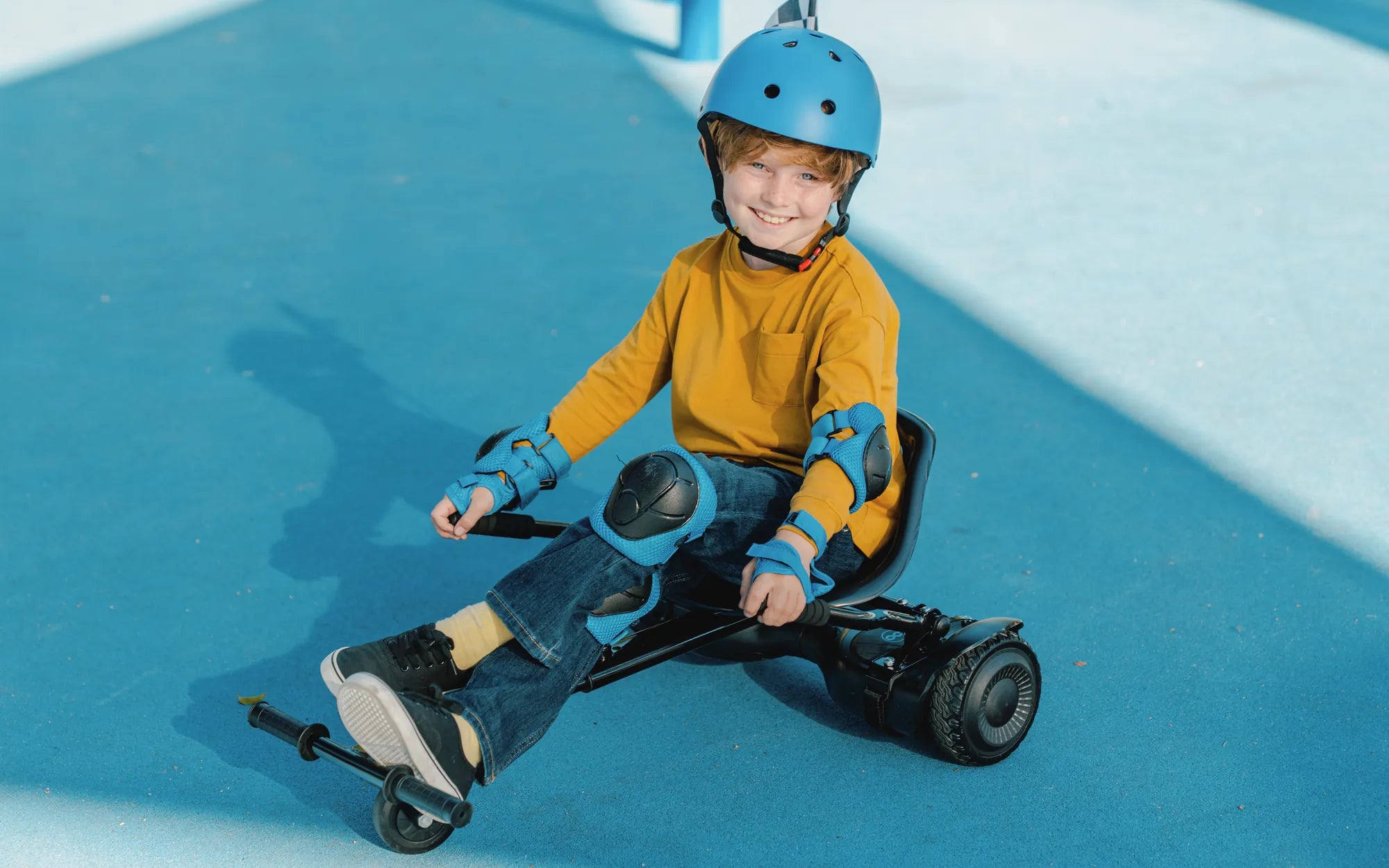
No matter the rider's age, protective gear is non-negotiable. A helmet, knee pads, elbow pads, and wrist guards can prevent serious injuries. Parents should ensure their child wears this gear every time they ride.
Teaching Kids to Ride Responsibly
Before letting your child ride solo, supervise their practice sessions. Teach them how to start, stop, and turn safely. Emphasize the importance of avoiding busy streets and uneven terrain.
Parental Supervision: How Much Is Enough?
For kids under 10 years old, close supervision is recommended. As they gain confidence and skill, you can gradually allow more independence. Always set clear rules about where and when they can ride.
Common Injuries and How to Avoid Them
Falls, collisions, and overuse injuries are common among hoverboard riders. To minimize risks, stick to smooth surfaces, avoid high speeds, and take breaks to prevent fatigue.
Choosing the Right Hoverboard for Your Child
Look for models with UL2272 certification, which ensures safety against fires and electrical hazards. Smaller, lightweight hoverboards are often better suited for younger riders.
Alternatives for Younger Kids
If your child is too young for a hoverboard, consider balance bikes or scooters to build their coordination and confidence first.
Ready to let your child experience the thrill of hoverboarding? By following these guidelines, you can ensure they ride safely and confidently. Whether they're 8 or 18, the right precautions make all the difference in enjoying this exciting gadget.
Hoverboard Info: Everything You Need to Know Before Riding
Hoverboard Battery 42V: The Ultimate Guide to Power and Performance