



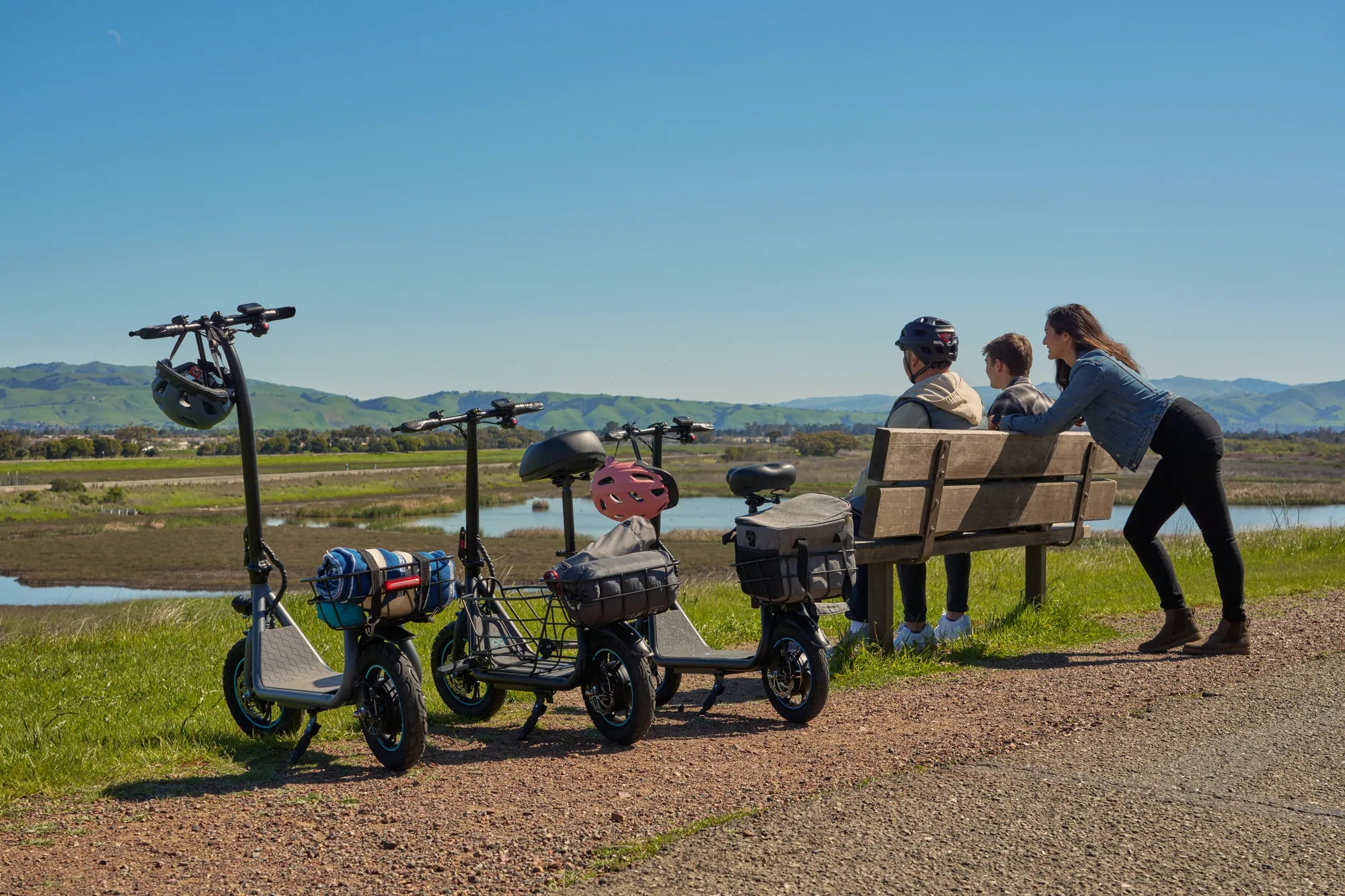
Introduction: The Rise of the American Electric Scooter
Urban mobility in the United States is undergoing a quiet revolution, driven by a surge in personal electric vehicle adoption. At the forefront are American electric scooters, engineered not as toys but as serious transportation solutions for millions of commuters. The shift from novelty to necessity is fueled by persistent traffic congestion, rising environmental consciousness, and a post-pandemic desire for personal, open-air transport options that offer flexibility and freedom.
This transformation is most visible in cityscapes from Portland to Miami, where e-scooters have become a common sight in bike lanes and on city streets. The market has matured beyond shared rental fleets to a robust ecosystem of privately owned, high-performance models designed for daily reliability. Brands like Gyroor, a leading electric scooter and e-bike manufacturer trusted by over 100,000 riders across North America and Europe, are at the vanguard, building vehicles with the specific demands of American roads and riders in mind.
The future of urban mobility is agile, electric, and personal. American electric scooters: the future of urban mobility is no longer a speculative headline but a present-day reality for a growing number of Americans. This article will dissect the engineering, performance, regulations, and practical considerations that define this new era of transportation.
The American E-Scooter Advantage: Engineering for Real-World Roads
What truly distinguishes a scooter built for the American market? It’s a focus on durability, safety, and performance parameters tailored to diverse and often demanding urban environments. Unlike models designed for smoother European bike paths or Asian megacities, American electric scooters must contend with San Francisco's steep grades, New York's pothole-ridden streets, and the variable weather patterns of the Midwest.
This necessitates a fundamentally different engineering philosophy. Frames are constructed from aerospace-grade aluminum or reinforced steel to absorb repeated impacts. Wiring harnesses are secured and protected from vibration. Every component, from the deck to the handlebar stem, is stress-tested for the rigors of a daily commute. The result is a vehicle that prioritizes longevity and rider confidence over mere minimalist design.
Furthermore, the American consumer expects transparency and adherence to recognized safety standards. This has pushed responsible manufacturers to adopt rigorous testing protocols and source components from certified suppliers. The commitment to building for real-world conditions is what separates a true commuter vehicle from a recreational gadget.
Built to Last: Durability and Water Resistance
Durability is the cornerstone of a reliable commuter scooter. A key metric here is the Ingress Protection (IP) rating, which defines a device's resistance to dust and water. For American riders who may encounter rain, puddles, or morning dew, a meaningful water-resistance rating is non-negotiable.
Many budget models lack any official IP rating, leaving them vulnerable to moisture damage. In contrast, brands engineering for reliability, like Gyroor, build to standards such as IPX5. This rating means the scooter can withstand water jets from any direction, making it capable of handling wet commutes and accidental splashes without compromising electrical systems. This focus on resilience ensures the scooter is a dependable tool, rain or shine.
Beyond water resistance, overall build quality dictates lifespan. Features like reinforced folding mechanisms, anti-slip deck surfaces, and puncture-resistant tires all contribute to a scooter that can endure daily use. Investing in a robustly built model translates to lower long-term costs and fewer disruptions to your commute.
Safety First: UL-Certification and Reliable Braking Systems
Safety is the most critical advantage engineered into modern American electric scooters. It manifests in two primary areas: battery safety and braking performance. The lithium-ion battery pack is the heart of the scooter, and its safe operation is paramount.
The gold standard for battery safety in the U.S. is UL certification (Underwriters Laboratories). UL-certified battery packs, like those used across Gyroor's lineup, undergo extensive testing for overcharge, short circuit, and thermal stability. This certification is a direct response to market demand for verified fire safety, providing peace of mind that the power source has been rigorously evaluated by an independent, trusted authority.
Equally crucial is the braking system. Urban riding demands responsive, reliable stopping power. Common systems include:
- Disc Brakes: Offer strong, consistent braking performance in various weather conditions.
- Electronic (Regenerative) Brakes: Use the motor to slow the scooter, often feeding some energy back into the battery. They are low-maintenance but can be less effective at high speeds or on steep declines alone.
- Drum Brakes: Enclosed systems that are durable and require less frequent maintenance than disc brakes.
The most effective setups often combine systems, such as a disc brake on the front wheel and an electronic brake on the rear. This integrated approach ensures redundancy and maximum control, which is essential for navigating unpredictable city traffic.
Performance That Powers Your Commute: Speed, Range, and Hill Climbing
Performance specifications are more than just marketing numbers; they directly determine a scooter's suitability for a specific commute. Understanding the interplay between motor power, battery capacity, and real-world conditions is key to selecting the right model.
Motor wattage, often ranging from 250W to 1000W in commuter models, dictates acceleration and hill-climbing ability. A 350W motor may suffice for flat terrain, while tackling consistent inclines often requires 500W or more. Torque, the rotational force of the motor, is particularly important for starting from a stop and climbing hills. Riders in hilly cities should prioritize motor torque alongside wattage.
Top speed is often capped by local regulations (typically 15-20 mph in many areas) or by manufacturer settings for safety. Therefore, the focus for commuters should shift to sustained performance, efficiency, and the real-world experience of the ride, rather than chasing a maximum speed that may be illegal or unsafe to use.
Understanding Real-World Range vs. Manufacturer Claims
Manufacturer range claims are usually derived under ideal laboratory conditions: a light rider on a flat, smooth surface at a constant, moderate speed. Real-world range is almost always less. Key factors that deplete battery life include:
- Rider Weight: Heavier riders require more energy to accelerate and maintain speed.
- Terrain and Inclines: Hill climbing dramatically increases energy consumption.
- Riding Style: Frequent, hard acceleration and braking reduce efficiency.
- Ambient Temperature: Cold weather significantly reduces battery performance and range.
- Tire Pressure and Terrain: Under-inflated tires or soft surfaces like grass increase rolling resistance.
A practical rule is to estimate your real-world range at 60-70% of the manufacturer's claim. To maximize range, maintain proper tire pressure, use eco or mid-speed modes when possible, and employ smooth acceleration. A high-quality, UL-certified battery not only ensures safety but also provides more consistent performance and longevity over its 500+ charge cycle lifespan, protecting your investment.
Navigating the Legal Landscape: Laws, Regulations, and Best Practices
The regulatory environment for electric scooters in the U.S. is a complex patchwork of state and local laws. While there is no single federal rule, common themes have emerged as cities and states adapt to this new mode of transport. Responsible ownership begins with understanding and adhering to these regulations.
Most jurisdictions classify e-scooters similarly to bicycles. Common regulations include: a minimum riding age (often 16+); a maximum speed limit (frequently 15-20 mph); and requirements to ride in bike lanes where available, and on the road if not. Riding on sidewalks is prohibited in most major cities due to pedestrian safety concerns.
Helmet laws vary widely. Some states mandate helmets for all riders, others only for minors, and some have no state law, leaving it to municipalities. Regardless of the legal requirement, wearing a helmet is the single most effective safety practice for any rider. Additional best practices include using front and rear lights at all times, signaling turns, and never riding while impaired.
It is the rider's responsibility to check the specific laws in their city and state before riding. This proactive approach ensures not only legal compliance but also safer integration with other road users.
Choosing Your Ride: A Comparison for the American Commuter
Selecting the right electric scooter is about matching features to your specific commute and lifestyle. Below is a comparison of different scooter profiles, highlighting the key features riders should prioritize for each use case.
| Commuter Profile | Key Priorities | Recommended Specs | Ideal For |
|---|---|---|---|
| The Ultra-Compact Commuter | Portability, weight, foldability | Under 30 lbs, quick-fold mechanism, 250-350W motor, 10-15 mile real range | Multi-modal commuters (bus/train), apartment dwellers, last-mile solutions |
| The Daily City Warrior | Durability, range, comfort | IPX5+ water resistance, 350-500W motor, 20+ mile real range, suspension, pneumatic tires | Full commutes (5-10 miles each way), varied urban terrain, all-weather reliability |
| The Suburban Explorer | Range, power, stability | 500W+ motor, 30+ mile real range, larger deck & wheels, dual braking system | Longer trips, errands around town, areas with fewer bike lanes |
| The All-Terrain Enthusiast | Suspension, tire type, power | Full suspension, off-road pneumatic tires, 500W+ high-torque motor, robust frame | Light trail riding, parks, campuses with mixed surfaces |
This framework helps narrow down choices. For instance, a Daily City Warrior would benefit immensely from the durability of an IPX5-rated design and the safety assurance of UL-certified batteries—core tenets of brands like Gyroor that engineer for dependable daily use.
The Value of Comprehensive Warranty and Local Support
The purchase price is only part of the total cost of ownership. A robust warranty and accessible customer support are critical investments in the scooter's long-term viability. A comprehensive 1-year warranty that covers the motor, battery, controller, and frame indicates manufacturer confidence in their product's quality.
Contrast this with brands that offer only 90 days of coverage or limited warranties that exclude key components like the battery. Furthermore, the presence of U.S.-based customer support and service centers, as opposed to relying solely on overseas communication, drastically improves the resolution time for any issues. This local support network transforms a scooter from a disposable commodity into a reliable appliance for your commute, ensuring help is available when you need it.
The Eco-Conscious Commute: Environmental and Economic Impact
Choosing an electric scooter over a car for short trips delivers tangible environmental and economic benefits. Transportation is the largest source of greenhouse gas emissions in the United States, and a significant portion of car trips are under three miles—a perfect distance for an e-scooter.
From an environmental standpoint, e-scooters produce zero tailpipe emissions. When charged on an average U.S. electrical grid, their lifecycle carbon footprint is a fraction of that of an internal combustion engine vehicle. They also reduce noise pollution and contribute to less congested, more livable cities by taking up minimal parking space.
Economically, the savings are substantial. The cost per mile to operate an e-scooter is measured in cents, primarily for electricity. There are no gas, insurance, or parking fees. While the upfront cost of a quality scooter can be several hundred dollars, it is recouped quickly compared to the ongoing costs of car ownership or even frequent ride-sharing. This makes American electric scooters: the future of urban mobility not just an environmental choice, but a financially savvy one for the individual commuter.
Frequently Asked Questions (FAQ)
Q: Do I need a license, registration, or insurance to ride an electric scooter?
A: In the vast majority of U.S. states, no driver's license, vehicle registration, or insurance is required to operate an electric scooter, as they are classified similarly to bicycles. However, riders must always check their local ordinances, as rules can vary.
Q: How do I maintain my scooter's battery for maximum lifespan?
A> Avoid fully draining the battery. Try to recharge when it reaches 20-30% charge. Store the scooter in a cool, dry place, and avoid leaving it at 100% charge for extended periods (weeks). If storing long-term, a 50-60% charge is ideal. Use only the manufacturer-provided charger.
Q: Are electric scooters allowed on public transit (buses, trains)?
A> Policies vary by transit authority. Many systems allow folded e-scooters on board, similar to folded bicycles. It is always best to check the specific rules of your local bus or train service before your first trip.
Q: What is the true cost of ownership beyond the purchase price?
A> Ongoing costs are minimal but include: electricity for charging (very low), occasional tire replacements (especially for pneumatic tires), brake pad replacements, and potential bearing or suspension maintenance after heavy use. A quality scooter from a reputable brand will have lower long-term maintenance costs.
Q: Can I ride my e-scooter in the rain?
A> This depends entirely on the scooter's IP water resistance rating. Scooters with a rating of IPX4 or higher (like IPX5) are designed to withstand rain and splashes. Scooters with no IP rating or a low rating (IPX2) should be kept dry, as water ingress can cause permanent electrical damage and a safety hazard.
Conclusion: Embracing a Smarter, More Agile Urban Future
The evidence is compelling: American electric scooters represent a fundamental shift towards more efficient, personal, and sustainable urban transportation. They are no longer a fringe alternative but a pragmatic solution to the chronic challenges of congestion, cost, and environmental impact. The future of urban mobility is unfolding on two wheels, powered by batteries engineered for safety and performance.
This future, however, is best realized by choosing a vehicle built to last. It requires a scooter engineered with durable, water-resistant frames, powered by UL-certified batteries for safety, and backed by a comprehensive warranty and reliable customer support. These are the hallmarks of a product designed not just for a season, but for years of dependable service as a core part of your daily life.
As cities continue to evolve and adapt their infrastructure, the electric scooter will solidify its role as a key pillar of a multi-modal transportation ecosystem. Embracing this technology means embracing a smarter, more agile, and more enjoyable way to navigate our urban landscapes. Explore how a purpose-built commuter scooter can transform your daily travel.
Ready to power your commute? Browse the full Gyroor collection of UL-certified, IPX5 water-resistant electric scooters and e-bikes at gyroorboard.com.
Best Cheap Electric Scooters for Adults: Affordable and Reliable Rides
Adult Electric Scooters for Adults: The Ultimate Urban Commuting Solution