



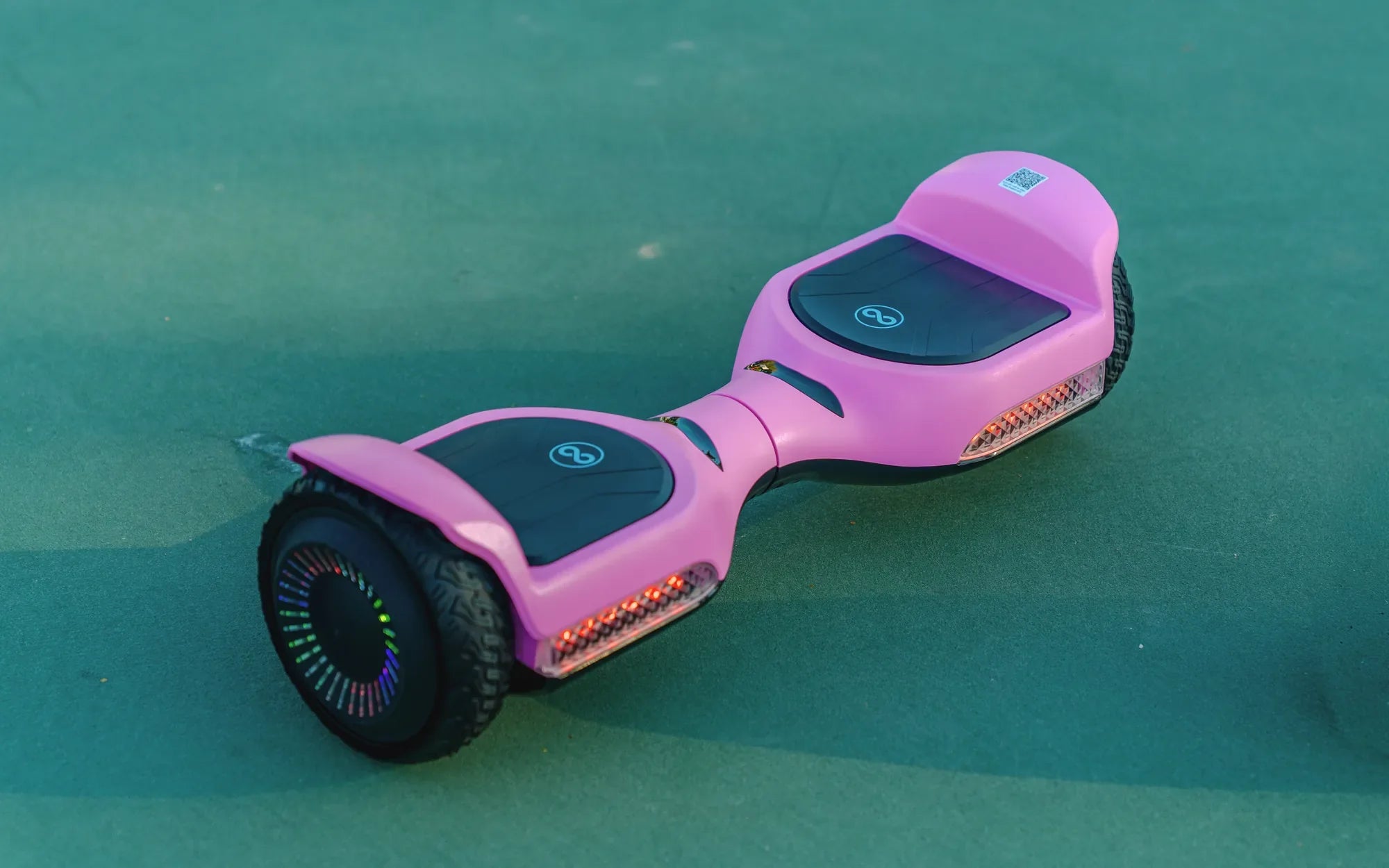
Hoverboards have taken the world by storm, offering a fun and futuristic way to get around. But have you ever wondered, are all hoverboards electric? The short answer is yes—modern hoverboards rely entirely on electric power. However, the technology behind them is more complex than you might think. Let’s explore how these devices work, their safety features, and what the future holds for this innovative mode of transportation.
How Do Electric Hoverboards Work?
Electric hoverboards are powered by rechargeable lithium-ion batteries, which provide the energy needed to spin the wheels. These devices use gyroscopic sensors to detect shifts in the rider’s weight, allowing for intuitive control. When you lean forward, the sensors signal the motors to accelerate, and when you lean back, they slow down or reverse. This seamless interaction between human movement and electric power makes hoverboards both thrilling and easy to use.
The Role of Electric Motors in Hoverboards
Every hoverboard has at least two electric motors—one for each wheel. These motors are brushless, meaning they are more efficient and require less maintenance than traditional brushed motors. The motors work in tandem with the gyroscopic sensors to ensure smooth movement. Without electricity, hoverboards simply wouldn’t function, as there’s no mechanical alternative to power them.
Battery Technology and Charging
The heart of any hoverboard is its battery. Most models use lithium-ion batteries due to their high energy density and long lifespan. A full charge typically takes 2-3 hours and provides anywhere from 1 to 2 hours of continuous use, depending on the model and terrain. Some advanced hoverboards even feature fast-charging capabilities, reducing downtime between rides.
Safety Features in Electric Hoverboards
Early hoverboards faced criticism due to safety concerns, particularly with overheating batteries. Modern models, however, incorporate multiple safety features, including:
- Overcharge protection
- Temperature control systems
- Non-slip foot pads
- LED lights for visibility
These advancements have made hoverboards safer and more reliable than ever before.
The Future of Electric Hoverboards
As battery technology continues to improve, we can expect hoverboards to become even more efficient and powerful. Innovations like self-balancing algorithms, longer battery life, and off-road capabilities are already on the horizon. Some prototypes even explore the possibility of true levitation, though these are still in experimental stages.
So, are all hoverboards electric? Absolutely—and their reliance on electricity is what makes them so versatile and exciting. Whether you’re a casual rider or a tech enthusiast, there’s no denying the appeal of gliding effortlessly on an electric hoverboard. The next time you see someone zipping by on one, you’ll know exactly how these futuristic gadgets work!
NYC Bans Hoverboards: What It Means for Urban Commuters and the Future of Personal Mobility
8 Inch Bluetooth Hoverboard for Sale: The Ultimate Guide to Buying the Perfect Ride