



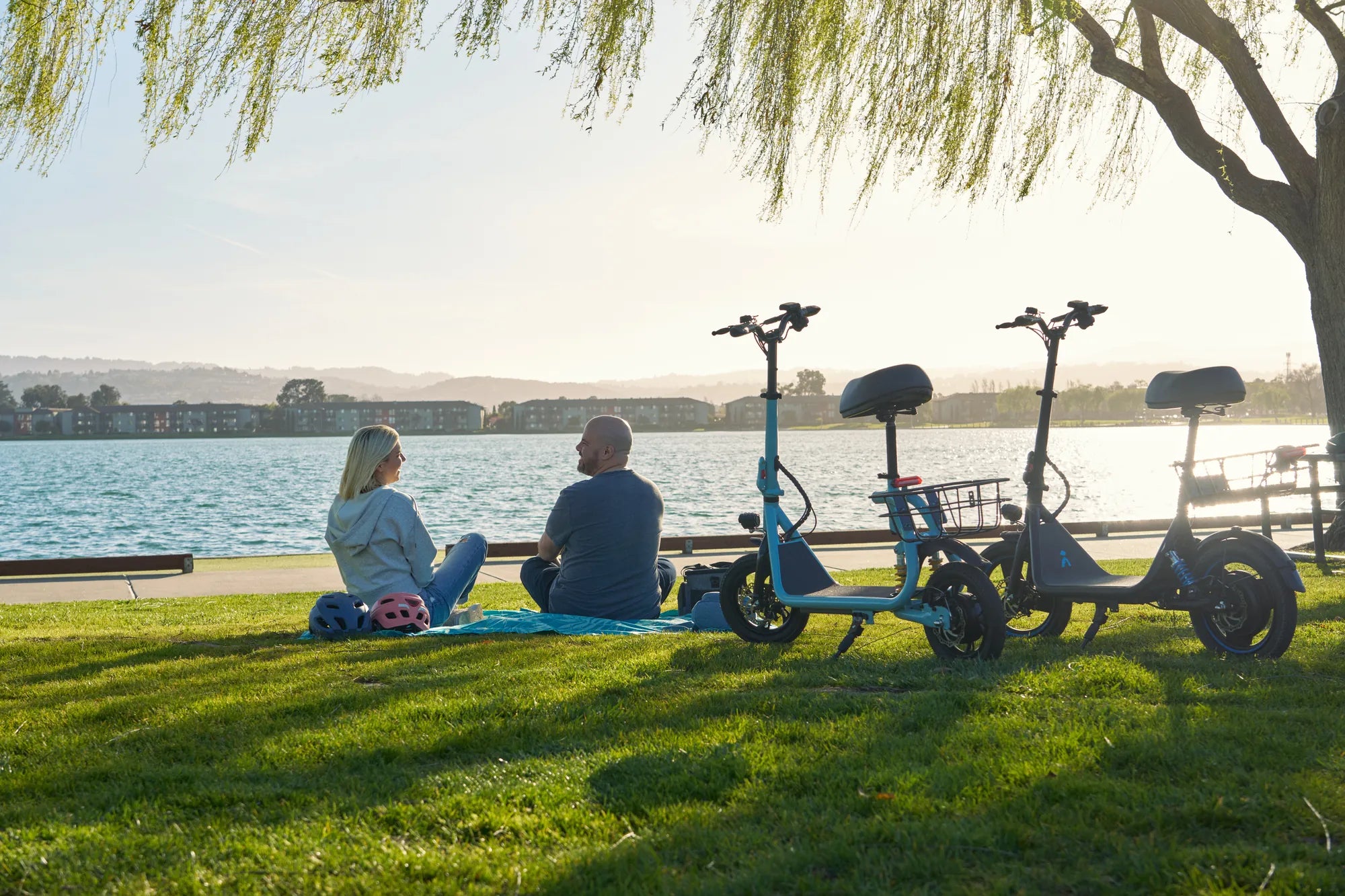
Electric bikes have surged in popularity, offering an eco-friendly and efficient way to commute or explore. But one question lingers for many riders: are electric bikes allowed on bike paths? The answer isn’t always straightforward, as regulations vary by location, bike type, and local ordinances. Whether you’re a seasoned e-bike enthusiast or a curious newcomer, understanding the rules can save you from fines and keep your rides hassle-free.
Understanding Electric Bike Classifications
Before diving into where you can ride, it’s crucial to know how electric bikes are classified. Most regions categorize e-bikes into three main classes:
- Class 1: Pedal-assist only, with no throttle, and a maximum speed of 20 mph.
- Class 2: Throttle-assisted, with a maximum speed of 20 mph.
- Class 3: Pedal-assist only, with a maximum speed of 28 mph.
These classifications often determine where e-bikes are permitted. For example, Class 1 and 2 e-bikes are more likely to be allowed on bike paths, while Class 3 may face restrictions.
Local Laws and Regulations
The legality of riding electric bikes on bike paths largely depends on local laws. Some cities and states fully embrace e-bikes, while others impose strict limitations. Here’s what to consider:
- State Laws: Many states align with the three-class system, but some have unique rules. Always check your state’s Department of Transportation website.
- Municipal Ordinances: Even if state laws permit e-bikes, cities or counties may override them. For instance, urban areas might restrict e-bikes on crowded paths.
- Federal Lands: National parks and forests often have their own rules. Some allow Class 1 e-bikes on trails, while others ban them entirely.
Bike Paths vs. Multi-Use Trails
Not all paths are created equal. Bike paths, multi-use trails, and sidewalks each have different rules:
- Bike Paths: Dedicated cycling routes may allow e-bikes, especially if they’re Class 1 or 2.
- Multi-Use Trails: Shared with pedestrians and horses, these trails often have stricter rules to ensure safety.
- Sidewalks: Most jurisdictions prohibit e-bikes on sidewalks due to pedestrian safety concerns.
Safety Considerations
Even if e-bikes are allowed, responsible riding is key. Follow these tips to stay safe and compliant:
- Respect Speed Limits: E-bikes can go faster than traditional bikes, so adjust your speed to match the environment.
- Yield to Pedestrians: Always give right-of-way to walkers and slower traffic.
- Use Lights and Signals: Visibility is critical, especially in low-light conditions.
Advocacy and Future Changes
As e-bike popularity grows, so does advocacy for clearer regulations. Organizations are pushing for standardized laws to make riding easier and safer. Stay informed by joining local cycling groups or following legislative updates.
Ready to hit the bike path? Knowing the rules ensures a smooth ride—whether you’re cruising on a Class 1 e-bike or navigating local trails. Stay informed, ride responsibly, and enjoy the freedom of electric biking!
Blue Razor Electric Scooter with Seat: The Ultimate Urban Commuter
Pure Electric Scooter Top Speed: How Fast Can You Really Go?