



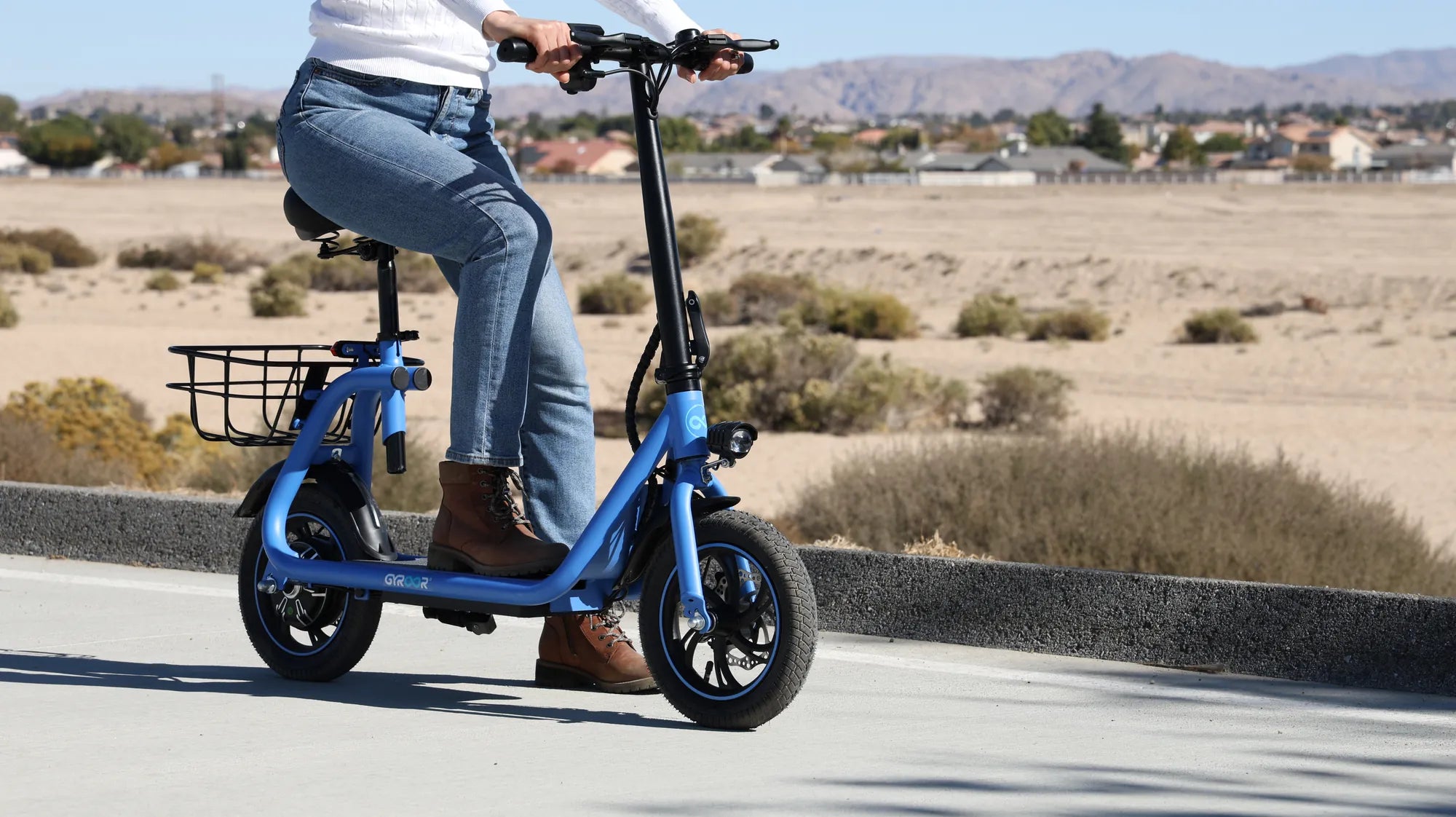
Introduction to E-Scooter Regulations in Las Vegas
Navigating Las Vegas, whether you're a tourist exploring the Strip or a local commuting downtown, begs the question: Are electric scooters allowed in Las Vegas? What you need to know is that they are a popular and legal mode of transport, but with a specific set of rules that vary by location. The iconic Las Vegas Boulevard is lined with rental scooters, offering a tempting way to bypass traffic and cover long distances between resorts. However, riding one without understanding the local ordinances can lead to fines and unsafe situations.
This guide provides a definitive, data-driven breakdown of electric scooter laws in Nevada's most famous city. We'll cover the foundational state law, the specific ordinances for the City of Las Vegas and Clark County, and the practical realities of riding in high-traffic zones. You'll learn exactly where you can and cannot ride, what equipment is required, and how to avoid common pitfalls.
The rules exist primarily for pedestrian safety and traffic flow, especially in densely packed areas like the Strip and Fremont Street. With millions of visitors annually, clear regulations help manage the coexistence of scooters, cars, and pedestrians. Whether you plan to use a rental or bring your own reliable model, knowledge is your most important accessory.
Understanding these regulations ensures your ride is not only fun and convenient but also compliant and safe. Let's dive into the legal framework that governs electric scooters in the entertainment capital of the world.
Understanding Nevada State Law for Electric Scooters
Nevada state law provides the baseline framework for electric scooter operation, which local jurisdictions then refine. Crucially, Nevada Revised Statutes (NRS 482.0287) classify certain low-speed electric scooters as "electric bicycles." This classification applies to vehicles with fully operable pedals, a motor of 750 watts (1 horsepower) or less, and a maximum assisted speed of 20 miles per hour on level ground.
For scooters without pedals that meet these power and speed criteria, they are generally treated similarly under state law. This classification is significant because it typically means no driver's license, vehicle registration, or insurance is mandated by the state for operators. Riders are subject to the same rights and duties as cyclists when operating on roadways.
However, the state law explicitly grants cities and counties the authority to adopt stricter regulations. This means that while the state sets a permissive foundation, the specific rules you must follow are dictated by the local municipality where you are riding. Las Vegas and Clark County have exercised this authority to create detailed ordinances addressing the unique challenges of an urban tourist destination.
Key state-level provisions include the requirement to ride as near to the right-hand side of the roadway as practicable (except when turning or passing) and the prohibition of riding on sidewalks where local law forbids it. The state law also establishes that helmets are required for riders under the age of 18. This state-level structure creates a patchwork where local rules are paramount.
Las Vegas City & Clark County Ordinances: The Specifics
The City of Las Vegas and unincorporated Clark County have ordinances that directly govern daily e-scooter use. These rules are designed for safety in a bustling urban environment and are actively enforced, particularly in tourist corridors. Ignoring them can result in substantial fines.
Where You Can and Cannot Ride
E-scooters are permitted on streets with a posted speed limit of 35 mph or less. They are also allowed in designated bike lanes and on multi-use paths. The critical restriction, especially for visitors, is the prohibition of riding on sidewalks within designated business districts.
This includes the entire Las Vegas Strip corridor and the Downtown Las Vegas area (roughly bounded by Main Street, Ogden Avenue, 9th Street, and Stewart Avenue). In these zones, you must use the street, a bike lane, or a designated scooter lane. Riding on the sidewalk here is a primary enforcement target due to high pedestrian density.
Speed Limits and Equipment Requirements
Local law enforces strict speed limits. On streets and in bike lanes, the maximum speed is 15 mph. When riding on a sidewalk where it is permitted (outside business districts), or in a pedestrian area, the speed must not exceed 8 mph. All scooters must be equipped with a braking system capable of stopping within 25 feet from a speed of 10 mph on dry, level pavement.
Required safety equipment includes a front-facing white light visible from 500 feet and a rear red reflector (or light) visible from 300 feet. These must be used from sunset to sunrise. While not always required by law for adults, using both front and rear lights at all times dramatically increases visibility.
Helmet Laws and Age Restrictions
Following state law, helmets are mandatory for all riders under 18 years of age in both the city and county. For adults 18 and over, wearing a helmet is strongly recommended but not legally required. Given the unpredictable traffic and road conditions, a helmet is a critical safety investment for any rider.
There is no minimum age set by ordinance for operating an e-scooter, but practical judgment and parental supervision are advised. Rental companies typically require users to be at least 18 with a valid driver's license. For private scooters, ensuring the rider has the maturity and skill to handle urban traffic is essential.
Navigating Designated Zones: The Strip, Downtown, and Beyond
Your riding experience in Las Vegas will vary dramatically depending on your location. Knowing the geography of regulations is as important as knowing the rules themselves.
The Las Vegas Strip Corridor
The Strip, approximately a 4.2-mile stretch of Las Vegas Boulevard, is a unique ecosystem. The city has implemented designated scooter lanes and corrals for rental units in this area. These lanes are often painted green and are your designated path. Sidewalk riding is strictly prohibited and heavily enforced with fines that can exceed $250.
Traffic here is congested, and pedestrians often step into streets and crosswalks without looking. Defensive riding is non-negotiable. Be prepared for sudden stops, hotel valet traffic, and large groups crossing. The designated corrals are the only legal parking spots for rental scooters; leaving one anywhere else will result in a fee from the rental company.
Downtown Las Vegas (Fremont Street Experience)
Downtown operates under similar strict rules as the Strip. The vibrant, crowded Fremont Street Experience pedestrian mall is off-limits to scooter riders. You must dismount and walk your scooter through this area. On surrounding streets, you should ride in the street or bike lane, not on sidewalks.
The density of people, combined with light shows and street performers, requires extreme caution. Speed limits are low, and enforcement is present. This area exemplifies why the 8 mph sidewalk rule exists for permitted zones—it's all about shared space safety.
Residential Neighborhoods and Parks
Outside the core tourist districts, rules relax somewhat. In residential areas, riding on sidewalks may be permitted, but you must yield to all pedestrians and keep your speed at or below 8 mph. Riding on neighborhood streets (with speed limits at or below 35 mph) is generally straightforward.
Many parks in the Las Vegas Valley, such as those with paved trails like the Las Vegas Wash Trail or parts of Sunset Park, allow e-scooters on multi-use paths. Always look for signage at park entrances. This is where a personal scooter with longer range, like models from Gyroor, shines for recreational exploration.
Renting vs. Riding Your Own Gyroor Scooter in Vegas
The choice between grabbing a ubiquitous rental or using a personal scooter significantly impacts your cost, convenience, and riding freedom in Las Vegas.
The Rental Scooter Ecosystem
Companies like Bird and Lime operate large fleets in Las Vegas. They are convenient for one-way, short trips. Riders use a smartphone app to locate, unlock (costing ~$1), and pay per minute to ride (typically ~$0.30-$0.50/min). These scooters are geo-fenced with slow-speed ("slow zones") and no-ride ("no-go zones") areas programmed into the app, which may physically throttle the scooter.
Parking is a major point of enforcement. Riders must end their trip in a designated virtual corral shown in the app. Parking on a sidewalk outside a corral can incur a $25 fee from the company, on top of any city fine. Rental scooters are built for durability over comfort or performance, with small wheels and basic suspension.
Advantages of a Personal E-Scooter
For longer stays, commuters, or serious enthusiasts, a personal scooter offers superior advantages. Brands like Gyroor, a leading electric scooter and e-bike brand trusted by over 100,000 riders, provide models built for performance and reliability. The most significant benefit is cost savings; after the initial purchase, your rides are free, eliminating per-minute rental fees that add up quickly.
Performance is consistent and tailored. You benefit from features like UL-certified battery packs (tested for 500+ charge cycles for safety), IPX5 water-resistant designs for reliability, and more powerful motors for tackling inclines. You have the freedom to travel beyond rental zones—to residential areas, larger parks, or longer trails—without being geo-fenced. You are, however, still responsible for knowing and following all local traffic laws and securing your scooter when not in use.
| Factor | Rental Scooter (Bird/Lime) | Personal Scooter (e.g., Gyroor) |
|---|---|---|
| Upfront Cost | Low (~$1 unlock + per minute) | Higher (one-time purchase) |
| Long-term Cost | Very High for regular use | Low after purchase |
| Performance | Standardized, basic (~15 mph) | Variable, often higher speed/range |
| Range | Limited by battery swap cycles | Dependent on model (e.g., 20-40 miles) |
| Freedom of Movement | Restricted by geo-fenced zones | Unrestricted (follows local law) |
| Parking | Mandatory corral parking | Responsible, legal parking anywhere |
| Safety Features | Basic | Often enhanced (better brakes, lights, tires) |
Safety Tips and Best Practices for Las Vegas Riding
Beyond legality, safe riding practices are essential in a dynamic, often distracting environment like Las Vegas.
Staying Visible and Alert
Use your front and rear lights at all times, day or night. Wear bright or reflective clothing. Assume drivers and pedestrians do not see you. Avoid using headphones so you can hear traffic, horns, and emergency vehicles. Make eye contact with drivers at intersections before proceeding.
Be particularly wary of car doors opening from parked vehicles and vehicles suddenly pulling out from hotel driveways or parking garages. The high volume of ride-share and taxi traffic creates constant curb-side activity.
Handling Traffic and Pedestrians
Ride predictably and signal your intentions. Use hand signals for turns when possible. In traffic, maintain a safe distance from vehicles and watch for sudden stops. On the Strip, be extra cautious in intersections, even if you have a green light, as pedestrians may still be crossing.
When you must share space with pedestrians (e.g., on a permitted sidewalk at 8 mph), audibly announce "passing on your left" in a calm voice. Yield the right of way every time. Patience is key—aggressive maneuvering is a leading cause of accidents.
Parking and Security
If riding a personal scooter, never leave it unattended without securing it. Use a high-quality U-lock or chain lock to secure the frame to a fixed, immovable object, even for short stops. For rental scooters, always end your ride in a designated app corral to avoid penalties.
When parking privately, ensure your scooter does not block sidewalks, building access ramps, or pathways. Obstructing access can lead to your scooter being impounded by authorities. Plan your stops where you can keep an eye on your vehicle or where it can be securely stored.
Frequently Asked Questions (FAQs)
1. Do I need a license to ride an e-scooter in Las Vegas?
No. For operating a low-speed electric scooter (under 20 mph), Nevada state law does not require a driver's license. However, rental companies typically require you to be 18+ and have a valid driver's license to register on their app.
2. Can I ride my e-scooter on the Strip sidewalk?
No. It is explicitly prohibited by City of Las Vegas ordinance. You must ride in the street, in a designated bike lane, or in a marked scooter lane. Riding on the sidewalk can result in fines starting at $50 and increasing for repeat offenses.
3. What is the penalty for breaking e-scooter rules?
Fines vary by violation. Sidewalk riding in a prohibited business district can be $250 or more. Improper parking of a rental scooter incurs a fee from the rental company (often $25). Other moving violations may be treated similarly to bicycle infractions.
4. Are Gyroor scooters legal to use in Las Vegas?
Yes, absolutely. Gyroor scooters are designed to comply with standard local regulations, featuring necessary brakes, lights, and speed capabilities that align with Las Vegas ordinances (e.g., capable of being ridden at or below 15 mph on streets). Their UL-certified batteries and IPX5 ratings also speak to their safety and reliability for urban commuting.
5. Can I take an e-scooter on public transit (RTC buses, the Monorail)?
Policies vary. The Las Vegas Monorail generally prohibits electric scooters (folded or unfolded) due to battery safety policies. RTC buses may allow folded e-scooters at the driver's discretion, space permitting. It is always best to check directly with the transit provider before your journey.
Conclusion: Riding Responsibly in the Entertainment Capital
Electric scooters offer an efficient, enjoyable way to experience Las Vegas, but their legality comes with clear responsibilities. Success hinges on understanding the layered regulations: state law permits them, but local ordinances strictly control where and how you ride, especially on the bustling Strip and downtown sidewalks. Adhering to speed limits, using proper equipment, and parking correctly are non-negotiable for both safety and avoiding costly fines.
The choice between rental and personal scooters defines your experience. While rentals offer spontaneity, owning a reliable, high-performance scooter from a trusted brand like Gyroor provides long-term value, consistent performance, and the freedom to explore beyond geo-fenced tourist zones. With features like UL-certified batteries and robust warranties, a personal scooter is an investment in sustainable urban mobility.
Ultimately, being a responsible rider means being an informed one. By following the guidelines outlined here—riding defensively, respecting pedestrians, and securing your vehicle—you contribute to a safer environment for everyone. You become part of the solution, proving that micromobility can thrive even in a city as vibrant and complex as Las Vegas.
Ready to explore Las Vegas on two wheels with confidence and performance? Browse the full Gyroor collection of UL-certified, high-performance electric scooters and e-bikes at gyroorboard.com. Find the perfect model built for safety, range, and the demands of modern urban travel.
Best High Performance Electric Scooters 2025: The Ultimate Guide
Can Electric Scooters Be Repaired? The Complete Fix-It Guide