

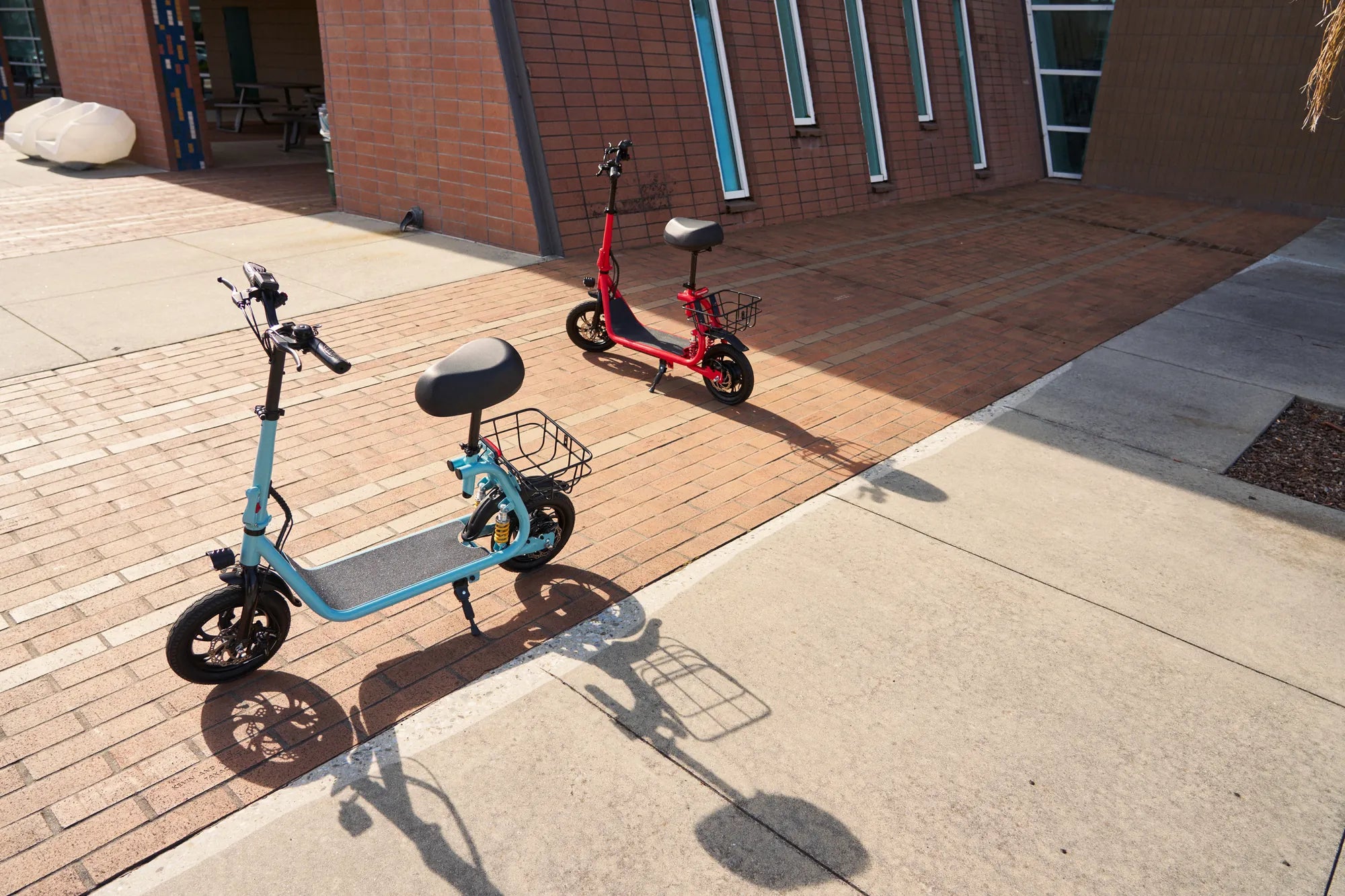
Electric scooters have surged in popularity as a convenient and eco-friendly way to get around, but their presence on college campuses sparks debate. Are they a practical solution for students or a safety hazard? Let’s dive into the rules, benefits, and potential drawbacks of allowing electric scooters in academic environments.
The Rise of Electric Scooters on Campus
In recent years, electric scooters have become a common sight on many college campuses. Their compact design, affordability, and ease of use make them an attractive option for students navigating large campuses. Unlike bicycles, e-scooters require minimal physical effort, making them ideal for those rushing between classes or late-night study sessions.
Are Electric Scooters Allowed? Campus Policies Vary
There is no universal answer to whether electric scooters are permitted on college campuses. Policies differ widely depending on the institution. Some schools fully embrace e-scooters, even partnering with rental companies to provide shared fleets. Others impose strict restrictions or outright bans due to safety concerns.
Common Rules and Restrictions
Many campuses that allow electric scooters enforce specific rules to ensure safety. These may include:
- Speed limits (often capped at 15 mph)
- Designated parking areas to prevent clutter
- Helmet requirements for riders
- Prohibitions on riding in crowded pedestrian zones
Benefits of Electric Scooters for Students
When permitted, electric scooters offer several advantages for college students:
- Convenience: Scooters provide a quick way to traverse large campuses without relying on crowded shuttles or long walks.
- Cost-Effective: Compared to cars or rideshares, e-scooters are a budget-friendly transportation option.
- Eco-Friendly: They produce zero emissions, aligning with sustainability goals many universities promote.
Safety Concerns and Challenges
Despite their benefits, electric scooters pose risks that campuses must address. Common concerns include:
- Accidents: Inexperienced riders or reckless behavior can lead to collisions with pedestrians or vehicles.
- Clutter: Improperly parked scooters can block walkways or building entrances.
- Maintenance Issues: Poorly maintained scooters may malfunction, increasing accident risks.
How Campuses Are Adapting
To balance convenience and safety, some colleges are implementing innovative solutions:
- Creating dedicated scooter lanes to separate riders from pedestrians.
- Installing charging stations and designated parking zones.
- Offering safety workshops to educate riders on proper usage.
The Future of Electric Scooters in Higher Education
As technology evolves, so will campus transportation policies. Universities may adopt smarter regulations, such as geofencing to control scooter speeds in high-traffic areas or integrating e-scooters with campus transit apps.
Electric scooters are reshaping how students move around campuses, but their future depends on finding the right balance between accessibility and safety. Whether you’re a student eager to zip to class or an administrator crafting policies, understanding the debate is key to making informed decisions.
Best Electric Scooters in DC: Top Picks for Urban Commuters
E Scooter Foldable Electric: The Ultimate Urban Commuting Solution