



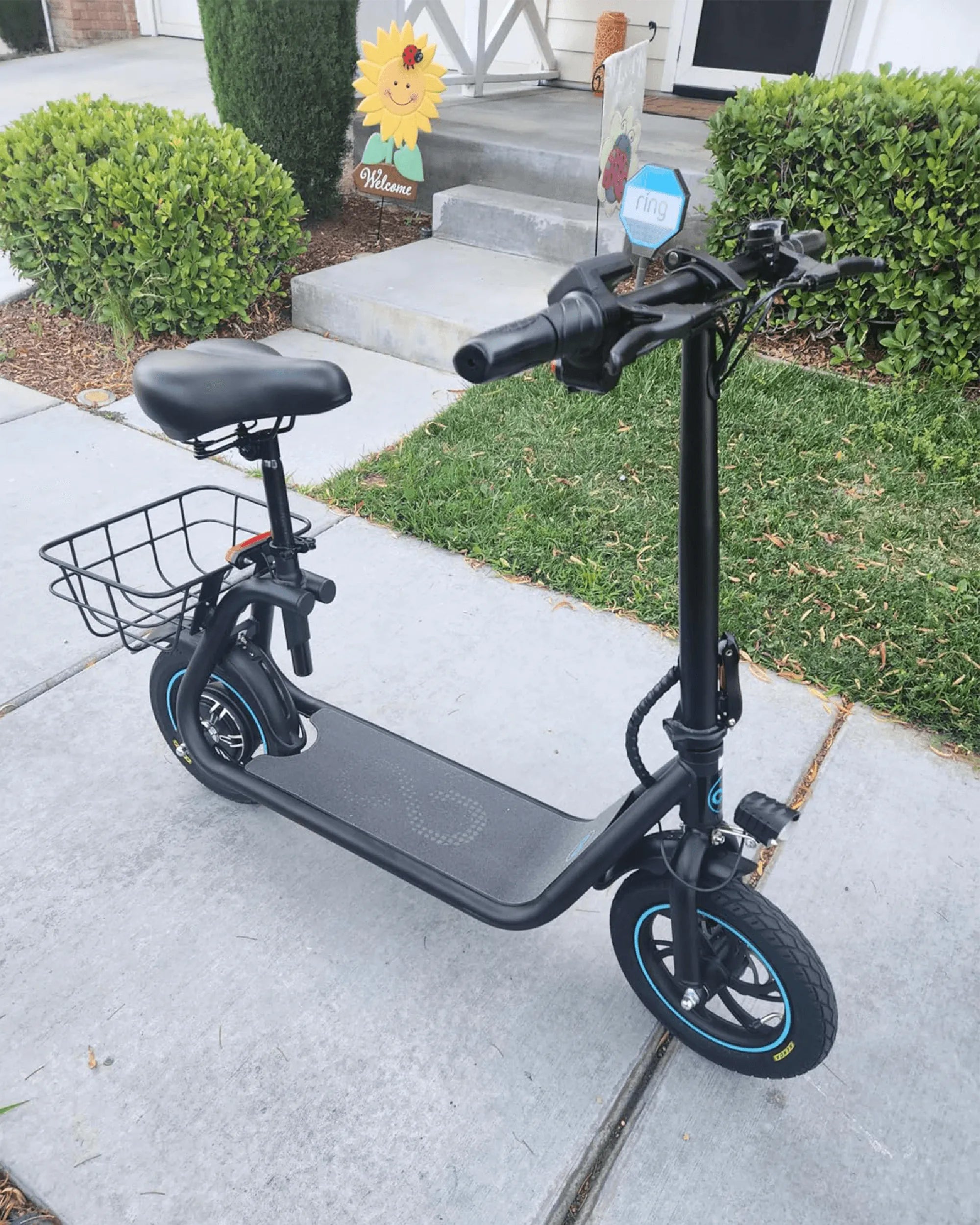
Introduction: Navigating the Patchwork of E-Scooter Regulations
A common and frustrating question for riders is, "Are electric scooters banned where I live?" The answer is almost never simple. The legal landscape for electric scooters is a complex, often contradictory mosaic of regulations that vary not just by country or state, but frequently from one city block to the next.
This confusion stems from the rapid rise of micromobility, which has outpaced the creation of clear, uniform laws. For the responsible rider, understanding this layered legal framework is not optional—it's essential to avoid fines, impoundment, and accidents. This article will demystify the regulations, providing a clear roadmap for legal and safe riding.
It's crucial to understand that manufacturers like Gyroor design vehicles to meet key safety and performance standards, but the ultimate responsibility for legal operation rests with the rider. Knowledge of local ordinances is your most important accessory.
We will explore the federal, state, and local layers of law, identify common ban zones, detail rider requirements, and provide actionable steps to ensure you're always on the right side of the law. The question "Are electric scooters banned?" requires a nuanced, location-specific answer.
The Legal Framework: Federal, State, and Local Layers
Understanding electric scooter legality requires viewing it through three distinct legal lenses: federal, state, and local. Each layer governs a different aspect of your ride, from the scooter's construction to where you can operate it.
At the federal level in the United States, regulations focus primarily on product safety and import standards. The Consumer Product Safety Commission (CPSC) oversees general safety, but the most critical benchmark is UL certification for lithium-ion batteries.
Brands that prioritize compliance, like Gyroor, ensure their battery packs are UL-certified, having undergone rigorous testing for over 500 charge cycles. This federal-level safety foundation is non-negotiable for reputable manufacturers but does not dictate where you can ride.
The state level is where electric scooters are formally defined as a vehicle class. Most states have passed legislation classifying "electric scooters" or "low-speed electric bicycles" separately from mopeds or motorcycles. These laws typically set baseline rules on age, helmet use, and where scooters may operate (e.g., road vs. sidewalk).
However, the most granular and impactful control exists at the local level. Cities, counties, and municipalities have the authority to enact stricter regulations. They can ban scooters entirely, restrict them to certain areas, implement speed limits on specific paths, or create permitting systems for shared fleets. Always check your city's municipal code.
Where Are Electric Scooters Typically Banned or Restricted?
Bans and restrictions are rarely blanket prohibitions. Instead, they are often situational, applying to specific locations or contexts. Recognizing these common no-go zones can help you avoid legal trouble and ride more respectfully within your community.
On Sidewalks and Pedestrian Areas
The most frequent restriction is a ban on sidewalk riding, especially in dense urban cores and business districts. The primary reason is pedestrian safety. A scooter traveling at 15-20 mph poses a significant risk to walkers.
Many cities explicitly prohibit sidewalk riding downtown but may allow it in residential areas or on streets with high-speed traffic. Some ordinances permit sidewalk riding if the scooter is operated at walking speed (typically 6-8 mph). When in doubt, assume sidewalks are for pedestrians.
In Parks, on Beaches, and College Campuses
Many public parks, beach boardwalks, and university campuses have specific ordinances prohibiting all motorized vehicles to preserve tranquility, protect pedestrians, and maintain the area's character. These rules often apply to both shared and privately owned scooters.
Always look for posted signage at park entrances or beach access points. College campuses may have their own internal traffic laws enforced by campus police. Riding in these areas without explicit permission can result in swift penalties.
On Highways and Limited-Access Roads
Electric scooters are almost universally banned from interstate highways, freeways, and other limited-access roads with high speed limits. This is a fundamental safety issue, as scooters cannot maintain the minimum speed required on these roadways.
Jurisdictions clearly define which roadways are off-limits. Riding on a highway is extremely dangerous and will almost certainly lead to a citation and immediate impoundment of your vehicle.
Cities with Notable Bans or Strict Regulations
The regulatory environment is fluid, but several cities are known for their strict stances. San Francisco famously enacted a strict permit system for shared scooters, temporarily banning unpermitted fleets. New York City's laws evolved from a ban to legalization with specific requirements for private scooters under 20 mph.
Smaller towns, particularly those with significant tourist foot traffic or historic districts, often enact outright bans to manage congestion. It is vital to research your specific destination, as laws can change rapidly.
Key Legal Requirements for Legal Riding (Even Where Allowed)
Even in areas where electric scooters are legal, riders must adhere to a set of common requirements. Ignoring these rules can lead to fines and make your scooter effectively "banned" for you due to non-compliance.
Age and Licensing Mandates
Most states and cities impose a minimum age requirement, commonly 16 years old. Some areas require a valid driver's license, learner's permit, or state ID, while others have no licensing mandate for lower-speed scooters.
This is a primary area of variance. For example, California requires riders to be at least 16 and possess a driver's license or permit. Always verify the age and licensing rules in your jurisdiction before allowing a younger rider to operate a scooter on public roads.
Helmet Laws and Safety Gear
Helmet laws are frequently based on the rider's age. Laws requiring helmets for all riders are less common but do exist in some municipalities. Many jurisdictions mandate helmets for riders under 18.
Safety-focused brands like Gyroor strongly advocate for helmet use regardless of the legal minimum. A helmet is the single most effective piece of safety gear. Consider adding knee and elbow pads, especially for new riders or those traveling at higher speeds.
Speed Limits and Power Restrictions
Local laws often impose speed limits for electric scooters on public roads, bike lanes, and paths. Common limits are 15 mph or 20 mph. Some jurisdictions also cap motor wattage, typically at 750W, to classify the vehicle as a low-speed device.
Many modern scooters, including Gyroor models, feature selectable speed modes (e.g., Eco, Normal, Sport). Using a lower speed mode in urban areas or bike lanes is a practical way to ensure compliance and enhance safety around pedestrians and other vehicles.
Rules of the Road: Lights, Signals, and DUI
For legal night riding, most areas require a front white headlight and a rear red reflector or brake light. Some mandate a functioning bell or audible signal. These are basic safety features found on compliant models.
Electric scooters are generally subject to the same traffic laws as bicycles. This means stopping at stop signs and red lights, signaling turns, and riding in the direction of traffic. Crucially, riding under the influence of alcohol or drugs (DUI) applies to scooters just as it does to cars, with severe legal consequences.
Data & Comparison: Shared vs. Private Scooter Regulations
The regulatory burden often differs significantly between rentable, app-based shared scooters and privately owned models. Understanding this distinction is key to grasping the local political and legal dynamics surrounding micromobility.
Shared scooters, deployed by companies, are highly visible and have drawn regulatory scrutiny. Cities often control them through strict permitting, caps on fleet numbers, and revenue-sharing agreements. Private scooter owners are subject to the general vehicle laws but avoid these specific fleet regulations.
The table below outlines the common regulatory differences:
| Regulatory Aspect | Shared (Rental) Scooters | Private Scooters (e.g., Gyroor) |
|---|---|---|
| Geofencing & Parking | Strictly enforced via GPS; riders fined for parking outside designated "drop zones." | No app-based restrictions; rider must obey general parking and obstruction laws. |
| Permitting/Licensing | Operator company must obtain a costly city permit to deploy fleet. | No fleet permit required; rider must follow individual vehicle laws. |
| Operating Hours | Often restricted (e.g., no riding after 9 PM) via app functionality. | Generally unlimited, subject to local curfews or park closure laws. |
| Areas of Operation | Service area can be highly restricted by city contract or company geofence. | Can be ridden anywhere local vehicle laws allow, offering greater freedom. |
| Liability & Insurance | Covered by operator's commercial insurance during rental period. | Rider's personal responsibility; homeowner/renter insurance may offer some coverage. |
This comparison reveals a crucial point: private scooter owners often enjoy more geographic freedom but assume greater personal responsibility for knowing and following all applicable laws. The convenience of a shared scooter comes with built-in, app-enforced restrictions.
How to Stay Informed and Ride Responsibly
Proactive research and responsible habits are the hallmarks of a legal e-scooter rider. You cannot rely on universal rules, so you must develop a process for verifying local regulations wherever you plan to ride.
Checking Your Local Ordinances
Your first stop should be your city or county's official website. Search for the municipal code and look for chapters on "vehicles," "traffic," or "motorized scooters." You can also search the site directly for "electric scooter" or "stand-up electric scooter."
Contact your local Department of Transportation or Public Works. They often have fact sheets or FAQs on micromobility laws. For state-level rules, your state's Department of Motor Vehicles (DMV) website is a reliable resource. Bookmark these pages, as laws do update.
The Role of Retailers and Manufacturers in Compliance
Reputable manufacturers play a critical support role. Brands like Gyroor build compliance into their products: UL-certified batteries, integrated lighting systems, speed mode selectors, and IPX5 water-resistant designs that meet durability expectations.
They also provide clear owner's manuals that instruct riders to research local laws. Gyroor's US-based customer support can offer general guidance on compliance features. However, a manufacturer cannot provide specific legal advice for your hometown—that research remains your duty.
Advocacy and the Future of Micromobility Laws
Laws are evolving. Many cities are moving from reactive bans to proactive management, creating dedicated bike/scooter lanes and clearer legal frameworks. Riders can engage with local cycling and micromobility advocacy groups.
These organizations work to shape sensible, safety-focused regulations that recognize e-scooters as a legitimate part of the sustainable transportation ecosystem. Supporting such efforts can help create a more predictable and welcoming legal landscape for all riders.
Frequently Asked Questions (FAQ)
1. Are electric scooters banned in the US?
No, there is no federal ban. However, countless local jurisdictions (cities, towns, counties) have their own restrictions or outright bans. Legality is determined almost entirely at the local level.
2. Can I ride my e-scooter on the sidewalk?
It depends entirely on your city's laws. In most urban business districts, it is prohibited. In some residential areas or where bike lanes are absent, it may be permitted, often with a low speed limit. Always check local ordinances.
3. Do I need insurance for a private e-scooter?
It is rarely required by law. However, it is highly advisable to check if your homeowner's or renter's insurance policy covers personal liability for micro-vehicle accidents. Some insurers offer specific e-scooter policies.
4. What happens if I'm caught riding where it's banned?
Consequences typically include a fine (which can range from $50 to several hundred dollars) and the potential impoundment of your scooter. You will be responsible for towing and storage fees to retrieve it.
5. How can I find out if Gyroor scooters are legal in my area?
Gyroor scooters are built to key federal safety standards (UL certification). Their legality for operation depends on your local laws regarding motor wattage, speed, and where you ride. We provide resources and encourage every rider to research their specific city and county regulations before riding.
Conclusion: Empowerment Through Knowledge
The question "Are electric scooters banned?" reveals a fundamental truth about modern micromobility: the power to ride legally rests with the informed individual. There is no universal answer, only a series of local ones waiting to be discovered through diligent research.
By understanding the three-tiered legal framework, respecting common restriction zones, and adhering to age, helmet, and road rules, you transform from a potential nuisance into a respected part of the transportation ecosystem. Choosing a scooter from a brand that prioritizes safety and compliance, like Gyroor, is the first responsible step.
The future of urban mobility is increasingly electric and personal. As laws continue to evolve, educated and responsible riders will be the best advocates for sensible policies. Your journey begins with knowing the rules of the road—wherever that road may be.
Ready to explore with confidence? Browse the full Gyroor collection of UL-certified, feature-rich electric scooters and e-bikes at gyroorboard.com, and remember to always ride smart, ride safe, and ride informed.
Electric Scooters in Bihar: The Future of Urban Mobility
Find More About Electric Scooters: The Ultimate Guide to Eco-Friendly Commuting