



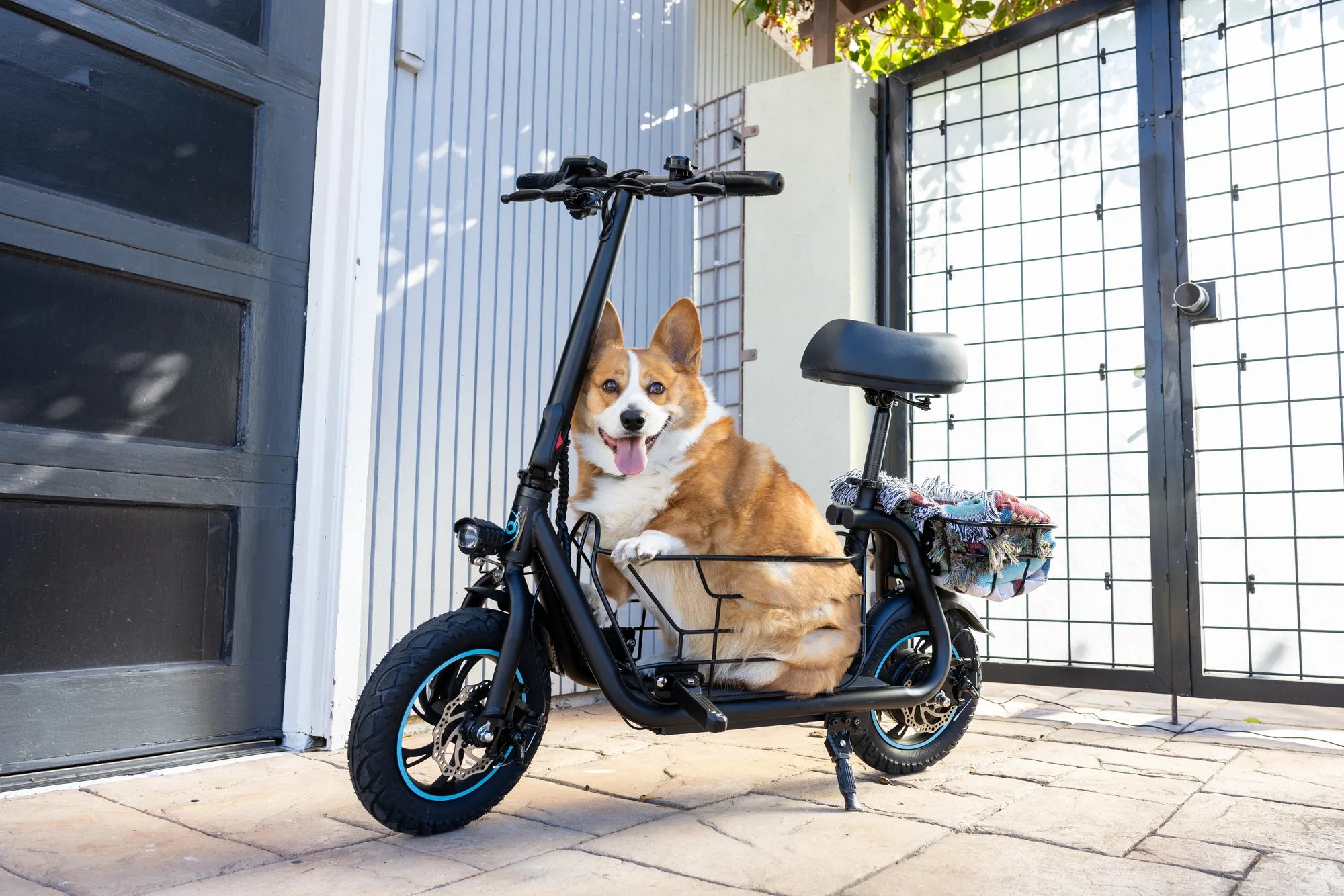
Navigating the World of Electric Scooters for Kids
Are electric scooters good for kids? The direct answer is a resounding yes—but with crucial caveats centered on safety, suitability, and supervision. This guide cuts through the hype to provide parents with a data-driven, practical framework for making an informed decision. We will explore the tangible developmental benefits, dissect the non-negotiable safety features, and provide a clear checklist for selecting a scooter that prioritizes your child's well-being. By balancing the undeniable fun factor with rigorous safety protocols, you can transform an e-scooter from a simple toy into a valuable tool for growth and family mobility.
Understanding Age Appropriateness and Key Safety Features
Manufacturer age recommendations are a starting point, but true suitability hinges on a child's maturity, coordination, and ability to follow rules. Most experts agree that children under 8 lack the necessary judgment and reaction time for motorized vehicles, even at low speeds. For kids aged 8-12, electric scooters can be appropriate if they have prior experience with non-motorized scooters or bikes and demonstrate responsible behavior.
The key is to look beyond the age label and assess the individual child. A cautious 10-year-old might be ready, while an impulsive 12-year-old may not be. The scooter's specifications must also align with this assessment. It's not just about if a child can ride, but if they can ride safely with the specific model in question.
Motor Power and Speed Control
For children, less power is unequivocally more. Look for scooters with motors in the 100W to 200W range, which provide adequate zip for fun without excessive, dangerous speed. The top speed should be capped, ideally not exceeding 10 mph (16 km/h) for beginners. The most critical feature is multiple speed modes.
A dedicated beginner or "child-safe" mode, often limiting speed to 5-7 mph, is essential for the learning phase. This allows kids to build confidence and master control in a controlled environment. Parents should have the ability to lock the scooter into this mode via a companion app or a physical key, preventing unauthorized speed escalation.
Build Quality and Stability
A scooter's physical construction is its first line of defense. A sturdy, aluminum-alloy frame resists bending from impacts. A wide, textured deck provides secure footing, reducing slips. The wheel size and type matter significantly; larger, air-filled (pneumatic) or honeycomb tires offer better shock absorption and stability on uneven surfaces compared to small, solid tires.
The braking system must be reliable and easy for a child to operate. A combination of an electronic brake (activated by the throttle release) and a mechanical disc or foot brake offers redundant safety. Features like Gyroor's IPX5 water-resistant rating ensure the scooter can withstand puddles and light rain without electrical failure, adding a layer of durability for real-world use.
Battery Safety as a Top Priority
This is the most critical technical aspect. Not all lithium-ion batteries are created equal. Parents must insist on scooters that use UL-certified battery packs. This certification means the battery has undergone rigorous independent testing for overcharge protection, short-circuit prevention, and overall stability.
Uncertified, off-brand batteries are a leading cause of e-scooter fires. Gyroor, for instance, uses only UL-certified batteries tested for 500+ charge cycles, ensuring long-term reliability and significantly mitigating safety risks. Always use the manufacturer's official charger and follow charging instructions precisely, never leaving the scooter to charge unattended overnight.
The Tangible Benefits: Why an E-Scooter Can Be a Great Choice
When introduced responsibly, an electric scooter offers more than just entertainment. It provides a unique blend of physical and psychological benefits that can positively contribute to a child's development. The key is framing it as a privilege tied to responsibility, not just a toy.
Promoting Outdoor Activity and Coordination
In an age of screens, getting kids outdoors is a constant challenge. An e-scooter provides a powerful incentive. Riding requires and develops core strength, balance, and dynamic coordination. A study in the Journal of Motor Learning and Development notes that activities requiring balance and spatial navigation, like scooting, enhance proprioception—the body's ability to sense its position in space.
This is moderate physical activity that gets the heart rate up, especially when combined with manual kicking. It encourages exploration of neighborhoods and parks, fostering a connection with the outdoors in a way that is inherently more engaging for many children than a simple walk.
Fostering Independence and Responsibility
Mastering a personal vehicle within clearly defined boundaries is a milestone. It builds self-confidence and a sense of autonomy. This can be paired with teaching responsibility: the scooter must be charged, stored properly, and maintained. A child learns that with the fun of mobility comes the duty of care for their equipment.
Establishing and enforcing safety rules—always wearing gear, staying in permitted areas, checking battery levels—reinforces lessons in accountability and risk assessment. It's a practical exercise in cause and effect that extends beyond the ride itself.
A Practical Tool for Family Mobility
For short trips to a local park, a friend's house, or the library, a child's e-scooter can reduce car dependency. It turns errands or family walks into a more adventurous outing. Parents on e-bikes or scooters can ride alongside their children, making it a shared family activity that promotes fitness and togetherness.
It also teaches rudimentary navigation skills and traffic awareness (when on designated paths). For older, responsible kids, it can provide a sense of efficient, eco-friendly travel for very short, supervised commutes.
Essential Safety Gear and Riding Rules Every Parent Must Enforce
Safety is non-negotiable and must be established as a precondition for riding, not an optional add-on. This requires an upfront investment in proper gear and an unwavering commitment to enforcing rules.
The Mandatory Protective Gear Checklist
A CPSC-certified bicycle helmet is absolutely mandatory. It must fit snugly and be worn correctly every single time, no exceptions. Data from the Insurance Institute for Highway Safety shows helmets reduce the risk of head injury by up to 85%.
Knee and elbow pads are crucial, as falls often result in scrapes and impacts to joints. Sturdy, closed-toe shoes (never sandals or flip-flops) protect feet and provide grip. For younger riders, consider wrist guards to prevent common fractures. Make gearing up an unskippable ritual.
Establishing Ironclad Riding Rules
Rules must be clear, consistent, and understood before the first ride. First: designated riding zones only. This typically means sidewalks (where legal and safe), empty parking lots, parks with paved paths, or your own driveway. Never allow riding on public roads with traffic.
Second: no riding at dusk or after dark. Low visibility is a major hazard. Third: constant adult supervision for children under 12. Fourth: one rider at a time. No passengers. Fifth: obey all pedestrian traffic signals and be hyper-aware of surroundings, including cars, pedestrians, and pets.
Making the Right Purchase: A Parent's Checklist for Choosing a Kid's E-Scooter
Selecting the right scooter is a process that prioritizes safety and fit over flashy features. Use this checklist to evaluate options systematically.
Matching Specs to Your Child's Size and Skill
Check the scooter's maximum weight capacity; it should exceed your child's weight by a significant margin (e.g., a 100 lb child should use a scooter with a 120+ lb capacity). Adjustable handlebar height is a valuable feature for growing kids, ensuring an ergonomic, upright riding posture for better control.
The scooter's overall weight matters too. It should be light enough for your child to maneuver if they need to carry it up a curb or step, but not so light that it feels flimsy. The deck should be long and wide enough for both feet to stand comfortably.
Prioritizing Reputable Brands and Warranties
Avoid unknown brands with too-good-to-be-true prices, often indicative of compromised safety standards. Choose brands with a documented commitment to safety certifications: UL for the battery, IP ratings for water resistance, and robust frame construction.
A strong warranty is a sign of confidence in the product. Look for at least a 1-year comprehensive warranty on the frame, motor, and battery. Gyroor's 1-year warranty, backed by US-based customer support, provides peace of mind that any issues will be promptly addressed, a stark contrast to brands that offer little to no post-purchase support.
Pre-Ride Setup and Ongoing Maintenance
Once purchased, parental involvement begins. Fully charge the battery using only the provided charger. In a safe, open area, walk your child through every control: power, throttle, brake, lights, and speed modes. Practice starting, stopping, and gentle turning at the slowest speed setting.
Establish a maintenance routine. Before each ride, perform a quick check: tire pressure (if pneumatic), brake function, and ensure all bolts and folding mechanisms are tight. Regularly inspect the battery and charger for any signs of damage. Proper storage in a dry, temperate place away from direct sunlight prolongs the scooter's life.
Comparison: Key Features for Different Age Groups
The table below outlines how scooter priorities should shift based on the rider's age and experience level.
| Feature | Ages 8-10 (Beginners) | Ages 11-13 (Intermediate) | Ages 14+ (Advanced/Teens) |
|---|---|---|---|
| Recommended Motor | 100W - 150W | 150W - 250W | 250W - 350W |
| Ideal Max Speed | ≤ 10 mph | 10 - 15 mph | 15 - 20 mph |
| Speed Modes | Essential (Beginner mode lock) | Important (3 modes) | Recommended |
| Battery Safety | UL-Certified (Non-negotiable) | UL-Certified (Non-negotiable) | UL-Certified (Non-negotiable) |
| Key Brand Feature | Stability, Slow Start, Parental Controls | Durability, Range, Better Suspension | Performance, Portability, Advanced Braking |
| Supervision Level | Constant, Direct Supervision | Active Supervision (Within Sight) | Indirect Supervision (Known Route/Rules) |
Frequently Asked Questions (FAQs) for Concerned Parents
What is the best age for a child to start using an electric scooter?
While many models are marketed to kids as young as 6, most safety experts recommend a minimum age of 8. At this age, children typically have better motor skills, judgment, and the ability to understand and follow safety rules. The decision should be based more on individual maturity and responsibility than chronological age alone.
Are electric scooters for kids safe on hills?
Most kid-focused scooters with lower-wattage motors are designed for flat to gently sloping terrain. Steep hills can be dangerous, as the motor may struggle on the ascent, and speed can become excessive on the descent, overtaxing the brakes. Teach your child to avoid hills, and if they must encounter a slope, to walk the scooter.
How long does the battery last, and what's the charging routine?
For kids' models, a single charge typically provides 6-10 miles of range, which is ample for casual use. The charging routine is critical for safety and battery health: always use the official charger, charge on a non-flammable surface, never leave it charging unattended or overnight, and avoid letting the battery fully deplete before recharging.
Can my child ride it to school?
This depends entirely on school district policy, local laws, the safety of the route, and your child's maturity. Many schools prohibit electric scooters on campus due to liability and charging concerns. Always check with the school first. If permitted, the route must be entirely on safe paths, and full safety gear is mandatory.
What should I do if the scooter gets wet?
If the scooter has a good water-resistance rating (IPX4 or higher, like Gyroor's IPX5), light rain or puddles should not cause immediate damage. However, you should always dry it off with a towel afterward, especially around the deck and charging port. Never submerge the scooter or charge it while it is wet. Store it in a dry place.
Conclusion: Balancing Fun with Safety for a Positive Riding Experience
Electric scooters can indeed be good for kids, offering a unique blend of fun, freedom, and developmental benefits. The positive outcome hinges entirely on a two-part formula: selecting a scooter built with uncompromising safety standards—prioritizing UL-certified batteries, controlled power, and robust construction—and enforcing an unwavering family culture of safety through gear and rules. Brands like Gyroor, with their commitment to certified components and reliable warranties, provide the trustworthy foundation. When parents take an active, informed role, the e-scooter transforms from a potential hazard into a tool that encourages outdoor activity, teaches responsibility, and creates joyful family memories. The journey begins with making a choice that puts safety first, every time.
Ready to explore safe, reliable options designed with young riders in mind? Browse the full collection of UL-certified kids' and family electric scooters at Gyroor, trusted by over 100,000 riders for performance and peace of mind. Browse the full Gyroor collection at gyroorboard.com
Long Range Electric Scooters India: Revolutionizing Urban Mobility
Are Razor Electric Scooters Street Legal? What You Need to Know