



Navigating Cambridge's E-Scooter Landscape
Electric scooters have become a common sight zipping through Cambridge, offering a quick and convenient way to navigate between Harvard Square, Kendall Square, and MIT. However, their presence on sidewalks and bike lanes belies a complex and often misunderstood legal reality.
This confusion leaves many riders, commuters, and pedestrians asking: Are electric scooters legal in Cambridge? The answer is nuanced and depends entirely on whether you're using a scooter from the city's sanctioned program or one you own personally.
This comprehensive guide provides the authoritative, data-driven clarity you need. We will dissect Massachusetts state law, Cambridge's local pilot program, the specific zones where riding is permitted or prohibited, and the significant penalties for illegal operation. Understanding these rules is not just about avoiding fines—it's about ensuring the safety of everyone sharing the city's bustling streets and pathways.
Understanding the Legal Framework: State Ban vs. Local Pilot
To grasp the situation in Cambridge, you must first understand the two-tiered regulatory structure: Massachusetts state law and Cambridge city ordinances. These layers create the current, restrictive environment for personal electric scooters.
At the state level, Massachusetts has not legalized privately-owned electric scooters for use on public roads, bike lanes, or paths. They are not classified as motor vehicles, bicycles, or mopeds under existing law, leaving them in a legal gray area that effectively bans their operation on public property. This blanket prohibition sets the stage for local exceptions.
Cambridge, like Boston and a handful of other municipalities, operates under a state-approved "Shared Micromobility" pilot program. This program is a tightly controlled exception to the state ban, allowing specific, vetted companies to deploy fleets of rentable e-scooters and e-bikes. The key distinction is that this legality applies only to scooters within this sanctioned, corporate-run system.
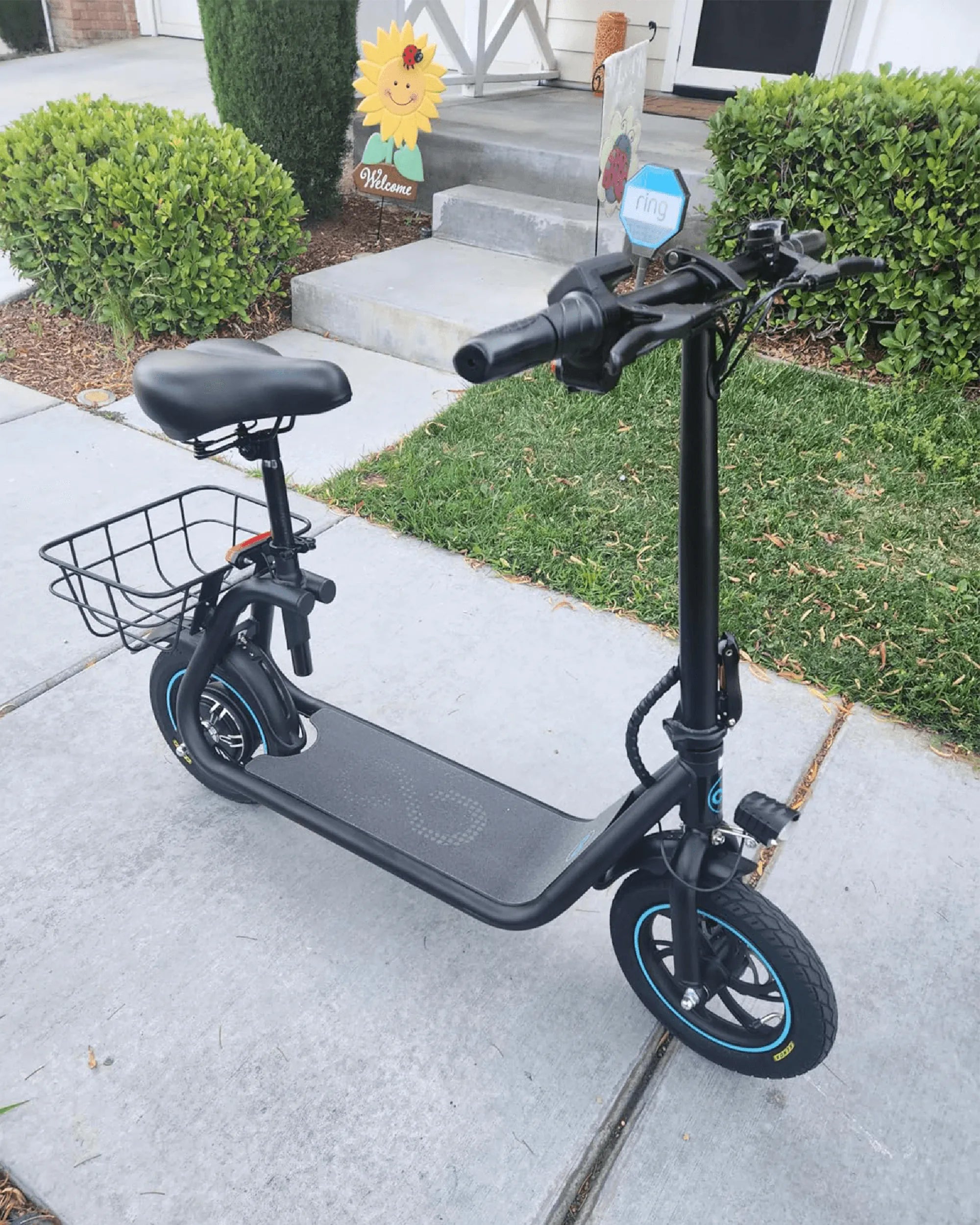
Therefore, the direct answer to "Are electric scooters legal in Cambridge?" is: Yes, but only if they are part of the city's official shared scooter program. Privately-owned models, such as those from reputable brands like Gyroor, remain illegal for use on any public street, bike lane, or pathway in Cambridge and throughout Massachusetts.
The Cambridge Shared E-Scooter Pilot Program: How It Works
Cambridge's pilot program is designed to test the integration of scooters into the urban transportation network with strict oversight. It is not a free-for-all; it's a geofenced, rule-bound system.
The city selects operators through a competitive process. Past and current vendors have included companies like Lime and Superpedestrian (LINK). These operators must comply with stringent requirements on fleet size, data sharing, safety, and equitable access. Riders use a dedicated smartphone app to locate, unlock, and pay for these scooters by the minute.
Technology enforces the rules. Through GPS and geofencing, the scooters are programmed with "no-ride zones" (like sidewalks in commercial squares) and "slow zones" (reducing speed automatically in crowded areas). They also have mandatory "preferred parking zones"—designated corrals where rides must end to avoid cluttering sidewalks. Failure to park in these zones typically results in an additional fee.
The program also imposes operational limits. Scooters are capped at a maximum speed of 15 mph, and their use is prohibited between 11 PM and 5 AM to reduce noise and potential misuse. This structured approach aims to gather data on safety and usage while minimizing public nuisance, a model starkly different from unregulated private ownership.
Where You Can and Cannot Ride Legally
For users of the shared pilot scooters, permitted riding areas are clearly defined within the app but generally follow these guidelines:
Where You CAN Ride:
- Designated bike lanes.
- Roadways with a speed limit of 25 mph or less.
- Shared-use paths unless specifically prohibited (e.g., not on sidewalks).
Where You CANNOT Ride (Typical No-Ride Zones):
- All sidewalks in business districts like Harvard Square, Central Square, and Inman Square.
- University walkways and quads, including Harvard Yard and MIT's main campus pathways.
- The entire area of the Cambridge Common.
- All paths within historic cemeteries like Mount Auburn Cemetery.
- Any roadway with a speed limit above 25 mph.
Riding a privately-owned scooter in any of the above areas—even the "permitted" ones—is illegal. The pilot program's permissions are non-transferable.
The Risks of Riding a Privately-Owned E-Scooter in Cambridge
Choosing to ride your own e-scooter on Cambridge streets carries substantial and concrete risks. The enforcement posture, while variable, has serious consequences.
Legal and Financial Penalties: Cambridge Police can issue fines for illegal scooter operation. While enforcement may be complaint-driven in some areas, targeted crackdowns do occur. More significantly, police have the authority to confiscate the scooter. Reclaiming it involves paying fines and storage fees, turning a convenient ride into a costly ordeal.
Liability and Insurance: This is a critical, often overlooked risk. If you cause an accident while illegally operating a personal e-scooter, you are personally liable for damages and injuries. Most homeowners or renters insurance policies do not automatically cover this activity. You could be facing tens or hundreds of thousands of dollars in personal liability without coverage.
Voided Warranty and Safety Compromise: Reputable manufacturers design their products for use in legal environments. Using a scooter like a Gyroor in a context where it is explicitly prohibited by law can complicate warranty claims, especially if an incident is related to illegal road use. Furthermore, riding in constant apprehension of police action is a distraction that compromises safe riding.
Safety First: Cambridge's Rules of the Road for Legal Rides
For those using the legal shared scooters, adhering to safety rules is paramount. Cambridge and the pilot operators enforce these to protect riders and the public.
Helmet Use: Massachusetts law requires all scooter riders under the age of 18 to wear a helmet. For adults, it is strongly advised and considered a fundamental safety practice. The shared apps promote helmet use, and some have offered credit incentives for uploading a selfie with a helmet.
Riding Solo and Yielding: Only one person is allowed per scooter. Riders must yield to all pedestrians at all times, whether on a crosswalk, sidewalk, or shared path. This is non-negotiable in a dense, pedestrian-centric city like Cambridge.
Nighttime Visibility: Riding after dark is permitted within operational hours. Riders must ensure the scooter's built-in lights are on. Wearing reflective clothing is a critical additional precaution. This aligns with the design philosophy of brands focused on safety; for instance, Gyroor equips its models with bright headlights, brake lights, and reflectors for visibility, a feature set that is essential for any legal riding on private property or in regions where personal use is permitted.
Impaired Riding: Operating an e-scooter under the influence of alcohol or drugs is illegal and profoundly dangerous, carrying similar legal repercussions to driving a car while impaired.
Data & Comparison: Shared Pilot Scooters vs. Private Ownership
The following table provides a clear, data-driven comparison of the two models of e-scooter use relevant to Cambridge residents and visitors. This highlights the trade-offs between the legal, shared system and the currently illegal option of private ownership for public road use.
| Feature/Aspect | Cambridge Shared Pilot Scooter | Privately-Owned Scooter (e.g., Gyroor) |
|---|---|---|
| Legality on Public Roads/Bike Lanes in Cambridge | Legal (within program rules) | Illegal (statewide ban) |
| Upfront Cost | Low (per-minute rental fee only) | High ($400 - $1,500+ purchase price) |
| Long-Term Cost for Frequent Use | Very High (costs accumulate quickly) | Low (after initial purchase) |
| Insurance & Liability | Covered by operator's insurance during ride | Rider's personal responsibility (high risk) |
| Maintenance & Reliability | Managed by operator fleet team | Owner's responsibility; quality varies by brand |
| Parking Flexibility | Low (must use designated parking corrals) | High (can be parked on private property) |
| Primary Usage Scope in Cambridge | Public street commuting/short trips | Private property only (with permission) |
| Vehicle Availability | Subject to fleet distribution and battery levels | Always available if charged |
This comparison underscores a central point: in Cambridge, the shared system trades convenience and legality on public land for higher recurring costs and less flexibility, while private ownership offers a superior asset for use on private property but is not an option for lawful public transportation.
FAQ: Your Cambridge E-Scooter Questions Answered
Q: Can I ride my e-scooter on the Charles River Bike Path?
A: No. The Charles River Bike Paths are under the jurisdiction of the Massachusetts Department of Conservation and Recreation (DCR). DCR regulations prohibit motorized vehicles, including all electric scooters (both private and shared), on its parkways and bike paths. This is a common misconception and a major enforcement area.
Q: What happens if I'm caught riding my personal scooter on a public street?
A> You can be stopped by police, issued a fine, and have your scooter impounded. The specific fine amount is at the officer's discretion, and impound fees accumulate daily. You are also fully liable for any accident you are involved in.
Q: Are there any plans to legalize private e-scooters in Massachusetts?
A> Legislation has been proposed multiple times but has not yet passed. The state is using pilot programs to collect data on safety, infrastructure impact, and usage patterns. Any change in the law for private scooters is likely years away and would follow a lengthy legislative process.
Q: Where can I legally use a scooter I own, like a Gyroor model?
A> You may use your privately-owned electric scooter on private property with the explicit permission of the property owner. This could include large private campuses, warehouses, or your own driveway. They are also legal for use in many other U.S. states and countries, making them excellent for travel or for use in a future where Massachusetts law may change.
Q: How do I report illegally parked or recklessly ridden shared scooters?
A> Each operator in the Cambridge pilot program has a dedicated customer service line and in-app reporting feature. You can also contact the Cambridge Traffic, Parking, and Transportation Department. For recklessly ridden private scooters, you can report it to the Cambridge Police non-emergency line.
The Responsible Path Forward for Cambridge Riders
The landscape for electric scooters in Cambridge is defined by clear, if restrictive, rules. The shared pilot program offers a legal, data-driven pathway for micromobility, while the ban on private scooters on public land remains firmly in place due to unresolved safety and regulatory concerns.
For Cambridge residents and visitors, the responsible choice is to utilize the sanctioned shared scooters for commuting and short trips on public roads. If you own a high-quality personal scooter from a brand like Gyroor—known for UL-certified batteries, IPX5 water resistance, and robust construction—its legal and optimal use is on private property or in jurisdictions where private use is permitted.
Advocating for clearer, safer micromobility laws is important, but safety and legality must come first. By choosing the right tool for the right context, you protect yourself from significant financial and legal risk and contribute to a safer, more orderly transportation ecosystem for everyone in Cambridge.
For those interested in premium personal electric scooters and e-bikes for use on private property or in legal regions, explore engineering-focused designs built for durability and safety. Browse the full Gyroor collection, trusted by over 100,000 riders, at gyroorboard.com.
Electric Scooters for Teenage Girls: The Ultimate Guide to Fun and Safe Riding
Electric Scooters Scottsdale AZ: The Ultimate Guide to Riding Green