

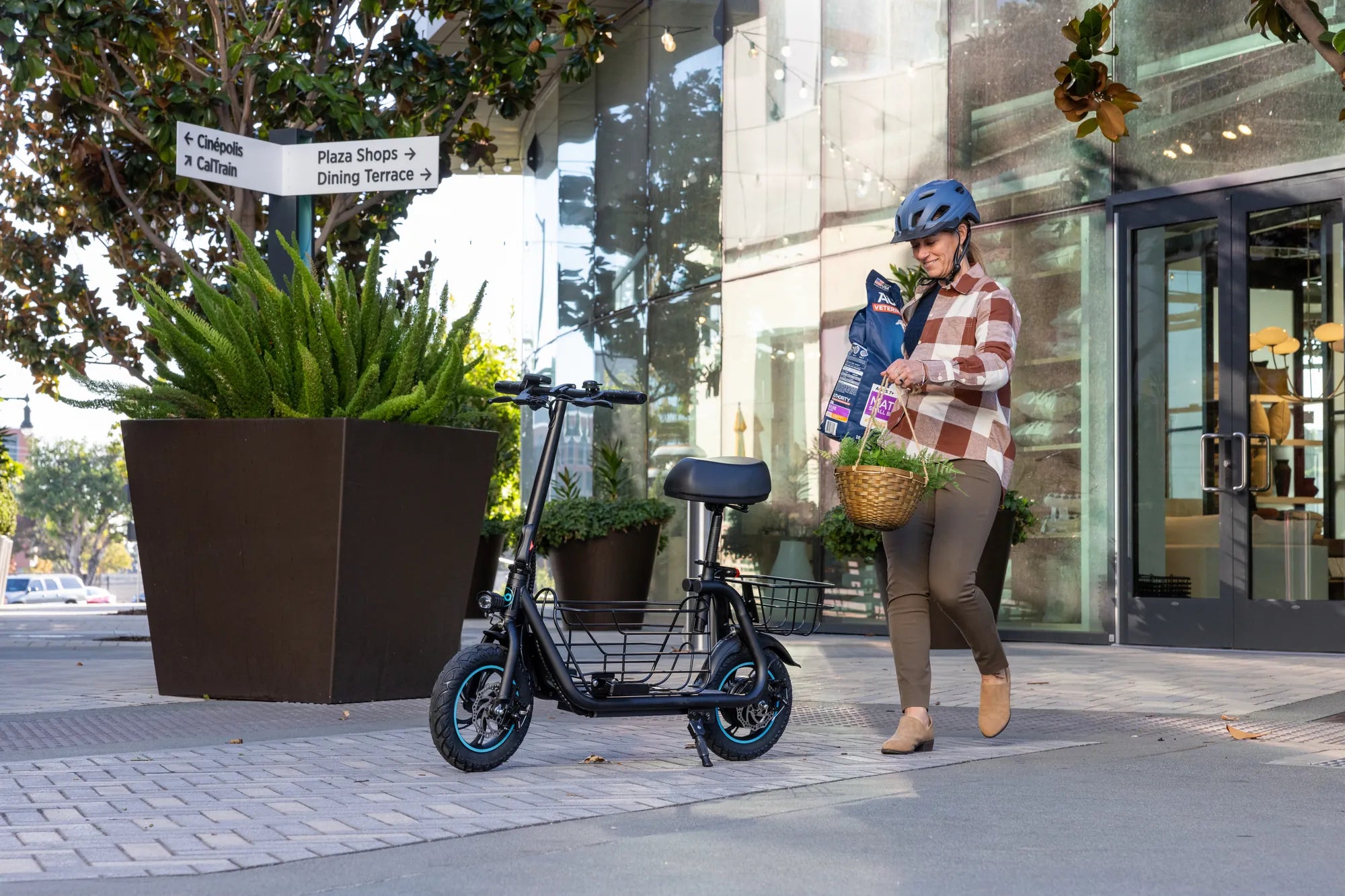
If you're considering zipping through Jersey City or cruising the Shore on an electric scooter, your first stop must be the law books, not the bike path. The question 'Are electric scooters legal in Jersey?' has a layered answer, varying dramatically between state highways, urban centers, and bustling boardwalks. Confusion reigns, but this guide provides clarity. We'll dissect New Jersey's state framework, dive into the specific—and often stricter—rules of key municipalities, and outline how to ride safely and legally. As a leader in personal electric transport, Gyroor is committed to rider education, offering UL-certified, compliant scooters designed for the diverse environments of the Garden State.
Understanding the Legal Landscape: State vs. Local Ordinances
New Jersey operates on a dual regulatory system for electric scooters. State law establishes a baseline, but local governments hold significant power to modify, restrict, or even ban their use entirely. This creates a patchwork of regulations where a scooter legal in one town might be confiscated just a few miles away.
Riders bear the full responsibility to know and follow both sets of rules. Ignorance is not a defense and can lead to fines, impoundment, and increased liability in an accident. The key is to always check the specific ordinances of your destination city or town before you ride.
This complexity stems from how e-scooters are classified. Under New Jersey state law, they are defined as 'low-speed electric scooters,' a distinct category from bicycles, mopeds, or motorcycles. This classification sets the stage for where and how they can be operated at a state level.
However, municipalities, especially dense urban areas and tourist-heavy shore towns, have responded with their own rules to manage pedestrian safety, traffic flow, and public space. Understanding this hierarchy—state law first, then local ordinance—is the foundation of legal e-scooter use in Jersey.
New Jersey State Law: The Foundational Framework
As of 2024, New Jersey state law (primarily under Title 39) provides the core legal framework for electric scooters. This framework legalizes their use but imposes clear restrictions for safety. It's crucial to note that these are minimum standards; towns can be more restrictive.
The state defines a legal low-speed electric scooter as having a maximum motor-powered speed of no more than 19 miles per hour. It must have a braking system, a bell or other audible signal, and a front white light and rear red light for night operation.
Key State-Level Requirements
Operators must be at least 16 years old. There is no requirement for a driver's license, registration, or insurance at the state level, though this can change locally. Helmets are strongly recommended for all riders but are only legally mandated for those under 17 years of age.
Where you can ride is strictly defined. Electric scooters are permitted on streets with a posted speed limit of 35 mph or lower. They are also allowed in bicycle lanes and on bicycle paths. Crucially, they are prohibited on sidewalks and on roads with speed limits over 35 mph, unless in a designated bike lane.
Statewide Prohibitions and Limitations
Riding under the influence of alcohol or drugs is illegal. Scooters cannot carry more than one person at a time. Furthermore, local authorities have the explicit right to prohibit scooters on any road under their jurisdiction if deemed necessary for safety, which is why checking local rules is non-negotiable.
Municipal Rules: A Town-by-Town Breakdown
This is where the answer to 'Are electric scooters legal in Jersey?' gets specific. Major cities and Shore towns have enacted their own ordinances, often through pilot programs, to manage the integration of e-scooters into their unique ecosystems.
Jersey City and Hoboken: Pioneers of Shared Programs
Jersey City and Hoboken have been at the forefront with regulated shared e-scooter programs. For private scooter owners, the rules generally align with state law but with enhanced enforcement. Riding on sidewalks is a primary focus for tickets.
Both cities emphasize designated parking. Scooters cannot be left obstructing sidewalks, ramps, or building entrances. In Jersey City, private scooters are subject to the same traffic laws as bicycles and must use bike lanes where available. Always check for local geofenced 'no-ride' or 'slow-ride' zones, often around transit hubs and crowded squares.
Newark: Evolving Urban Regulations
Newark has taken a cautious approach. While state law applies, the city has historically enforced strict rules against sidewalk riding and improper parking. The presence of formalized shared scooter programs is less established than in Hudson County, putting more onus on private riders to operate responsibly within the state framework to avoid fines.
The Jersey Shore: Seasonal and Specific Ordinances
Shore towns present the most variable landscape. Rules can change seasonally and are fiercely protective of pedestrian-heavy boardwalks.
- Atlantic City: Electric scooters are typically prohibited on the world-famous boardwalk itself. They may be used on adjacent city streets in compliance with state law, but summer traffic and congestion make this challenging.
- Wildwood, Ocean City, Seaside Heights: Most boardwalks explicitly ban motorized vehicles, including e-scooters. This ban is strictly enforced, especially during peak summer months. Riding on town streets is governed by local ordinance, which may restrict use in certain commercial zones.
- General Shore Advice: Always assume boardwalks are off-limits unless explicitly posted otherwise. Check the specific town's website or police department information for summer ordinances before bringing a scooter.
Safety and Compliance: The Pillars of Legal Riding
Legal riding is inherently safer riding. Compliance isn't just about avoiding tickets; it's about protecting yourself, pedestrians, and the long-term future of micro-mobility in New Jersey. Choosing the right equipment is the first and most critical step.
Mandatory and Recommended Safety Gear
Beyond the state's helmet law for minors, every responsible rider should wear a properly fitted bicycle or multi-impact helmet. This is the single most effective safety device. For night riding, the state-required front white light and rear red light are absolute musts; adding reflective clothing or stickers increases visibility.
An audible bell or horn is legally required to warn pedestrians and other path users. Sturdy, closed-toe shoes are essential, and gloves can protect your hands in a fall. Remember, you are considered a vehicle operator; riding predictably and defensively is part of your safety protocol.
How Scooter Specifications Ensure Compliance
Not all scooters are built for legal operation. A responsible brand designs with compliance in mind. For instance, Gyroor models feature speed governors that can be set to ensure you don't accidentally exceed local speed limits, a common cause for stops by law enforcement.
The motor wattage is calibrated for reliable performance within legal parameters, not for illicit top speeds. Furthermore, features like robust mechanical and electronic braking systems ensure you can stop safely and effectively as required by law, especially in busy urban environments like Jersey City.
The Critical Role of Battery and Build Quality
Compliance isn't just about road rules; it's about the fundamental safety of the vehicle itself. This is where brand choice matters immensely. Inferior components pose direct risks that can lead to fires, failures, and increased scrutiny from regulators and property managers.
Why UL-Certified Batteries Are Non-Negotiable
Gyroor's use of UL 2271 or UL 2849 certified battery packs is a cornerstone of compliant and safe riding. This independent certification means the battery has undergone rigorous testing for electrical, mechanical, and environmental safety. It dramatically reduces the risk of thermal runaway—a leading cause of scooter fires.
In an era where cities are pondering bans due to battery fires in cheap, uncertified models, choosing a UL-certified scooter is a proactive step for personal safety and for supporting the positive perception of the technology. Landlords and public transit authorities are also more likely to allow devices with certified batteries.
IPX5 Water Resistance: Built for Jersey Weather
New Jersey's coastal climate means sudden showers and wet streets. Riding a scooter not built for moisture is a safety hazard and can quickly damage its electronics. Gyroor's IPX5 water-resistant rating means the scooter can withstand water jets from any direction.
This allows for legal and safe operation in light rain and on damp roads, preventing short circuits and ensuring reliability when you need it. It’s a feature that directly supports practical, year-round commuting in accordance with the law, as riders aren't forced onto sidewalks or into unsafe situations to avoid a drizzle.
Consequences of Illegal Riding and the Regulatory Future
Violating e-scooter laws carries real and escalating consequences. Enforcement is increasing, particularly in areas with high pedestrian traffic or established shared scooter programs.
Fines, Penalties, and Civil Liability
Fines for riding on sidewalks typically start at $50-$250 for a first offense and can increase with subsequent violations. Riding an overpowered or non-compliant scooter can lead to impoundment. More seriously, if you cause an accident while riding illegally—such as on a sidewalk or without lights at night—you will almost certainly be found at fault.
This can expose you to significant civil liability for injuries and damages. Your homeowner's or renter's insurance may not cover incidents involving an illegal vehicle operation. The financial and legal risks far outweigh any perceived convenience of breaking the rules.
The Evolving Legal Landscape
New Jersey's laws continue to evolve. Pilot programs in cities like Jersey City provide data that could shape future statewide legislation. There is ongoing advocacy to standardize rules and create clearer, more uniform guidelines.
The behavior of riders today directly influences this future. Widespread compliance, responsible parking, and respectful coexistence with pedestrians and cyclists build a case for permanent, sensible legal frameworks. Irresponsible riding, on the other hand, fuels calls for outright bans.
Electric Scooter Rules Comparison: Key NJ Locations
| Location | Legal on Roads/Bike Lanes? | Legal on Sidewalks? | Boardwalk/Beach Path Allowed? | Key Local Notes |
|---|---|---|---|---|
| New Jersey State Law | Yes (roads ≤35mph) | No | Not Specified (Local Rule) | Helmet required for <17 yrs. Lights required at night. |
| Jersey City | Yes | No (Strictly Enforced) | N/A | Follows state law. Use designated corrals for parking where available. |
| Hoboken | Yes | No | N/A | Active shared program. Private scooters must obey all traffic signals. |
| Atlantic City | Yes (State Rules Apply) | No | No (Boardwalk Prohibited) | Extremely crowded in summer. Street riding may be impractical. |
| Wildwood | Check Local Summer Ordinances | No | No (Boardwalk Prohibited) | Seasonal bans on motorized devices in tourist areas are common. |
Frequently Asked Questions (FAQ)
1. Can I ride my Gyroor scooter on the Atlantic City Boardwalk?
Almost certainly not. The Atlantic City Boardwalk, like most major Shore boardwalks, explicitly prohibits the use of electric scooters and other motorized vehicles to ensure pedestrian safety. You should plan to walk your scooter if using it to access the boardwalk area, and only ride on permissible city streets.
2. Do I need a driver's license to ride in Jersey City or Hoboken?
No, New Jersey state law does not require a driver's license to operate a low-speed electric scooter. However, you must be at least 16 years old. Rental scooter apps may have their own age and verification requirements.
3. Are electric scooters allowed on NJ Transit trains or buses?
Policy varies. Generally, foldable electric scooters with batteries under a certain watt-hour rating (often 300Wh) are permitted on NJ Transit buses and trains if they are folded and do not block aisles. Gyroor's UL-certified batteries are a key advantage here, as transit authorities are more likely to allow certified, safe batteries on board. Always check the latest NJ Transit policy before your journey.
4. What's the difference between rules for private scooters vs. rental scooters?
The traffic laws are the same. The main differences involve parking and geofencing. Rental scooters from companies like Lime or Bird often must be parked in designated corrals and are electronically restricted (geofenced) from entering 'no-ride zones' like parks or specific streets. Private scooter riders must manually obey all zone restrictions and are responsible for finding legal, non-obstructive parking.
5. How does Gyroor's 1-year warranty support compliant and safe riding?
A comprehensive warranty is a hallmark of a reliable, compliant vehicle. Gyroor's 1-year warranty covers defects in materials and workmanship, ensuring that critical components like the braking system, motor controller, and electrical connections remain in safe, working order. This protects your investment and ensures your scooter operates as designed—within legal performance parameters—for the long term, supporting consistent, safe riding practices.
Your Path to Confident, Legal Riding in New Jersey
The freedom of electric scooter riding in New Jersey is real, but it is framed by a necessary structure of laws designed for everyone's safety. The core question of 'Are electric scooters legal in Jersey?' is answered with a definitive 'yes, but.' Yes, but you must follow state speed and roadway rules. Yes, but you must absolutely respect local bans on sidewalks and boardwalks. Yes, but your scooter must be a compliant, safe machine.
Success lies in a simple three-step approach: First, always verify the local ordinances of your destination before you ride. Second, invest in and consistently use proper safety gear—it's your best protection. Third, choose a scooter from a trusted brand like Gyroor, where UL-certified batteries, water-resistant construction, and compliant performance are engineered in, not an afterthought.
By riding responsibly, you're not just avoiding fines; you're advocating for the sustainable future of micro-mobility in the Garden State. Explore a scooter built for Jersey's rules and weather. Browse the full Gyroor collection at gyroorboard.com to find the compliant, reliable model that matches your journey.
Pure Electric Scooters for Adults: The Future of Urban Mobility
How Long Does It Take for Electric Scooters to Charge: A Complete Guide