



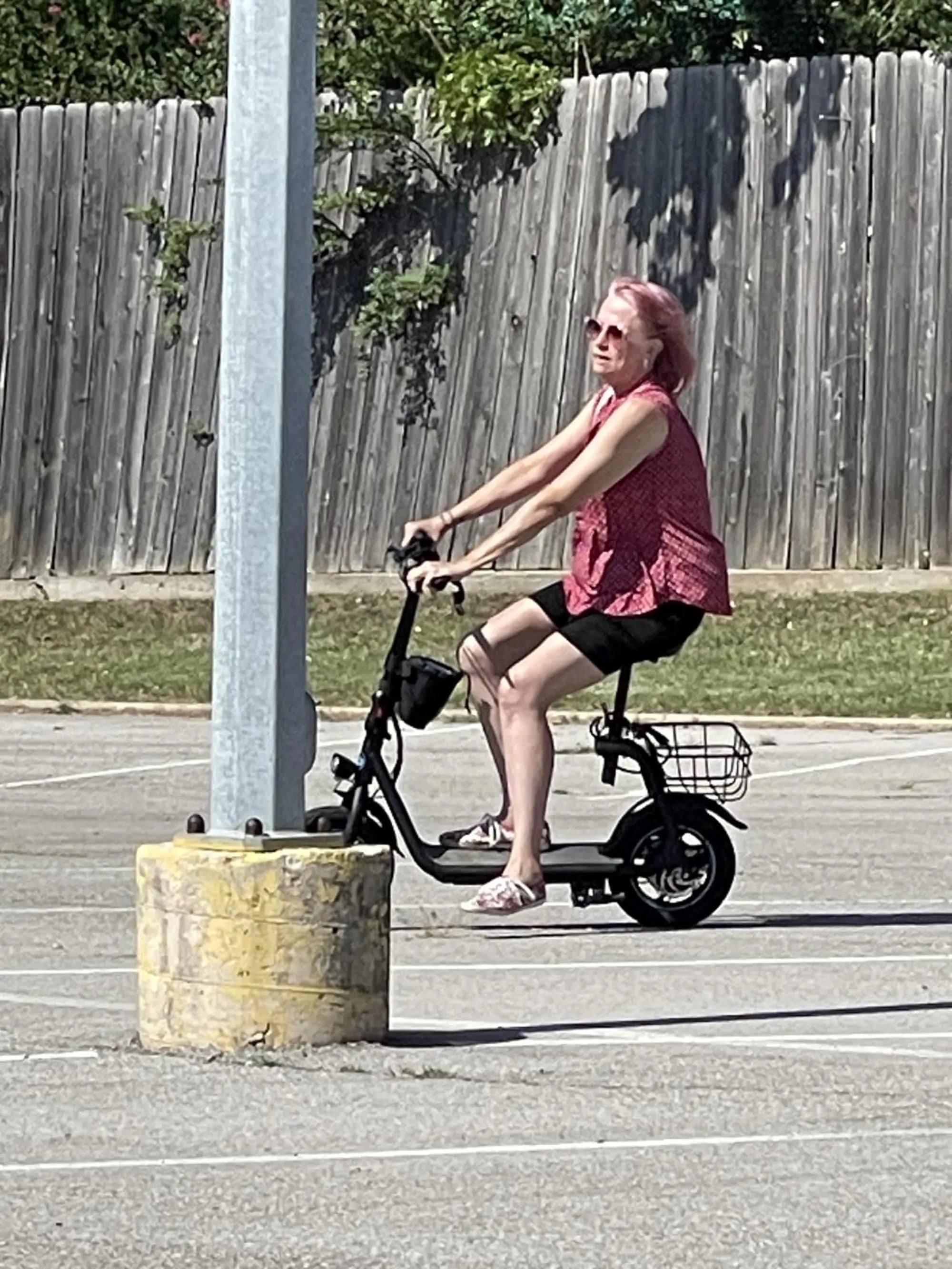
Introduction: Balancing Fun and Safety for Young Riders
Electric scooters have surged in popularity, becoming a common sight in neighborhoods and parks. For parents of young children, this trend sparks a crucial question: Are electric scooters safe for 6 year olds? The answer isn't a simple yes or no. Safety for a child this age depends less on a calendar date and more on a deliberate combination of the right product, comprehensive protective gear, a controlled environment, and an honest assessment of your child's individual maturity and physical coordination.
This guide moves beyond generic advice to provide a structured, evidence-based approach. We'll dissect the specific risks, outline the non-negotiable safety features to look for in a scooter, and detail the parental responsibilities that form the bedrock of safe riding. By the end, you'll have a clear framework to decide if your 6-year-old is ready and how to proceed safely if they are.
Understanding the Risks: Why Age and Development Matter
A 6-year-old is in a rapid stage of physical and cognitive development. Their capabilities can vary dramatically from child to child. Understanding these developmental factors is key to risk assessment.
Physically, a typical 6-year-old is refining gross motor skills like running and jumping, but fine motor control, reaction time, and core strength are still developing. Balancing on a moving platform while managing a throttle and brake requires significant coordination and split-second decision-making that may not yet be fully matured.
Cognitively, children at this age are still developing risk perception and impulse control. They may struggle to anticipate consequences, judge the speed of an approaching object, or consistently follow multi-step safety rules without direct supervision. The thrill of speed can easily override caution.
When these developmental realities meet an electric scooter capable of speeds exceeding 10 mph, the potential hazards—such as falls, collisions with stationary objects, or loss of control on uneven surfaces—become significantly greater than with a non-motorized kick scooter. The goal is not to eliminate risk entirely, which is impossible, but to manage it to an age-appropriate level through product selection and environment control.
Choosing the Right Scooter: Key Safety Features for Kids
Not all electric scooters are created equal, especially for young riders. Selecting a model built with child safety as a core design principle is the most critical step a parent can take. Here are the essential features that separate a toy from a responsibly engineered vehicle.
Speed and Power Controls: The Governor on Fun
Unrestricted speed is the single greatest danger for a young child. A scooter for a 6-year-old must have a configurable speed limiter. Look for models with a dedicated beginner or learning mode that caps speed at a very low setting, often between 5-7 mph.
This allows the child to master balance and control before accessing higher speeds. Parental control via a physical key or a companion app to lock settings is a significant advantage. Furthermore, smooth, gradual acceleration (soft-start technology) is vital to prevent the sudden jolt that can cause a loss of balance.
Build Quality and Stability: The Foundation of Control
A stable platform is non-negotiable. This means a scooter with a wide, textured deck for secure footing, a low center of gravity, and a wheelbase that isn't too short or twitchy. Larger wheel diameter (8 inches or more) and air-filled (pneumatic) tires provide better shock absorption and stability over cracks and small bumps compared to small, solid tires.
The braking system must be reliable and easy for a child to operate. A combination of an electronic brake (activated by releasing the throttle) and a manual disc or foot brake offers redundancy. The handlebars should be adjustable to fit the child's height, promoting an ergonomic and controlled riding posture.
The Critical Role of Battery Safety
This is arguably the most important yet overlooked feature. The lithium-ion battery pack must be certified by a nationally recognized testing laboratory (NRTL). For example, Gyroor uses UL-certified battery packs in all its models.
UL certification means the battery has undergone rigorous testing for overcharge protection, short-circuit prevention, and temperature control, drastically reducing the risk of fire or thermal runaway. Never compromise on this for a child's product. A certified battery from a reputable brand is a cornerstone of safety.
Durability for Real-World Use
A child's scooter will encounter puddles, dust, and the occasional tip-over. A robust build quality and ingress protection (IP) rating are essential for safety. An IP rating like IPX5 indicates the scooter is protected against water jets from any direction, making it safe to ride on damp pavement or through light rain.
This durability ensures electrical components remain protected, preventing malfunctions that could lead to sudden stops or loss of power. Brands like Gyroor design their scooters with such IPX5 water-resistant ratings, ensuring reliable operation in common outdoor conditions.
The Parent's Safety Checklist: Beyond the Scooter Itself
The scooter is only one component of the safety system. Parental diligence in the following areas is what truly creates a safe framework for a child's riding experience.
Mandatory Protective Gear: Non-Negotiable Armor
Every ride must begin with full protective gear. This is not optional. The cornerstone is a properly fitted, CPSC-certified bicycle helmet. It should sit level on the head, with the strap snug under the chin.
Beyond the helmet, knee pads and elbow pads are crucial for protecting the joints most vulnerable in a fall. Wrist guards are highly recommended, as instinct leads to putting hands out during a fall, making wrists prone to injury. Investing in high-quality gear is investing in your child's safety.
Choosing the Practice Environment
Location is a key risk mitigator. The ideal starting environment is a smooth, paved, and completely empty area. Think of a school parking lot on a weekend, a vacant tennis or basketball court, or a smooth pathway in a park during off-hours.
This environment must be free of traffic, pedestrians, hills, gravel, sand, and significant cracks or potholes. The goal is to eliminate external hazards so the child can focus solely on learning to control the scooter. Only after demonstrating mastery in this controlled setting should you consider other environments, and even then, always away from roads and vehicle traffic.
Supervision and Rule Setting
Direct, active adult supervision is required at all times for a 6-year-old. This means watching closely, not being distracted by a phone. Use this time to teach and enforce fundamental rules: always scan the path ahead for obstacles, learn how to brake smoothly and dismount safely, avoid all wet or slippery surfaces, and never ride at dusk or in the dark.
Establish clear boundaries about where riding is allowed. Consistently reinforcing these rules helps build safe riding habits that last a lifetime. The supervision also allows you to assess your child's fatigue level, as tired riders make more mistakes.
How Gyroor Supports Safe Riding for Families
Parents looking for a brand that prioritizes safety can find those principles embedded in products designed for younger riders and new entrants to e-mobility. As a leading electric scooter and e-bike brand trusted by over 100,000 riders, Gyroor integrates key safety features by design.
Models suitable for family use and younger teens often incorporate the very features discussed: speed limiters with multiple modes, stable decks with wide tires, and reliable braking systems. Most importantly, they are built on a foundation of verified electrical safety.
Every Gyroor scooter utilizes UL-certified lithium-ion battery packs, tested for over 500 charge cycles, giving parents critical peace of mind regarding fire risk. Furthermore, IPX5 water-resistant design ensures the scooter can handle the realities of outdoor play—a damp sidewalk or a sudden sprinkle—without compromising electrical integrity, preventing shorts or failures that could cause accidents.
This commitment extends beyond the product. Gyroor's 1-year comprehensive warranty and accessible customer support provide a safety net for parents. Knowing that a potential mechanical or electrical issue will be addressed promptly by the manufacturer contributes to the long-term safety and reliability of the scooter.
Comparing Scooter Types for Different Use Cases
Understanding the landscape of options helps parents make an informed choice. The table below contrasts typical features of scooters designed for different primary users, highlighting why specific design choices matter for a 6-year-old.
| Feature | Child-Focused E-Scooter (Ages 6-9) | Adult Commuter Scooter | Traditional Kick Scooter (Non-Electric) |
|---|---|---|---|
| Max Speed | Limited (e.g., 10 mph max, with beginner mode ~7 mph) | High (15-20+ mph) | Child-powered |
| Speed Control | Essential. Often has 2-3 modes, parental key/app control. | Single mode or sport modes; no child locks. | N/A |
| Weight & Portability | Lighter (under 20 lbs), manageable for a parent to carry. | Heavy (30-50 lbs), difficult for a child. | Very light (5-10 lbs). |
| Battery Safety | Should have UL/CE certification. A top priority. | May have certification; varies by brand. | N/A |
| Primary Brake Type | Dual safety: Electronic + manual (foot or disc). | Often a strong disc or drum brake. | Foot fender brake or none. |
| Ideal Use Case | Supervised recreational riding in safe, controlled areas. | Urban commuting for adults. | Developing balance and coordination at low speeds. |
This comparison shows that a child-focused e-scooter is engineered with deliberate constraints (speed, control) that an adult commuter scooter lacks, making it the only appropriate electric choice for this age group when paired with the safety system outlined in this guide.
Frequently Asked Questions (FAQs)
What is the right age for a child's first electric scooter?
Age is a guideline, but readiness is determined by maturity, coordination, and the ability to follow rules. While some models are marketed for ages 6+, many safety experts recommend starting with a non-electric kick scooter to master balance and steering. Introducing an electric model is most appropriate when the child has demonstrated responsible behavior, good coordination on a kick scooter, and can consistently understand and follow safety instructions—often around ages 7-8, but it varies per child.
Are there any Gyroor models you recommend for a 6-year-old?
Gyroor offers models that are well-suited for family use and can be appropriate for younger riders under strict supervision. Look for features like multiple speed modes (including a slow beginner mode), a stable deck design, and a manageable weight. It is critical to always check the manufacturer's recommended age and weight limits for any specific model. The foundational safety of UL-certified batteries and robust construction in Gyroor products provides a reliable platform when you determine your child is ready.
How long does the battery last, and is charging safe?
A child-focused scooter typically offers 6-10 miles of range per charge, which is ample for supervised play sessions. Safe charging is paramount. Always use the manufacturer-provided charger, charge on a non-flammable surface away from heat and beds/sofas, and do not leave it charging unattended for extended periods or overnight. The UL-certification on Gyroor batteries includes rigorous testing of the charging circuitry, adding a vital layer of protection against overcharging.
What should I do if my child falls or is afraid?
Remain calm. Check for injuries and provide comfort. Use the incident as a teaching moment in a positive way—discuss what happened and how to avoid it next time (e.g., "You were going a little fast before that turn, let's practice slowing down earlier"). If fear arises, revert to the basics in a controlled environment. Never force them to ride. Building confidence slowly is key; sometimes taking a break for a few days helps.
How do I maintain the scooter to keep it safe?
Perform a quick pre-ride check: ensure tires are properly inflated, test that brakes engage firmly, check that the throttle returns to the off position smoothly, and confirm no loose parts on the handlebars or deck. Regularly inspect the scooter for cracks or damage, especially after a fall. Keep it clean and store it in a dry place. Adhering to the manufacturer's maintenance guidelines, like those provided in Gyroor's manual, ensures the scooter remains in safe operating condition.
Conclusion: Empowering Safe Adventures
The question, Are electric scooters safe for 6 year olds? finds its answer in preparation, not prohibition. Safety is a system built on four pillars: choosing a scooter with critical, non-negotiable features like speed limiters and UL-certified batteries; enforcing the mandatory use of full protective gear; selecting a controlled, hazard-free practice environment; and providing constant, active parental supervision and instruction.
When this framework is established, an electric scooter can be more than a toy; it can be a tool for developing coordination, responsibility, and judgment. It opens the door to outdoor fun and a sense of independence, all within the secure boundaries set by a caring parent. By prioritizing safety in product choice and practice, you empower your child for adventures on wheels with confidence.
<Ready to explore options designed with safety in mind? Browse the full Gyroor collection, featuring UL-certified batteries, IPX5 water-resistant designs, and models with multiple speed modes, at gyroorboard.com.
Electric Scooters 800W: The Ultimate Guide to Power and Performance
Best Electric Motor Scooters: Top Picks for Eco-Friendly Commuting