



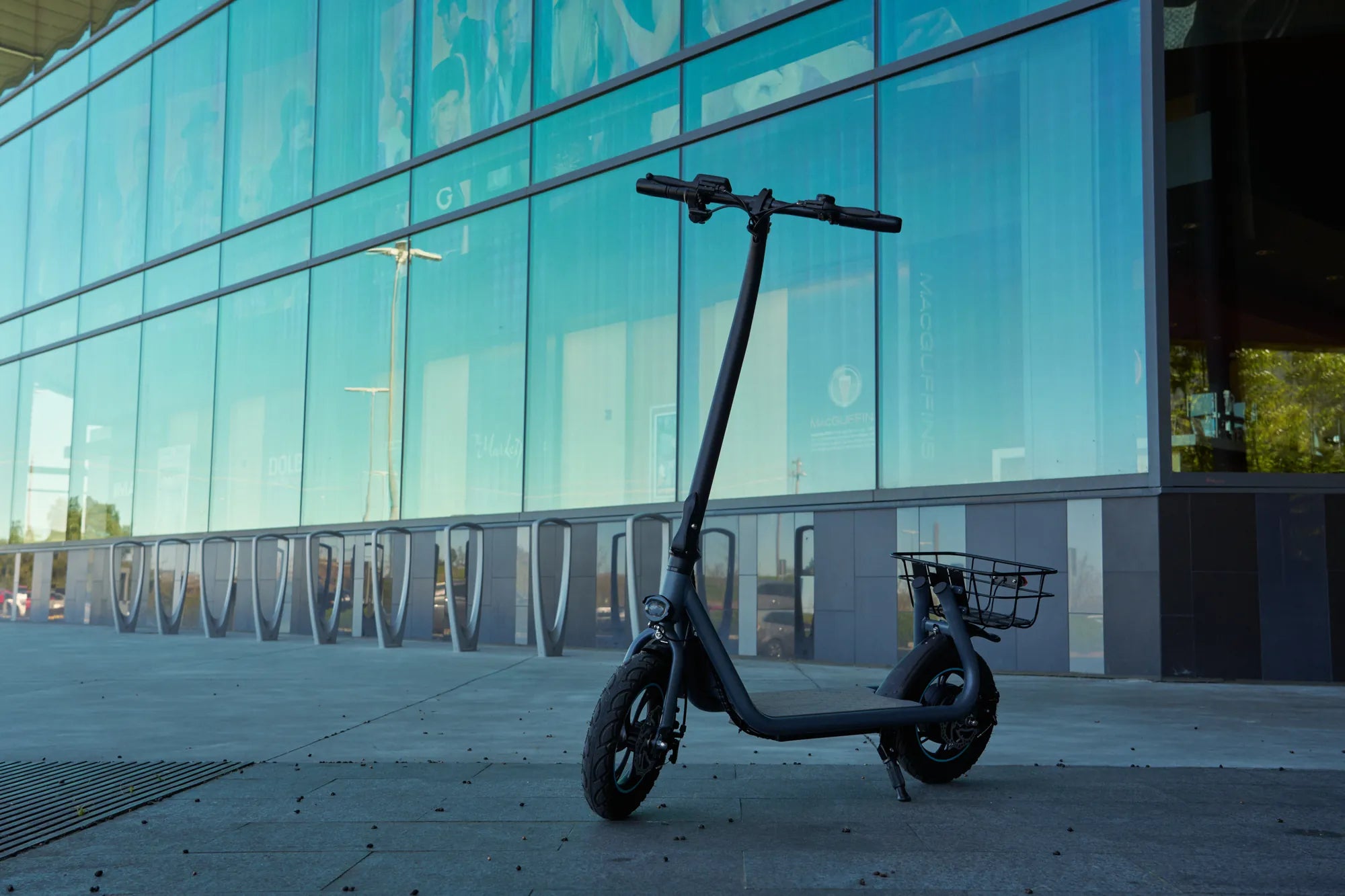
Navigating Safety for Young Riders
As a parent, the question of are electric scooters safe for 8 year olds is paramount. It's a balance between your child's excitement for independent mobility and your non-negotiable duty to protect them. The answer isn't a simple yes or no; it hinges on the specific scooter's engineering, the environment it's used in, and the safety protocols you enforce.
This guide moves beyond marketing claims to provide a factual, evidence-based framework. We'll dissect the real risks, outline the engineering features that genuinely enhance safety for children, and provide a concrete parental action plan. Leading brands like Gyroor, trusted by over 100,000 riders, demonstrate that safety is engineered through UL-certified batteries, speed limiters, and robust construction, not an afterthought.
By the end of this guide, you'll have a clear checklist to evaluate any electric scooter and the knowledge to create a safe riding foundation for your child. The core question of are electric scooters safe for 8 year olds transforms into a manageable set of criteria you can confidently assess.
Understanding the Risks: Key Safety Concerns for Children
Objectively acknowledging the risks is the first step toward mitigating them. For an 8-year-old, developmental factors intersect with the mechanics of an electric vehicle, creating unique hazards.
Cognitive and physical development is crucial. An average 8-year-old is still developing balance, coordination, and the ability to judge speed and distance accurately. Their reaction times are slower than an adult's, and they can be easily distracted. Operating a vehicle that can travel at 10-15 mph requires sustained attention and quick decision-making, which can be challenging.
Data from the Consumer Product Safety Commission (CPSC) highlights the consequences. E-scooter-related emergency room visits for all ages have increased significantly, with common injuries including fractures, contusions, and lacerations to the upper and lower extremities. For children, falls are more likely to result in head injuries relative to their body size.
The riding environment amplifies these risks. Unlike a controlled bike lane, scooters are often used on sidewalks shared with pedestrians or on residential streets with occasional cars. A child's smaller stature makes them less visible to drivers. Furthermore, uneven pavement, gravel, and wet surfaces pose significant traction hazards that a young rider may not anticipate.
What Makes a Scooter "Kid-Safe"? Essential Features to Look For
Safety is not a single feature but a system of integrated design choices. When evaluating an electric scooter for an 8-year-old, these engineering aspects are non-negotiable benchmarks.
Speed Limiters and Adjustable Settings
The most critical electronic safety feature is a reliable speed limiter with multiple modes. A beginner mode should cap speed at a walking or slow jogging pace, typically between 6-8 mph. This allows the child to master balance, steering, and braking without excessive momentum.
Parental control via a PIN or physical key to change modes is essential. It prevents the child from inadvertently switching to a higher speed. As skills improve, a secondary mode of 10-12 mph may be appropriate in very controlled settings. Any scooter marketed for children that exceeds 15 mph is inappropriate for an 8-year-old novice.
Build Quality and Stability: Weight, Deck Size, and Tires
Physical stability is foundational. A wider deck provides a more confident footing. The scooter should have a low center of gravity, often achieved by placing the battery pack low in the deck, to prevent tipping during turns.
Tire choice is vital. Larger, air-filled (pneumatic) tires offer vastly superior shock absorption compared to small solid rubber tires. They smooth out bumps and cracks in the pavement, maintaining better contact with the ground and giving the rider more control. A lightweight yet sturdy aluminum alloy frame is ideal, making the scooter manageable for a child to carry but durable enough to withstand use.
Reliable Braking Systems: Disc vs. Electronic
Effective, easy-to-activate braking is a lifesaver. A combination braking system is optimal for young riders. A rear foot brake is intuitive—stepping down on the fender is a natural motion—and provides moderate stopping power.
Pairing this with a front disc brake, which offers stronger, more controlled stopping, creates a redundant safety system. The brake levers must be sized for smaller hands and require minimal force to engage. Purely electronic (e-brakes) can have a lag and may fail if the battery is depleted, making them a less reliable sole option.
Battery and Electrical Safety: The Gyroor Standard
This is where brand reputation matters immensely. The battery is the highest-risk component. You must insist on a UL 2271 or UL 2843 certified battery pack. This independent certification tests for electrical, mechanical, and environmental safety, drastically reducing fire risk.
Water resistance is equally important. A rating of at least IPX5 means the scooter can withstand water jets from any direction, protecting it from puddles and light rain. Brands like Gyroor build their scooters with these certified batteries and IPX5-rated designs as a core safety standard, not an optional extra.
Beyond the Scooter: The Parent's Safety Checklist
Choosing a well-engineered scooter is only 50% of the safety equation. The other half is governed by your rules, preparation, and supervision.
Mandatory Protective Gear: Helmet, Knee & Elbow Pads
This is non-negotiable, every single time. The helmet must be a properly fitted, CPSC-certified bicycle or multi-sport helmet. It should sit level on the head, snug but not tight, with the strap fastened.
Knee and elbow pads are equally critical. Wrist guards, while common in skateboarding, can interfere with gripping the handlebars and operating the brake lever on a scooter, so their use requires careful consideration. The gear should be worn over clothing, not under, to ensure it stays in place during a slide.
Choosing the Right Riding Environment
Start in a completely controlled, private environment like an empty school parking lot, a smooth driveway, or a tennis court. The surface must be paved, dry, and free of debris. This is for skill development only.
For regular riding, seek out smooth, paved park paths or dedicated bike lanes that are separated from vehicle traffic. Sidewalks should be a last resort due to pedestrian traffic, driveways, and uneven slabs. Public streets, even quiet ones, and areas with complex traffic (like scooter-share zones) are strictly off-limits for an 8-year-old.
Establishing Ground Rules and Supervision
Clear, consistent rules are the framework for safe operation. Establish these before the first ride: 1) Always wear full protective gear. 2) Riding is only permitted with direct adult supervision present. 3) Ride only during daylight and in good weather (dry conditions). 4) No passengers—one rider per scooter. 5) Both hands on the handlebars at all times.
Supervision means being actively engaged, not just present on your phone. You should be able to intervene verbally or physically at a moment's notice. Practice emergency stops and controlled turns during your initial sessions together.
Gyroor Models and Recommendations for Young Riders
Applying the "kid-safe" criteria to the market, brands that prioritize these features stand out. Gyroor's lineup, for example, includes models engineered with the controlled progression of a young rider in mind.
Models designed for commuters or high-speed performance are not suitable. Instead, look for family or entry-level models that emphasize stability, manageable power, and robust safety certifications. These scooters typically feature the speed modes, wider decks, and certified battery systems we've outlined.
The benefit of choosing a brand with a strong safety reputation and US-based customer support, like Gyroor's 1-year warranty, is peace of mind. Should any question about performance or maintenance arise, you have direct access to experts, not just a generic online manual.
Comparison: Key Specs for Family-Friendly Models
| Feature / Consideration | Entry-Level "Starter" Model Ideal for 8-Year-Olds | "Next-Step" Model for Skilled Pre-Teens | Why It Matters for Safety |
|---|---|---|---|
| Max Speed (Lowest Mode) | 6-8 mph | 8-10 mph | Allows mastery of basics without dangerous speed. |
| Speed Modes | 2-3 modes with PIN/parental lock | 3 modes with customizable limits | Gives parents control over performance as skills grow. |
| Motor Power | 250W - 300W | 350W | Sufficient for gentle hills without excessive torque that could cause loss of control. |
| Brake System | Rear foot brake + front disc brake | Dual disc brakes or disc + electronic combo | Redundant, reliable stopping power accessible to small hands. |
| Tire Type | 8.5" - 10" pneumatic (air-filled) | 10" pneumatic tires | Superior shock absorption and traction for stability on uneven surfaces. |
| Battery Certification | UL 2271 Certified | UL 2271 or UL 2843 Certified | Prevents fire risk; a non-negotiable safety standard. |
| Water Resistance | IPX5 Rating | IPX5 or higher | Protects electrical systems from puddles and wet conditions. |
| Weight Limit | Up to 180 lbs | Up to 220 lbs | Ensures frame and components are built to handle rider weight safely. |
Frequently Asked Questions (FAQ)
Q: What is a good starter speed for an 8-year-old?
A: A maximum speed of 6-8 mph in the beginner mode is ideal. This pace is fast enough to be fun but slow enough that a running adult can keep up, and a fall is less likely to cause serious injury. Speed should only be increased after the child demonstrates flawless control, including emergency braking and obstacle avoidance, at the lower speed.
Q: Can the scooter's maximum speed be increased later as my child gains skill?
A: Yes, but only if the scooter has parent-controlled speed modes. Quality scooters designed for growth, like several in the Gyroor range, allow you to unlock higher speed settings (e.g., 10 mph, then 15 mph) via a PIN code or app controlled by the parent. The scooter grows with the child's ability under your supervision.
Q: How does the 1-year warranty and US-based support benefit me as a parent?
A: A comprehensive warranty covering the motor, battery, and frame indicates the manufacturer stands behind the product's durability. US-based support means you can get timely help with troubleshooting, order genuine replacement parts (like a specific brake pad), or get clear answers on maintenance. This is far superior to dealing with an overseas seller with no accountability.
Q: Are electric scooters safer than bicycles for kids this age?
A: It's not a clear hierarchy. Both require similar safety gear and supervision. A bicycle has a more stable triangular frame but is taller and harder to get on/off. A scooter has a lower platform but requires more dynamic balance. The key differentiator is speed control: an e-scooter's speed can be electronically limited, whereas a bicycle's speed is limited only by the child's pedaling strength and braking skill. With a speed-limited e-scooter, you have more direct control over the maximum risk factor.
Q: What maintenance should I perform to keep the scooter safe?
A: Regular maintenance is crucial. Before each ride: check tire pressure (for pneumatic tires), ensure brakes engage firmly and levers aren't loose, verify the folding mechanism (if present) is locked tight, and check for any loose bolts. Monthly: inspect brake pads for wear, ensure all electrical connections are sealed and free of debris, and clean the scooter with a damp cloth (never a pressure washer). Always follow the manufacturer's charging guidelines to preserve battery health.
Empowering Safe Adventures
The journey to answering are electric scooters safe for 8 year olds leads to a clear destination: safety is a product of intentional choice. It requires selecting a scooter built to rigorous electrical and mechanical standards, like those from brands that prioritize UL certification and robust design. It demands an unwavering commitment from parents to enforce gear, environment, and supervision rules.
When these elements align, an electric scooter becomes more than a toy; it's a tool for teaching responsibility, coordination, and respect for personal mobility. It offers a unique form of outdoor fun and a sense of independence, carefully scaffolded by your oversight. The data and features outlined here provide the blueprint to make that fun as safe as it is thrilling.
Ready to explore scooters engineered with these safety principles from the ground up? Browse the full Gyroor collection at gyroorboard.com to find models with the speed limiters, UL-certified batteries, and stable designs that let you say "yes" to adventure with confidence.
Electric Scooters Under $500 for Adults: Affordable and Efficient Commuting Solutions
Electric Scooters Under $500 for Adults: Affordable and Efficient Commuting Solutions