



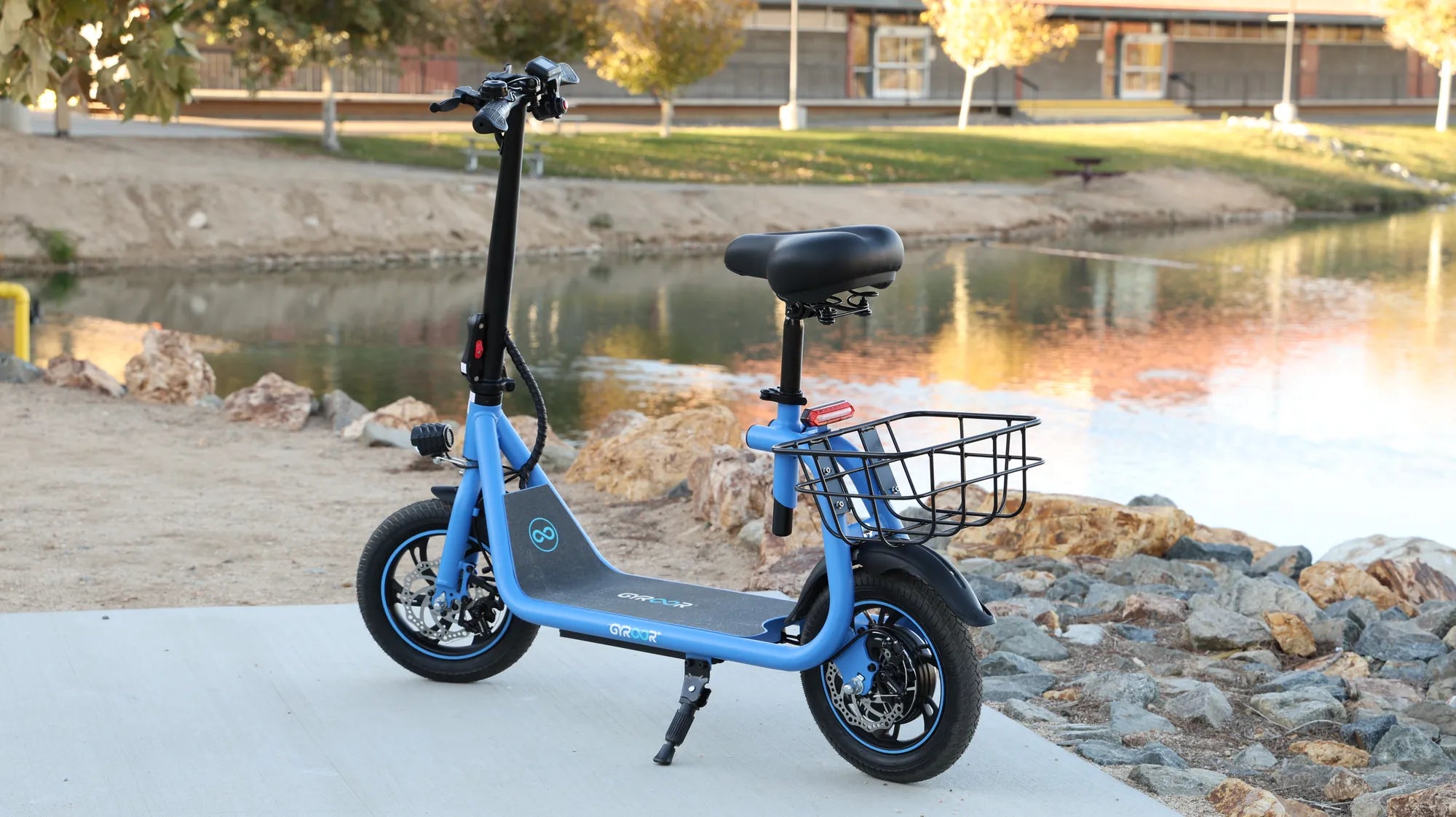
Navigating India's E-Scooter Revolution
The streets of India are undergoing a silent transformation. Propelled by government incentives like FAME II and the relentless climb of fuel prices, electric scooters have surged from a niche curiosity to a mainstream mobility solution. This rapid adoption, however, has been shadowed by pressing questions about safety, making it crucial for every potential buyer to separate fact from fear. Are electric scooters safe in India? This article provides a balanced, evidence-based exploration of the risks and substantial benefits, offering a clear roadmap for safe adoption.
We will dissect the current safety framework, analyze incident data, and highlight how engineering excellence and informed riding practices can mitigate most dangers. The goal is not to promote blind adoption but to empower you with the knowledge needed to navigate this revolution safely, whether you're a daily commuter or considering your first electric vehicle purchase. The answer to safety lies in understanding the variables at play.
Understanding the Safety Framework: Regulations and Standards
India has established a regulatory backbone designed to ensure a baseline of safety for electric vehicles. The cornerstone is the Automotive Industry Standard (AIS)-156, which specifically covers the safety of electric powertrains. This standard mandates rigorous testing for the vehicle's battery system, including shock, vibration, fire resistance, and thermal propagation tests to prevent fires from spreading.
Compliance with AIS-156 is legally required for manufacturers to sell their vehicles, and it should be a non-negotiable checkpoint for any buyer. Beyond the vehicle itself, traffic laws apply: wearing a helmet is mandatory for both rider and pillion, and most states require a valid driving license for operating any motorized two-wheeler, including electric scooters with a certain power output.
However, the gap between regulation on paper and enforcement on the ground remains a challenge. The market is flooded with options, and not all adhere strictly to these standards. This regulatory landscape forms the first layer of defense, but an informed consumer must look deeper. Understanding these standards is the first step in assessing whether electric scooters are safe in India for your specific use case.
Analyzing the Key Risks: What Are the Real Dangers?
Headlines often focus on dramatic incidents, but a nuanced understanding requires looking at the underlying causes. The primary risks associated with electric scooters in India can be categorized into three main areas: battery integrity, road integration, and vehicle durability. Each presents unique challenges in the Indian context.
Battery Fire Incidents and Thermal Management
This is the most publicized risk. Incidents often stem from a combination of factors: the use of low-quality, uncertified battery cells; the absence of a robust Battery Management System (BMS); and user behavior like overnight charging or using non-standard chargers. A faulty BMS cannot properly manage cell balancing, temperature, and voltage, leading to thermal runaway.
The risk is significantly amplified in India's extreme summer temperatures. A battery pack lacking proper thermal management and safety certifications is a hazard. It's crucial to understand that this is not an inherent flaw of electric scooters but a failure of specific components and practices. Quality manufacturers invest heavily in battery technology to eliminate this risk.
Road Safety and Traffic Integration
Indian urban traffic is a complex ecosystem. Integrating a relatively quiet, nimble vehicle like an e-scooter into this mix of cars, buses, motorcycles, auto-rickshaws, and pedestrians requires skill and awareness. New riders may underestimate speeds or struggle with the instant torque of electric motors.
Furthermore, road conditions—potholes, uneven surfaces, and sudden obstacles—pose a significant challenge. A scooter with inadequate suspension or small, solid tires greatly increases the risk of losing control. Defensive riding, high visibility, and choosing a scooter built for such conditions are essential for safety on Indian roads.
Vehicle Build Quality and Maintenance
Cost-cutting on critical components directly compromises safety. Weak drum brakes that fade, poor suspension that fails to absorb bumps, and thin tires prone to punctures can turn a minor incident into a major accident. The build quality of the frame and fork is paramount for structural integrity.
Equally critical is maintenance, which is often neglected. Regular checks of brake pad wear, tire pressure and tread, and bolt tightness are simple but vital routines. Ignoring these can lead to mechanical failure. The question of are electric scooters safe in India heavily depends on the quality of the product and the diligence of its owner.
The Gyroor Advantage: Engineering Safety into Every Ride
Examining how a reputable global brand addresses these risks provides a practical blueprint for safety. Gyroor, trusted by over 100,000 riders in North America and Europe, engineers its electric scooters with foundational safety principles that are directly applicable to Indian conditions. This approach demonstrates how risks can be effectively designed out.
UL-Certified Battery Packs: The Gold Standard in Power Safety
While AIS-156 is the local requirement, Gyroor subjects its battery packs to the globally recognized UL 2271 certification. This standard is often more stringent, involving exhaustive tests for overcharging, short-circuiting, crush, impact, and water exposure. Each battery is tested for over 500 charge cycles, ensuring long-term reliability and stability.
This commitment to a higher safety benchmark means the power source itself is engineered to prevent thermal incidents. For a rider in India, choosing a scooter with a UL-certified battery is one of the most significant safety decisions they can make, adding a robust layer of protection beyond the minimum legal requirement.
IPX5 Water-Resistant Design: Built for Indian Conditions
From monsoons to dusty summers, Indian weather is punishing. Gyroor's IPX5 water-resistant rating means the scooter's critical electrical components are protected against low-pressure water jets from any direction. This prevents short circuits from sudden rain showers, riding through puddles, or during cleaning.
This feature is not just about convenience; it's a core safety feature that prevents electrical failures that could lead to sudden loss of power or other hazards while riding. Durability against the elements is a key component of long-term, safe operation.
Reliable Warranty and Support: Safety Beyond the Purchase
A comprehensive 1-year warranty is a promise of quality and a safety net. It ensures that any manufacturing defects in the motor, battery, or controller will be addressed by the brand, not left to the rider. This contrasts sharply with unbranded or local assembly products where post-sale support is nonexistent.
Access to genuine parts and certified service ensures that the scooter is maintained correctly. Safety doesn't end at the point of sale; it extends throughout the vehicle's lifecycle, supported by the brand's commitment to its product and customers.
Weighing the Benefits: Why E-Scooters Are a Net Positive for India
While managing risks is essential, it is equally important to recognize the profound safety and societal benefits that quality electric scooters bring to India's congested urban landscapes. These advantages present a compelling case for their adoption when chosen wisely.
Environmental and Public Health Safety
By producing zero tailpipe emissions, e-scooters directly contribute to cleaner air. In cities plagued by severe air pollution, reducing particulate matter and nitrogen oxides from millions of two-stroke engines is a massive public health benefit. This shift represents a collective safety improvement for entire populations, reducing respiratory and cardiovascular diseases.
Enhanced Rider Safety Features
Modern e-scooters from quality brands come equipped with features that actively enhance safety. Bright LED headlights and brake lights ensure high visibility. Responsive disc brakes offer superior stopping power compared to many conventional scooters. Stable, well-tuned suspension and wider, pneumatic tires provide better control and handling on imperfect roads, directly addressing the challenges of Indian traffic.
Economic and Operational Safety
Safety extends beyond physical well-being to economic security. The drastically lower cost per kilometer (often 1/5th of petrol) insulates users from fuel price volatility. Reduced maintenance (no engine oil, fewer moving parts) leads to predictable costs. This economic stability contributes to household safety. Furthermore, their near-silent operation reduces noise pollution, creating less stressful urban environments.
Head-to-Head: Electric Scooter Safety Comparison
The table below contrasts key safety factors across different tiers of electric scooters available in the Indian market, highlighting why informed choices matter.
| Safety Factor | Unbranded / Local Assembly | Entry-Level Branded | Premium Brand (e.g., Gyroor) |
|---|---|---|---|
| Battery Certification | Often uncertified, no brand markings | Basic AIS-156 compliance | AIS-156 + International (UL, CE) certifications |
| Battery Management System | Basic or absent | Standard BMS | Advanced BMS with cell-level monitoring |
| Build & Water Resistance | Minimal, no official rating | Some splash resistance | IPX5 rated for full water jet protection |
| Braking System | Basic drum brakes | Front disc / rear drum combo | Dual disc brakes or advanced regenerative systems |
| Frame & Suspension | Lightweight, basic shock absorption | Improved durability | Robust frame, advanced suspension for stability |
| Warranty & Support | Virtually none | 6 months to 1 year, limited network | Comprehensive 1+ year warranty, dedicated support |
Practical Safety Checklist for Indian Riders
Your safety is a shared responsibility. Use this actionable checklist to ensure you choose and ride safely.
- Pre-Purchase: Verify AIS-156 certification. Insist on branded, certified batteries (UL is ideal). Physically inspect build quality, brakes, and tires.
- Gear Up: Always wear an ISI-certified full-face helmet. Consider knee and elbow pads for added protection.
- Riding Practice: Start in low-traffic areas to get used to acceleration and brakes. Always practice defensive riding—assume others don't see you.
- Charging Protocol: Use only the manufacturer-provided charger. Charge in a well-ventilated area, away from sunlight and flammable materials. Avoid overnight charging.
- Maintenance Routine: Check tire pressure weekly. Test brakes before every ride. Listen for unusual sounds. Adhere to the manufacturer's service schedule.
- Never Modify: Do not tamper with the battery, controller, or motor to increase speed. This voids warranties and creates extreme hazards.
Frequently Asked Questions (FAQ)
Q1: Are electric scooters more dangerous than petrol scooters?
A: Not inherently. They present different risk profiles. Petrol scooters have fire risks from flammable fuel, while e-scooter risks center on battery integrity. A well-made e-scooter with a certified battery and proper use can be as safe or safer, especially given their lower center of gravity and instant braking capability.
Q2: What is the single most important thing to check for battery safety?
A: The battery certification. Look for the AIS-156 mark as a minimum. For superior assurance, look for additional international certifications like UL 2271 on the battery pack itself, which indicates rigorous testing beyond local requirements.
Q3: Can I ride an e-scooter in the rain?
A: With a properly rated scooter, yes. An IPX5 water-resistant rating (like on Gyroor models) means it can handle heavy rain and puddles. However, avoid submerged areas, and always dry the scooter after a wet ride. Never charge a wet scooter.
Q4: Do I need a license to ride an electric scooter in India?
A: Yes, for most models. Any electric two-wheeler with a motor exceeding 250 watts or a top speed over 25 km/h requires registration and a valid driving license (for two-wheelers). Always check your specific model's specifications against your state's transport department rules.
Q5: How often should I service my electric scooter?
A> Follow the manufacturer's manual. Typically, a basic check-up every 3-6 months is advisable to inspect brakes, tire wear, bolt tightness, and electrical connections. Unlike petrol vehicles, there's no engine oil to change, making maintenance simpler and less frequent.
Your Path to a Safer, Smarter Ride
The journey to answering are electric scooters safe in India concludes with a clear verdict: safety is not a fixed state but a conscious outcome. It is determined by the intersection of responsible manufacturing, intelligent regulation, and, most importantly, informed consumer choice. The risks are real but largely manageable through technology and vigilance. The benefits—from clean air and economic savings to advanced rider aids—are transformative for individuals and cities alike.
By prioritizing certified batteries from reputable brands, adhering to sensible riding practices, and performing regular maintenance, you can confidently embrace the electric mobility revolution. The safe electric scooter is not a myth; it is the product of deliberate engineering and responsible ownership.
Ready to explore a range of electric scooters engineered with global safety standards for Indian roads? Discover scooters built with UL-certified batteries, IPX5 water resistance, and reliable performance. Browse the full Gyroor collection at gyroorboard.com and invest in a ride that puts safety first.
Are Electric Scooters Easy to Repair? A Comprehensive Guide
Electric Scooters How Fast: The Complete Guide to Speed and Performance