



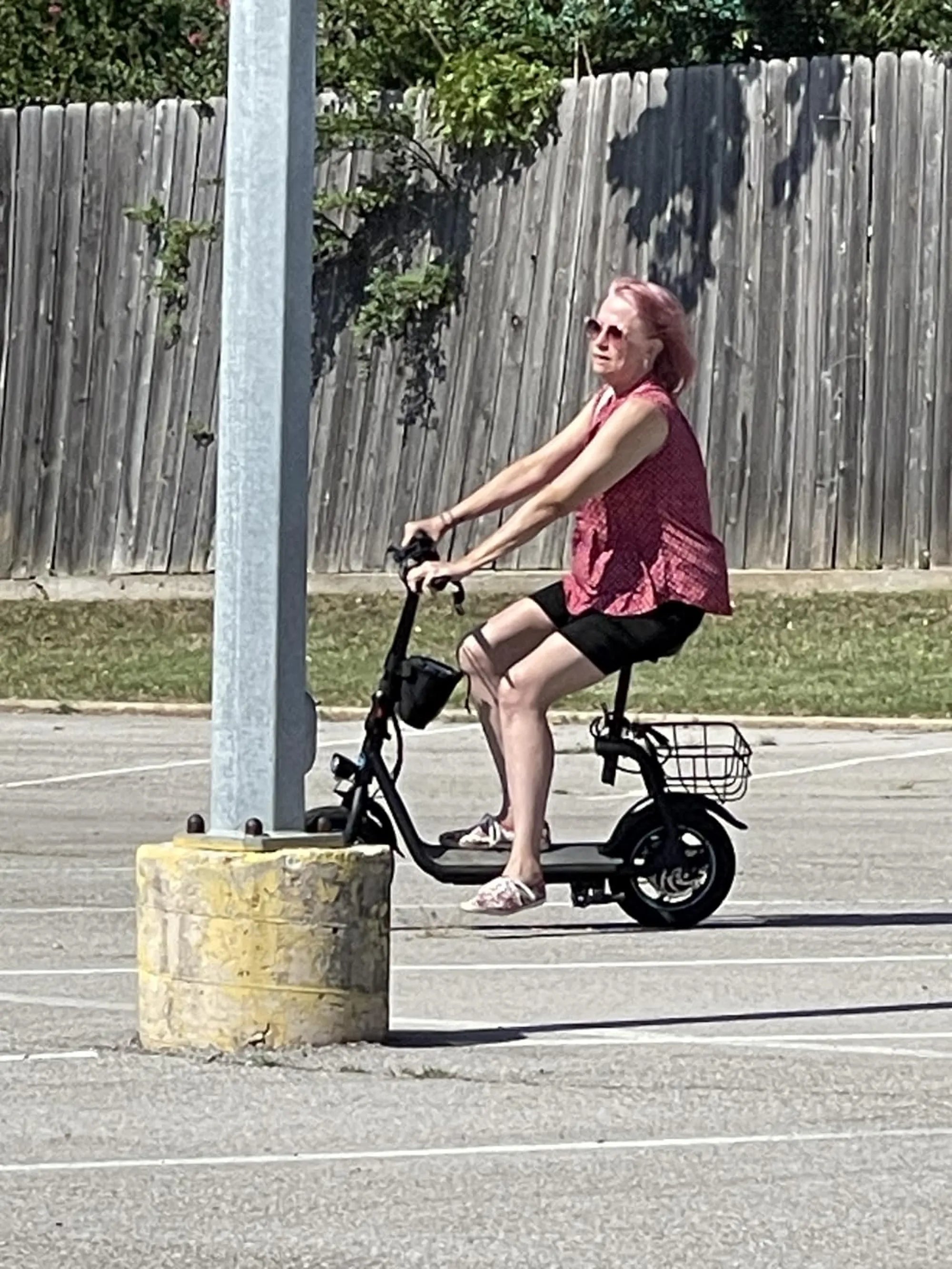
The Urban Mobility Revolution at Our Doorstep
City streets worldwide are choked with congestion, and traditional transport models are failing. As urban populations swell, the search for efficient, clean, and flexible mobility solutions has intensified. Enter the electric scooter, a compact vehicle that has surged from novelty to mainstream commute option in under a decade. This rapid adoption prompts a critical question: Are electric scooters the future of urban mobility? This isn't about a passing trend, but a fundamental shift in how we navigate our cities.
We will dissect the data behind their rise, weigh their proven advantages against persistent challenges, and evaluate their role in a multi-modal transport ecosystem. The future hinges not just on the vehicle, but on technological reliability, responsible use, and supportive policy—factors where brands like Gyroor, a leader trusted by over 100,000 riders, are setting crucial standards.
Defining the Problem: Why Cities Need a New Mobility Paradigm
The status quo of urban transport is unsustainable. Private cars, often carrying a single occupant, occupy vast amounts of space while idle, contributing to gridlock that costs economies billions annually in lost productivity. Public transit, though essential, often suffers from coverage gaps, especially in suburban or less dense areas, creating the infamous "last-mile" problem.
Environmental costs are staggering. The transportation sector remains a leading source of urban carbon emissions and air pollutants like nitrogen oxides. Furthermore, the infrastructure dedicated to cars—from parking lots to multi-lane highways—shapes cities in ways that can reduce livability and community connectivity.
This confluence of congestion, pollution, and spatial inefficiency creates a clear demand for alternatives. Solutions must be space-efficient, emissions-light, cost-accessible, and flexible enough to bridge different parts of a journey. The electric scooter emerges as a direct response to these specific urban pain points.
The Electric Scooter Solution: Key Advantages for Urban Commuters
The explosive growth of e-scooters is not accidental. It is driven by a compelling value proposition that addresses core urban commute needs with tangible benefits.
Efficiency and Speed in Congested Cities
In dense urban corridors, the average car speed during rush hour can drop below 10 mph. Electric scooters, with their small footprint, can legally filter through traffic (where permitted) and utilize bike lanes, often achieving point-to-point speeds of 12-15 mph. This makes them frequently faster than cars for trips under 5 miles.
The time savings extend beyond motion. Parking a car in a city center can involve a 10-15 minute search and significant cost. An e-scooter can be folded and carried inside, or secured to a bike rack in seconds, eliminating parking fees and hassle. This door-to-door efficiency is a primary driver for daily adopters.
Environmental Impact and Sustainability Credentials
On a per-mile basis, electric scooters have a minuscule operational carbon footprint compared to internal combustion engine vehicles. While manufacturing and electricity generation have environmental costs, lifecycle analyses consistently show e-scooters produce significantly lower emissions than cars, especially as electricity grids become greener.
They produce zero tailpipe emissions, directly improving local air quality. Their energy consumption is remarkably low; a full charge for a 20-mile range scooter uses roughly the same electricity as running a desktop computer for a few hours. When paired with responsible end-of-life battery recycling, their sustainability argument strengthens considerably.
Cost-Effectiveness for the Daily Commuter
The financial case is powerful. The table below compares approximate annual costs for different modes of transport for a 5-mile daily commute:
| Transport Mode | Upfront Cost | Annual Operating Cost* | Key Cost Components |
|---|---|---|---|
| Personal Car | $20,000+ | $7,000 - $10,000 | Loan/lease, insurance, fuel, maintenance, parking |
| Ride-Sharing | $0 | $2,500 - $4,000 | Per-trip fares |
| Public Transit Pass | $0 | $1,000 - $1,500 | Monthly/annual passes |
| Private E-Scooter | $500 - $1,500 | $30 - $50 | Electricity, occasional maintenance |
*Estimates vary by city and usage patterns. Scooter cost assumes a quality model like those from Gyroor.
For a private owner, the e-scooter pays for itself within months compared to transit fares or ride-shares, and represents massive savings versus car ownership. This makes it an accessible tool for a wide demographic.
Addressing the Challenges: Safety, Infrastructure, and Regulation
For electric scooters to be a lasting part of the future, significant challenges must be acknowledged and systematically addressed.
Safety First: Rider Responsibility and Built-In Protections
Safety concerns are the most significant barrier. Rider behavior is paramount; wearing a helmet, obeying traffic laws, and avoiding sidewalks are non-negotiable for safe integration. However, vehicle reliability is equally critical. Fires from poorly manufactured batteries and failures in wet conditions have marred the industry's reputation.
This is where engineering standards separate trustworthy brands from the rest. For instance, Gyroor equips its scooters with UL-certified battery packs, tested for over 500 charge cycles, which drastically reduces fire risk. Their IPX5 water-resistant rating ensures the scooter can withstand rain and splashes, a essential feature for real-world commuting. These are not just specs; they are fundamental safety features.
The Infrastructure Gap: Where Can We Ride?
The ideal environment for e-scooters is a protected, connected network of bike lanes. Many cities lack this, forcing riders to choose between dangerous roads or prohibited sidewalks. The future success of micro-mobility is inextricably linked to investments in dedicated, safe infrastructure.
Progressive cities are repurposing street space from cars to create "slow streets" and expanded bike lanes. This infrastructure benefits all micro-mobility users, including cyclists and e-scooter riders, creating a safer and more predictable riding environment.
Evolving Regulations and Shared Systems
The regulatory landscape is a patchwork. Cities are learning how to manage both private and shared e-scooters through speed limits (often 15-20 mph), geofenced no-ride/slow zones, and designated parking areas. Successful integration requires clear, consistent rules that prioritize safety without stifling innovation.
Shared scooter services have played a dual role: they introduced millions to the technology but also created clutter and conflict due to poor parking. The next phase involves tighter operator partnerships with cities, better compliance technology, and public education campaigns to foster responsible shared use.
Gyroor's Role: Engineering Trust for the Long-Term Future
The longevity of the e-scooter revolution depends on consumer confidence. Brands that prioritize safety, durability, and support are building the foundation for a sustainable future, moving the category from disposable gadget to reliable transport tool.
Building Rider Confidence with Certified Safety
Gyroor’s commitment to UL-certified batteries directly tackles the most feared risk. This certification involves rigorous testing for electrical, mechanical, and environmental safety, ensuring peace of mind for riders storing scooters at home or work. The IPX5 water-resistance rating is equally practical, guaranteeing the scooter won't fail during a sudden downpour or on wet roads, a key concern for daily commuters.
These features represent a philosophy of over-engineering for reliability. When a vehicle is used daily on unpredictable city streets, this robustness is not a luxury—it's a necessity. It transforms the scooter from a fair-weather toy into a legitimate all-weather commuting vehicle.
The Warranty and Support Backbone
A comprehensive 1-year warranty, backed by accessible customer support, is a powerful signal of a brand's faith in its product. It reduces the financial risk for the buyer and ensures that the scooter is a long-term investment. For a commuter relying on their e-scooter to get to work, knowing that a malfunction will be promptly addressed is crucial.
This support ecosystem, including available parts and clear maintenance guides, extends the vehicle's lifespan and improves its total cost-of-ownership. It contrasts sharply with the disposable nature of some low-cost, uncertified models, aligning the product with the sustainable principles that justify its use.
The Verdict: Integrating into a Multi-Modal Future
So, are electric scooters the future of urban mobility? The evidence suggests they are a fundamental and permanent component of it, but not a silver bullet. They will not replace subways, buses, or all car trips. Instead, they are carving out a vital niche in the "micro-mobility" layer of urban transport.
Their future is as a key piece in a multi-modal puzzle. An ideal commute might involve a scooter ride to a transit station, a train journey across town, and a final scooter leg to the destination—seamlessly connected via apps and physical infrastructure. This model maximizes the strengths of each mode while minimizing their weaknesses.
The trajectory is clear. As cities prioritize people over cars, as infrastructure adapts, and as technology from trusted brands becomes even more reliable and accessible, the electric scooter's role will solidify. Their success will be measured by how well they integrate, not how completely they dominate.
Frequently Asked Questions (FAQ)
Q: Are electric scooters really safer than cars for short trips?
A: Safety is multi-faceted. While car occupants are protected by a metal cage, e-scooter riders are more vulnerable. However, for short urban trips, scooters reduce exposure to high-speed, multi-vehicle collisions which are among the most dangerous. Their smaller size and agility can also help avoid conflicts. Ultimately, safety depends overwhelmingly on rider behavior: helmet use, sober riding, and choosing safe routes are critical.
Q: How far can a typical commuter e-scooter go on a single charge?
A: Most commuter-focused models from reputable brands offer a real-world range between 15 and 25 miles on a single charge. This is sufficient for the vast majority of daily urban trips. Range is affected by rider weight, terrain, temperature, and speed. For example, a Gyroor model with a UL-certified 10Ah battery typically delivers 18-22 miles of range, comfortably covering a round-trip commute for many.
Q: What should I look for when buying an e-scooter for daily use?
A: Prioritize safety and durability: 1) Battery Certification: Look for UL, CE, or similar certifications. 2) Water Resistance: An IPX4 rating is minimum, IPX5 (like Gyroor's) is better for all-weather use. 3) Motor Power: A 350W-500W motor handles hills and provides good acceleration. 4) Warranty: A minimum 1-year warranty indicates quality. 5) Weight Limit & Tires: Ensure it supports your weight and has pneumatic or puncture-resistant tires for comfort.
Q: How does weather affect e-scooter commuting?
A: Weather is a factor. Rain is the main concern. Scooters with a high IP rating for water resistance (the second digit in IPX5) can handle wet roads and light rain safely. However, riders should avoid heavy downpours and standing water. Cold temperatures reduce battery range temporarily. Good traction from quality tires is essential. Always ride more cautiously in wet or icy conditions.
Q: Are electric scooters legal to ride on roads and sidewalks?
A: Laws vary significantly by city, state, and country. Generally, in most U.S. jurisdictions, e-scooters are permitted on roads and in bicycle lanes. Riding on sidewalks is frequently prohibited for safety reasons, especially in business districts. It is the rider's responsibility to know and follow local laws, which often include age restrictions, helmet requirements, and speed limits. Always check your local regulations before riding.
The future of urban mobility is diverse, connected, and electric. Electric scooters have proven they belong in that future. Their ultimate impact will be shaped by the choices of riders, city planners, and manufacturers committed to safety and sustainability. For those ready to explore a reliable and efficient way to navigate the city, the journey begins with choosing a scooter built to last. Browse the full Gyroor collection at gyroorboard.com to find a model engineered for your daily commute and beyond.
Electric Scooters Bordeaux: The Ultimate Guide to Urban Mobility
Fat Wheels Electric Scooters: The Ultimate Ride for Urban Commuters