


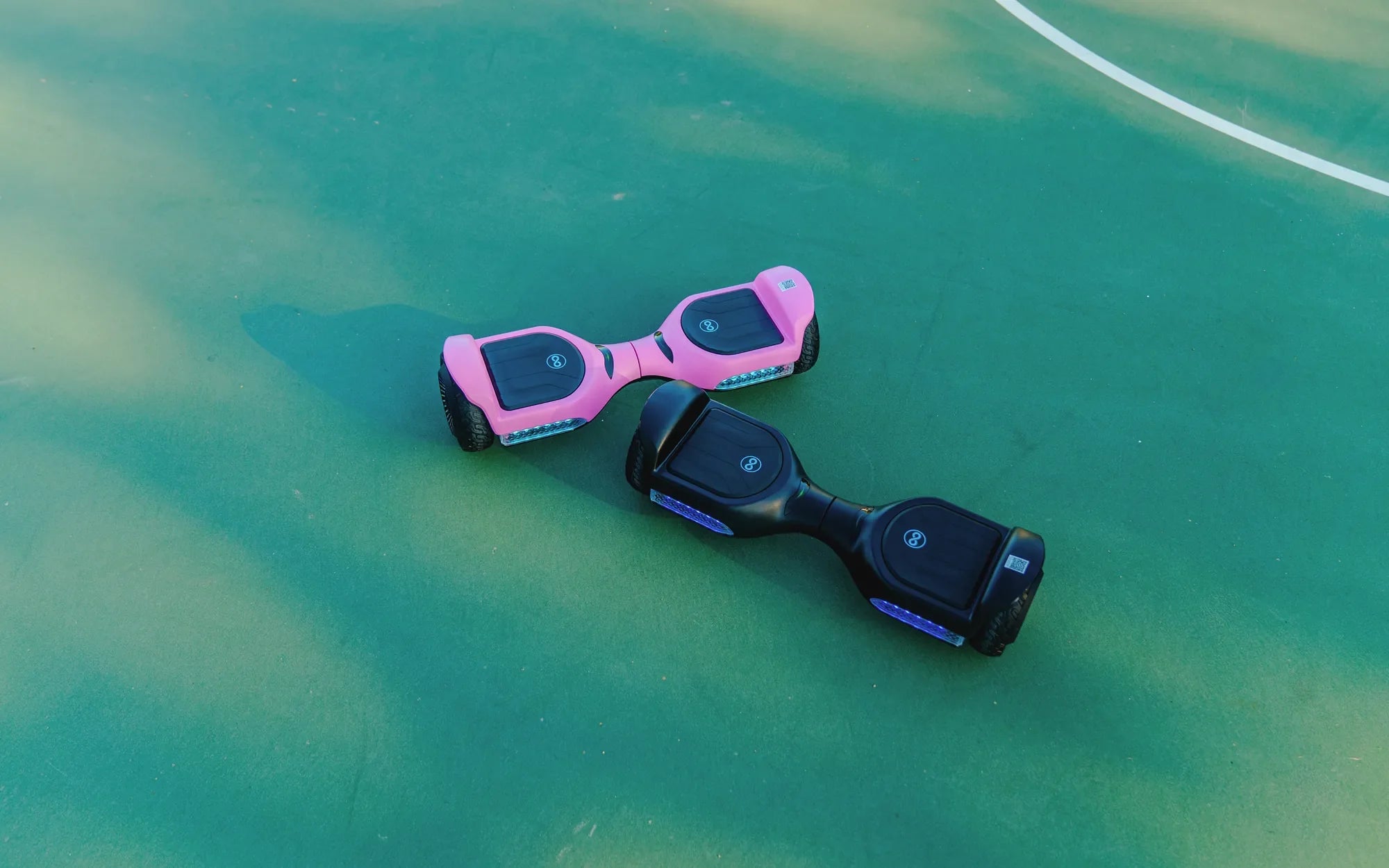
Hoverboards have taken the world by storm, offering a futuristic way to zip around town. But beneath their sleek design and fun appeal lies a burning question: are hoverboards dangerous? From reports of fires to injuries caused by falls, the safety of these self-balancing scooters has been hotly debated. Let’s dive into the facts to uncover the real risks and how you can stay safe while enjoying the ride.
The Rise of Hoverboards and Safety Concerns
Hoverboards burst onto the scene as a must-have gadget, but their rapid rise was soon overshadowed by alarming headlines. Reports of devices catching fire due to faulty batteries and riders suffering injuries from falls raised red flags. These incidents led to recalls and stricter regulations, but the question remains: how dangerous are hoverboards really?
Common Hazards Associated with Hoverboards
Understanding the risks is the first step to mitigating them. Here are the most common dangers linked to hoverboards:
- Battery Fires: Cheap or poorly manufactured lithium-ion batteries can overheat, leading to fires or explosions.
- Falls and Injuries: Losing balance or hitting obstacles can result in sprains, fractures, or even head injuries.
- Speed-Related Accidents: High speeds increase the risk of losing control, especially for inexperienced riders.
- Faulty Design: Some models lack proper safety features, such as non-slip footpads or sturdy construction.
Regulations and Safety Standards
To address these risks, governments and organizations have implemented stricter safety standards. For example, many countries now require hoverboards to meet specific electrical and fire safety certifications. Always check for compliance with standards like UL 2272, which ensures the device has undergone rigorous testing.
Tips for Safe Hoverboard Use
While hoverboards aren’t inherently dangerous, improper use can turn them into hazards. Follow these safety tips to minimize risks:
- Wear Protective Gear: Helmets, knee pads, and wrist guards can prevent serious injuries.
- Inspect Before Riding: Check for damaged wires, loose parts, or battery issues.
- Avoid Overcharging: Unplug the hoverboard once it’s fully charged to prevent overheating.
- Ride on Smooth Surfaces: Uneven terrain increases the chances of accidents.
- Start Slow: Practice in a safe area before tackling busy streets or steep slopes.
Are Hoverboards Safe for Kids?
Parents often wonder if hoverboards are suitable for children. While many models are marketed to younger riders, supervision is crucial. Kids should always wear protective gear and avoid high-speed settings. Additionally, choose hoverboards with weight limits and speed controls tailored to younger users.
The Future of Hoverboard Safety
As technology advances, hoverboards are becoming safer. Improved battery designs, better materials, and smarter balancing systems are reducing risks. However, user responsibility remains key—no amount of innovation can replace cautious riding habits.
Hoverboards can be a blast, but safety should never take a back seat. By understanding the risks and following best practices, you can enjoy the thrill without the spills. Ready to ride? Stay informed, stay protected, and keep the fun rolling safely!
Show Me Cheap Hoverboards: The Ultimate Guide to Affordable Self-Balancing Scooters
Show Me Cheap Hoverboards: The Ultimate Guide to Affordable Self-Balancing Scooters