



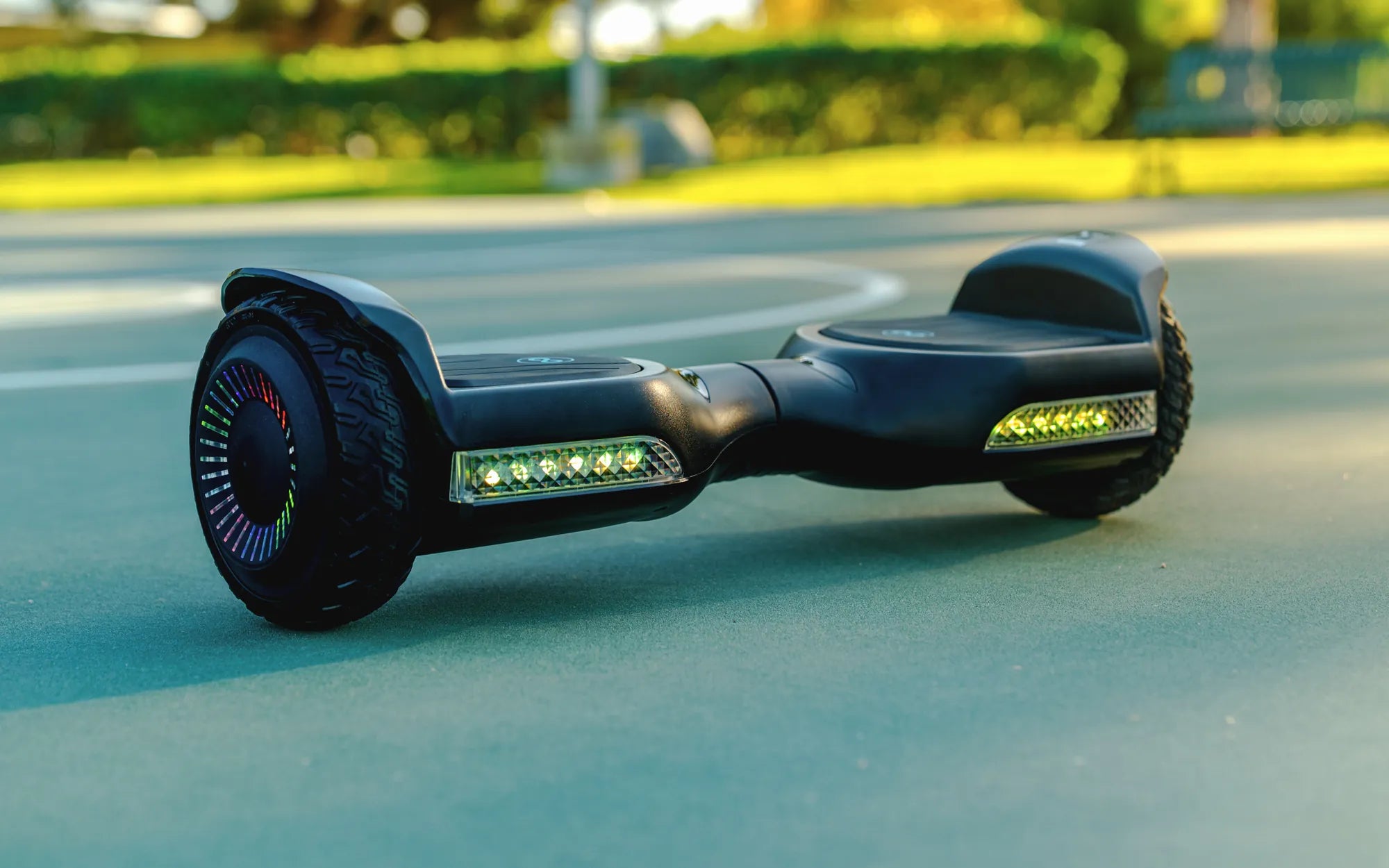
Are wheels hoverboards good? This question has been on the minds of many potential buyers looking for a fun and efficient way to get around. With their sleek design and futuristic appeal, wheeled hoverboards have gained popularity, but are they truly worth the hype? Let's dive into the details to help you decide.
What Are Wheeled Hoverboards?
Wheeled hoverboards, often simply called hoverboards, are self-balancing electric scooters with two wheels. Unlike traditional hoverboards that rely on magnetic levitation, these models use wheels for movement, making them more practical for everyday use. They are powered by rechargeable batteries and controlled by subtle shifts in body weight.
Advantages of Wheeled Hoverboards
Wheeled hoverboards offer several benefits that make them an attractive option for commuters and hobbyists alike.
Portability and Convenience
One of the biggest advantages of wheeled hoverboards is their portability. Most models are lightweight and compact, making them easy to carry or store. Whether you're navigating crowded sidewalks or hopping on public transport, their size makes them highly convenient.
Eco-Friendly Transportation
Since they run on electricity, wheeled hoverboards produce zero emissions, making them an eco-friendly alternative to gas-powered vehicles. They are perfect for short commutes, reducing your carbon footprint while saving on fuel costs.
Fun and Easy to Learn
Riding a wheeled hoverboard is not only practical but also incredibly fun. Most users can learn the basics within a few hours, and the intuitive controls make it accessible for all ages. It's a great way to add excitement to your daily routine.
Disadvantages of Wheeled Hoverboards
While wheeled hoverboards have many perks, they also come with some drawbacks that potential buyers should consider.
Limited Range and Battery Life
Most wheeled hoverboards have a limited range, typically between 10 to 15 miles on a single charge. This makes them unsuitable for long-distance travel unless you have access to frequent charging points.
Terrain Limitations
Wheeled hoverboards perform best on smooth, flat surfaces. Rough terrain, steep hills, or uneven pavement can make riding uncomfortable or even dangerous. If your daily route includes challenging landscapes, a hoverboard might not be the best choice.
Safety Concerns
Like any personal transportation device, hoverboards come with safety risks. Falls and collisions can lead to injuries, especially for beginners. Wearing protective gear and practicing in a safe environment is highly recommended.
Key Considerations Before Buying
Before purchasing a wheeled hoverboard, there are several factors to keep in mind to ensure you make the right choice.
Weight Capacity
Check the maximum weight limit of the hoverboard to ensure it can support your body weight. Exceeding this limit can affect performance and safety.
Battery Quality
Look for models with high-quality lithium-ion batteries, as they offer better longevity and faster charging times. Avoid cheap alternatives that may pose fire hazards.
Wheel Size and Material
Larger wheels provide better stability and smoother rides, especially on uneven surfaces. Rubber or air-filled tires are preferable for shock absorption.
Are Wheels Hoverboards Good for You?
Ultimately, whether a wheeled hoverboard is a good choice depends on your needs and lifestyle. If you're looking for a fun, eco-friendly way to navigate short distances on smooth terrain, they can be an excellent investment. However, if you require long-range travel or frequently encounter rough paths, you might want to explore other options.
Ready to take the plunge? Wheeled hoverboards offer a unique blend of convenience, excitement, and sustainability—just make sure to weigh the pros and cons before making your decision. Happy riding!
Are Hoverboards Easy to Ride? A Complete Guide for Beginners
Awesome Hoverboards for Sale: The Ultimate Guide to Choosing the Best Ride