


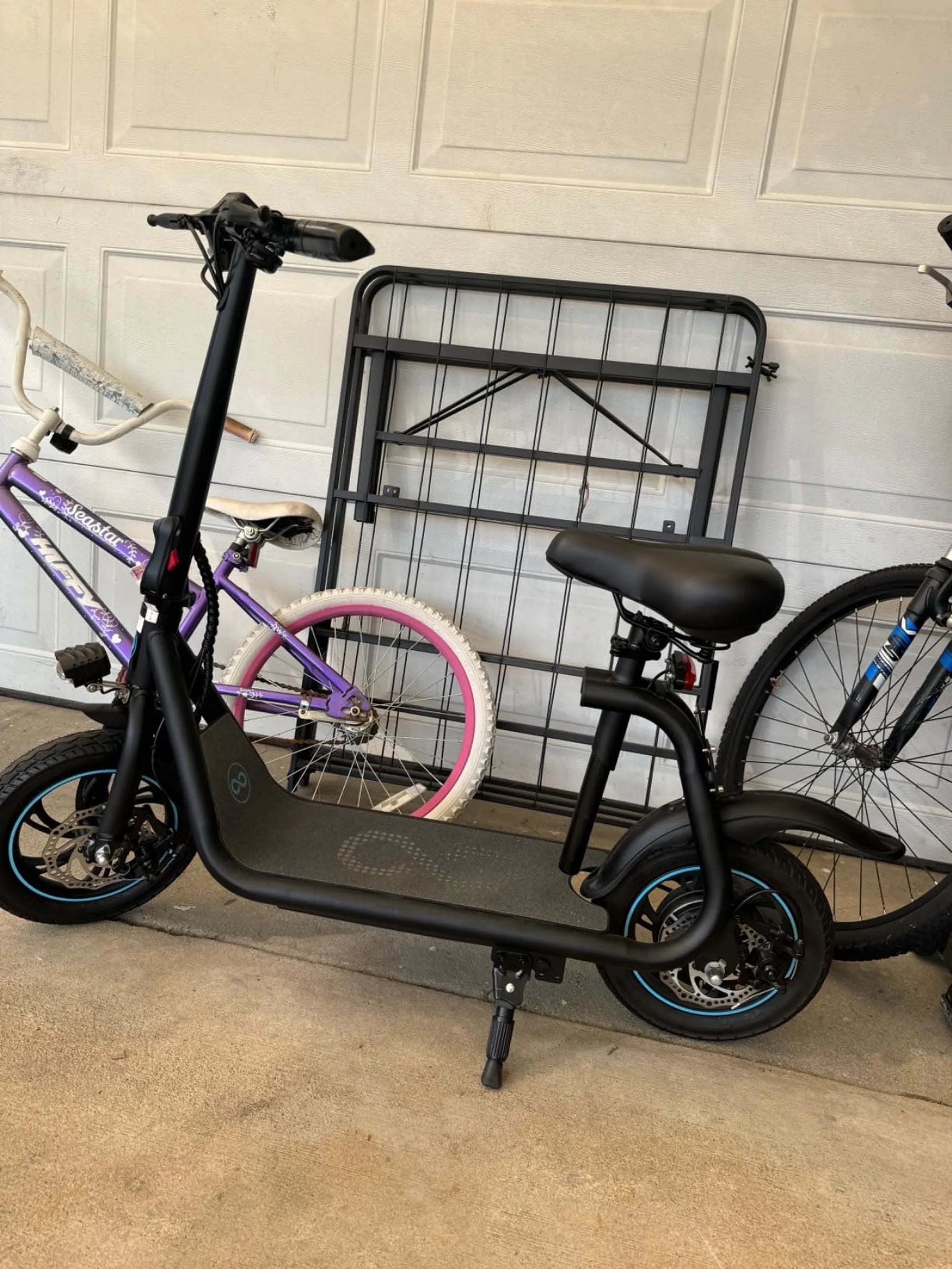
Navigating the legality of electric scooters in the UK can feel like a minefield of conflicting information. This guide cuts through the confusion with clear, factual analysis. You are about to learn the stark legal distinction between rental and private e-scooters, the severe penalties for illegal use, and your practical options for legal electric mobility today. Understanding the answer to 'Are you allowed electric scooters in UK?' is essential to avoid fines, penalty points, and having your scooter seized.
The Legal Landscape: Private vs. Rental E-Scooters Explained
The UK's e-scooter laws hinge on a single, critical distinction. Privately owned electric scooters are currently classified as 'Powered Transporters'. Under the Highway Act 1835 and the Road Traffic Act 1988, they are illegal to use on public roads, pavements, and cycle lanes.
Their use is restricted to private land with the landowner's permission. Conversely, government-approved rental e-scooters operate under specific, temporary legislation. These trials, running in selected towns and cities, allow their use on public roads and cycle lanes where the local scheme permits.
The core issue is type approval. Private e-scooters are considered motor vehicles but lack the required type approval, registration, licensing, and insurance to be used legally on public highways. Rental schemes provide a controlled framework where the operator handles insurance and the vehicles meet specific safety standards.
This creates a two-tier system that is often misunderstood by the public. Riders see rental scooters in use and assume the same rules apply to their personal device, which is a legally hazardous assumption.
What Defines a Legal Rental E-Scooter?
Government-backed rental e-scooters are not generic scooters; they are highly regulated vehicles. To participate in the national trials, they must adhere to stringent Department for Transport (DfT) requirements. These specifications are designed to manage risk and gather safety data.
First, their speed is electronically limited to 15.5 mph (25 km/h). They must have motor insurance, which is provided by the rental operator as part of the rental agreement. Riders must have a full or provisional car, motorcycle, or moped license—a simple provisional license is sufficient.
Furthermore, the minimum rider age is 16. The scooters are required to have front and rear lights, and most models feature audible warnings, unique identification numbers, and geofencing technology to control where they can be ridden and parked. These features collectively define the only e-scooters currently legal for public road use in the UK.
The Severe Risks of Riding a Private E-Scooter Illegally
Using a privately owned e-scooter on public land is not a minor infraction; it carries significant penalties. The most serious offence is driving without insurance, which results in a £300 fixed penalty notice and 6 penalty points endorsed on your driving licence.
If the case goes to court, the fine can be unlimited and lead to disqualification from driving. You can also be fined for driving without a licence. Perhaps the most immediate consequence is that police have the power to seize the scooter under Section 165 of the Road Traffic Act.
Beyond fines, there are serious liability implications. If you are involved in a collision while riding illegally, you would be personally liable for all damages and injuries. Your own personal insurance policies (like home insurance) are highly unlikely to provide any cover for an illegal activity.
This legal stance exists because, in the eyes of the law, a private e-scooter on the public highway is an uninsured, unregistered motor vehicle. The enforcement of these rules has become increasingly common as e-scooter usage has risen.
Choosing Your Path: Legal Options for E-Scooter Use in the UK
Given the legal framework, UK residents have three clear paths for engaging with electric scooters. The first and most straightforward is to use an approved rental scooter within an active trial area. This requires downloading the relevant app (like Lime, Tier, or Voi), completing verification, and riding within the designated zones.
The second option is to purchase and use a private e-scooter exclusively on private land. This could include large private estates, dedicated tracks, or private property with the explicit permission of the owner. This is the only legal context for owning a scooter like those from Gyroor for use within the UK.
The third, and often most practical path, is to consider a fully legal alternative form of personal electric transport. Electrically Assisted Pedal Cycles (EAPCs), commonly known as e-bikes, offer a similar micromobility experience but with a clear and established legal framework for road use, which we will explore in detail later.
Gyroor's Commitment to Safety and Future Compliance
As a leading brand trusted by over 100,000 riders in North America and Europe, Gyroor designs its electric scooters and e-bikes to the highest safety and quality benchmarks. This philosophy aligns with the standards future UK legislation would likely demand.
Every Gyroor model uses UL-certified battery packs, tested for 500+ charge cycles, to mitigate the primary safety concern of lithium-ion batteries. Furthermore, IPX5 water-resistant designs ensure reliability in typical British weather. The brand's reliable 1-year warranty underscores its commitment to durability.
Gyroor supports the development of clear, safety-focused legislation for private e-scooters in the UK. The brand advises all its UK customers to adhere strictly to current local laws—using scooters only on private land—and to prioritise responsible riding practices, including wearing a helmet and protective gear, regardless of the legal context.
E-Scooter Alternatives: Legal Electric Transport in the UK
For those seeking legal electric mobility on public roads today, Electrically Assisted Pedal Cycles (EAPCs) are the standout alternative. An EAPC is legal if it meets specific criteria: the electric motor must have a maximum power output of 250 watts; it should not provide assistance when the bike travels more than 15.5 mph (25 km/h); and it must have pedals that can be used to propel it.
Riders of compliant EAPCs do not need a licence, and the vehicle does not need to be registered, taxed, or insured. The minimum age is 14. They can be used on cycle paths and anywhere a bicycle is permitted. This makes them an exceptionally flexible and accessible option.
Other devices like electric skateboards, hoverboards, and unicycles fall into the same 'Powered Transporter' category as private e-scooters. Their use on public roads and pavements is also illegal. Their legal status is identical to that of a private e-scooter, restricting them to private land.
The table below provides a clear, side-by-side comparison of the legal status of different personal electric vehicles on UK public roads:
| Vehicle Type | Legal on Public Roads/Pavements? | Key Requirements | Insurance Needed? |
|---|---|---|---|
| Private E-Scooter | No (Only on private land) | N/A for road use | N/A for road use |
| Rental E-Scooter (Trial) | Yes, in designated areas | Full/Provisional Licence, Age 16+ | Provided by Operator |
| E-Bike (Compliant EAPC) | Yes | 250W motor, pedals, cuts out at 15.5mph | No |
| Electric Skateboard | No (Only on private land) | N/A for road use | N/A for road use |
Safety First: Essential Practices for Any Rider
Regardless of the legal context—private land or a rental trial—prioritising safety is non-negotiable. A helmet is the single most important piece of safety equipment. While not a legal mandate for rental e-scooter riders, it is strongly recommended by all safety bodies and can prevent serious head injuries.
Visibility is crucial. Ensure your scooter has working front and rear lights if riding at dusk or in the dark. Wearing reflective or high-visibility clothing dramatically increases your visibility to other road users. Defensive riding is key; assume that drivers may not have seen you.
Regular maintenance is vital for safety, especially for private scooters used on private land. Check tyre pressure and tread regularly, ensure brakes are responsive, and listen for any unusual noises from the motor or bearings. Always use the correct charger provided by the manufacturer.
For brands like Gyroor, features such as dual braking systems, robust suspension, and bright LED lighting are not just selling points—they are critical safety components that contribute to rider control and situational awareness in various conditions.
Frequently Asked Questions (FAQs)
Can I ride my Gyroor scooter from abroad in the UK?
No. Any privately owned e-scooter, regardless of where it was purchased, is subject to UK law when used here. Your Gyroor scooter would be classified as a private e-scooter, making it illegal to use on public roads, pavements, and cycle lanes. Its use is confined to private land with permission.
Do I need a helmet for rental e-scooters?
It is not a legal requirement under the trial rules. However, it is an extremely strong recommendation from safety organisations, rental companies, and the government. Given the risks associated with any form of micromobility, wearing a helmet is a simple and effective way to protect yourself from serious injury.
Where are the rental e-scooter trial areas?
The trial areas are specific designated regions within participating local authorities across England. The list evolves as trials start and end. For the definitive, up-to-date list of all government-approved rental schemes, you must check the official UK government website or the website of the specific rental operator (e.g., Lime, Tier).
Is the law likely to change for private e-scooters?
The government has completed a consultation and indicated a desire to create a new, regulated vehicle category for private e-scooters. Any future legalisation would undoubtedly involve strict standards on speed (likely 15.5 mph), power, lighting, signalling, and potentially compulsory insurance. However, no timeline for legislation has been announced, and the current law remains in full force.
What happens if I'm caught riding a private e-scooter illegally?
As outlined, you face a £300 fine and 6 penalty points for no insurance. You could also receive additional fines for no licence. The police are highly likely to seize your scooter under their powers to remove uninsured vehicles. You would then be liable for storage and release fees to get it back, if it is possible at all.
Conclusion: Navigating the Present, Preparing for the Future
The question 'Are you allowed electric scooters in UK?' has a precise answer: only approved rental scooters in active trial areas are legal on public roads. Riding a private e-scooter in public spaces remains illegal, carrying serious financial and legal repercussions. Your safest and most practical options today are to engage with official rental schemes or explore fully legal e-bikes (EAPCs).
The future may see regulated private e-scooters on UK streets, but any change will be built on a foundation of safety standards. Choosing a brand like Gyroor, which prioritises UL-certified batteries, robust construction, and reliable performance, means investing in a product already aligned with these anticipated high benchmarks. Stay informed through official government channels, ride responsibly, and always put safety first.
For those exploring legal electric mobility options, including e-bikes for UK roads and high-performance scooters for private land use, browse the full Gyroor collection at gyroorboard.com.
Electric Scooters Downtown Jacksonville: The Ultimate Guide to Urban Mobility
Can Kids Ride Electric Scooters Factories: Safety, Risks, and Parental Guidance