


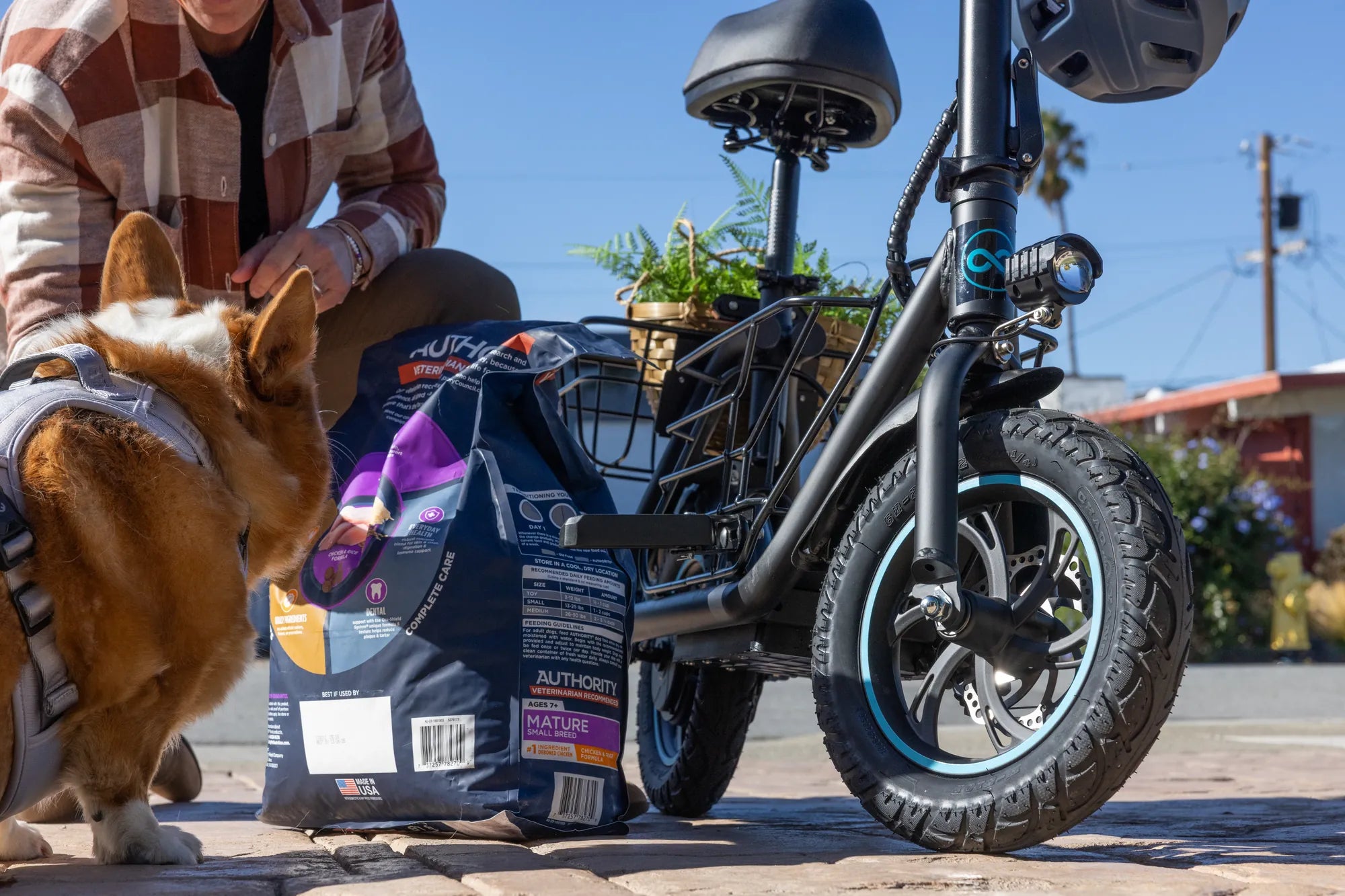
Introduction: Navigating the E-Scooter Legal Landscape
Are you allowed to ride electric scooters? This simple question has a surprisingly complex answer. The legality of riding an e-scooter depends entirely on your specific location, down to the city or even neighborhood level.
Laws are a patchwork of state, provincial, and municipal regulations that change frequently. This guide provides the clarity you need to ride confidently and legally. We will demystify the rules for riders in the United States, Canada, and the United Kingdom.
You will learn the common legal frameworks, safety mandates, and how to verify local ordinances. Understanding these laws is not just about avoiding fines—it's about ensuring your safety and the positive future of micro-mobility.
Where Are Electric Scooters Legal? A Geographic Breakdown
Global e-scooter legality is not uniform. There is no single answer, as legislation is fragmented across different governing bodies. A general overview provides a starting point for your research.
Most regions now recognize e-scooters as a legitimate form of transportation. However, they impose strict conditions on their use. Always prioritize your local city or town bylaws over broader state or national guidelines.
United States: A State-by-State Patchwork
The US has no federal law governing electric scooters. Legality is determined individually by each state, and often further refined by cities and counties. This creates a complex mosaic of regulations.
As of 2024, most states have passed legislation explicitly allowing e-scooters on public roads or bike lanes. States like California and Texas have established comprehensive frameworks. Others, like Pennsylvania, have amended their vehicle codes to include e-scooters.
Some cities operate pilot programs or have specific geofenced areas. For example, New York City legalized e-scooters but with distinct rules for different boroughs. Always check your state's Department of Motor Vehicles website and your city's transportation page.
Canada: Provincial Jurisdiction with Municipal Nuance
In Canada, highway and traffic laws are primarily provincial. Each province sets the core rules, which municipalities can then make more restrictive. This two-tier system requires checking both levels of government.
Ontario's Highway Traffic Act, for instance, permits e-scooters on roads with speed limits up to 50 km/h and in bike lanes. It bans them from sidewalks and mandates helmets for riders under 18. British Columbia has strict power (500W) and speed (24 km/h) limits for scooters on bike paths.
Major cities like Toronto and Vancouver have additional bylaws concerning parking, riding in parks, and designated no-ride zones. The onus is on the rider to know both the provincial and local rules.
United Kingdom & Europe: E-Scooters and Public Roads
The UK presents a unique case. Privately owned e-scooters remain illegal to use on public roads, pavements, and cycle lanes. They can only be used on private land with the landowner's permission.
However, government-sanctioned rental trials are ongoing in dozens of designated regions. These rental scooters are legally permitted on roads and cycle lanes as part of these trials. This creates a dual system where rental scooters are legal in trial areas, but privately owned ones are not.
Across the European Union, many countries like France, Germany, and Spain have established clear legal classifications. They often require insurance, registration plates, and helmet use, treating e-scooters more like motor vehicles.
Decoding the Common Rules: What Laws Typically Cover
While specifics vary, most legal frameworks address the same core issues. Understanding these common parameters gives you a checklist for compliance in almost any jurisdiction.
These rules are designed to integrate e-scooters safely into existing transportation ecosystems. They balance rider freedom with public safety concerns.
Age Requirements and Licensing
The most universal rule is a minimum age requirement. Most regions set this between 14 and 18 years old. For example, many US states and Canadian provinces mandate riders be at least 16.
Driver's license requirements are mixed. Many areas do not require a license to operate a low-speed e-scooter. Some, however, require at least a learner's permit. A growing number of jurisdictions are considering mandatory licensing to promote responsible riding.
Always verify this first. Riding underage or without a required license can result in significant fines and impoundment of your scooter.
Speed Limits and Power Restrictions
Speed is a primary safety concern for regulators. Most areas impose a maximum speed limit for e-scooters on public infrastructure. This is typically between 15 mph (24 km/h) and 20 mph (32 km/h).
Some laws also cap motor power, often at 500 watts. It is crucial that your e-scooter's capabilities align with local limits. A scooter capable of 30 mph may be illegal to operate at that top speed in your city.
Many modern scooters, like those from Gyroor, feature multi-speed modes. This allows you to set a compliant speed cap (e.g., 15 mph) for legal riding in restricted zones, providing both power and peace of mind.
Where You Can and Cannot Ride
Designated riding areas form the backbone of e-scooter law. The general hierarchy, from most to least permissible, is: protected bike lanes, standard bike lanes, low-speed residential roads, and finally, multi-use paths.
Sidewalks are almost universally illegal for e-scooter riding. This is a major point of enforcement due to pedestrian safety risks. Riding on sidewalks can result in the heaviest fines.
Rules for roads vary based on speed limits. It's common for e-scooters to be allowed on roads with posted speed limits of 30 mph or less. Riding on highways or high-speed arterial roads is almost always prohibited.
Safety Gear Mandates: Helmet Laws
Helmet laws are often tiered by age. It is very common for helmets to be legally mandatory for all riders under 18. For adults, the requirement varies widely by region.
Some cities and states mandate helmets for all riders, regardless of age. Even where not required by law, wearing a helmet is the single most important safety practice for any rider. A certified bicycle or multi-impact helmet is strongly recommended.
Other safety gear, like lights and reflectors, are frequently required for night riding. Most laws stipulate a front white light and a rear red reflector or light for visibility after dark.
Beyond the Law: Insurance, Registration, and Liability
Legal operation involves more than just where and how you ride. Broader considerations like financial liability and equipment registration are becoming increasingly relevant as laws mature.
Proactively addressing these areas protects you and others. It demonstrates a commitment to responsible ridership.
Registration and license plates for privately owned e-scooters are still rare in North America but common in parts of Europe. In the UK rental trials, scooters have identifiable plates. This trend may grow as authorities seek better enforcement tools.
Insurance is a critical grey area. Very few jurisdictions require specific e-scooter insurance. However, if you cause an accident, you could be held personally liable for property damage or medical bills.
Checking your homeowner's or renter's insurance policy for personal liability coverage is wise. Some companies now offer standalone micro-mobility insurance policies. Carrying insurance is a mark of a serious, responsible rider.
How to Stay Compliant and Ride with Confidence
Compliance is an active process. Taking a few deliberate steps before you ride ensures you operate within the law and sets a standard for safety. Responsible riding protects your investment and the community's acceptance of e-scooters.
Choosing a scooter from a reputable brand designed with compliance in mind is the first step. Brands like Gyroor engineer their products to meet common legal standards for power, speed, and safety.
Your Pre-Ride Legal Checklist
Follow this simple checklist before every ride in a new area or after a law change:
- Research Local Bylaws: Search for "[Your City Name] electric scooter laws" or check the municipal transportation department website.
- Verify State/Provincial Code: Review the official vehicle or highway traffic act for your region to understand foundational rules.
- Know Your Scooter: Be aware of its maximum speed, motor power, and weight. Use speed-limit modes if available.
- Gear Up: Acquire and wear a helmet. Ensure your scooter has front and rear lights for night riding.
- Plan Your Route: Use bike lane maps to plan a legal and safe path, avoiding prohibited areas like sidewalks and highways.
The Gyroor Advantage: Built for Compliance and Safety
Gyroor designs its electric scooters with the legal rider in mind. Our commitment to compliance is built into our engineering and customer support.
Key features that support legal and safe riding include adjustable speed modes that allow riders to set a maximum compliant speed. All Gyroor models use UL-certified lithium-ion battery packs, a critical safety standard that some forward-thinking municipalities are beginning to require.
The IPX5 water-resistant rating on our core models ensures reliable operation in various weather conditions you may encounter on permitted rides. Furthermore, our 1-year comprehensive warranty with US-based support provides long-term confidence, ensuring your scooter remains a reliable and compliant vehicle.
With over 100,000 riders trusting Gyroor across North America and Europe, our focus on certified safety and durable design helps riders meet local standards effortlessly.
Comparing Common E-Scooter Use Cases and Legal Considerations
Your intended use for an electric scooter significantly influences the legal model you should choose. The table below outlines common scenarios and the key legal and product features to prioritize.
| Primary Use Case | Typical Legal Environment | Key Legal Priorities | Relevant Gyroor Model Features |
|---|---|---|---|
| Urban Commuting (Last-Mile) | City streets with bike lanes; mixed traffic. | Adherence to city speed limits (often 15-20 mph); bike lane legality; helmet laws. | Speed modes (e.g., Eco mode for 15 mph limits); integrated lighting; UL-certified battery for apartment safety. |
| Campus & Residential Community Travel | Private roads, low-speed public roads, multi-use paths. | University/Campus policies; local sidewalk bans; age requirements. | Lightweight, portable design; moderate speed/power compliant with most campus rules; reliable warranty. |
| Recreational Trail Riding | Designated multi-use paths, parks (where permitted). | Path-specific bylaws; motor power restrictions (e.g., under 500W); yielding to pedestrians. | Pneumatic tires for trail comfort; IPX5 water resistance for all-weather readiness; robust motor for gentle inclines. |
| Suburban Neighborhood Errands | Residential streets (low speed limits). | Road legality (no sidewalks); local helmet ordinances for adults; lighting for dusk. | Long-range battery for errand runs; powerful headlight and brake light; horn or bell for alerting drivers at intersections. |
Frequently Asked Questions (FAQ) on E-Scooter Laws
1. Can I ride my e-scooter on the sidewalk?
Almost always no. Riding on sidewalks is illegal in the vast majority of jurisdictions due to the significant safety risk to pedestrians. Fines for sidewalk riding are common and can be substantial. Always use the road, bike lane, or other permitted infrastructure.
2. Do I need insurance to ride my e-scooter?
It is rarely legally required, but it is highly advisable. If you are at fault in a collision, you could be personally liable for thousands of dollars in damages or medical bills. Check your existing insurance policies or explore a standalone micro-mobility policy for protection.
3. What happens if I'm caught riding illegally?
Penalties vary but can include significant fines (often $100-$500), points on your driver's license (if you have one), and impoundment of your scooter. In severe cases involving injury or reckless operation, criminal charges are possible. Knowing and following the law is essential.
4. Are laws different for rental scooters vs. privately owned ones?
Yes, frequently. This is most prominent in the UK, where rental scooters in trial areas are legal, but private ones are not. Even in the US and Canada, cities sometimes grant rental companies specific permits or geofenced areas that don't automatically apply to private riders. Always follow the laws for privately owned vehicles.
5. How can I find the specific laws for my city?
Start with an online search for "[Your City] transportation department" or "[Your City] e-scooter ordinance." Look for official .gov websites. You can also call your local police department's non-emergency line or visit city hall. For state/provincial laws, search the official legislative website for the "vehicle code" or "highway traffic act."
Conclusion: Your Responsibility as a Rider
The freedom and fun of electric scooters come with a clear responsibility. Understanding and adhering to local laws is non-negotiable for your safety and the safety of those around you. The question "Are you allowed to ride electric scooters?" is answered not by a blanket yes or no, but by your willingness to do the research.
Laws will continue to evolve as e-scooters become more integrated into our transport systems. By riding legally, wearing a helmet, and respecting pedestrians and other road users, you become an ambassador for this efficient mode of travel. Your actions help shape positive regulations and community acceptance.
Choose a scooter built for compliance and durability from a trusted brand. Equip yourself with knowledge and the right gear. Then, enjoy the ride, knowing you are part of the responsible future of micro-mobility.
Ready to ride with confidence? Explore the full range of compliant, safety-focused electric scooters and e-bikes designed for the real world. Browse the full Gyroor collection at gyroorboard.com and find the perfect model for your legal commute or adventure.
Electric Scooters for Adults Under $400: Affordable and Efficient Commuting Solutions
Electric Scooters for Adults Under $400: Affordable and Efficient Commuting Solutions