



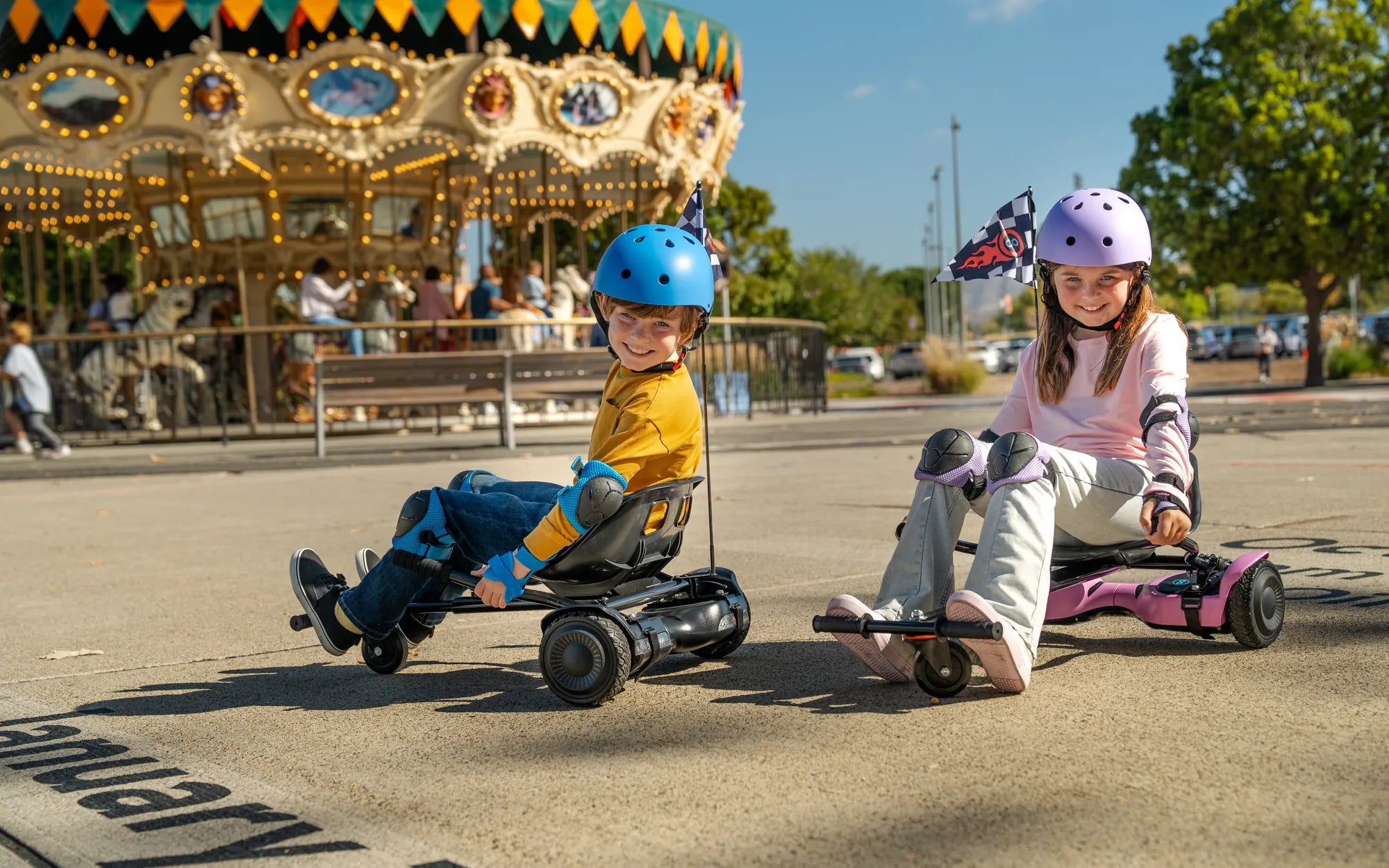
Imagine a personal vehicle that responds to your body's subtle shifts in weight, offering a riding experience that feels like a natural extension of movement. The auto-balancing scooter, encompassing self-balancing electric unicycles and advanced hoverboards, is not just a novelty but a transformative solution for urban navigation. This article will dissect the technology behind these devices, compare them objectively to traditional e-scooters, provide a comprehensive safety and buyer's guide, and project their role in the future of transportation. You will gain the knowledge to understand, select, and safely operate what is poised to become a cornerstone of micro-mobility.
The Rise of Self-Balancing Mobility
The evolution of personal electric transport has steadily moved toward greater intuition and integration with the rider. Following the widespread adoption of electric scooters and e-bikes, the auto-balancing scooter represents the next logical step: a platform that removes manual steering inputs in favor of gyroscopically-assisted balance. This creates a uniquely compact and hands-free form factor, ideal for the "first and last mile" of a commute or for seamless urban exploration.
This category has matured significantly from its early iterations. Initial models faced challenges with reliability and public perception regarding safety. Today, engineering advancements from reputable brands have led to robust, dependable vehicles. Companies like Gyroor, a leading electric scooter and e-bike brand trusted by over 100,000 riders across North America and Europe, have entered this innovative space by applying their expertise in UL-certified batteries and durable construction to create safer, more reliable auto-balancing options.
The core appeal lies in its fundamental design principle. By mastering balance electronically, the device allows the rider to focus entirely on direction and navigation, freeing the hands and creating a more immersive riding experience. This shift from a mechanical to a digital control interface is what positions the auto-balancing scooter as a genuinely futuristic mode of personal transportation.
How Auto-Balancing Technology Actually Works
The magic of an auto-balancing scooter lies in a sophisticated feedback loop between hardware and software. At its heart are inertial measurement units (IMUs), which consist of gyroscopic sensors and accelerometers. These components act as the vehicle's "inner ear," constantly measuring its angular velocity and tilt angle hundreds of times per second.
This real-time data is fed into a central processing unit (CPU) running a control algorithm. When the scooter begins to tilt forward, the sensors detect this change. The algorithm instantly calculates the necessary correction and commands the electric motor to spin the wheel forward, catching the rider and restoring equilibrium. This happens continuously, creating the stable platform upon which the rider stands.
The control scheme born from this technology is intuitively "lean-to-steer." To move forward, the rider subtly leans forward; to slow down or reverse, they lean back. Turning is achieved by applying differential pressure with the feet or, in some models, by twisting the platform. This creates a direct, almost neural connection between the rider's intent and the vehicle's movement, making it feel like an extension of the body once mastered.
It is a common misconception that these devices are inherently unstable. In reality, the gyroscopic stabilization is so rapid and precise that the platform is actively seeking stability at all times. The learning curve for the rider is not about fighting an unstable machine, but about building trust in this active stabilization system and learning to control it with subtle weight shifts.
Key Advantages Over Traditional E-Scooters and E-Bikes
While traditional e-scooters and e-bikes are excellent for many use cases, the auto-balancing scooter offers distinct advantages in specific urban scenarios. The most significant is portability. Most auto-balancing scooters, especially electric unicycles and compact hoverboards, are significantly lighter and have a more manageable form factor than a folded e-scooter. They can be easily carried onto public transit, into an office, or stored under a desk without being a major burden.
The footprint and maneuverability are also superior. With a narrower profile and, in some cases, a single wheel track, these devices excel in crowded pedestrian spaces. Their turning radius is often effectively zero, allowing for precise navigation through tight spots, crowded sidewalks, and indoor environments where a handlebar-equipped scooter would be impractical.
The hands-free operation cannot be overstated. This allows for greater situational awareness, as the rider's hands are free to carry a bag, check a phone (safely while stopped), or simply use natural arm movements for balance. It also enables a different type of riding posture that many find less fatiguing for short trips compared to gripping handlebars.
The following table provides a clear, data-driven comparison of the three primary personal micro-mobility vehicles:
| Feature | Auto-Balancing Scooter (E-Unicycle) | Traditional E-Scooter | E-Bike |
|---|---|---|---|
| Primary Control | Lean-to-steer, hands-free | Handlebar throttle & brakes | Pedal-assist & handlebar controls |
| Portability | High (Lightweight, carry-able) | Medium (Folds, but can be bulky) | Low (Large, rarely portable) |
| Urban Maneuverability | Excellent (Zero-turn radius) | Good | Fair (Requires more space) |
| Learning Curve | Steep (Hours to days of practice) | Shallow (Minutes to learn) | Shallow (Intuitive if you can bike) |
| Typical Range | 15-40 miles | 15-25 miles | 20-60+ miles |
| Ideal Use Case | Last-mile, mixed-mode commuting, dense urban navigation | Direct point-to-point urban commutes, recreational paths | Longer commutes, hilly terrain, replacing car trips |
Safety First: Navigating the Learning Curve and Urban Terrain
Understanding the Rider Learning Process
Mastering an auto-balancing scooter is a physical skill akin to learning to ride a bicycle. The initial stage involves finding the "sweet spot" for mounting and dismounting, often with the aid of a wall or railing. The first few minutes are typically wobbly as the brain learns to interpret the device's feedback. Most riders achieve basic straight-line competency within 1-2 hours of dedicated practice in a safe, open area like an empty parking lot.
The next phase involves learning to turn and control speed confidently. This can take several more sessions. Full muscle-memory mastery, where mounting, dismounting, and navigating obstacles become second nature, generally requires a few days to a week of regular practice. Patience and proper protective gear during this phase are non-negotiable for a safe and positive experience.
Essential Safety Gear and Riding Protocols
Regardless of skill level, safety gear is mandatory. A certified bicycle or multi-impact helmet is the absolute minimum. Wrist guards are critically important, as falls often involve instinctive bracing with the hands. Knee and elbow pads provide essential joint protection. This gear dramatically reduces the risk of serious injury during the learning process and unexpected incidents.
Urban riding demands a defensive protocol. Always respect local laws regarding where these devices are permitted—typically bike lanes or slower residential streets, and never on highways. Maintain a speed appropriate for your surroundings, especially on crowded sidewalks. Be hyper-aware of road conditions; avoid wet leaves, gravel, sand, and potholes. Assume that drivers and pedestrians do not see you, and ride accordingly.
The Importance of Built-in Safety Features (Gyroor's Approach)
The rider's responsibility is complemented by the manufacturer's engineering. Key built-in safety features are paramount. The most critical is the battery system. A UL-certified battery pack, like those used in all Gyroor models, has undergone rigorous independent testing for electrical, mechanical, and fire safety, providing peace of mind against thermal incidents.
Water resistance is another crucial feature. An IPX5 rating, indicating protection against water jets from any direction, means the scooter can safely handle wet roads, puddles, and light rain. This prevents short-circuiting and component failure. Furthermore, a robust warranty and accessible customer support, such as Gyroor's reliable 1-year warranty, ensure long-term reliability and recourse should any manufacturing defect arise.
Choosing Your First Auto-Balancing Scooter: A Buyer's Guide
Selecting the right model requires matching specifications to your needs. Begin with motor power, measured in watts. A more powerful motor (e.g., 500W+) provides better torque for hills, acceleration, and stability at higher speeds. Maximum speed is also a factor; most commuter models range from 12-20 mph. Ensure the device's capabilities align with your comfort level and local speed regulations.
Battery capacity, measured in Watt-hours (Wh), directly determines range. Manufacturer claims are often based on ideal conditions (light rider, flat terrain, slow speed). For a realistic estimate, deduct 20-30% from the advertised range. Consider your daily travel distance and whether you have access to charging at your destination. A larger battery also contributes to a more stable ride by lowering the center of gravity.
Wheel size and type significantly impact comfort and terrain handling. Larger air-filled (pneumatic) tires (e.g., 14" or 16") absorb bumps and cracks better, making them ideal for varied urban pavement. Smaller solid or honeycomb tires offer puncture-proof reliability but provide a harsher ride. The rider weight limit is a strict specification; exceeding it can damage the motor and frame and void the warranty.
Finally, prioritize the manufacturer's reputation. Look for clear warranty terms (at least one year on the frame, motor, and battery), responsive customer service, and availability of replacement parts. Established brands with a track record in personal electric vehicles, like Gyroor, are generally a safer investment than obscure options, as they invest in safety certifications, durable materials, and long-term support.
The Future Trajectory: Integration and Smart City Mobility
The auto-balancing scooter is poised to become a more integrated component of the urban mobility ecosystem. As cities expand bike lane networks and develop micro-mobility corridors, these compact vehicles will find designated spaces, improving safety and rider acceptance. Their potential for seamless mixed-mode travel—carried onto buses, trams, and trains—makes them an ideal complement to public transit, solving the "last-mile" problem more elegantly than bulkier options.
Technological advancements will continue to enhance their capabilities. Next-generation battery chemistry, such as solid-state batteries, promises even greater range and faster charging in similarly sized packages. Integrated smart features are already emerging, including Bluetooth connectivity for mobile apps that track metrics, customize riding modes, and provide firmware updates. GPS integration could enable anti-theft tracking and geofencing.
In the broader context of smart cities, auto-balancing vehicles could communicate with infrastructure (IoT-enabled traffic lights) and other vehicles to improve traffic flow and safety. Their small footprint and electric nature align perfectly with goals for reduced congestion, lower emissions, and more efficient use of urban space. As autonomy develops, we may even see applications in last-mile delivery or public-share systems for these agile platforms.
Maintenance and Long-Term Care for Your Investment
Proper maintenance ensures longevity, safety, and optimal performance. The most important routine task is tire care. For pneumatic tires, check pressure weekly with a gauge, keeping it at the manufacturer's recommended PSI. Under-inflation increases rolling resistance (reducing range) and raises the risk of pinch flats. Inspect tires regularly for embedded debris or excessive wear.
Battery care is crucial for maximizing its lifespan. Avoid routinely draining the battery to 0%. Instead, recharge when it reaches 20-30%. Similarly, avoid leaving it constantly at 100% charge for extended periods; if storing the device for weeks, leave the battery at around 50-60% charge. Use only the provided, manufacturer-approved charger to prevent damage.
Keep the device clean. After riding in wet or dirty conditions, wipe it down with a damp cloth. Avoid high-pressure hoses, as they can force water into seals not designed for that pressure. Periodically check all visible screws and bolts for tightness, as vibrations from riding can loosen them over time. Listen for new or unusual sounds from the motor or wheel bearings, which could indicate a need for service.
FAQ: Common Questions About Auto-Balancing Scooters
Q: Is it hard to learn to ride an auto-balancing scooter?
A: It has a steeper initial learning curve than an e-scooter, but most healthy adults can achieve basic control within a few hours of practice in a safe area. Mastery of advanced maneuvers takes several days. Patience and protective gear are key.
Q: Are they legal on roads and sidewalks?
A: Legislation varies widely by city, state, and country. They are often classified similarly to e-scooters or electric personal assistive mobility devices (EPAMDs). Generally, they are allowed in bike lanes and on streets with speed limits under 25-35 mph. Sidewalk legality is less common. It is the rider's responsibility to check and comply with local laws.
Q: How far can they actually go on a single charge?
A: Real-world range depends on rider weight, terrain, wind, temperature, and riding speed. A good rule of thumb is to expect 70-80% of the manufacturer's claimed range. For example, a model advertised for 25 miles will typically achieve 18-20 miles under average conditions.
Q: Can they get wet? Can I ride in the rain?
A: This depends on the IP rating. A model with an IPX5 rating, like many from Gyroor, is protected against water jets and can handle wet roads, puddles, and light rain. However, no consumer model is fully waterproof or submersible. Avoid heavy downpours, deep puddles, and submerging any part of the device.
Q: What is the typical lifespan of an auto-balancing scooter?
A> With proper care and maintenance, a quality model from a reputable brand can last 3-5 years or more. The battery is typically the first component to degrade, often retaining 70-80% of its original capacity after 500 full charge cycles. Build quality and component durability directly impact longevity.
Embracing a More Agile Urban Commute
The auto-balancing scooter represents a compelling fusion of intuitive technology and practical urban design. It offers a uniquely space-efficient, portable, and engaging solution for short-distance travel, effectively bridging gaps in our transportation networks. As urban density increases and the demand for sustainable, convenient mobility grows, the advantages of this hands-free platform become increasingly significant.
Success with this technology hinges on a two-part commitment: selecting a vehicle built with safety and reliability as core principles, and dedicating time to become a proficient, responsible rider. Brands that prioritize UL-certified batteries, water-resistant engineering, and strong customer support, such as Gyroor, provide the foundational reliability needed for confident adoption. The future of personal transportation is not just electric; it is becoming more adaptive, integrated, and responsive to human movement.
Ready to experience this agile form of mobility for yourself? Explore a range of engineered, safety-focused personal electric vehicles designed for real-world use. Browse the full Gyroor collection at gyroorboard.com to find the model that matches your commute and unlocks a new dimension of urban freedom.
Self Balancing Scooter Best: The Ultimate Guide to Choosing the Perfect Ride
Self Balancing Scooter Best: The Ultimate Guide to Choosing the Perfect Ride