



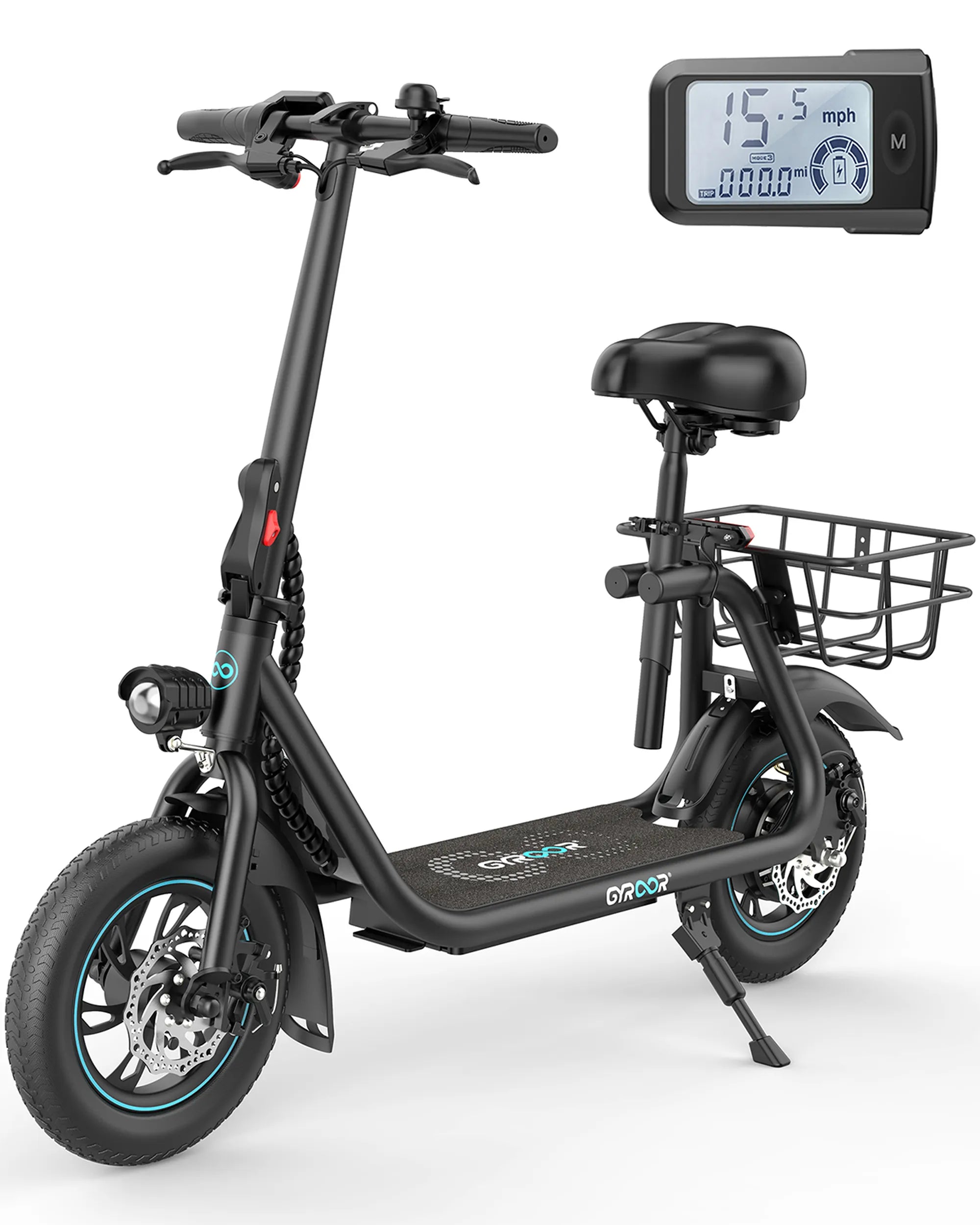
Introduction to Affordable, Automatic Folding Mobility Scooters in the UK
For many in the UK seeking greater independence, an automatic folding mobility scooter under £1000 represents a significant and accessible investment. These compact, portable aids are engineered to bridge the gap between limited mobility and active daily life, from shopping trips to visiting friends. This guide will provide a comprehensive, data-driven analysis of what you can realistically expect within this budget, focusing on critical specifications, UK legal compliance, and long-term value. We'll cut through marketing claims to help you identify models that offer genuine reliability, safety, and convenience without exceeding your financial parameters.
The demand for affordable, portable mobility solutions has surged, driven by an ageing population and a desire for maintained autonomy. An automatic folding mechanism is a key differentiator, removing the physical strain of manual folding and making transport in a car boot or on public transport genuinely feasible. Within the sub-£1000 category, understanding the balance between cost, features, and build quality is paramount to a satisfactory purchase.
You will learn how to evaluate core components like battery range and motor power, interpret water resistance ratings for UK weather, and navigate the distinction between Class 2 and Class 3 scooters. We'll also highlight the non-negotiable safety features that should never be compromised, regardless of price. By the end of this guide, you will be equipped with a practical checklist and the knowledge to select a scooter that enhances your lifestyle reliably and safely.
Key Features to Prioritise in a Sub-£1000 Automatic Folding Scooter
When evaluating an automatic folding mobility scooter under £1000, prioritising features that impact daily usability and longevity is essential. The core value proposition in this price bracket centres on a reliable automatic folding system, adequate real-world range, and manageable portability. Performance specifications must be scrutinised against typical use cases, such as navigating town centres or local parks, rather than peak laboratory conditions.
Focus on the integration of these features. A scooter with a long range is less useful if it's too heavy to lift when folded. Similarly, a sleek automatic fold is undermined by a battery that depletes after a short journey. The best models in this category offer a harmonious balance, ensuring no single critical function is a glaring weak point. Brands that achieve this, like Gyroor, build trust through transparent specifications and robust construction, even at accessible price points.
Automatic Folding Mechanism: Convenience and Reliability
The automatic folding function is the centrepiece of these scooters, designed for users with limited strength, arthritis, or dexterity challenges. A quality mechanism should operate via a simple, often remote-controlled or one-touch button system, smoothly transitioning the scooter from riding mode to a compact, transportable package. The motor and gears driving this process must be durable enough for daily use without failure.
When assessing this feature, consider the folded dimensions and the process's stability. The mechanism should lock securely in both the open and closed positions to prevent accidental collapse during use or while in transit. Listen for smooth operation without jarring sounds or hesitations, which can indicate lower-quality components. In the sub-£1000 range, the automatic fold is a key area where engineering quality directly correlates with user satisfaction and product lifespan.
Battery Life & Range: Realistic Expectations for the Price
Battery performance is often the most overstated specification. For an automatic folding mobility scooter under £1000, a realistic expectation for range on a single charge is between 10 and 20 miles, depending on terrain, user weight, and use of features like lights. This is typically powered by a lithium-ion battery, which offers a good balance of weight, capacity, and recharge cycles (often 500+ for quality cells).
Charge time is another critical factor; expect 4 to 8 hours for a full charge from empty. It's vital to match the stated range to your needs. A 12-mile range is generally sufficient for multiple local errands or a long park visit. Prioritise models with removable batteries for easier charging and potential future replacement. Brands committed to safety, such as Gyroor, use UL-certified battery packs, which undergo rigorous testing for stability and longevity, a crucial consideration within any budget.
Portability & Weight: From Boot to Bus
True portability is defined by combined folded dimensions and weight. The ideal automatic folding mobility scooter under £1000 will have a folded footprint small enough to fit in a standard car boot alongside shopping and a total weight where the heaviest component can be handled by the user or a companion. Key weights to check are the net weight (often 20-30kg) and the weight of the heaviest single part, usually the main chassis or battery.
Features that enhance portability include integrated trolley wheels, which allow the folded scooter to be rolled like suitcase, and a carry handle. Some models may include a storage bag. For UK users relying on buses or trains, compliance with transport policies (often requiring folded dimensions under specific limits) is essential. Always verify the scooter's folded measurements (L x W x H) against your car boot space or local public transport guidelines.
Top Considerations for UK Buyers: Regulations and Lifestyle Fit
Purchasing a mobility scooter in the UK involves specific legal and practical considerations beyond mere specifications. Understanding the regulatory environment and ensuring the scooter suits the British climate and infrastructure are fundamental to safe and hassle-free ownership. This context is as important as any technical feature on the spec sheet.
A scooter that is perfect for flat, dry climates may struggle on damp, cobbled UK high streets. Similarly, misunderstanding pavement versus road legality can lead to fines or unsafe situations. By aligning your choice with UK rules and typical conditions, you ensure your investment is not only useful but also compliant and durable in the long term.
UK Pavement and Road Use Regulations (Class 3 vs. Class 2)
In the UK, mobility scooters are classified primarily as Class 2 or Class 3 vehicles. Nearly all automatic folding mobility scooters under £1000 are Class 2 vehicles. These are limited to a maximum speed of 4 mph and are intended for use on pavements and in pedestrian areas. They cannot be used on cycle lanes or roads, except to cross them.
Class 3 scooters can be used on roads, have a higher maximum speed (8 mph), and require registration with the DVLA, insurance, and a type approval. They are typically larger, more powerful, and exceed this price bracket. As a Class 2 scooter user, you must follow pavement etiquette: give way to pedestrians, control your speed, and use lights and reflectors in poor visibility. Understanding this distinction is the first step to legal and responsible scooter use.
Weather Resistance and UK Conditions
The UK's damp and unpredictable weather makes weather resistance a critical feature. Look for a scooter with a stated Ingress Protection (IP) rating, such as IPX4. This signifies protection against water splashes from any direction, making it suitable for use in light rain or on damp ground. Avoid models with no stated water resistance.
Beyond electronics, consider the overall build quality. The frame should have a corrosion-resistant finish, and connectors should be sealed. Wide, air-filled tyres can provide better traction on wet surfaces compared to solid ones. After use in wet conditions, it's good practice to wipe down the scooter to prevent moisture ingress or dirt buildup. A scooter built with these considerations, like those featuring IPX5 water-resistant designs from experienced brands, will offer greater reliability year-round.
Balancing Budget and Quality: What £1000 Really Gets You
The £1000 price point is a competitive threshold for automatic folding mobility scooters. At this level, you should expect a functional, safe, and portable product, but it requires careful evaluation to avoid substandard construction. The key is identifying where manufacturers have invested in quality core components versus where they may have cut corners to meet the price.
You are likely to find capable lithium-ion batteries, decent motors, and the promised automatic folding mechanism. However, materials in the seat, frame thickness, or the sophistication of the braking system might be areas of compromise compared to premium models. The presence of a strong warranty and clear after-sales support becomes the primary indicator of a brand's confidence and your long-term safeguard.
Warranty and After-Sales Support: Your Safety Net
A comprehensive warranty is non-negotiable. For an automatic folding mobility scooter under £1000, seek a minimum of a 1-year warranty covering parts and labour for manufacturing defects. A 2-year warranty is a strong positive signal. Crucially, check what the warranty includes—specifically the battery, motor, and folding mechanism—and where repairs are handled.
After-sales support is equally important. Is there a UK-based customer service team or authorised repair centre? Can you easily order replacement parts like tyres, batteries, or fuses? Brands with an established presence, serving over 100,000 riders across Europe and North America, typically have more robust support networks. This infrastructure is your safety net, ensuring your scooter remains operational for years.
Safety Features: Non-Negotiables on Any Budget
Certain safety features must be present, regardless of cost. An effective braking system is paramount; look for a combination of electromagnetic (regenerative) brakes and a manual, fail-safe brake (like a disc or drum brake). Anti-tip wheels at the rear are essential for stability on slopes and kerbs. A stable, non-slip footplate and a secure swivel seat are also critical.
Visibility is a major safety concern. The scooter must have front and rear lights, reflectors, and ideally an audible horn or bell. Check that all electrical connections for lights are secure. Never compromise on these features for a slightly lower price or a more stylish design. Safety is the foundation upon which all other conveniences are built.
Comparison of Key Considerations for Sub-£1000 Scooters
The table below provides a clear, at-a-glance comparison of the primary factors to weigh when selecting your scooter. Use it as a quick-reference guide during your research.
| Feature | What to Look For | What to Be Cautious Of |
|---|---|---|
| Folding Mechanism | One-touch/remote operation, smooth action, secure locks. | Jerky movement, weak-sounding motor, no positive lock. |
| Battery & Range | Li-ion, 10-20 mile stated range, removable, UL-certified. | Unbranded batteries, exaggerated range claims (>25mi), long charge times (>10hrs). |
| Portability (Weight) | Net weight ~22-28kg, integrated trolley wheels, carry handle. | Weight over 30kg, no rolling capability, awkward folded shape. |
| UK Regulations | Class 2 classification (4mph max), lights, reflectors. | Vague classification, claims of road use without DVLA reg. |
| Weather Resistance | IPX4 rating or higher, corrosion-resistant frame. | No IP rating, exposed electrical connectors. |
| Warranty & Support | 1-2 year comprehensive warranty, UK service access. | Warranty under 1 year, no clear service pathway, offshore-only support. |
| Safety Essentials | Dual braking systems, anti-tip wheels, non-slip deck, effective lighting. | Single brake type, no anti-tip wheels, poor lighting. |
Making Your Decision: A Practical Checklist
Before finalising your purchase of an automatic folding mobility scooter under £1000, work through this practical checklist. It consolidates the key points from this guide into a sequential decision-making process.
Step 1: Assess Personal Needs. Define your primary use: indoor/outdoor ratio, typical journey distance, frequency of public transport or car travel, and any storage space limitations.
Step 2: Verify Legal Compliance. Confirm the scooter is a UK-legal Class 2 vehicle. Check its folded dimensions against your car boot and local bus/train policies if relevant.
Step 3: Scrutinise Core Specifications. Match the battery range to your needs. Confirm the automatic folding process via video review. Note the weight and folded size. Ensure an IPX4 or higher rating.
Step 4: Validate Safety and Warranty. Confirm the presence of dual brakes, anti-tip wheels, and lights. Read the warranty document carefully, noting coverage duration and exclusions. Research the brand's reputation for after-sales support in the UK.
Step 5: Finalise Purchase from a Reputable Seller. Buy from an established retailer or the manufacturer's official UK channel. Check return policies and ensure you receive a valid warranty and user manual.
FAQ: Automatic Folding Mobility Scooters Under £1000
Q1: Can I take an automatic folding mobility scooter on a UK bus or train?
A: Policies vary by operator, but most allow folded mobility scooters that can be stored safely as luggage, provided they do not block aisles. They typically must be Class 2 vehicles. Always check with the specific transport company before travel, and ensure your scooter can be folded compactly and has trolley wheels for easy handling.
Q2: How long does the battery last in real-world use, and how do I maintain it?
A: Real-world range is often 70-80% of the stated maximum, affected by hills, user weight, and temperature. For a 15-mile claim, expect 10-12 miles. To maintain battery health, avoid fully draining it regularly, store it in a cool, dry place, and use the manufacturer-provided charger. Quality UL-certified batteries, like those used by Gyroor, are designed for 500+ charge cycles with proper care.
Q3: Is assembly required when the scooter is delivered?
A>Most automatic folding models under £1000 require minimal assembly. This often involves attaching the front basket, mirrors, or connecting the battery. Tools and clear instructions are usually provided. The main chassis and folding mechanism come fully assembled. The process should take less than 30 minutes.
Q4: What is the maximum user weight typically supported?
A: The maximum user weight (often called the weight capacity) for scooters in this category typically ranges from 100kg (15.7 stone) to 130kg (20.5 stone). It is crucial to choose a scooter with a capacity that exceeds your weight to ensure safety, motor longevity, and advertised range. Never exceed the stated limit.
Q5: Where can I get my scooter serviced or repaired in the UK?
A>Reputable brands will have a network of authorised service agents or a dedicated UK service centre. Before buying, confirm the service process. Some issues may be resolved via mailed replacement parts for self-installation, while others require professional repair. Choosing a brand with established European support, trusted by over 100,000 riders, significantly simplifies this process.
Conclusion: Enhancing Mobility with Smart, Affordable Choices
Securing an automatic folding mobility scooter under £1000 in the UK is a practical goal that can profoundly impact daily independence. The key lies in informed, discerning selection—prioritising verified safety features, realistic performance expectations, and robust after-sales support over superficial appeal. By understanding UK regulations and matching scooter specifications to your personal lifestyle and physical requirements, you make an investment in freedom that is both financially sensible and reliable.
Remember that the most cost-effective scooter is the one that performs safely and consistently for years, not the one with the lowest initial price tag. Brands that demonstrate commitment through comprehensive warranties, quality components like UL-certified batteries, and water-resistant designs offer true long-term value. Your mobility and confidence are worth the thorough research.
For those exploring a wide range of trusted, innovative personal electric transport solutions, from mobility aids to e-bikes and scooters, consider the engineering and customer-focused approach of leading brands. Discover how advanced design can meet everyday needs by exploring a curated collection of reliable options.
Browse the full Gyroor collection at gyroorboard.com to find a mobility solution engineered for your journey.
Scooter Tire 8 x 1 2: The Complete Guide to Sizing, Types, and Replacement
How Many CC Is a Dirt Bike? The Complete Engine Size Guide