

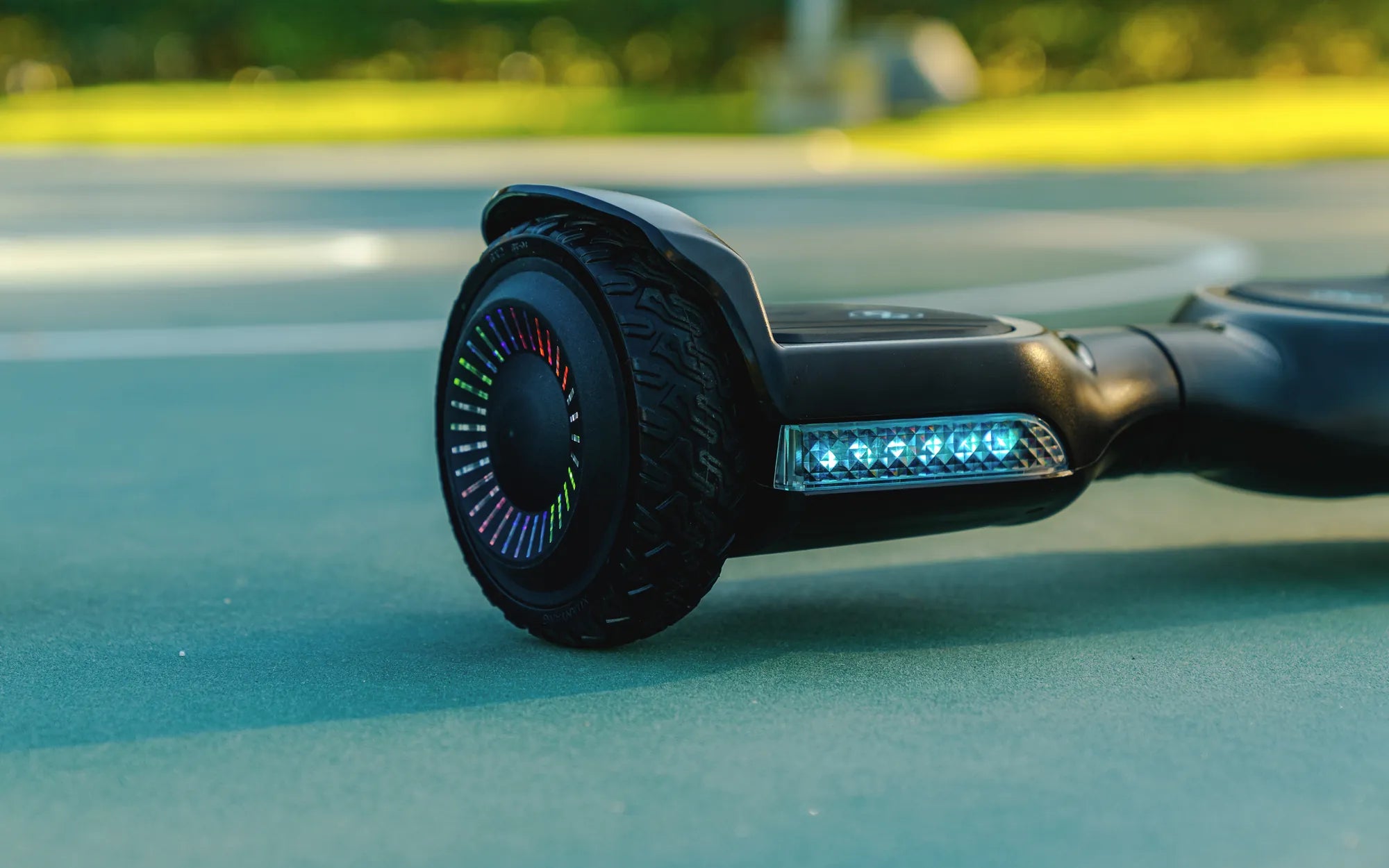
Introduction to Automatic Scooters for Kids
An automatic scooter for kids represents the ideal entry point into personal electric mobility. Unlike traditional kick scooters or throttle-controlled models, an automatic scooter operates on a simple, intuitive principle: the child kicks off 2-3 times to start, and a sensor engages a smooth, maintenance-free hub motor to maintain speed. This guide to safe and fun riding will explore why this design is revolutionizing how children aged 6-12 learn balance, gain confidence, and explore their world. We'll dissect the critical safety features, provide a detailed selection framework, and explain the engineering standards that separate a quality ride from a potential hazard. Choosing the right automatic scooter for kids is about more than just a toy; it's about investing in a tool for active, outdoor development built on a foundation of safety.
This mechanism inherently promotes safety by preventing accidental, high-speed starts that can occur with a hand throttle. The child must intentionally initiate movement, giving them full control from the first push. Brands like Gyroor have refined this technology, focusing on reliability and rider-friendly performance. For over 100,000 families across North America and Europe, the automatic scooter has become a trusted companion for park visits, neighborhood cruises, and developing a lifelong love for active transportation. The journey begins with understanding the unique benefits this vehicle offers.
Why Choose an Automatic Scooter? Key Benefits for Young Riders
Automatic scooters occupy a perfect middle ground between manual scooters and full-throttle electric models. They eliminate the constant physical effort of a traditional scooter while introducing motorized assistance in the safest possible way. This unique combination delivers specific, powerful advantages for a child's physical and cognitive development. It transforms riding from a fleeting activity into a sustained adventure that builds foundational skills.
The core appeal lies in its seamless operation. After a few initial kicks, the electric motor quietly takes over, allowing the child to focus solely on balance, steering, and enjoying the ride. This sustained motion is far less frustrating for beginners than a manual scooter, where fatigue can quickly end the fun. It encourages longer periods of outdoor activity, promoting cardiovascular health and motor skills without the child even realizing they're exercising. The automatic scooter for kids is engineered to extend playtime, not limit it.
Safety First: The Built-In Advantage of Kick-to-Start
The kick-to-start mechanism is the cornerstone of safety for young riders. It acts as a built-in safety switch. A child cannot simply twist a throttle and rocket forward unexpectedly; they must deliberately kick off to activate the motor. This design gives them a moment to ensure they are balanced, their feet are positioned correctly on the deck, and their path is clear. For parents, this translates to significant peace of mind, knowing the scooter's power is directly tied to the child's intentional action.
This feature is particularly crucial during learning phases and in crowded environments like driveways or sidewalks. If a child becomes startled or loses balance at a standstill, the scooter will not lurch forward. To stop, the child simply stops kicking and uses the brake, or the motor will automatically cut off after a few seconds of inactivity. This intuitive control scheme mirrors the natural stop-and-start of riding a bicycle, making it an excellent preparatory skill. The automatic scooter for kids is designed to respond to the rider, not the other way around.
Skill Development: Building Confidence on Wheels
An automatic scooter serves as a masterful tool for developing fundamental coordination. It teaches dynamic balance—the ability to maintain equilibrium while in motion—at manageable, controllable speeds. Unlike a bicycle, where a child must also manage pedaling and steering simultaneously from the start, the scooter allows them to isolate and master balance first. The low deck height and natural standing position provide a secure platform, making the learning curve less intimidating.
As confidence grows, children naturally progress to more advanced skills: leaning into turns, judging speed and distance, and understanding the cause-and-effect relationship between their kick, the motor's response, and the scooter's movement. This progression builds not just physical coordination but also cognitive skills like spatial awareness and risk assessment. Mastering an automatic scooter for kids provides a tremendous confidence boost, often serving as a direct stepping stone to riding a bicycle without training wheels. It’s a foundational chapter in a child's journey of independent mobility.
Encouraging Active Play & Outdoor Exploration
In an age dominated by screens, an automatic scooter is a powerful motivator for outdoor activity. The promise of a fun, effortless ride gets children out the door. Once outside, the exploration begins. What might be a short walk to a friend's house becomes an exciting journey. The scooter expands a child's perceived range of their neighborhood, fostering a sense of independence and adventure within safe boundaries set by parents.
This form of active play is holistic. The initial kicking provides a burst of physical effort, and the act of riding itself engages core muscles for stability and leg muscles for subtle shifts in weight. It's unstructured exercise in its purest form—play. Furthermore, riding with friends or family promotes social interaction and shared experiences. An automatic scooter for kids doesn't just move a child from point A to point B; it opens up a world of outdoor possibility, turning a simple afternoon into an expedition.
Essential Safety Features to Look For
Not all automatic scooters are created equal. The difference between a safe, durable product and a substandard one lies in its core components and construction. As a parent, knowing what to look for is critical. Safety is a combination of intelligent design, robust materials, and reliable performance. Prioritizing these features ensures the scooter is a partner in safety, not a liability.
A high-quality automatic scooter for kids will integrate multiple layers of protection, from its physical structure to its electrical systems. These features work in concert to handle the realities of active use—uneven pavement, occasional puddles, and the inevitable learning bumps. Investing in a scooter with these fundamentals means investing in years of reliable service and, most importantly, consistent safety for your child. Let's break down the non-negotiable elements.
Stable Design: Wheel Size, Deck, and Weight Limit
Stability begins with the chassis. Key elements to evaluate include wheel size, deck dimensions, and the stated weight limit. Larger wheels, typically 8 inches in diameter or more, are superior for kids' scooters. They roll over cracks, pebbles, and minor pavement imperfections with greater ease and stability than smaller wheels, which can catch and cause a forward pitch. Air-filled (pneumatic) or wide, honeycomb-filled tires offer better shock absorption and traction than solid plastic wheels.
The deck should be wide enough for a child to place both feet comfortably side-by-side, providing a secure platform. A textured, anti-slip surface is essential to prevent feet from slipping, especially during braking or in damp conditions. Crucially, always adhere to the manufacturer's maximum weight limit. This limit is an engineering specification for the frame's integrity and the motor's capacity. Exceeding it can stress components, reduce battery life, and compromise braking performance, directly impacting safety.
Reliable Braking Systems: Hand Brake vs. Foot Brake
Effective braking is the most critical active safety system on any vehicle. For automatic scooters, there are two primary types: foot brakes and hand-operated disc brakes. A foot brake is a fender or pad over the rear wheel; the rider presses down on it with their foot to create friction and slow down. This system is simple, intuitive, and almost impossible to break, making it excellent for younger riders (ages 6-8) who are still developing hand coordination.
For older, more proficient children (ages 9-12), a hand-operated brake, often a disc or drum brake on the rear wheel, offers superior stopping power and control. It allows for modulated braking—applying gradual pressure—and works independently of foot position. Some advanced models feature both systems, providing redundancy. Regardless of type, test the brake before every ride. It should engage smoothly and bring the scooter to a controlled, straight-line stop without locking the wheel and causing a skid.
Durability and Weather Resistance (The Gyroor Standard)
A child's scooter must withstand rigorous use. The frame should be constructed from aerospace-grade aluminum alloy, which offers an optimal balance of strength and lightweight maneuverability. All fasteners, folding mechanisms (if present), and the steering column must feel solid, with no excessive play or wobble. Loose parts are a direct safety hazard.
Weather resistance is paramount for protecting the scooter's electrical heart—the battery, motor, and control circuitry. Look for a clear Ingress Protection (IP) rating. For example, Gyroor designs its kids' models to an IPX5 water-resistant rating. This means the scooter's electronics are protected against low-pressure water jets from any direction, making it safe to ride through puddles or in light rain. This protection prevents corrosion, electrical shorts, and motor failure, ensuring long-term reliability and safety. An automatic scooter for kids without a clear water-resistance rating is a risk for premature failure.
The Gyroor Difference: Engineering Trust for Your Child's Ride
In a market flooded with options, Gyroor has established itself as a leader by adhering to engineering principles that prioritize safety and durability. Trust is earned through specification and verification, not just marketing. For parents, choosing a brand like Gyroor means accessing a suite of verified safety standards that directly address common concerns about battery safety, build quality, and long-term support.
The brand's philosophy centers on creating products that empower exploration without compromise. With a community of over 100,000 riders and a 4.5/5 average rating, Gyroor's commitment is reflected in real-world performance. This section translates technical specifications into tangible benefits, explaining why these standards are crucial for your child's automatic scooter. It's the difference between buying a product and investing in a trusted tool for childhood adventure.
Unmatched Battery Safety with UL-Certified Packs
The battery is the most critical safety component in any electric vehicle. Gyroor's commitment begins here: all models use UL-certified lithium-ion battery packs. UL certification is a globally recognized safety standard administered by Underwriters Laboratories. It is not a simple declaration by the manufacturer; it is an independent, rigorous verification.
To earn this certification, battery cells and packs undergo extensive testing for overcharge protection, short-circuit resistance, temperature control, and mechanical integrity. This process drastically reduces the risk of thermal runaway—a chain reaction that can lead to fire. For a parent, this means the power source inside your child's automatic scooter has been proven safe under fault conditions. Combined with smart Battery Management Systems (BMS) that regulate charging and discharging, Gyroor's UL-certified batteries provide a foundational layer of safety that should be non-negotiable.
Built to Last: Quality Components for Growing Kids
Durability is a direct contributor to safety. A scooter that withstands daily use maintains its structural and functional integrity. Gyroor constructs frames from reinforced aluminum alloy, designed to handle the impacts and stresses of active riding. The motor engagement in their automatic scooters is engineered to be smooth and immediate, eliminating jarring starts that can upset a child's balance.
Components like the kickstand, handlebar grips, and deck covering are selected for longevity and performance. Puncture-resistant tires, whether air-filled or solid honeycomb, are standard to avoid flats that could strand a young rider. This focus on quality components means the scooter grows with the child, remaining reliable and safe throughout its lifespan. It’s an investment that avoids the frequent replacements often required with poorly made alternatives, ultimately providing better value and consistent performance.
Peace of Mind with a 1-Year Comprehensive Warranty
A warranty is a manufacturer's promise. Gyroor backs its engineering with a 1-year comprehensive warranty on the entire scooter, supported by a responsive, US-based customer service team. This warranty covers defects in materials and workmanship, offering a direct remedy if any component fails under normal use.
For parents, this is a critical safety net. It protects your financial investment and guarantees access to support and genuine replacement parts. The presence of a strong, accessible warranty is also a strong indicator of the brand's confidence in its product's quality and longevity. When choosing an automatic scooter for kids, a robust warranty is not just a nice-to-have; it's an essential component of a responsible purchase, ensuring help is available if ever needed.
Choosing the Right Model: A Parent's Guide by Age & Skill
Selecting the perfect automatic scooter requires matching the product's capabilities to your child's age, size, and riding experience. A scooter that is too advanced can be intimidating and unsafe, while one that is too basic may be quickly outgrown. This guide provides a framework to navigate the selection process, ensuring the scooter supports your child's current ability while allowing room to grow.
The two primary categories are broadly defined by age groups, but skill level is the ultimate decider. A cautious 9-year-old might be better suited to a model from the 6-8 range, while a proficient 8-year-old could safely handle features from the next tier. Always prioritize your child's comfort and control over maximum speed or advanced features. The following breakdown, along with the comparison table, will help you make an informed decision.
Ages 6-8: First-Time Riders (Focus on Stability & Control)
For this group, the primary goals are building confidence and mastering basic control. Key specifications should emphasize stability and simplicity. Look for models with a maximum speed capped at around 10 MPH. A lower deck height makes it easier to step on and off, and a shorter wheelbase enhances maneuverability at lower speeds. A foot-operated rear fender brake is often the best choice, as it aligns with natural instincts and requires less fine motor skill than a hand brake.
The scooter should be relatively lightweight so the child can maneuver it when not riding and a parent can easily carry it if needed. Simple, intuitive controls are essential—often just a power button and maybe a speed mode selector. The focus for an automatic scooter for kids in this category is on creating a positive, frustration-free first experience with electric mobility, where safety and fun are perfectly balanced.
Ages 9-12: Confident Cruisers (Balance of Speed & Features)
Older, more experienced riders are ready for scooters that offer more performance and features to match their growing skills. Models in this range may have top speeds of 12-15 MPH, often with multiple speed modes (e.g., a beginner mode at 7 MPH and a more advanced mode). Enhanced suspension systems, either in the front wheel or both, become valuable for absorbing bumps on varied terrain, providing a smoother, more comfortable ride.
Hand-operated disc brakes are common and recommended for their superior stopping power and control. The deck may be longer and wider, and the overall build will be more robust to handle a higher weight limit and more aggressive riding. Some models may include features like a headlight and taillight for visibility, or a digital display showing speed and battery level. The automatic scooter for kids at this level transitions from a pure learning tool to a legitimate vehicle for neighborhood travel and adventure.
| Feature | Ages 6-8 / Beginners | Ages 9-12 / Intermediate | Why It Matters |
|---|---|---|---|
| Max Speed | ~10 MPH | ~12-15 MPH (with modes) | Matches skill level; prevents overwhelming beginners. |
| Brake Type | Rear Foot Fender Brake | Hand Disc/Drum Brake (or combo) | Intuitive for young kids vs. controlled power for older riders. |
| Wheel Size | 8-inch (standard) | 8-inch or larger, often with suspension | Stability over cracks; suspension adds comfort on rougher paths. |
| Deck Height | Lower | Standard to Slightly Higher | Easier mount/dismount for shorter legs vs. more ground clearance. |
| Key Features | Lightweight, simple controls | Speed modes, lights, display, robust frame | Reduces complexity vs. adds functionality for longer rides. |
| Ideal Use Case | Driveways, smooth sidewalks, parks | Neighborhood cruising, bike paths, mild inclines | Controlled environments vs. expanded exploration range. |
Pre-Ride Checklist and Safety Gear Essentials
Safety is an active practice, not a passive feature. The safest automatic scooter for kids is only part of the equation; proper gear and pre-ride habits form the complete safety system. Instilling these routines from the very first ride creates a culture of responsibility and awareness that will benefit your child in all their future activities, on or off wheels. This section provides the non-negotiable protocols every rider and parent should follow.
Think of it as the pilot's pre-flight checklist. It takes less than a minute but can prevent the majority of common accidents. Combining this mechanical check with appropriate personal protective equipment (PPE) drastically reduces the risk and severity of injury. Making gear and checks a non-debatable part of the riding ritual ensures that fun and safety are inseparable.
Gear Up! The Absolute Must-Haves
Before the scooter is even turned on, the child must be fully geared. This is non-negotiable. The cornerstone is a properly fitted, CPSC-certified bicycle helmet. It should sit level on the head, covering the forehead, with straps forming a "V" under each ear and snug under the chin. A helmet is the single most effective piece of safety equipment for preventing traumatic head injury.
Beyond the helmet, knee pads and elbow pads are essential. Wrist guards, while common in skateboarding, can interfere with operating hand brakes and are less critical for scootering, but they remain an excellent option for very new riders. Footwear is crucial: always wear closed-toe shoes with flat, grippy soles (like sneakers). Sandals, flip-flops, or crocs can slip off or get caught, leading to loss of control or foot injuries. This gear forms a basic protective barrier against the scrapes and impacts that are part of learning to ride any wheeled vehicle.
Scooter Safety Inspection: A 60-Second Routine
Develop a quick but thorough inspection habit before every ride. Start with the tires: ensure they are properly inflated (if pneumatic) and check for significant wear, cuts, or embedded debris. Test the brakes by pushing the scooter forward and applying them; they should engage firmly and stop the wheel without excessive squealing or slippage.
Check that the folding mechanism (if your model has one) is fully locked in the riding position and that the steering column is tight with no alarming side-to-side play. Ensure the handlebars are aligned with the front wheel. Finally, verify the battery is adequately charged via the indicator light or display. A low battery can lead to sudden power loss mid-ride. This quick visual and functional check ensures the automatic scooter for kids is in optimal working order, preventing malfunctions that could cause an accident.
Frequently Asked Questions (FAQs)
Q1: What is the right age for a child to start using an automatic scooter?
Most children are ready between ages 6 and 8, when they have developed sufficient balance, coordination, and cognitive ability to follow safety rules. Readiness is more important than a specific age—the child should be able to confidently ride a non-motorized kick scooter first.
Q2: How fast do automatic scooters for kids typically go?
Speeds are intentionally limited for safety. Beginner models (ages 6-8) typically max out at 10 MPH. Models for older kids (9-12) may reach 12-15 MPH, often with a slower beginner mode that can be unlocked as skill improves. This controlled speed is a key safety feature of the automatic scooter for kids.
Q3: How long does the battery last, and how far can it go?
Battery life varies by model and rider weight. On a full charge, most quality kids' automatic scooters offer a range of 6 to 10 miles. The battery typically takes 3-5 hours to recharge fully. It's good practice to recharge after use and store the scooter with a partially charged battery if not used for extended periods.
Q4: Can it handle hills?
Automatic scooters are designed for gentle inclines and flat terrain. They are not meant for steep hills. The motor provides assistance on mild slopes, but a steep hill may overwhelm it, drain the battery rapidly, and make braking on the descent more challenging. Always supervise riding on any incline.
Q5: What maintenance is required?
Regular maintenance is minimal but important: keeping tires properly inflated, checking and tightening bolts periodically, cleaning the deck and wheels of debris, and ensuring brake pads are not overly worn. The most important maintenance is proper battery care: using only the supplied charger and not leaving the scooter fully discharged or plugged in indefinitely.
Q6: Why are certifications like UL and IP ratings so important?
These are independent verifications of safety and durability. A UL certification for the battery proves it has passed rigorous electrical and fire safety tests. An IPX5 water-resistance rating (like Gyroor's) certifies the scooter can handle wet conditions without electrical failure. They are objective benchmarks of quality that go beyond marketing claims.
Fostering Independence and Joy on Two Wheels
The journey with an automatic scooter for kids is about much more than transportation. It's a catalyst for growth, confidence, and joyful exploration. By providing a safe, accessible, and fun introduction to personal mobility, you give your child a key to greater independence and a lifelong appreciation for active play. The wind in their hair, the smile on their face, and the pride in mastering a new skill are the true measures of its value.
This journey must be built on a foundation of unwavering safety. Choosing a scooter from a brand like Gyroor, with its UL-certified batteries, IPX5 water-resistant construction, and comprehensive warranty, means that foundation is solid. It allows you to say "yes" to adventure with confidence, knowing the vehicle is engineered to protect your child as they learn and explore. The right automatic scooter for kids becomes a trusted partner in creating priceless childhood memories.
Ready to find the perfect ride for your young explorer? Discover scooters that blend thrilling fun with proven safety engineering. Browse the full Gyroor collection at gyroorboard.com and equip your child for their next great adventure.
Floating Hoverboard: The Future of Personal Transportation
Floating Hoverboard: The Future of Personal Transportation