



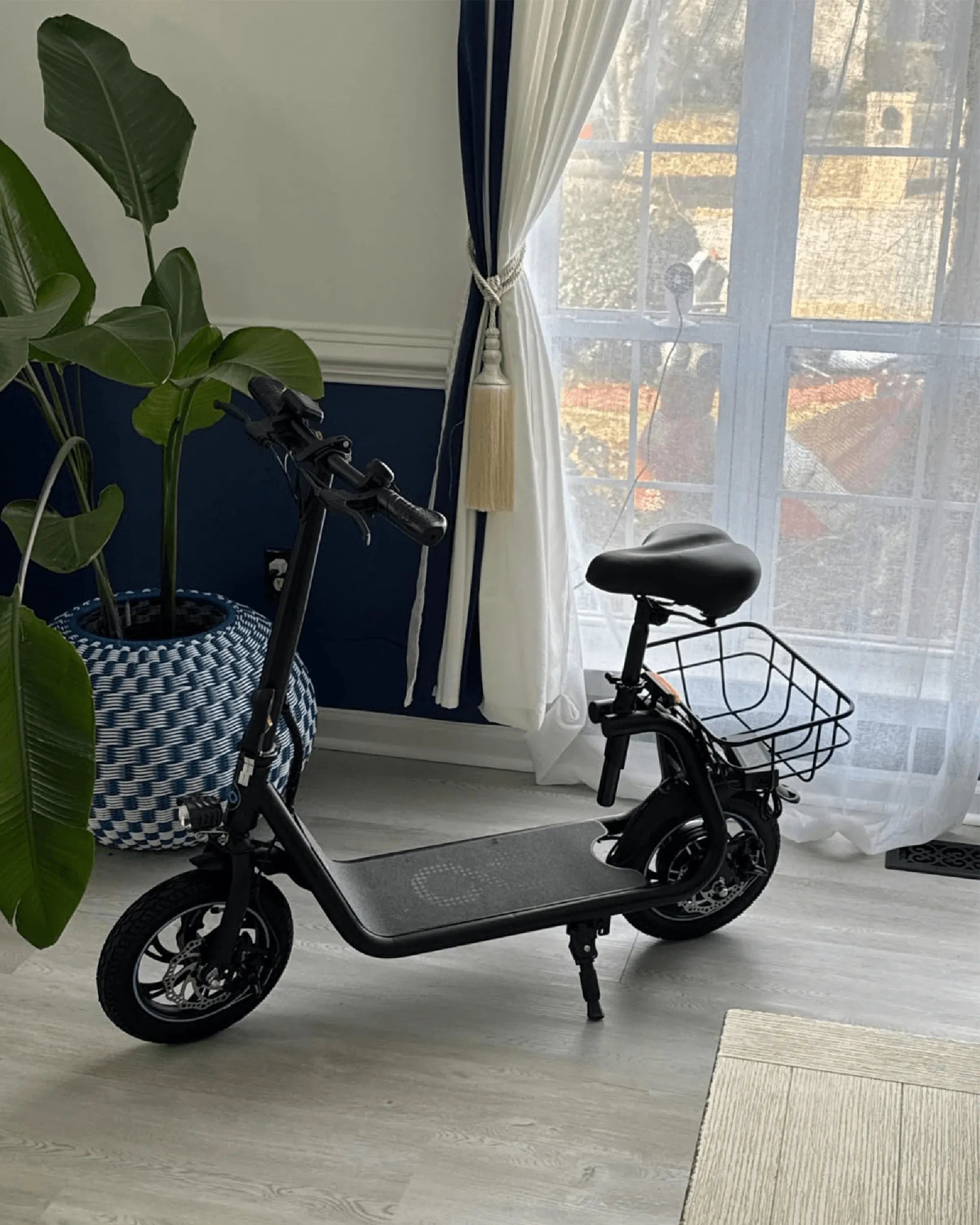
Ever wondered how fast a non-electric scooter can go? Whether you're commuting, exercising, or just having fun, understanding the average non electric scooter speed can help you make the most of your ride. Let's dive into the details and explore what affects speed, how to measure it, and tips to ride faster and safer.
What Determines the Average Non Electric Scooter Speed?
The speed of a non-electric scooter depends on several factors, including rider weight, terrain, scooter design, and effort exerted. Unlike electric scooters, which rely on motors, non-electric scooters are entirely human-powered. This means your speed is directly influenced by how hard you push and the conditions around you.
Rider Weight and Physical Effort
Heavier riders may find it slightly harder to reach high speeds due to increased friction and momentum requirements. Conversely, lighter riders might accelerate faster but could struggle with stability at higher speeds. Your physical effort—how forcefully you kick and how often—plays a significant role in determining your average speed.
Terrain and Surface Conditions
Smooth, flat surfaces like pavement or bike lanes allow for faster speeds compared to rough or uneven terrain. Uphill rides will naturally slow you down, while downhill slopes can boost your speed significantly. Always consider the surface you're riding on when estimating your average speed.
Scooter Design and Wheel Size
Larger wheels generally provide better speed and stability, as they cover more ground per rotation. Scooters with high-quality bearings and lightweight frames also contribute to smoother, faster rides. The type of deck and handlebar design can affect aerodynamics, though this is less critical for casual riders.
How Fast Can a Non Electric Scooter Go?
On average, a non-electric scooter can reach speeds between 8 to 12 mph (13 to 19 km/h) on flat ground with moderate effort. Experienced riders pushing hard on optimal terrain may hit 15 mph (24 km/h) or more, but this requires significant stamina and skill.
Measuring Your Speed
To track your scooter's speed, consider using a bike speedometer or a fitness app on your smartphone. These tools can provide real-time data and help you identify ways to improve your performance.
Tips to Increase Your Non Electric Scooter Speed
If you're looking to go faster, here are some practical tips:
- Optimize your kicking technique: Push off with one foot while keeping the other firmly on the deck for balance.
- Maintain your scooter: Regularly check wheel bearings, tire pressure, and brake functionality to ensure smooth rides.
- Choose the right terrain: Stick to smooth, flat surfaces for maximum speed.
- Improve your fitness: Stronger legs and better endurance will naturally increase your speed over time.
Safety Considerations at Higher Speeds
Riding faster comes with increased risks. Always wear protective gear, including a helmet, knee pads, and elbow pads. Be mindful of traffic, pedestrians, and obstacles, especially when riding at higher speeds. Practice braking techniques to ensure you can stop safely when needed.
Ready to take your non-electric scooter to the next level? By understanding the average non electric scooter speed and applying these tips, you can enjoy faster, smoother, and safer rides every time. Whether you're racing friends or just cruising around town, speed is all about technique, terrain, and a little bit of practice!
Electric Scooter Speed Limit Removal: What You Need to Know
Electric Mobility Scooter Price: What You Need to Know Before Buying