


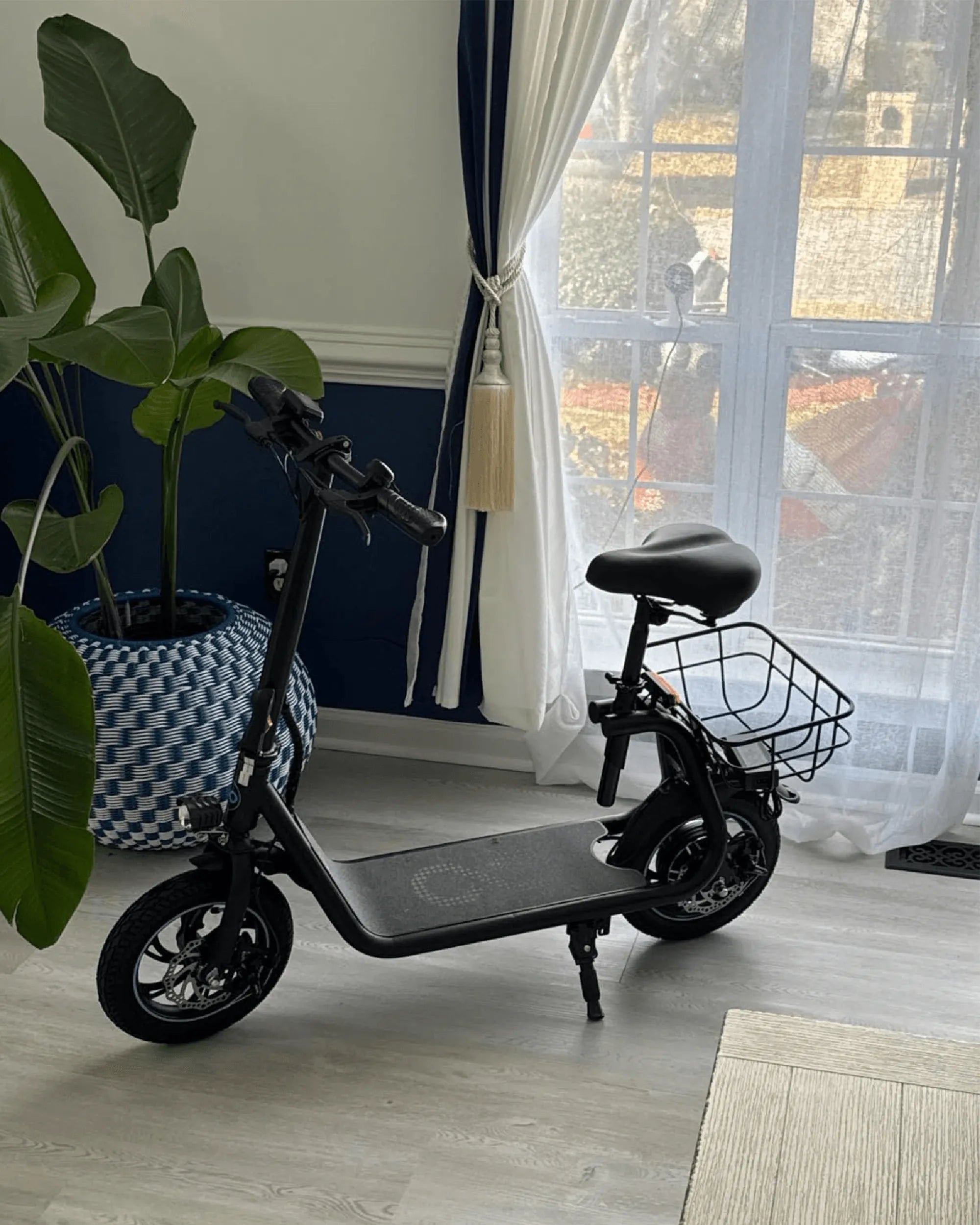
Electric bikes have revolutionized urban commuting and outdoor adventures, offering a perfect blend of convenience, efficiency, and eco-friendliness. But one critical factor often overlooked by buyers is the average weight of electric bikes. Understanding this can make or break your riding experience. Whether you're a daily commuter or a weekend explorer, knowing how much an e-bike weighs—and why it matters—will help you make the best choice.
Why Does the Average Weight of Electric Bikes Matter?
The weight of an electric bike plays a significant role in its performance, handling, and practicality. A heavier bike may offer stability and durability, but it can also be harder to maneuver, especially when pedaling without assistance. On the other hand, a lighter e-bike is easier to carry and store but may sacrifice battery life or frame strength. Here’s why the average weight of electric bikes should be a top consideration:
- Portability: Lighter bikes are easier to lift onto bike racks or carry upstairs.
- Battery Efficiency: Heavier bikes may drain the battery faster, reducing range.
- Ride Comfort: Weight distribution affects balance and control on different terrains.
Factors Influencing the Average Weight of Electric Bikes
Several components contribute to the overall weight of an e-bike. Understanding these factors will help you choose the right model for your needs.
1. Frame Material
The frame is the backbone of any bike, and its material significantly impacts weight. Common materials include:
- Aluminum: Lightweight and affordable, ideal for urban commuting.
- Steel: Durable but heavier, often used in cargo e-bikes.
- Carbon Fiber: Ultra-light and strong, but expensive.
2. Battery Size and Capacity
The battery is one of the heaviest components. Larger batteries provide longer range but add substantial weight. Lithium-ion batteries are lighter than older lead-acid versions but still contribute significantly to the average weight of electric bikes.
3. Motor Type
Hub motors are generally lighter than mid-drive motors, but the latter offers better performance on hills. The motor's power (measured in watts) also affects weight.
4. Additional Features
Extras like suspension systems, cargo racks, and integrated lights can add extra pounds. While these features enhance functionality, they also increase the overall weight.
What Is the Average Weight of Electric Bikes?
Most electric bikes weigh between 40 to 70 pounds (18 to 32 kg), with variations based on design and components. Here’s a breakdown by category:
- Commuter E-Bikes: 40-55 lbs (18-25 kg)
- Mountain E-Bikes: 50-70 lbs (23-32 kg)
- Cargo E-Bikes: 60-80 lbs (27-36 kg)
- Folding E-Bikes: 35-50 lbs (16-23 kg)
How to Choose the Right Weight for Your Needs
Selecting an e-bike isn’t just about finding the lightest or sturdiest option—it’s about balance. Ask yourself:
- Will you need to carry the bike often?
- Do you prioritize speed or battery life?
- What terrain will you mostly ride on?
A lighter bike excels in urban settings, while a heavier model may be better for off-road adventures. Test-riding different weights can help you decide.
Tips for Managing a Heavy Electric Bike
If you opt for a heavier e-bike, these tips can make handling easier:
- Use pedal assist to reduce strain on inclines.
- Invest in a sturdy bike stand or storage solution.
- Practice lifting techniques to avoid injury.
Electric bikes are transforming the way we travel, but their weight can be a game-changer. By understanding the average weight of electric bikes and how it affects your ride, you’ll be better equipped to find the perfect match. Whether you’re zipping through city streets or tackling rugged trails, the right weight will ensure a smoother, more enjoyable journey.
Benefits of Mountain Biking: Why You Should Hit the Trails Today
Benefits of Mountain Biking: Why You Should Hit the Trails Today