


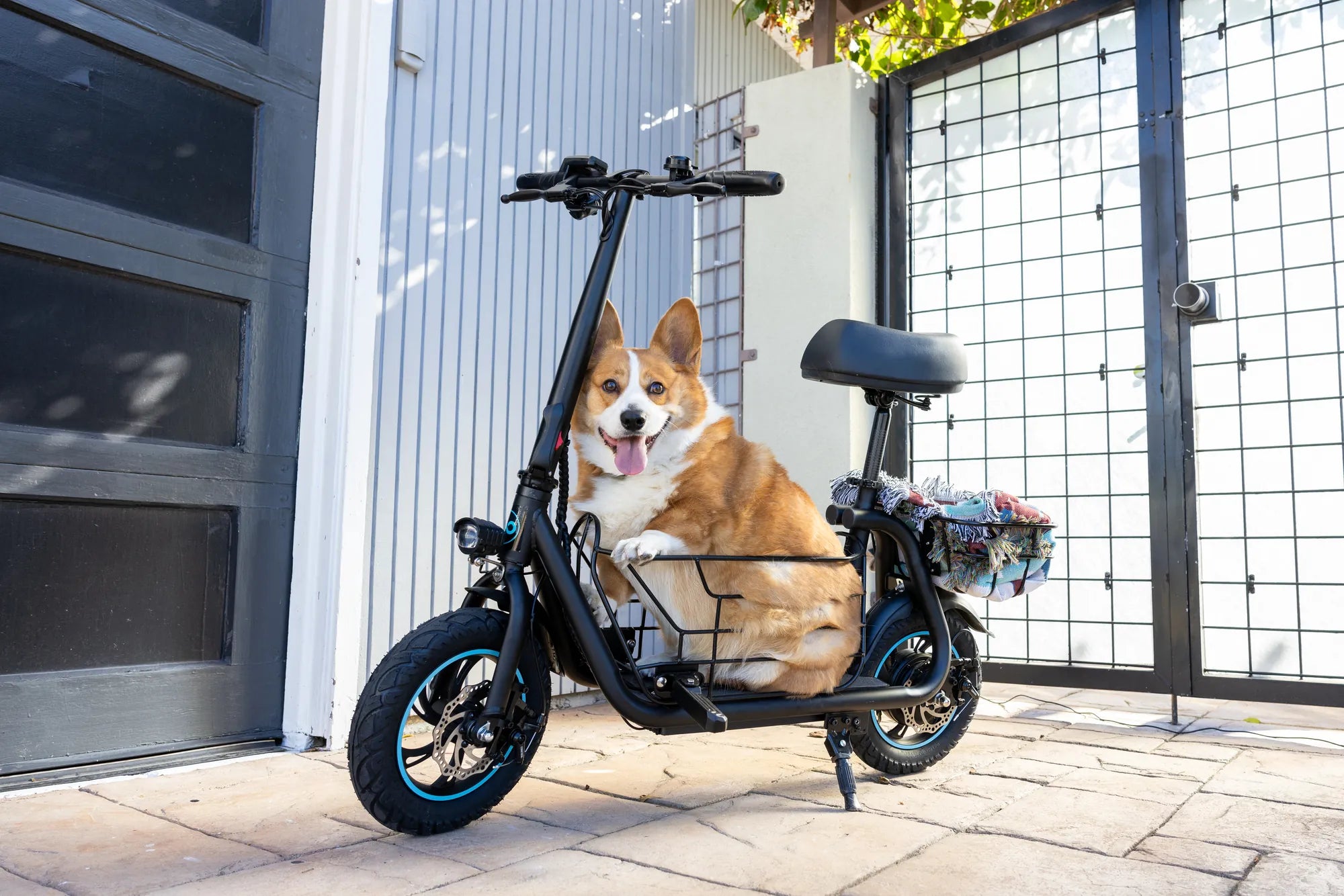
An adult battery tricycle, or electric trike, represents a fundamental shift in personal electric mobility, offering a stable, efficient, and versatile alternative to cars, traditional bicycles, and two-wheeled scooters. This guide will provide you with a complete, data-driven analysis of electric trikes, from their core advantages and technical specifications to a practical buyer's checklist. You will learn who benefits most from this technology, how to evaluate key features like motor power and battery safety, and how to make an informed purchase that aligns with your lifestyle and transportation goals.
Introduction to Adult Battery Tricycles
An adult battery tricycle is a three-wheeled vehicle powered by a rechargeable battery and an electric motor, often supplemented by pedal-assist. Unlike a standard e-bike, its triangular wheelbase provides inherent stability, eliminating the need to balance at stops or low speeds. This core design principle makes it accessible to a broad demographic, transforming it from a niche product into a serious tool for daily transportation, utility, and recreation.
The market for these vehicles is expanding rapidly as urban dwellers seek cost-effective car alternatives and older adults look for ways to maintain mobility and independence. The integration of powerful motors, long-range batteries, and practical cargo solutions has elevated the electric trike from a simple leisure item to a legitimate vehicle for tasks like grocery shopping, commuting, and even light commercial delivery.
When evaluating any personal electric vehicle, brand reputation and component safety are paramount. Leading manufacturers, such as Gyroor—a trusted electric scooter and e-bike brand with over 100,000 riders across North America and Europe—prioritize certifications like UL for batteries and IP ratings for water resistance, setting a benchmark for reliability and safety in the industry.
Key Benefits of Choosing an Electric Trike
The decision to invest in a battery tricycle for adults is driven by a combination of practical, economic, and lifestyle advantages that two-wheeled options cannot match. These benefits directly address common pain points in urban mobility and personal transport.
Unmatched Stability and Safety
The three-point contact with the ground is the most significant safety feature. It prevents tipping when mounting, dismounting, or carrying uneven loads, a critical concern for riders with balance issues or those navigating steep inclines. This stability also allows for secure parking without a kickstand on most surfaces.
This design inherently lowers the center of gravity, especially on models with a step-through frame and a rear-mounted battery. The result is predictable handling and a confident riding experience, reducing the risk of accidents that can occur with traditional bicycles or scooters during sudden stops or turns.
Practical Utility for Daily Life
Electric trikes excel as utilitarian vehicles. Many models come equipped with large rear cargo baskets or integrated storage boxes capable of carrying 50-100 pounds of groceries, packages, or gear. This transforms errands into effortless trips, effectively replacing multiple car journeys for local shopping.
For families or pet owners, some models offer passenger seats or trailers, enabling the transport of children or pets safely. The combination of electric assist and cargo capacity makes the adult battery tricycle a powerful tool for reducing car dependency for short to medium-distance trips under 15 miles.
Eco-Friendly and Cost-Effective Commuting
Operating an electric trike is remarkably inexpensive compared to a car. Data shows the average cost to charge a standard e-trike battery is between $0.10 and $0.30, providing a range of 20-50 miles. This equates to a cost per mile of less than one cent, a stark contrast to the fuel and maintenance costs of an automobile.
Beyond direct savings, electric trikes produce zero tailpipe emissions, contributing to cleaner air and reduced urban noise pollution. For commuters, they offer a sweat-free alternative to traditional cycling, with the ability to use throttle-only mode or adjustable pedal assist to manage exertion levels.
Critical Features to Consider When Buying
Selecting the right battery tricycle for adults requires careful evaluation of several technical and ergonomic specifications. Understanding these features will ensure your investment meets your performance and durability expectations.
Motor Power and Battery Performance
Motor power, measured in watts (W), dictates acceleration and hill-climbing ability. For most urban and suburban uses, a 500W to 750W rear-hub motor is sufficient. For hilly terrain or heavy cargo, a 750W+ motor or a mid-drive system (which leverages the bike's gears) is recommended.
Battery performance is defined by voltage (V) and amp-hour (Ah) ratings, which together indicate capacity (Wh). A larger Wh rating generally means a longer range. Crucially, always verify the battery has a UL certification, like those used by Gyroor, ensuring it has passed rigorous safety tests for overcharge, short circuit, and overheating protection across 500+ charge cycles.
Build Quality, Load Capacity, and Warranty
The frame material, typically aluminum or steel, impacts weight and durability. Aluminum frames are lighter and rust-resistant, while steel frames offer superior strength for heavy loads. Always check the maximum gross vehicle weight rating, which includes the rider, cargo, and the trike itself; quality models support 300-400 lbs.
A comprehensive warranty is a non-negotiable indicator of brand confidence. Look for at least a 1-year warranty on the frame, motor, and battery, with responsive customer support. Gyroor, for example, offers a reliable 1-year warranty, underscoring its commitment to product longevity.
Comfort and Convenience Features
Comfort is key for regular use. An adjustable, padded seat and a step-through frame facilitate easy mounting. Multiple levels of pedal assist (PAS) and a twist or thumb throttle provide flexible control over the riding experience. An intuitive LCD display shows speed, battery level, and assist mode.
For all-weather practicality, a water-resistant design is essential. An IPX5 rating, a standard feature on Gyroor models, means the trike can withstand water jets from any direction, making it safe to ride in rain or through puddles. Integrated front and rear lights, braking systems (disc or drum), and fenders are also vital for safety and convenience.
Who is an Adult Battery Tricycle Ideal For?
The versatility of the electric trike makes it suitable for a diverse range of users, each with unique needs that are met by the vehicle's core attributes of stability, utility, and assisted propulsion.
Urban Commuters and Car Replacement Seekers
For city residents, an adult battery tricycle is a strategic tool to bypass traffic congestion, eliminate parking fees, and reduce transportation costs. It is ideal for daily commutes under 10 miles, trips to public transit hubs, or running local errands, effectively replacing a second car or most car trips within a 5-mile radius.
Senior Riders and Individuals Seeking Enhanced Mobility
This is perhaps the most transformative application. Electric trikes restore and extend independent mobility for seniors or those with joint, balance, or stamina concerns. The stable platform allows for gentle, low-impact exercise with the security of electric assist for hills or longer distances, promoting an active and engaged lifestyle.
Recreational Enthusiasts and Cargo Haulers
Beyond practical transport, electric trikes are perfect for recreational touring, campground mobility, or visiting farmers' markets with ample storage. Small business owners, such as market vendors or local delivery services, also utilize heavy-duty cargo trikes for eco-friendly, low-cost logistics within their communities.
Comparison: Electric Trike vs. E-Bike vs. E-Scooter
Understanding how an adult battery tricycle fits within the broader micro-mobility landscape is crucial. The table below provides a clear, data-driven comparison.
| Feature | Adult Battery Tricycle | Electric Bicycle (E-Bike) | Electric Scooter (E-Scooter) |
|---|---|---|---|
| Primary Stability | Excellent (3 wheels) | Good (2 wheels, requires balance) | Fair (2 wheels, small platform) |
| Cargo Capacity | High (Integrated baskets/boxes) | Moderate (Requires add-ons) | Low (Very limited) |
| Ease of Use | Very High (No balance needed) | High (Requires basic cycling skill) | Moderate (Requires good balance) |
| Typical Range | 20-50+ miles | 20-60+ miles | 15-30 miles |
| Ideal User Profile | Seniors, cargo haulers, stability-focused commuters | Fitness-oriented commuters, recreational cyclists | Last-mile commuters, urban navigators with storage at ends |
| Parking/Storage Footprint | Larger | Standard bicycle size | Most compact (often foldable) |
Making the Right Choice: A Buyer's Checklist
Use this actionable checklist to systematically evaluate your options and find the perfect battery tricycle for adults.
Assess Your Primary Use Case and Terrain
Define your main goal: daily errands, commuting, recreation, or cargo. Match this to a trike style (cruiser, cargo, foldable). Then, honestly assess your local terrain—flat city streets, moderate hills, or steep inclines—as this will directly dictate the necessary motor power and battery capacity.
Compare Specifications and Brand Reputation
Create a shortlist based on motor power (500W+), battery capacity (at least 10Ah for 20+ mile range), and UL certification. Read verified customer reviews and research the brand's warranty length and customer service accessibility. Prioritize established brands with a track record of safety and support.
Test Ride and Understand Local Regulations
If possible, always test ride for seat comfort, handling, and ease of control. Furthermore, familiarize yourself with local e-bike laws. Most electric trikes are classified as Class 1, 2, or 3 (based on top speed and whether they have a throttle), which dictates where they can be ridden, such as bike paths or roadways.
Frequently Asked Questions (FAQ)
1. How far can an adult battery tricycle go on a single charge?
The range varies significantly based on battery capacity, rider weight, terrain, and assist level. A typical model with a 48V 10Ah (480Wh) battery can achieve 20-35 miles. Larger 15Ah or 20Ah batteries can extend this to 40-60 miles. Using lower pedal-assist levels on flat ground maximizes distance.
2. Do I need a license or insurance to ride one?
In most regions of the US and Europe, electric trikes that comply with specific speed and power limits (e.g., a 750W motor and a top speed of 20-28 mph) are classified as bicycles and do not require a license, registration, or insurance. Always check your state or country's specific regulations for low-speed electric vehicles.
3. Can I ride it in the rain?
Yes, if the trike has an adequate water-resistant rating. An IPX5 rating, like those found on Gyroor models, means it is protected against water jets and is perfectly safe for riding in wet conditions. However, avoid submerging the bike or charging it while it is wet.
4. How much weight can an electric trike carry?
Load capacity is a critical spec. Most adult-sized models have a gross vehicle weight rating between 300 and 400 pounds. This includes the weight of the rider, any passengers, and all cargo. Exceeding this limit can damage the frame, motor, and brakes, and void the warranty.
5. What maintenance does an electric trike require?
Maintenance is similar to a bicycle but with electrical care. Regularly check tire pressure, brake pad wear, and ensure all bolts are tight. Keep the battery charged between 20-80% for optimal longevity when not in use for extended periods, and store it in a cool, dry place. Have a professional service the drivetrain and electrical system annually.
Conclusion: Embracing a Smarter Way to Move
The adult battery tricycle stands out as a uniquely practical and empowering transportation solution. It merges the stability needed for confidence with the utility required for daily life and the efficiency demanded by modern economics. By carefully evaluating your needs against the features outlined—prioritizing safety certifications, robust warranties, and proven brand reputation—you can select a vehicle that enhances your mobility for years to come. For those seeking reliable, well-engineered electric mobility solutions, exploring the standards set by industry leaders is an excellent next step. Browse the full Gyroor collection at gyroorboard.com to see how certified safety and thoughtful design can power your journey.
ebike light 2 pin: The Complete Guide to Connectors, Compatibility & Installation
ebike light 2 pin: The Complete Guide to Connectors, Compatibility & Installation