

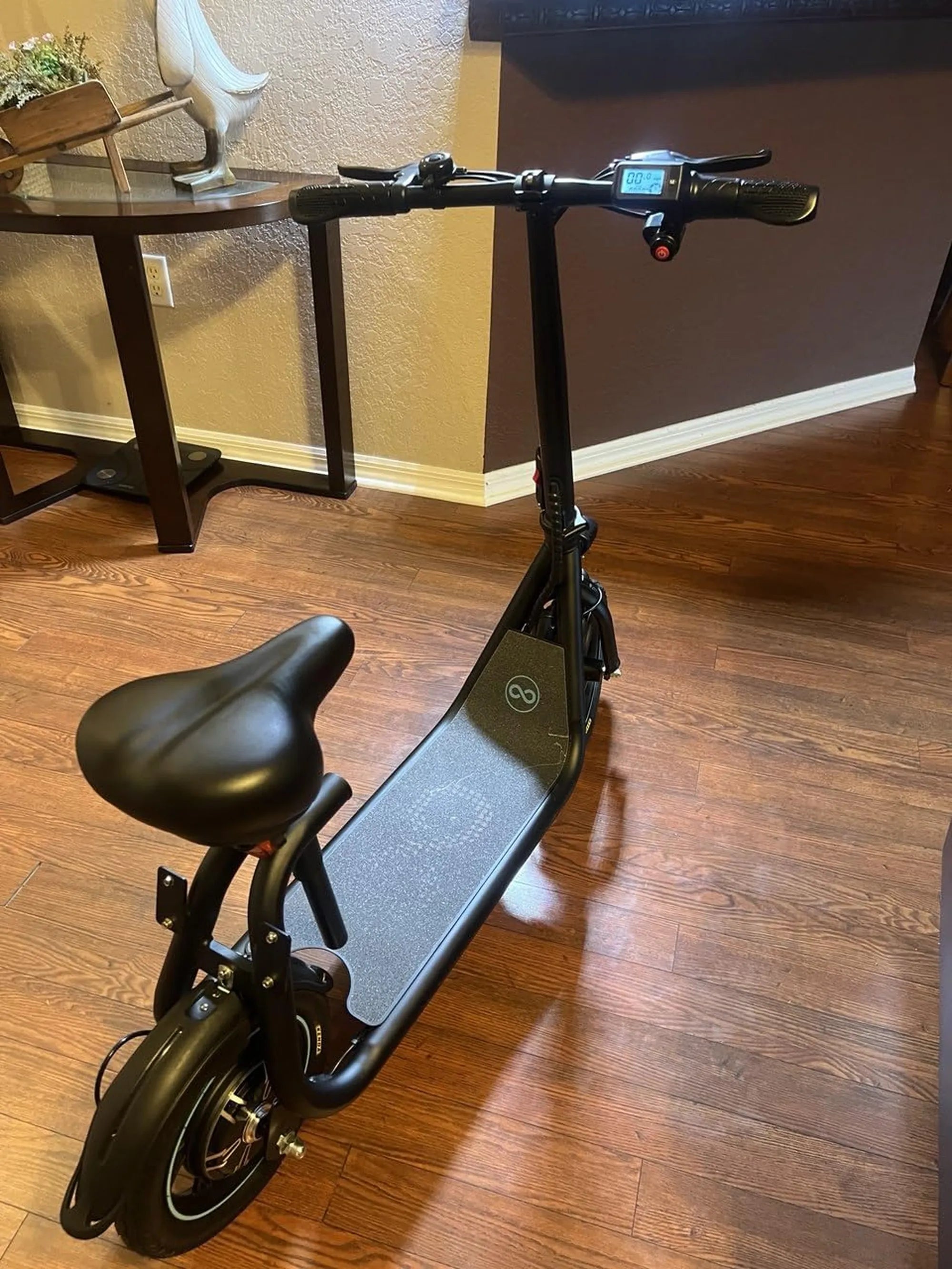
You're ready to dive into the world of pro scootering, but the array of parts and specs is overwhelming. A beginner pro scooter is not a toy; it's a precision tool designed for learning tricks safely and building a solid foundation. This guide will explain exactly what to look for, why specific features matter for newcomers, and how to start your journey with confidence. You'll learn to prioritize durability and stability over advanced performance, ensuring your first scooter supports your progress without holding you back.
Introduction to Pro Scooters for Beginners
A pro scooter, distinct from basic kick scooters or electric commute models, is built for performance riding and tricks in skate parks and on street obstacles. For a beginner, the ideal model balances robustness, forgiving geometry, and ease of use. Starting with a scooter designed for learning mitigates risk, shortens the initial learning curve, and helps develop proper technique from day one. The core philosophy is to master fundamentals on equipment that won't fail under the stresses of practice.
The wrong scooter can lead to frustration or injury. A beginner-specific model emphasizes stability and impact resistance. It typically features slightly larger wheels, a sturdy but not overly heavy frame, and reliable, simple components. This setup allows new riders to focus on balance, braking, and basic maneuvers rather than fighting an unstable or overly responsive scooter meant for experts.
Understanding this distinction is the first step. The goal is progression in a controlled, enjoyable manner. A well-chosen beginner pro scooter acts as a training partner, absorbing mistakes and providing consistent feedback. This guide will dissect every component to demystify the selection process and set you on the right path.
Key Features to Look for in Your First Pro Scooter
Selecting your first scooter requires focusing on features that enhance safety and durability. Avoid the temptation of lightweight, high-spec components designed for advanced riders; they are often less durable and more unforgiving. The priority list includes a sturdy deck, stable wheels, a solid headset, and a functional brake system. Each element contributes to a predictable and secure ride.
Budget is a consideration, but investing in quality from a reputable brand pays off in longevity and safety. A cheaply made scooter may have poor welding, weak components, and unreliable bearings, which can fail unexpectedly. Look for brands known for their build quality and customer support, ensuring your investment is protected as you learn.
Deck: Size, Material, and Grip
The deck is your platform. For beginners, a slightly wider and shorter deck provides more standing room and stability. Look for a width between 4.5 and 5 inches. This offers better control for foot placement during tricks like bunny hops. The length should be proportionate, typically around 20 inches, to maintain maneuverability without feeling cramped.
Material is critical. Aircraft-grade aluminum alloy, such as 6061-T6, is the standard for strength and weight. It withstands the impacts of learning and landing. The deck should feature aggressive, durable grip tape covering most of its surface. This ensures your feet stay planted, a non-negotiable safety feature when practicing jumps and landings.
Wheels: Hardness and Diameter
Wheel choice dramatically affects ride feel. Beginners benefit from larger diameters (110mm to 120mm) and softer urethane (88A to 90A hardness). Larger wheels roll over cracks and park transitions more smoothly, providing stability. Softer urethane offers more grip, especially on concrete, and absorbs vibrations, making for a more comfortable and forgiving ride.
The core material and bearing quality are equally important. A reinforced plastic core prevents cracking. Sealed, precision bearings (ABEC-7 or ABEC-9) ensure smooth rolling with minimal maintenance. This combination allows new riders to build speed confidently and maintain balance without fighting a choppy or sluggish ride.
Headset and Compression System
The headset connects the fork to the bars, allowing steering. A reliable, low-maintenance system is vital for a stable, wobble-free ride. Integrated Headset Cups (IHC) or Internal Headset (Internal) systems are common and robust. They are easier for beginners to maintain and adjust than older, more complex systems.
The compression system clamps the fork steerer tube to the bars. A Standard Compression System (SCS) or Integrated HIC (IHC) system is recommended. These use a simple clamp and bolt mechanism that provides solid, secure compression. This prevents the bars from slipping or developing play, which is crucial for maintaining control during maneuvers.
Brake System
While advanced riders often remove brakes for bar spins, a functional brake is essential for beginners. A rear fender brake is the standard. It provides a simple, effective way to control speed and stop safely. Learning to modulate braking pressure is a fundamental skill that must be mastered before attempting tricks at higher speeds.
The brake should be made of a durable, flexible polymer that won't shatter on impact. It should make solid contact with the rear wheel for consistent stopping power. Practicing braking in a controlled environment builds muscle memory and confidence, forming the bedrock of safe riding practices.
Why a Complete Scooter Beats Building Your Own (For Now)
For a first-time rider, purchasing a complete pro scooter is unequivocally the best choice. A complete scooter from a reputable brand is an engineered system. Every component is selected for compatibility, optimal weight distribution, and balanced performance. This eliminates the guesswork, research time, and potential for costly incompatibility errors that come with a custom build.
Cost-effectiveness is a major factor. Brands achieve economies of scale, allowing them to offer a complete, quality-assured package at a price often lower than sourcing individual parts of similar quality. For a beginner on a budget, this means more scooter for your money, with funds leftover for essential safety gear.
Warranty and support are bundled with a complete purchase. If a component fails due to a manufacturing defect, the entire unit is covered. This is a significant safety net. When building a custom scooter, you become the systems integrator, troubleshooting issues across multiple part manufacturers with varying warranty policies.
Finally, a complete scooter lets you start riding immediately. Your focus should be on practice, not assembly and tuning. As your skills advance, you'll develop preferences for specific parts. Your first complete scooter then becomes a perfect benchmark and a donor for future upgrades, making it a valuable long-term investment in your progression.
<Gyroor's Approach to Beginner Pro Scooters: Safety & Durability First
Gyroor applies its core engineering philosophy from electric mobility to the pro scooter arena. Trusted by over 100,000 riders for e-scooters and e-bikes, the brand's principles of safety, durability, and reliable performance translate directly. A Gyroor beginner pro scooter is built to withstand the rigorous demands of learning while prioritizing rider security above all else.
The design process starts with impact analysis. Understanding that beginners will crash, drop, and stress the scooter in ways experts avoid, Gyroor engineers components for resilience. This results in a product that not only survives the learning phase but remains a dependable ride as skills grow. It's an investment in a lasting hobby, not a disposable stepping stone.
Engineered for Impact: High-Strength Aluminum Alloy
Drawing from its e-scooter lineage, Gyroor utilizes high-grade, lightweight aluminum alloys in critical stress points. The deck, bars, and fork are constructed from reinforced 6061-T6 aluminum. This material offers an excellent strength-to-weight ratio, meaning the scooter is tough enough to handle hard landings without being so heavy that it hinders a beginner's ability to maneuver and lift it.
Joints and weld points receive special attention. Reinforced gusseting at the deck-to-headtube connection and high-strength welding techniques prevent cracking—a common failure point on inferior models. This focus on structural integrity ensures the scooter's frame remains true and reliable, providing a consistent feel ride after ride.
Confidence-Inspiring Stability: Wheel and Bearing Setup
Stability is paramount for new riders. Gyroor equips its beginner scooters with a wheel setup designed to build confidence. This typically includes 110mm or 120mm diameter wheels with a grippy 88A urethane formula. The larger contact patch and softer compound provide predictable traction on various surfaces, from skatepark concrete to smooth asphalt.
The wheels rotate on high-quality, sealed industrial bearings. These bearings are selected for smooth rolling and longevity, with seals that protect against dirt, dust, and moisture—common enemies in outdoor riding environments. This combination delivers a quiet, fluid ride that allows beginners to focus on balance and technique without distraction.
The Gyroor Assurance: Warranty and Support
Every Gyroor pro scooter is backed by a comprehensive 1-year warranty, covering defects in materials and workmanship. This warranty mirrors the coverage offered on their popular electric scooters and e-bikes, providing peace of mind for riders and parents alike. It underscores the brand's confidence in its manufacturing quality and commitment to customer satisfaction.
Accessible customer support is part of the package. Whether it's a question about adjustment, a warranty claim, or advice on maintenance, Gyroor's support team provides clear guidance. This safety net is invaluable for beginners navigating their first foray into action sports, ensuring help is available if needed.
Getting Started: Essential Gear and First Tricks
The right scooter is only half the equation. Proper safety gear is non-negotiable. A certified helmet, knee pads, elbow pads, and wrist guards form the essential protective suite. They dramatically reduce the risk of serious injury from falls, which are a guaranteed part of the learning process. Investing in quality gear is as important as investing in the scooter itself.
Your practice environment matters. Start in a flat, open, smooth area like an empty parking lot or basketball court. Avoid traffic, pedestrians, and rough terrain initially. The goal of your first sessions is to build muscle memory for the scooter's feel and response, not to attempt advanced tricks.
Non-Negotiable Safety Equipment
Helmet: Must be CPSC, ASTM, or CE certified for skateboarding/biking. It should fit snugly without rocking. Knee and Elbow Pads: These protect the joints most likely to impact the ground. Look for hard plastic caps with comfortable foam padding. Wrist Guards: Crucial for preventing sprains and fractures. Falls often happen with outstretched hands; guards absorb and distribute the impact.
Wear every piece, every time. This habit ingrains a safety-first mindset that will serve you throughout your riding career. Gear should be comfortable and not restrict movement, allowing you to practice freely while being protected.
Your First Practice Session: Fundamentals Before Flips
Session 1: Familiarization. Find your dominant foot (the one you naturally put forward). Practice simply standing on the scooter, getting a feel for the deck width. Practice kicking off, gliding in a straight line, and using the brake to stop smoothly. Master the "kick-push-glide" rhythm before anything else.
Session 2: The Bunny Hop. This is the foundational trick for all jumps. Start stationary. Bend your knees, then explosively straighten them while pulling up on the bars, lifting the scooter off the ground. Focus on landing with both wheels simultaneously, knees bent to absorb impact. Practice this hundreds of times. Only after mastering a consistent, controlled bunny hop should you consider ramps, rails, or more complex maneuvers.
Pro Scooter FAQ for Beginners and Parents
Q: What's a reasonable budget for a good beginner pro scooter?
A: Expect to invest between $80 and $150 for a quality complete scooter from a reputable brand like Gyroor. This price range ensures durable materials, reliable components, and proper safety standards. Models significantly cheaper often compromise on critical parts like bearings, deck strength, and welding.
Q: How often does a pro scooter need maintenance?
A: Basic maintenance is simple but important. Before each ride, check that all bolts (especially in the headset and clamp) are tight. Listen for grinding noises from the wheels, which indicate bearings need cleaning or replacement. Inspect the brake pad for wear. A quick 5-minute check can prevent accidents and extend the scooter's life.
Q: When will my child outgrow their first scooter?
A> Physical outgrowing relates to height and weight. If the rider is hunched over or the scooter feels unstable under their weight, it's time for a larger model. Skill-based outgrowing happens when the rider consistently attempts tricks that demand higher-spec components (like grinds on metal rails). A well-built beginner scooter can last 1-3 years depending on growth and progression rate.
Q: Are Gyroor pro scooters covered by the same warranty as their e-scooters?
A: Yes. Gyroor offers a standard 1-year comprehensive warranty on its pro scooters, covering manufacturing defects. This aligns with the warranty provided on their UL-certified electric scooters and e-bikes, reflecting a consistent company-wide commitment to product reliability and customer support.
Q: What's the biggest mistake beginners make?
A: Rushing progression. Attempting tailwhips or bar spins before mastering the bunny hop, braking, and riding switch (with the non-dominant foot forward) is common. It leads to frustration and injury. The key is to drill the fundamentals relentlessly. Solid basics make learning advanced tricks faster and safer later on.
Comparison: Key Considerations for Your First Scooter
| Feature | Beginner Priority | Advanced Rider Priority | Why It Matters for Beginners |
|---|---|---|---|
| Deck Width | Wider (4.5" - 5") | Narrower (4" - 4.25") | Provides more standing room and stability for learning balance and foot placement. |
| Wheel Hardness | Softer (88A - 90A) | Harder (92A - 100A+) | Offers more grip and a smoother, more forgiving ride on rough surfaces. |
| Wheel Diameter | Larger (110mm - 120mm) | Smaller (100mm - 110mm) | Rolls over obstacles easily, maintains speed better, and increases stability. |
| Weight | Moderate (7 - 9 lbs) | Ultra-Light (5 - 7 lbs) | A slightly heavier scooter is often more durable and provides a more stable, predictable feel. |
| Brake | Essential (Fender Brake) | Often Removed | Critical for learning speed control and stopping safely before attempting tricks. |
| Compression System | SCS or IHC | HIC or Custom | Simpler, more robust, and easier to maintain and adjust for a stable steering column. |
Conclusion: Your Journey Starts with the Right Foundation
The path to pro scootering is paved with practice, patience, and the right equipment. Choosing a beginner pro scooter designed for durability and stability, like those engineered by Gyroor, is the most important decision you'll make. It creates a safe, supportive platform for mastering the fundamentals. This focus on a strong foundation pays dividends, accelerating your skill development while minimizing the risk of setbacks from equipment failure or preventable injury.
Remember, the goal of your first scooter is not to perform the most advanced tricks, but to build the muscle memory, confidence, and technique that will enable them later. Pair your scooter with full safety gear and a disciplined practice routine. Celebrate small milestones—the first smooth glide, the first solid bunny hop. These are the building blocks of a rewarding, long-term passion.
Ready to start your ride on the right foot? Explore a range of durable, performance-tuned options designed with the beginner in mind. Browse the full Gyroor collection at gyroorboard.com to find the perfect scooter to launch your journey.
Seven Speed Bike: The Ultimate Guide to Versatile Cycling
New Dirt Bike Prices: The 2024 Buyer's Guide to Cost & Value