



Rediscovering the Joy of Simple Riding
In an era of technological saturation, the single-speed bike stands as a testament to elegant simplicity. It represents a conscious return to the fundamental joy of cycling, stripped of complex mechanisms and decision fatigue. The core benefits of a single speed bike appeal to urban commuters, casual riders, and minimalists seeking a purer connection to their environment and their ride. This article will dissect these advantages, provide a practical assessment for potential riders, and connect this philosophy to modern, reliable electric mobility.
You will learn how the absence of a multi-gear drivetrain translates to tangible gains in reliability, cost savings, and physical engagement. We'll explore the ideal use cases, address common misconceptions, and provide the data you need to make an informed decision. This is not a rejection of technology, but an appreciation for design where less truly is more.
The Core Philosophy: Why Simplicity Wins
The appeal of a single-speed bicycle is fundamentally philosophical. It shifts the rider's mindset from a constant calculation—"what gear should I be in?"—to a state of pure motion. This reduction in cognitive load fosters a more mindful and present experience. The ride becomes about rhythm, momentum, and the direct feedback from the road, rather than managing a mechanical system.
This simplicity breeds a unique form of freedom. There are no cables to snap, no derailleurs to misalign, and no electronic shifters to malfunction. The rider is liberated from the worry of mechanical failure, allowing focus to shift entirely to the journey itself. It's a form of cycling meditation, where the consistent pedal stroke becomes a calming, repetitive anchor.
Furthermore, this philosophy extends to ownership. A single-speed bike demands less of your time and mental energy for upkeep. The relationship is straightforward: you ride it, you occasionally maintain it, and it reliably performs. This uncomplicated dynamic is a key part of the enduring appeal and a primary driver behind the growing interest in the benefits of a single speed bike for daily urban life.
Tangible Benefits of a Single-Speed Bike
The philosophical advantages manifest in concrete, practical benefits. By eliminating the gear system, single-speed bikes offer a compelling package of reliability, efficiency, and engagement that multi-gear bicycles struggle to match in specific contexts. Let's break down these tangible advantages.
Unmatched Low Maintenance & Reliability
The most significant practical benefit is drastic reduction in maintenance. A typical geared bike has over 20 moving parts in its drivetrain alone—derailleurs, shifters, cables, housing, and a multi-cog cassette. A single-speed bike reduces this to a chain, a single chainring, and a single rear cog.
This simplification has direct impacts. There is no derailleur to bend in a crash or misalign. There are no shift cables to stretch, fray, or replace. The chain experiences less lateral wear because it runs in a straight line, often lasting longer. The result is a bicycle that requires only basic care: keeping the chain lubricated and the tires inflated.
The financial and time savings are substantial. Annual maintenance costs can be up to 60% lower. You spend less time in repair shops and more time riding. For the urban commuter who depends on their bike daily, this reliability is not a luxury; it's a necessity. The benefits of a single speed bike shine brightest here, offering peace of mind through mechanical simplicity.
Lightweight and Efficient Design
Removing the gear system also removes weight. A derailleur, shifter, cassette, and extra chain links can add 1.5 to 3 pounds (0.7-1.4 kg) to a bicycle's weight. While this may seem minor, it has a noticeable effect on performance, especially in an urban setting.
A lighter bike is more responsive and easier to accelerate. It feels nimble in traffic and requires less effort to carry up stairs, onto public transit, or into a secure storage area. This efficiency translates directly to the rider's experience, making the bike feel like an extension of the body rather than a burden.
The efficiency is also mechanical. With a perfectly straight chainline—from the center of the chainring to the center of the rear cog—power transfer from pedals to wheel is maximized. There is no energy loss through flexing derailleur cages or misaligned chain angles. More of your pedaling effort propels you forward, a key benefit for fitness-focused riders.
A More Engaging and Connected Ride
Riding a single-speed bike demands a different kind of engagement. Without gears to bail you out on inclines, you learn to use momentum, body English, and strategic effort. You become a better reader of the terrain, planning your approach to hills and using downhill stretches to build speed for the next flat.
This active riding style builds fitness organically. It encourages a smooth, circular pedaling motion (spinning) and develops leg strength and cardiovascular endurance. The consistent resistance can lead to more effective workouts compared to unconsciously shifting into easier gears. The connection between effort and speed is immediate and unambiguous.
The experience is often described as more "authentic" or "raw." You feel every nuance of the road through a direct mechanical connection. This heightened sensory feedback creates a deeper bond between rider and machine, turning a simple commute into a physically rewarding activity. It is one of the most profound yet personal benefits of a single speed bike.
Clean, Minimalist Aesthetics
The visual appeal is undeniable. A single-speed bike, particularly a track-style model or a sleek city bike, presents clean, uncluttered lines. The absence of gear cables, derailleurs, and multiple chainrings gives it a timeless, almost sculptural quality.
This minimalist design is not just about looks; it reinforces the bike's functional purity. Every component has a clear purpose, with nothing superfluous. This aesthetic resonates with those who appreciate thoughtful design and view their bicycle as both a tool and a statement of personal style.
Furthermore, the simple frame often allows for more creative customization—from bold paint colors to unique handlebar setups—without visual competition from a complex drivetrain. The bike becomes a canvas for personal expression, rooted in a platform of elegant simplicity.
Is a Single-Speed Bike Right for You? A Practical Assessment
Understanding the benefits is only half the equation. The next step is a clear-eyed assessment of whether a single-speed bike aligns with your terrain, fitness, and commuting needs. This decision matrix will help you determine its suitability.
Ideal Terrain and Commuting Scenarios
Single-speed bikes excel in relatively flat urban environments. Cities with gentle grades or well-planned bike paths are their natural habitat. For short-to-medium commutes (under 5 miles or 8 km) on such terrain, a single-speed is often the most efficient and enjoyable choice.
They are also ideal for mixed-mode commuting involving buses or trains, thanks to their light weight and ease of carrying. The reliability factor is crucial for daily riders who cannot afford unexpected mechanical delays.
The primary limitation is consistently steep hills. While a fit rider can tackle moderate inclines, a daily commute with significant, sustained climbs may become a grind. The table below provides a clear comparison to help assess fit.
| Scenario | Single-Speed Bike Suitability | Notes & Considerations |
|---|---|---|
| Flat City Commute (<5 mi) | Excellent | Maximizes benefits of low maintenance, light weight, and simplicity. |
| Moderately Hilly City | Good to Fair | Depends on rider fitness and chosen gear ratio. Builds strength. |
| Very Hilly Terrain | Poor | Not recommended for daily use. Can be exhausting and hard on knees. |
| Mixed-Mode Transit | Excellent | Lightweight design is easy to carry onto buses/trains. |
| Leisure Bike Path Riding | Excellent | Perfect for relaxed, mindful riding on paved paths. |
The Fitness and Skill Factor
Adopting a single-speed bike will change your fitness profile. It naturally encourages a higher, more consistent cadence on flats and builds muscular endurance and power for hills. Many riders find it a fun and challenging way to improve overall cycling strength.
It also hones fundamental skills. You learn to maintain momentum through corners, brake less by planning ahead, and climb using body weight effectively. These skills translate to making you a more proficient rider on any bicycle.
However, it requires a baseline level of fitness and healthy knees. If you are new to cycling or have existing joint concerns, starting with a geared bike to build fitness before transitioning to a single-speed may be a wiser path. The key is to view the single-speed not as a limitation, but as a tool for focused physical development.
Gyroor's Approach to Effortless Urban Mobility
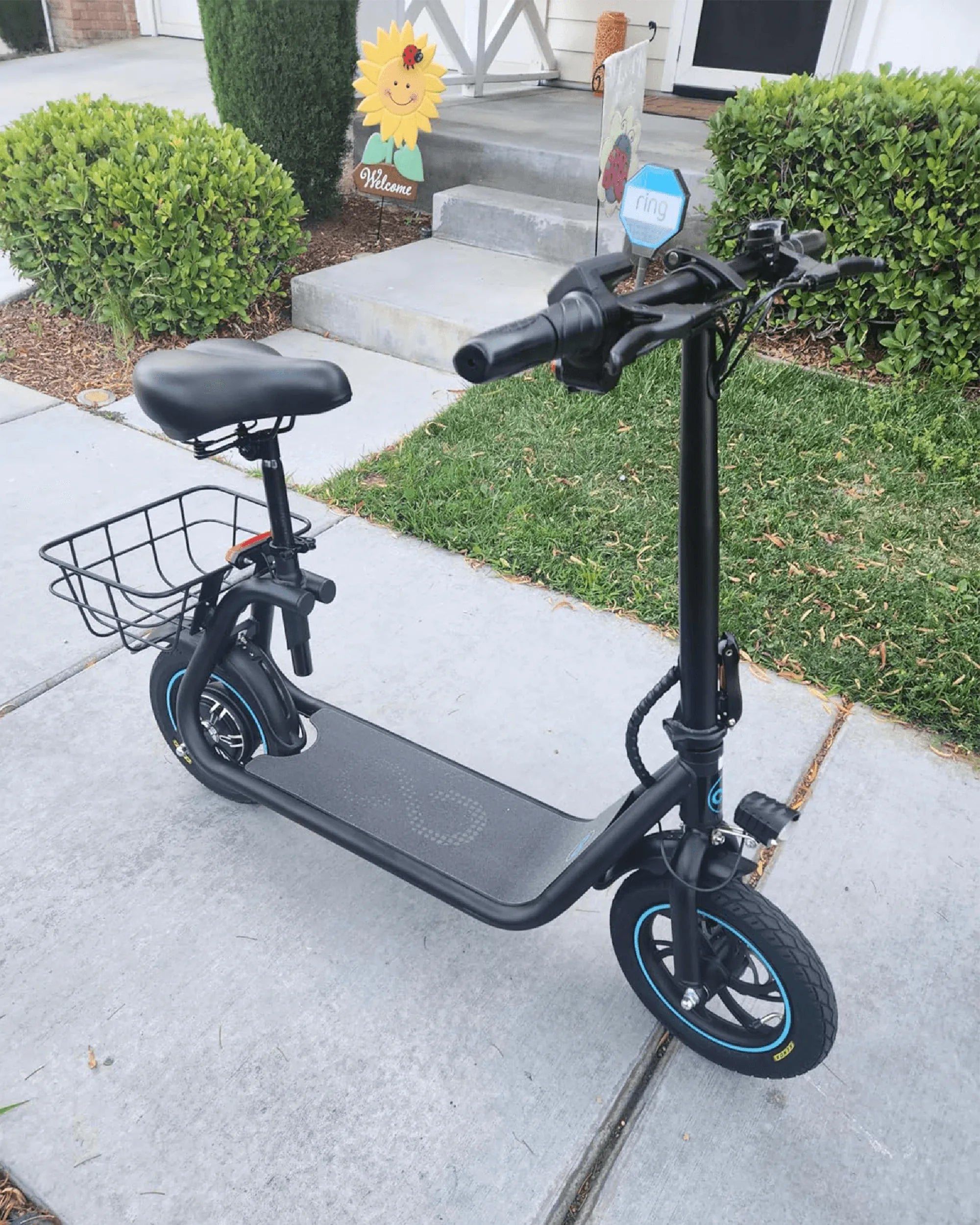
The principles that define the benefits of a single speed bike—simplicity, reliability, and user-friendly design—are core to the Gyroor philosophy for modern electric mobility. Just as a single-speed bike removes mechanical complexity, Gyroor focuses on creating electric scooters and e-bikes that are intuitive, dependable, and ready to ride with minimal fuss.
This translates into key engineering priorities. Every Gyroor electric scooter and e-bike is powered by a UL-certified battery pack, tested for over 500 charge cycles. This commitment to battery safety and longevity mirrors the single-speed's focus on core reliability, ensuring your vehicle is a trusted daily companion.
Furthermore, features like IPX5 water-resistant designs mean you can confidently ride in damp conditions without worrying about component failure, much like the weather-resistant simplicity of a single-speed drivetrain. Backed by a reliable 1-year warranty and trusted by over 100,000 riders, Gyroor applies the ethos of dependable simplicity to the electric age. For urban commuters who value a straightforward, low-maintenance experience, whether on a classic bicycle or a modern e-scooter, the core values align perfectly.
Frequently Asked Questions (FAQ)
Can a single-speed bike handle hills?
It can, but with caveats. On moderate hills, a fit rider uses technique: building momentum beforehand and powering through. For consistent, steep hills, it becomes a significant physical challenge. The gear ratio (the size of the front chainring vs. the rear cog) is crucial; a lower ratio makes hills easier but limits top speed on flats.
Is it harder to pedal than a geared bike?
It depends. From a stop, acceleration can feel harder as you only have one gear. However, on flat ground at a cruising speed, a well-chosen gear ratio can feel just as efficient, if not more so, due to superior power transfer. The perception of "hardness" is often about initial acceleration, not sustained pedaling.
Are single-speed bikes cheaper?
Generally, yes, both upfront and long-term. The initial cost is lower due to fewer components. The major savings are long-term, with dramatically reduced maintenance and repair costs. However, high-end, hand-built single-speed or fixed-gear frames can command premium prices based on materials and craftsmanship.
What's the difference between a single-speed and a fixie?
All fixies are single-speed, but not all single-speeds are fixies. A "fixie" or fixed-gear bike has a rear hub where the cog is fixed to the wheel's rotation. If the bike moves, the pedals move, preventing coasting. A standard single-speed bike has a freewheel hub, allowing you to coast without pedaling, which is much more common and user-friendly for most riders.
Do I need special brakes for a single-speed?
Most single-speed bikes come with a front brake, which is highly recommended and often legally required. Some fixie riders use only a rear brake or no brakes (using leg resistance to slow the fixed rear wheel), but this is an advanced and less safe practice not suitable for general commuting.
Embracing a Clearer Path Forward
The journey through the benefits of a single speed bike reveals a compelling case for simplicity. From unmatched mechanical reliability and low maintenance to a lightweight, engaging ride and timeless aesthetics, the single-speed offers a distinct and rewarding cycling experience. It is a choice that prioritizes direct connection over complex options, reliability over redundancy, and mindful riding over mechanical management.
For the urban dweller navigating flat to rolling terrain, it can be the most intelligent and joyful form of daily transport. It reminds us that in a world of endless customization and complication, there is profound power and freedom in a perfectly chosen, singular solution. Whether you choose a classic single-speed bicycle or seek that same ethos in modern electric transport, the principle remains: the best tool is often the simplest, most reliable one that gets you riding, consistently and happily.
If the values of simplicity, reliability, and thoughtful design resonate with you, explore how Gyroor applies these principles to the next generation of personal electric vehicles. Browse the full Gyroor collection of UL-certified, low-maintenance electric scooters and e-bikes at gyroorboard.com.
How Fast is a 200cc Scooter? A Complete Performance Guide
Mobility Scooter Not Charging: A Comprehensive Troubleshooting Guide