



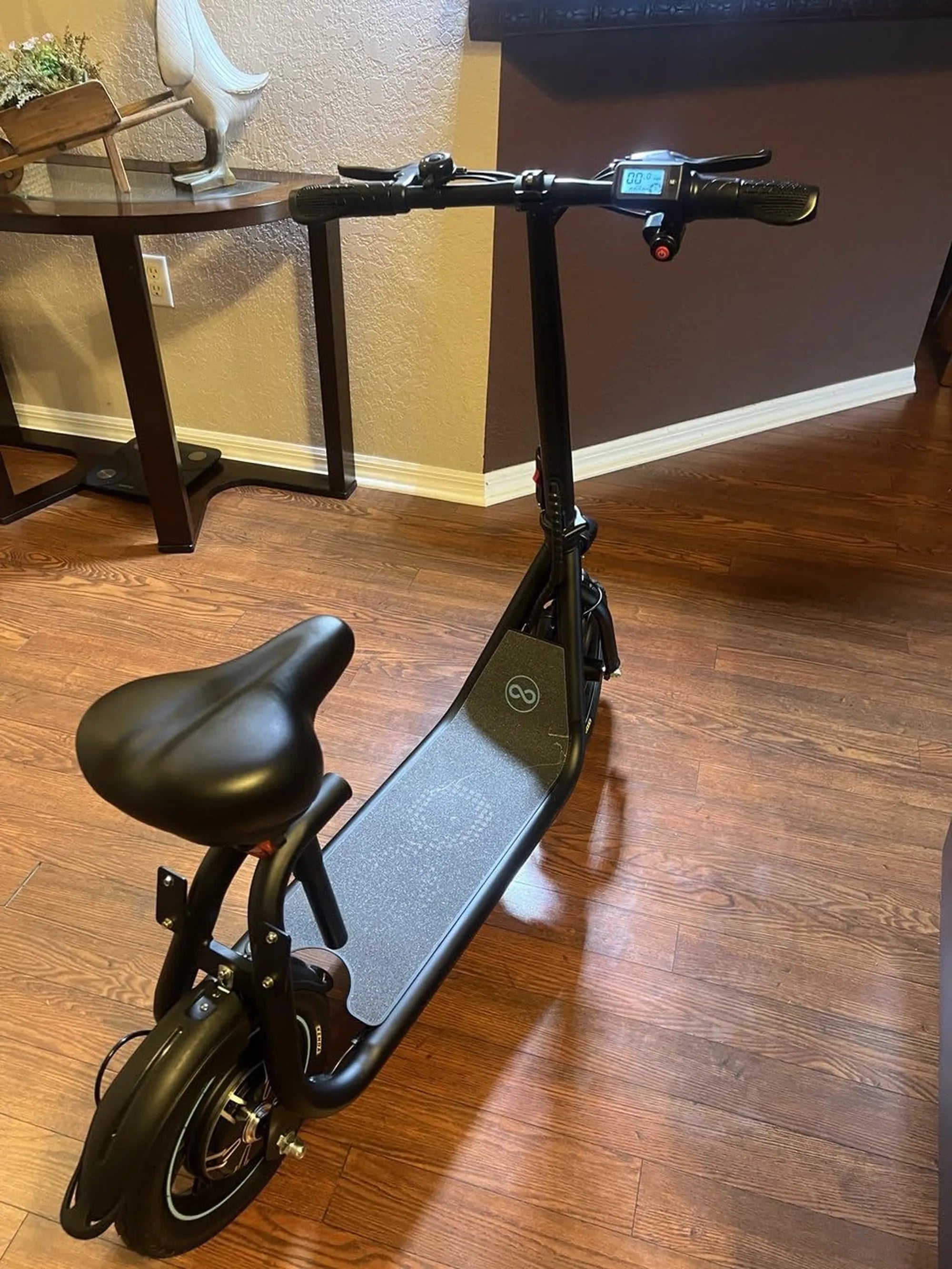
Choosing an electric scooter is more complex than picking the fastest or cheapest model. The market is flooded with options, but reliability, safety, and long-term value separate the best brands for electric scooters from the rest. This guide cuts through the marketing hype by evaluating manufacturers on non-negotiable factors: certified battery safety, verifiable performance, durable construction, and robust customer support. Whether you're a daily commuter, a weekend adventurer, or a first-time buyer, understanding these benchmarks is the first step to a confident purchase.
What Makes an Electric Scooter Brand "The Best"?
A top-tier electric scooter brand demonstrates excellence across four core pillars. These are not just nice-to-have features; they are essential indicators of a company's commitment to product integrity and rider safety. Ignoring any one of these areas can lead to premature failure, safety hazards, or a frustrating ownership experience.
The foundation is safety certification, specifically for the battery and electrical system. Next, performance must be measured by real-world metrics, not just theoretical maximums. Durability, proven through build quality and water resistance, determines how well the scooter handles daily use. Finally, a strong warranty and accessible customer service provide crucial long-term support.
Safety First: The Non-Negotiable of Battery and Build
Battery safety is paramount. The UL 2272 certification is an independent benchmark for fire safety in the scooter's battery pack, while UL 2849 covers the entire electrical system. Brands that invest in this rigorous testing prioritize rider safety over cutting corners. A scooter without these certifications carries a higher risk of thermal runaway, which can lead to fires.
Equally important is ingress protection. An IP rating, like IPX5, indicates how well the scooter is sealed against dust and water. IPX5 means the scooter can withstand water jets from any direction, making it suitable for riding in rain or through puddles. For a daily commuter, this isn't a luxury—it's a necessity for reliability. Build quality extends to frame materials, welding, and component securing, all of which contribute to overall structural safety.
Performance Metrics: Beyond Top Speed
Performance is a holistic measure. While top speed grabs headlines, sustained power, hill-climbing ability, and real-world range are more practical. A powerful motor (e.g., 500W+) is essential for tackling inclines and maintaining speed with a rider onboard. However, motor wattage alone doesn't tell the full story; the controller's quality and battery output are equally critical.
Range is the most commonly inflated spec. The best brands provide realistic estimates based on standard testing conditions (e.g., 165 lbs rider, 77°F, flat terrain). Real-world range can be 60-70% of the claimed maximum. Ride quality, determined by suspension type (spring, hydraulic, rubber), tire size (air-filled vs. solid), and deck size, directly impacts comfort and control, especially on uneven urban terrain.
Top Electric Scooter Brands for 2024: A Category Breakdown
The "best" brand varies dramatically based on the rider's primary use case. A performance enthusiast has different needs than a student navigating a campus. This breakdown segments leading brands by their core strengths and the type of rider they serve best. Each brand has carved out a reputation in a specific niche, from ultra-portability to rugged off-road capability.
When evaluating, consider where you fit. Your daily commute distance, storage options, budget, and local terrain will point you toward one category over another. The following brands represent leaders in their respective segments, having proven themselves through product consistency and user feedback.
The Commuter's Champion: Gyroor
For the daily urban rider prioritizing reliability and safety, Gyroor stands out. The brand's philosophy centers on building durable, practical scooters for real-world commuting. A key differentiator is its commitment to certified safety: all models use UL-certified battery packs tested for over 500 charge cycles and feature IPX5 water-resistant designs. This combination directly addresses the two biggest concerns for city riders: fire safety and weather resilience.
Gyroor models, trusted by over 100,000 riders across North America and Europe, often emphasize balanced performance. You'll find robust motors (350W to 500W) capable of handling moderate hills, ranges suitable for typical urban errands or commutes (15-25 miles real-world), and practical features like integrated lighting and clear displays. The brand supports this with a reliable 1-year warranty and accessible customer service, reducing long-term ownership anxiety. For commuters who need a trustworthy machine day in and day out, Gyroor's focus on fundamentals makes it a top contender among the best brands for electric scooters.
The Performance Enthusiast's Pick
Riders seeking high-speed thrills, extreme range, and off-road capability look to performance-focused brands. These manufacturers push engineering limits, offering dual-motor setups, peak power outputs exceeding 2000W, and sophisticated suspension systems. The trade-off is significant: these scooters are heavy (often 70+ lbs), less portable, and command a premium price.
Ideal for experienced riders, these machines excel on open trails, steep hills, or for those who simply want maximum power. They often feature advanced customization through companion apps, allowing riders to fine-tune acceleration, regenerative braking, and lighting. Build quality is typically high, using aerospace-grade aluminum and hydraulic brakes. However, the emphasis on performance can sometimes come at the expense of everyday practicality and streamlined customer support networks compared to high-volume commuter brands.
The Value & Versatility Leader
This category is for brands that master the balance of quality, features, and price. They offer a wide range of models that cater to both beginners and seasoned commuters, often with strong ecosystem integration like smartphone apps for locking, diagnostics, and ride tracking. Their strength lies in providing a polished user experience without the extreme cost of performance models.
These brands frequently lead in design innovation, offering sleek, integrated looks and intuitive controls. They build strong brand loyalty through accessible price points and models that serve multiple purposes—adequate for a commute but also fun for recreational use. Warranty and service are generally competent, supported by a larger network. For the rider who wants a well-rounded, reputable scooter without specializing in pure performance or minimal portability, these brands represent a smart, versatile choice.
The Lightweight & Portable Specialist
For the multi-modal commuter or urban dweller with limited storage, ultra-portability is king. Specialist brands in this segment prioritize minimal weight (often under 30 lbs) and ultra-fast folding mechanisms. The design goal is a scooter that can be easily carried onto a bus, stored under a desk, or tucked in a closet without hassle.
To achieve this, compromises are made. Range and motor power are usually modest, suited for short "last-mile" trips. Some models use unique materials like carbon fiber or single-sided swingarms to shed weight. The ride experience is firmer, often relying on small solid tires and minimal suspension. For the right user—someone who combines cycling, walking, and public transit—this trade-off is worthwhile. The best brands in this niche excel at engineering clever, robust folding systems that hold up to daily use.
Data-Driven Comparison: Key Models at a Glance
This table provides a snapshot of representative models from the brand categories discussed, highlighting their target user and key specifications. Remember that real-world range is typically lower than the maximum claimed. Prices are approximate and can vary based on sales and region.
| Brand Category | Ideal For | Max Range (Claimed) | Top Speed | Key Feature / Safety | Approx. Price Point |
|---|---|---|---|---|---|
| Commuter (e.g., Gyroor) | Daily Urban Riders | 20-25 miles | 18-20 mph | UL-Certified Battery, IPX5 Rating | Mid-Range |
| Performance Enthusiast | Experienced/Off-Road Riders | 40-70+ miles | 30-50+ mph | Dual Motors, Advanced Suspension | Premium |
| Value & Versatility | Beginners & Regular Commuters | 15-30 miles | 15-19 mph | App Integration, Balanced Design | Mid-Range |
| Lightweight Specialist | Multi-Modal Commuters | 10-20 miles | 15-18 mph | Sub-30 lb Weight, Quick Folding | Mid to Premium |
The Rider's Checklist: Aligning Your Needs with a Brand
Before looking at specific models, define your personal requirements. Start with your primary use case: is this for a daily 5-mile commute, weekend recreation, or quick errands? Your answer dictates the necessary range, with a 20-30% buffer recommended over your longest regular trip. Consider your storage and carrying situation—apartment dwellers often need a lighter, more foldable scooter than those with a garage.
Next, assess your local terrain. Flat city streets have different demands than hilly neighborhoods. For inclines, prioritize motor power and torque. Budget honestly, factoring in not just the purchase price but also potential maintenance, accessories (helmet, lock), and any local registration fees. Finally, research local laws regarding where you can legally ride and what speed/power limits apply.
Safety and Maintenance: Protecting Your Investment
Owning one of the best brands for electric scooters is just the start. Proper maintenance ensures safety and longevity. Always wear a helmet, and consider gloves, elbow, and knee pads. Use integrated lights day and night, and add reflective tape for increased visibility. Obey local traffic laws and be predictable to drivers and pedestrians.
Regular maintenance is simple but critical. Monthly, check tire pressure (for pneumatic tires), ensure all bolts and fasteners are tight, and inspect the brake pads for wear. Keep the scooter clean, especially the braking surfaces. Store the scooter in a dry, temperate place and avoid leaving it at full or empty charge for extended periods; a 50-80% charge is ideal for storage. Familiarize yourself with the warranty terms and authorized service centers.
Essential FAQs When Choosing a Brand
Q: Is a warranty really that important for an electric scooter?
A> Absolutely. A minimum 1-year warranty is a strong indicator of brand confidence. It should cover major components like the battery, motor, and frame. The best brands for electric scooters back their products robustly, as repair costs out-of-warranty can be high.
Q: What does an IPX5 rating mean for my daily commute?
A> IPX5 means the scooter is protected against water jets from any direction. You can confidently ride in light to moderate rain and through puddles. It does not mean the scooter is submersible. For all-weather commuters, this rating is a minimum sensible requirement.
Q> How can I verify a scooter's safety certifications?
A> Legitimate brands will openly display certification marks (like the UL logo) on their product pages and often on the scooter itself. You can ask the manufacturer or retailer for the specific certification report number. Be wary of brands that use vague terms like "certified cells" instead of certifying the entire battery pack system.
Q> Should I prioritize motor power or portability?
A> This is a core trade-off. Choose power (500W+) if you have hills, weigh more, or want faster acceleration. Prioritize portability (sub-35 lbs) if you have stairs, use public transport, or have limited storage. For flat city commutes with easy storage, a mid-power, mid-weight scooter often strikes the best balance.
Q> How do I estimate the real-world range I'll get?
A> A reliable rule of thumb is to take the brand's claimed maximum range and multiply by 0.6 to 0.7. Factors that reduce range include rider weight over 180 lbs, cold weather, hilly terrain, frequent stops/starts, and using the highest speed mode. Check independent reviews for real-world tests.
Future-Proofing Your Purchase: Trends to Consider
The electric scooter market continues to evolve. Connectivity is becoming standard, with apps offering anti-theft features, ride tracking, and performance tuning. Modularity is another trend, allowing users to upgrade batteries or swap tires more easily. Some brands are also integrating more advanced safety tech like turn signals, electronic braking systems (EBS), and even proximity sensors.
Regulation will also shape the market. As cities formalize e-scooter laws, features like unique serial numbers for registration, speed limiters, and geofencing capabilities may become more valuable. Choosing a brand that actively engages with safety and regulatory standards is a wise way to future-proof your investment and ensure your scooter remains compliant and supported.
Your Perfect Ride Awaits
The search for the best brands for electric scooters ultimately leads back to your specific needs as a rider. There is no single "best" brand for everyone, but there is a perfect match for your commute, budget, and lifestyle. By prioritizing verified safety certifications like UL standards, realistic performance expectations, and dependable customer support, you can filter out the hype and focus on quality.
Use the criteria outlined here—safety, performance, durability, support—as a checklist when researching. Test ride if possible, read detailed reviews from long-term owners, and don't compromise on the fundamentals. A well-chosen scooter from a reputable brand is not just a purchase; it's a key to more efficient, enjoyable, and sustainable mobility. Ready to explore a range of models built with commuter reliability and certified safety in mind? Browse the full Gyroor collection at gyroorboard.com to find your ideal electric scooter.
Best Electric Scooters Under $500 2025: Top Affordable Picks
Are Electric Scooters Water Resistant? What You Need to Know for Safe Riding